
Scroll through Instagram for five minutes, and you will notice something: certain posts stop you cold while others blur past. That pull you feel is not an accident; it is a well-crafted opening line doing its job, and in a world shaped by TikTok brain rot and shrinking attention spans, your first few words carry more weight than ever. This article walks you through exactly how to create viral hooks for Instagram in 30 minutes, giving you a practical system for writing attention-grabbing captions and opening lines that actually get people to stop, watch, and engage.
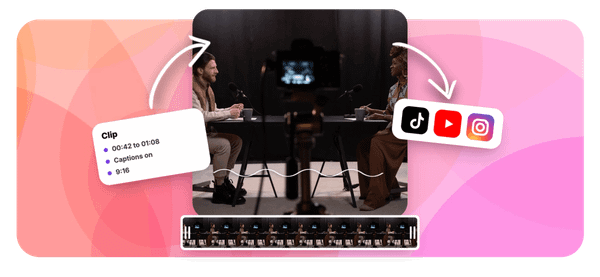
If you want to speed up that process even further, Crayo's clip creator tool is worth a look. It helps you build short-form content fast, so you can test different hook styles, see what resonates with your audience, and refine your approach without spending hours on production. Think of it as a shortcut that lets you focus on the words and ideas that drive real engagement rather than getting stuck in the editing process.
Table of Contents
- Why Creators Struggle to Create Viral Instagram Hooks
- The Hidden Cost of Assuming Hook Quality Alone Is Enough
- How to Create Viral Hooks for Instagram in 30 Minutes
- The 30-Minute Workflow to Create a Viral-Ready Instagram Hook
- Create Viral-Ready Instagram Hooks Faster With Crayo
Summary
- Instagram's confirmed ranking system runs content through five eligibility checks before it evaluates a hook's strength for viral reach: no platform watermarks, audio included, Reels duration within limits, original or meaningfully transformed content, and no account history of posting ten or more reposts within the past 30 days. Failing any one of these criteria means the hook never reaches the audience it was written for.
- Share rate is the metric that determines whether a hook works for viral, non-follower reach, yet most creators never track it. Analysis from 2026 puts the threshold for a meaningful distribution signal above 2% shares per reach, with below 0.5% indicating the algorithm isn't registering content as worth pushing beyond an existing audience.
- The distinction between a like-worthy hook and a share-worthy hook is structural, not stylistic. Hooks that make someone think "same" earn likes from existing followers. Hooks that make someone think "this is exactly what my friend needs to see" earn forwards to people who have never heard of the creator. Research from Miraflow's 2026 viral content analysis found that hooks containing a specific number or surprising claim in the first five words generate 2x more saves on Instagram, and saves function similarly to shares as a distribution signal.
- The most common and costly misdiagnosis in hook-writing is assuming a flat result means the hook was weak. The real failure point is usually upstream: a TikTok watermark on a reposted clip, audio muted during export, or a repost frequency that quietly crossed Instagram's threshold weeks earlier. Instagram's system flags these issues before distribution begins, and the creator sees limited reach without any explanation.
- Rewatchability is a property of the opening, not the ending. Hooks that contain an unresolved element, a claim not fully explained, or a phrase that lands differently on a second watch create the conditions for a replay without requiring a separate structural device. That second watch signals what Instagram uses in its ranking logic. Building it into the hook's structure means writing the opening with the ending in mind, so the loop feels natural rather than constructed.
- Audio during the first three seconds of a Reel is not background noise. UGC Factory's research confirms viewers decide whether to keep watching within that window, so mismatched audio creates cognitive friction at the exact moment the hook is trying to stop a scroll. Creators who consistently hit viral benchmarks treat audio as part of the hook's environment, not a finishing step, selecting it based on whether it supports the emotional register of the opening line.
Crayo's clip creator tool addresses this by handling audio integration, watermark-free exports, and loop-friendly formatting inside a single production workflow, so the eligibility checks that typically happen last (or not at all) are built into the process from the start.
Why Creators Struggle to Create Viral Instagram Hooks
Hook quality is not the bottleneck most creators think it is. Instagram's confirmed ranking system runs content through five specific eligibility checks before a hook's strength ever gets evaluated for viral, non-follower reach:
- No platform watermarks
- Audio included
- Reels duration within limits
- Original or meaningfully transformed content
- No account history of posting ten or more reposts within the past 30 days
Fail any one of these, and the hook never gets its audition.
Upstream Distribution Penalties
The same pattern surfaces across creator communities and content audits: a well-crafted hook lands flat, the creator rewrites it, tests a new format, adjusts the pacing, and still sees limited reach. The real culprit is usually upstream.
- A TikTok watermark left on a reposted clip.
- A Reel published without audio.
- A repost frequency that quietly crossed Instagram's threshold three weeks earlier.
None of those issues have anything to do with how compelling the opening line is.
Why the Eligibility Gate Stays Invisible
Most creator advice focuses on hook wording because that's the part of the process that feels both creative and controllable. Technical eligibility requirements don't show up in engagement dashboards; they don't generate feedback, and Instagram doesn't send a notification explaining why it excluded a video from Explore. The gate closes silently. Creators reasonably conclude the hook was the problem, because that's the only variable they can see.
Optimizing for Distribution Signals
A signal mismatch also compounds this. Instagram's confirmed ranking logic distinguishes between:
- Connected reach (existing followers, where likes carry slightly more weight)
- Unconnected reach (Explore and non-follower Reels, where shares matter more)
A hook written to earn likes from a current audience is optimized for the wrong signal if the actual goal is viral, non-follower distribution. Documented 2026 analysis puts the share-rate threshold for viral territory at above 2%, with below 0.5% indicating the algorithm isn't registering a meaningful share signal at all. Most creators never check this number.
Isolating Eligibility from Engagement
Most creators handle this by writing and publishing quickly, then watching overall view counts as the primary feedback signal. That approach works fine for building familiarity with an existing audience. But as the goal shifts toward breaking into new audiences through Explore, the feedback loop breaks down because total views don't separate eligibility failures from hook failures. Platforms like Crayo's clip creator tool let creators move faster through the production side, reducing the time spent in editing so more attention can go toward pre-publish eligibility checks and share-rate tracking, the variables that actually gate viral reach.
The Prerequisites of Hook Success
The failure point is almost never a lack of hook-writing skill. It's the assumption that a strong hook is sufficient on its own, when Instagram's system requires it to clear a technical gate first, then generate the right signal, before it ever reaches the audience the creator was writing for. But what that assumption actually costs you, in reach, in momentum, and in wasted creative effort, is more specific than most people expect.
Related Reading
- TikTok Content Ideas for Business
- What Does Content Under Review Mean on TikTok
- YouTube Shorts Ideas Without Showing Face
- Viral YouTube Shorts Ideas
- Why Is My Content Under Review on TikTok
- Creative Instagram Reels Ideas
- YouTube Shorts Content Ideas
- YouTube Shorts Ideas For Beginners
- How Long Can A Reel Be On Instagram
- Instagram Reels Ideas For Business
- What Does Promotional Content Mean on TikTok
- Instagram Reels Ideas For Beginners
- How Much Do Content Creators Make on TikTok
The Hidden Cost of Assuming Hook Quality Alone Is Enough
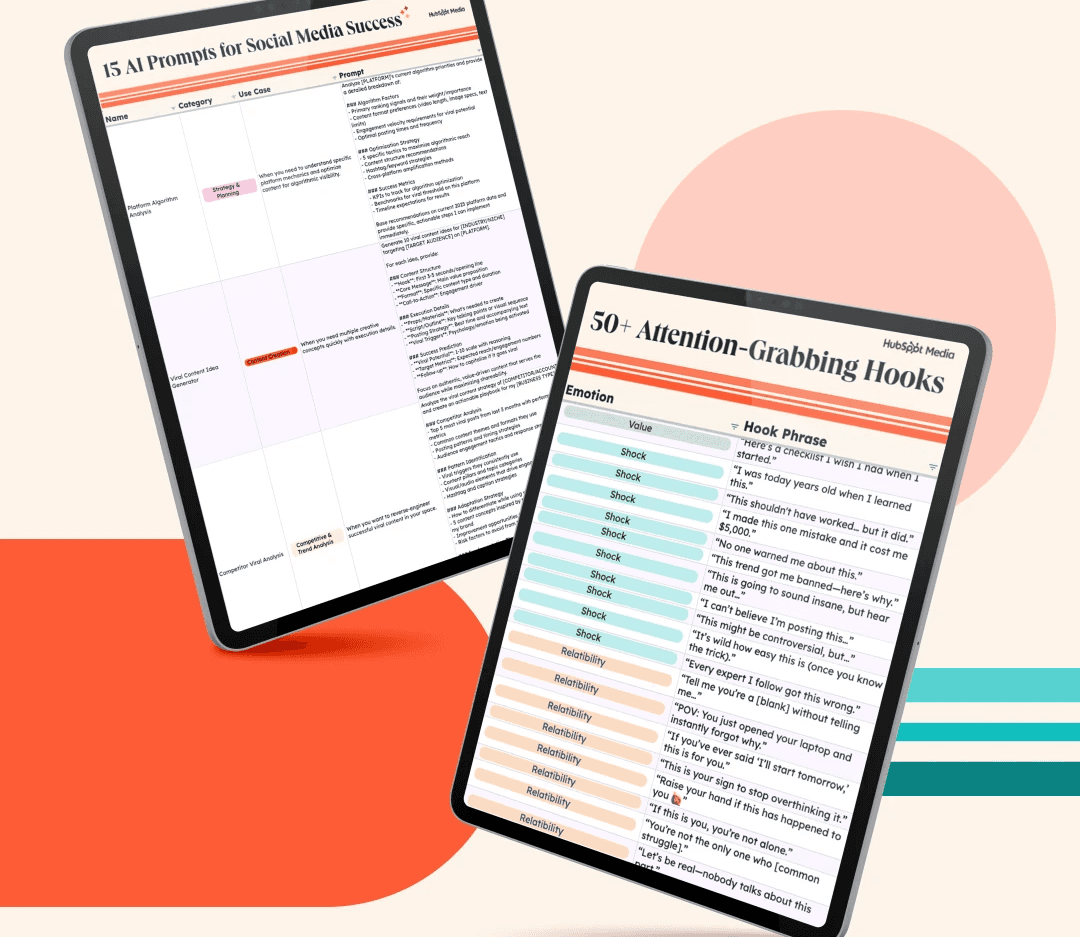
Creators who invest real effort into hook craft, and still watch content flatline, tend to blame the hook. That misdiagnosis is expensive, not just emotionally, but in concrete reach terms. The limiting factor is usually upstream, not in the words themselves.
Where the Real Penalty Hides
The watermark problem is more common than most creators expect, and the penalty is immediate. A creator reposts a trending clip, rewrites the opening line to be sharper than the original, and publishes it with a TikTok logo still visible in the corner. Instagram's system doesn't evaluate which version has the better hook. It identifies the original source, surfaces that creator's content in recommendations instead, and the repost receives a reach penalty before a single non-follower ever sees it. The hook never gets a fair test. What feels like a hook problem is actually an eligibility problem that was decided before distribution even started.
Differentiating Reach Through Engagement
The same misdiagnosis happens with engagement signals. Creators often treat all positive engagement as proof a hook is working, but Instagram's ranking logic draws a hard line between connected reach and unconnected reach. Likes and comments from existing followers are weighted toward keeping content visible to people who already follow you. Shares, specifically DM shares, carry three to five times more weight for reaching people who have never seen your account. A hook that earns applause from your existing audience but doesn't create a "send this to someone" moment optimizes for the wrong outcome.
Tracking Benchmarks Over Total Views
Most creators handle hook performance by feel, checking whether numbers look good overall and moving on. That approach works for measuring follower engagement, but it creates a blind spot for viral reach. Without checking share rate against a documented benchmark, a hook performing at 0.4% share rate can feel like reasonable traction when it's actually below the threshold where Instagram's system reads a meaningful distribution signal.
Tools like Crayo exist precisely because the production side of short-form content shouldn't slow down the strategic side. When clipping, editing, and publishing can happen in minutes rather than hours, creators have the bandwidth to actually track share rate per post rather than just chasing the next upload.
What the Benchmark Actually Tells You
The 0.5% and 2% share-rate thresholds documented in the 2026 analysis aren't arbitrary targets. They represent the points at which Instagram's system reads a qualitatively different signal.
- Below 0.5%, the algorithm sees content that followers consumed but didn't find worth passing on.
- Above 2%, it sees content people felt compelled to send to someone specific, which triggers unconnected reach and non-follower discovery.
The difference between those two outcomes often isn't hook quality. It's whether the hook was built around a "you need to see this" moment or a "this is relatable" moment. Both can earn likes. Only one reliably earns shares.
The Sequential Formula for Reach
The pattern that surfaces across accounts that consistently break into non-follower reach is straightforward: they treat eligibility and signal as pre-conditions, not afterthoughts.
- Eligibility check first
- Share-optimized hook second
- Benchmark verification third
Hook quality matters enormously inside that sequence. Outside it, even a genuinely strong hook is working against a system that has already decided where to send the content. And knowing the sequence is only half the battle, because executing it consistently under time pressure is where most creators lose the game.
How to Create Viral Hooks for Instagram in 30 Minutes
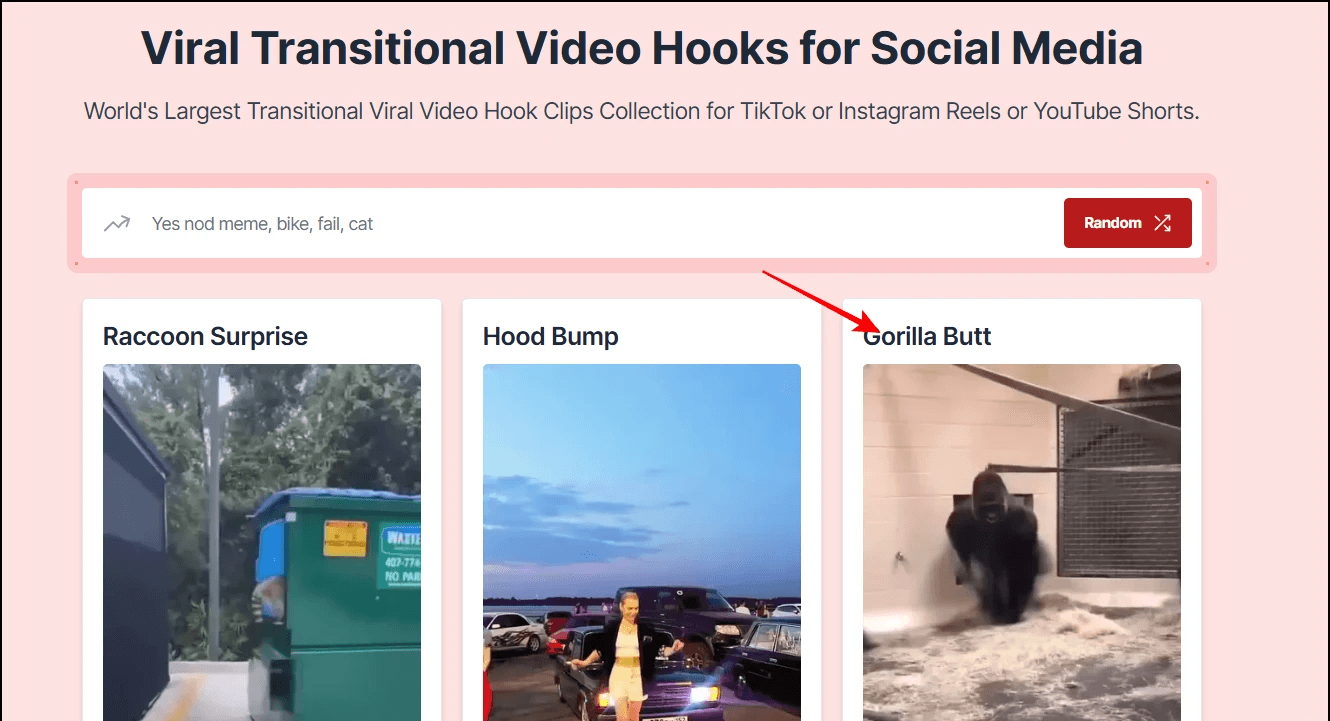
Executing the sequence consistently separates creators who understand the system from those who actually benefit from it. Knowing that eligibility comes before hook quality, and shares before likes, is useful knowledge. Turning it into a repeatable process under real-time constraints is a different skill entirely.
What the First Three Seconds Are Actually Deciding
The failure point is usually misidentified. Most creators assume the hook's job is to impress. It isn't. Its job is to prevent a skip, and that window is brutally short. According to Postuby's guide to viral hook formulas for Instagram Reels, viewers decide whether to keep watching within the first three seconds, which means your hook isn't competing against other hooks. It's competing against the reflex to scroll.
Disruptive Tension Over Logical Setup
That reframe matters because it changes what you optimize for. An impressive hook and a scroll-stopping hook are not the same thing.
- Impressive hooks reward attention that's already been given.
- Scroll-stopping hooks interrupt the decision to leave before it's made.
The first three seconds need to create a specific kind of tension, a question the viewer hasn't consciously asked yet but suddenly needs answered. The most reliable way to generate that tension is to lead with the consequence, not the setup. Instead of building toward a reveal, open with the reveal and let the rest of the content explain it. Your hook is probably getting evaluated last; it lands harder in the second one than let me explain how Instagram's algorithm works does in the second three. The brain responds to disruption before it responds to structure.
Why Share-Worthy Framing Requires a Different Starting Question
A common pattern surfaces across creators who struggle with share rate even when their watch time looks healthy: they write hooks by asking "what will make my audience stop scrolling?" That question optimizes for retention within an existing follower base. It doesn't optimize for the behavior that drives reach to unconnected viewers.
The better starting question is more specific: Who would a viewer immediately want to send this to, and why right now? That question forces you to write toward a reaction, not just an emotion. "Bro, you need to see this" is a share. "That was interesting" is a like. If viral reach is the goal, the hook needs to aim at the first response, not the second.
Engineering Implied Social Context
This distinction shows up in the hook's structure. Share-worthy hooks tend to contain an implied social context, something that makes the content feel like it belongs in a conversation between two specific people, not just broadcast to a general audience. If you've ever posted a Reel and watched it flatline, it's more shareable than here's how Instagram's algorithm works because the first one makes a viewer think of someone else who needs to hear it. That's the mechanism.
Clearing Eligibility Before Touching the Hook
Most creators handle eligibility checks reactively, catching a watermark or missing audio track after they've already built the content around a specific hook. That sequencing creates friction and often forces you to rebuild the hook around a version of the content that was already compromised. The cleaner approach is to treat eligibility as the first creative decision, not a post-production checklist. Before writing a single word of hook copy,
- Confirm the export is watermark-free
- Includes audio
- The content is original or meaningfully transformed
Those three checks take under five minutes and determine whether the hook gets evaluated at all. Running them last, after significant creative investment, is how creators end up optimizing content that was never going to be recommended.
Workflow-Integrated Technical Compliance
Most editing workflows aren't built around this sequence by default. Creators typically build, edit, add audio, then export, which means the eligibility check happens at the end if it happens at all. Crayo is designed around the opposite logic: the technical requirements, clean exports, integrated voiceovers, and optimized formatting are handled inside the workflow rather than bolted on afterward, which keeps the creative focus where it belongs, on the hook itself.
Building Rewatchability Into the Hook's Structure
Rewatchability isn't a property of the ending. It's a property of the opening. A hook that includes an unresolved element, a claim that isn't fully explained, a visual that only makes sense after the full video, or a phrase that lands the second time differently creates the conditions for a replay without requiring a separate structural device.
The loop-friendly structure that feeds Instagram's replay-rate signal works best when the hook plants something the viewer doesn't consciously register the first time. On the second watch, they're looking for it. That second watch is the signal. Building it in means writing the hook with the ending in mind, not as an afterthought, but as the reason the hook is worded the way it is.
Checking the Number That Actually Tells You if it Worked
After publishing, the instinct is to check views and likes. Those numbers feel like feedback because they move fast and they're visible. But neither tells you whether your hook is working for the goal that actually matters: unconnected reach. The only number that answers that question is share rate, calculated as shares divided by reach. Below 0.5% means the hook isn't generating the signal Instagram uses to push content beyond your existing audience. Above 2% means it is. Everything between those two numbers is a gradient, and knowing where you sit on it after each post turns hook-writing from a creative exercise into a measurable craft.
Systematizing the Feedback Loop
The creators who improve fastest aren't the ones who write the most hooks. They're the ones who check this number consistently and adjust the share-worthy framing based on what it tells them. That feedback loop, eligibility confirmed, hook aimed at shares, share rate checked against the benchmark, is what makes viral reach repeatable rather than occasional. But knowing the steps and executing them under a real-time constraint are two different problems, and the gap between them is where most creators quietly lose ground.
Related Reading
- Instagram Reel Hook Ideas
- How To Create A Reel On Instagram
- Instagram Reel Caption Ideas
- Tiktok Content Ideas For Beginners
- Best Time To Post A Reel On Instagram
- Best Content For Tiktok
- How To Schedule A Reel On Instagram
- Best Content Strategy Tiktok
- How To Make Looping Content For Tiktok
- Ai Tools for TikTok Content Creation
The 30-Minute Workflow to Create a Viral-Ready Instagram Hook
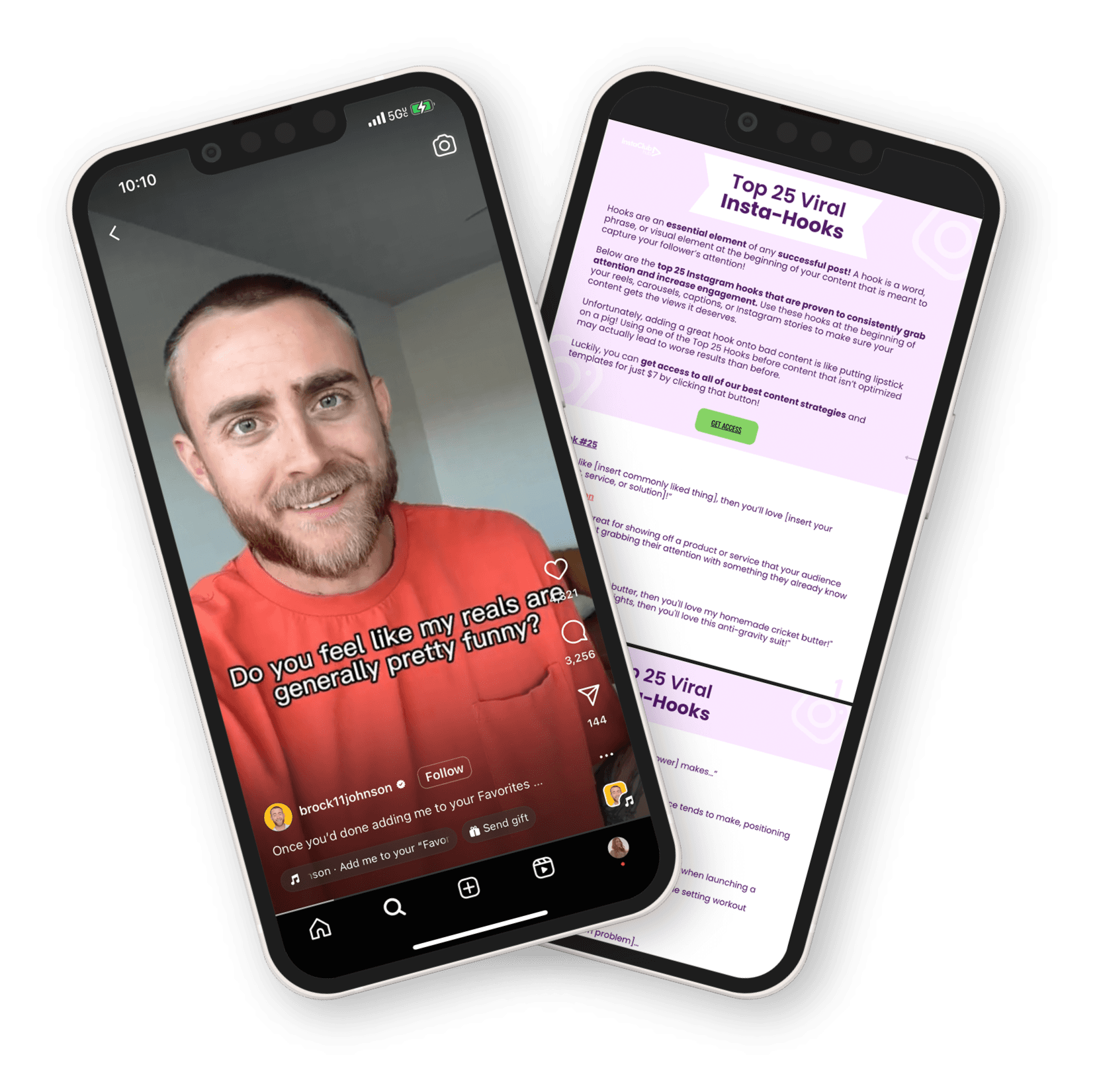
The gap between knowing the workflow and executing it without losing momentum is exactly where most creators quietly drop the ball. Not because they lack discipline, but because the workflow itself has never been structured to remove decision fatigue at each step. The version below does that, with each minute block having one job and one reason it matters.
Minute 0-5: Confirm Eligibility Before Writing Anything
Check your planned content against all five gate criteria:
- No cross-platform watermarks
- Audio included
- Within duration limits
- Original or transformed rather than a straight repost
- Not part of a 10-plus repost pattern in the last 30 days
Confirming eligibility first means the hook you are about to write will actually be evaluated for viral reach, rather than discovering a disqualifying issue after the fact. The failure point is usually sequence. Creators write the hook first, then produce the content, then publish, and only then notice the watermark or the missing audio. By that point, the hook is already capped. Reversing the order costs nothing and protects everything that follows.
Minutes 5-15: Write the Hook Around a Share-Worthy Moment
Identify a specific person or situation someone watching would think of and immediately want to send this to. Build the hook's opening around that specific moment rather than a generally agreeable one, because general agreement drives likes and specific recognition drives shares.
Triggering Viral Sharing and Saving
The difference between the two is sharper than it sounds.
- A hook that makes someone think the same earns a like.
- A hook that makes someone think "this is literally my friend" earns a forward.
Only the second one reaches people who have never heard of you, which is where viral growth actually lives. According to the Miraflow Blog's 2026 viral content research, hooks that include a specific number or surprising claim in the first five words generate 2x more saves on Instagram. Saves and shares both signal content worth distributing beyond your existing audience, and specificity consistently triggers both behaviors.
Minutes 15-20: Add Niche-Relevant Audio and Design for a Loop
Choose audio that is genuinely relevant to your specific content, not just trending audio dropped in for algorithmic credit. Then structure the ending to flow back toward the opening so the content rewards a second watch without requiring the viewer to consciously choose to rewatch it. The pattern worth recognizing here is that audio relevance and replay rate both function as secondary signals that reinforce the hook's initial impact. A hook that stops the scroll but lands in content with mismatched audio creates cognitive friction, and friction breaks the momentum that drives shares.
Audio as an Essential Hook Element
Most creators treat audio as a finishing touch. The ones consistently hitting viral benchmarks treat it as part of the hook's environment, something that either supports the emotional register of the opening or undercuts it. UGC Factory's research confirms that viewers decide whether to keep watching within the first 3 seconds of a Reel, which means the audio playing during those three seconds is not background noise. It is part of the decision.
Minutes 20-25: Produce and Run a Final Eligibility Check
Finish production, then do a targeted check specifically for watermarks and audio presence before publishing. This step exists because editing introduces new eligibility risks that were not present when you checked at minute zero.
Preventing Silent Post-Production Disqualifications
- A stock clip with an embedded logo
- Audio that got muted during export
- A transition effect pulled from another platform's library
Any of these can introduce a disqualifying element after you've written the hook and produced the content. The final check is not redundant. It catches what the first check could not.
Most creators take the familiar approach: publish immediately after export, trusting that what went in came out clean. That assumption is where small technical errors quietly cost hooks their full distribution potential, not through any algorithmic penalty the creator can see, but through a reach ceiling that never announces itself.
Minutes 25-30: Publish and Track Share Rate Specifically
Publish, and once data is available, check share rate specifically against the documented benchmarks:
- 0.5% signals weak distribution
- 2% signals viral reach
Measuring general engagement or impressions at this stage tells you almost nothing about whether the hook achieved what it was built for. Share rate is the only metric that directly reflects whether the hook reached people outside your existing audience. Every other number can grow while your viral reach stays flat, which is why creators who track impressions feel like they are improving while their follower count and reach stay stagnant.
Why the Sequence is the Point
The workflow above is not a checklist of good ideas. It is a specific sequence designed so that each step removes a failure mode before the next step begins. Eligibility confirmed before writing, share-focused framing built before production, audio and loop structure added before export, final eligibility check before publishing, share rate tracked after. Most creators handle this in reverse or skip steps entirely, so they often produce technically strong hooks that never reach their potential because an upstream issue quietly capped distribution. The sequence closes that gap.
The Hidden Cost of Seamless Production
The common approach is to produce content in one continuous flow:
- Idea
- Record
- Edit
- Post
It feels efficient because it removes friction between steps. But that friction does useful work:
- Catching eligibility issues
- Forcing share-focused framing
- Confirming audio relevance
Removing it does not make the process faster in any meaningful sense. It just moves the failure later, where it is harder to see and impossible to fix.
Streamlining Compliance Through Integrated Workflows
Crayo is built for exactly this kind of structured, repeatable production. By handling AI voiceovers, subtitle generation, and gameplay footage optimization inside a single workflow, they reduce the production variables that typically introduce eligibility risks during editing, so the gap between "hook written" and "hook published cleanly" shrinks from a multi-step manual process to something a creator can execute consistently, at volume, without losing the share-focused framing in the production handoff.
The Before and After is not About Creativity
Before this workflow: hook written first with no eligibility check, content optimized for likes and general approval, no specific benchmark to measure viral performance against, share rate either not tracked or measured against the wrong signals.
After: eligibility confirmed before writing begins, the hook built around a specific share-worthy moment, niche-relevant audio and loop structure added intentionally, and share rate tracked against documented benchmarks. The improvement does not come from writing a cleverer hook. It comes from clearing the eligibility gate and aiming the hook at the signal that actually drives viral reach.
The truth is that execution under a real-time constraint reveals which parts of your process are discretionary and which are load-bearing. This workflow makes the load-bearing parts non-negotiable and keeps the discretionary parts fast, so the thirty minutes produce a hook with a real shot at distribution rather than one that simply feels finished.
Create Viral-Ready Instagram Hooks Faster With Crayo
Most creators skip the part that matters most. It is the gap between writing a strong hook and publishing content that Instagram's system will actually move. Crayo closes that gap by generating Reels with audio included, no cross-platform watermark, and a loop-friendly structure built in from the start, so the share-worthy moment you identified in the workflow goes straight to distribution without a manual eligibility checklist standing between the idea and the audience.
Open Crayo, describe the specific recognition moment from minutes five through fifteen of your workflow, and generate a produced Reel ready for publishing. Then track your share rate against the 0.5% and 2% benchmarks covered earlier. That number tells you whether your hook reached unconnected accounts or stayed inside your existing follower base, and it gives you a repeatable signal to improve against rather than a gut feeling about what worked.