

Every business owner scrolling through TikTok knows that sinking feeling. Your competitors are posting viral content while your brand's account sits quietly, gathering digital dust. Coming up with fresh TikTok content ideas for business can drain hours from your day, leaving you stuck between spreadsheets and brainstorming sessions that go nowhere. In the next 10 minutes, you'll discover 5 AI tools for social media content creation that can transform how you generate, design, and publish content across every platform.
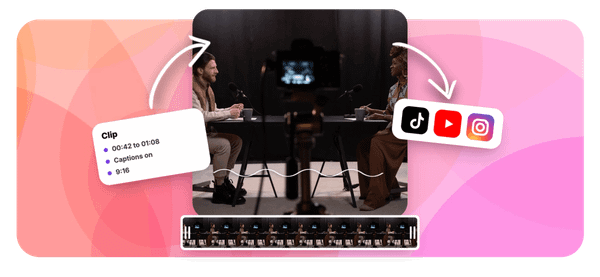
What if you could automate the entire video creation process without sacrificing quality? Crayo's clip creator tool helps you generate short-form videos in seconds, turning simple text prompts into polished clips ready for TikTok, Instagram Reels, or YouTube Shorts. Instead of wrestling with complicated video editing software or automated content generators that produce robotic results, you get a streamlined workflow that handles captions, effects, and background music while maintaining your brand voice.
Table of Contents
- Why Creators Struggle to Create Social Media Content Consistently
- The Hidden Cost of Creating Content Without AI Tools
- 5 AI Tools for Social Media Content Creation in 10 Minutes
- The 10-Minute Workflow to Create Content Faster Using AI Tools
- Create Social Media Content Faster With Crayo AI
Summary
- AI tools reduce content creation time by 70% according to marketing data from 2024, with the biggest gains coming from automation of repetitive tasks like caption syncing, script formatting, and visual editing. The speed advantage isn't just convenience. It's what makes daily posting sustainable without proportional increases in effort or team size.
- Manual workflows treat every post as a separate project, forcing creators to rebuild the process from scratch each time. SocialBee's 2024 analysis found that creators without category-based systems spend over 35 minutes per week on scheduling alone, not counting actual content creation.
- Businesses lose over $100,000 annually in hidden costs from not adopting AI tools, primarily through reduced productivity and missed opportunities. The real expense isn't the subscription price of automation software. It's the content that never gets published, the audience growth that stalls, and the creative momentum that disappears when production becomes unsustainable.
- Eighty percent of marketers now use AI for content creation because it eliminates the ideation bottleneck that used to delay production by hours. The shift from manual brainstorming to prompt-based generation removes the blank page problem entirely, turning idea generation from an unpredictable creative challenge into a repeatable system that works regardless of inspiration levels.
- Automated workflows make experimentation low-risk by reducing the time cost of each test from hours to minutes. When production speed increases, creators can try multiple hook styles, compare performance data, and iterate quickly, rather than committing extensive resources to each variation before knowing what resonates with their audience.
Crayo's clip creator tool addresses this by collapsing the entire production process into a single automated workflow, turning text prompts into finished videos with captions, effects, and background music in seconds.
Why Creators Struggle to Create Social Media Content Consistently

Creators struggle to create social media content consistently because they rely on manual effort, lack a repeatable system, and try to handle ideation, scripting, editing, and posting all at once. The result is slow production, inconsistent output, and burnout. Without reusable structures, each post becomes a separate project instead of part of a sustainable workflow.
Starting From Scratch Resets Progress
Most creators begin each post with a blank slate. They generate new ideas, write scripts from scratch, create captions manually, and rebuild the process daily. This approach treats every piece of content as a unique challenge rather than a repeatable task. When you don't have templates, frameworks, or content categories to pull from, production speed becomes unpredictable, and energy drains faster than engagement grows.
Workflow Gaps Create Friction
Creators often move between tasks without a defined sequence. They jump from idea to editing, rewrite content multiple times, and switch between tools at random. This creates friction at every step. Creators without category-based posting systems spend 35+ minutes per week just on scheduling, not counting the time spent on actual content creation. The lack of structure means even simple tasks take longer, and progress becomes hard to track.
Time Cost Compounds Over Time
Without systems or support, content takes too long to produce. Creators over-edit videos, rewrite captions repeatedly, and delay posting because they're chasing perfection instead of consistency. One creator who documented building a personal brand through 400+ daily videos described the process as months of grinding through manual effort before seeing traction. The volume required to break through becomes unsustainable when every video demands the same level of hands-on work.
Creative Fatigue Kills Momentum
Manual idea generation becomes difficult over time. Creators depend on inspiration, scroll for ideas when stuck, and delay posting until something feels right. This leads to creative fatigue. The problem isn't a lack of creativity, it's the absence of systematic ideation. When you're forced to invent fresh concepts daily without a content bank or recurring themes, the mental load becomes exhausting and output drops.
Platforms like the clip creator tool shift this dynamic by automating the production grind. Instead of manually editing each video, creators input text prompts and get polished clips with captions, effects, and background music in seconds. This approach removes technical barriers so energy goes toward finding trends and planning a strategy, not wrestling with editing software. When the heavy lifting happens automatically, consistency becomes achievable without the burnout.
Related Reading
- TikTok Content Ideas for Business
- What Does Content Under Review Mean on TikTok
- YouTube Shorts Ideas Without Showing Face
- Viral YouTube Shorts Ideas
- Why Is My Content Under Review on TikTok
- Creative Instagram Reels Ideas
- YouTube Shorts Content Ideas
- YouTube Shorts Ideas For Beginners
- How Long Can A Reel Be On Instagram
- Instagram Reels Ideas For Business
- What Does Promotional Content Mean on TikTok
- Instagram Reels Ideas For Beginners
- How Much Do Content Creators Make on TikTok
The Hidden Cost of Creating Content Without AI Tools

Without AI tools, content creation feels manageable at first, but it quietly drains time, energy, and growth potential. The real cost isn't the effort you put in. It's the output you never achieve, the consistency you can't sustain, and the creative momentum that slowly disappears.
Output Drops When Every Task Takes Longer
Manual workflows make each piece of content a separate project. You brainstorm ideas, write scripts, edit footage, add captions, and format everything by hand. Each step takes time, and that time adds up. When production slows, posting becomes irregular. Gaps appear in your schedule. Followers lose interest because your presence becomes unpredictable. AI Makers reports that businesses experience $100K+ in hidden annual losses from not adopting AI tools, much of it due to reduced productivity and missed opportunities. Speed affects consistency more than most creators realize.
Quality Fluctuates Without Systematic Support
Some posts turn out strong. Others feel rushed. When you're handling everything manually, quality depends on how much energy you have that day. Mental fatigue leads to inconsistent messaging, weaker hooks, and videos that don't perform. The problem isn't effort. It's that effort alone that can't create reliable systems. Without templates, automation, or AI-generated suggestions, every post becomes a test of willpower rather than a repeatable process.
Creative Fatigue Builds Faster Than Engagement
Idea generation becomes harder when you do it alone every single day. You scroll for inspiration, delay posting until something feels right, and eventually run out of mental energy. Many creators describe feeling stuck or overwhelmed, not because they lack creativity, but because they lack support systems. Creativity improves with structure, not just raw effort. Tools like Crayo handle editing, formatting, and effects automatically, freeing up mental space for strategy and trend spotting rather than technical execution. When the production grind runs on autopilot, burnout becomes avoidable.
Scaling Becomes Impossible as Content Needs Grow
Manual work doesn't scale. As your audience grows, so does the demand for content. You spend more time per post, struggle to increase output, and hit a ceiling. Time becomes the limiting factor. Without automation, growth requires proportional increases in effort, which isn't sustainable. The creators who break through aren't working harder. They're using systems that multiply output without multiplying hours. But knowing the cost is only half the equation. The real question is what changes when you remove those barriers entirely.
5 AI Tools for Social Media Content Creation in 10 Minutes
AI tools collapse the production timeline by automating the slowest parts:
- Ideation
- Scripting
- Editing
- Distribution
What used to take hours now happens in minutes because the friction points disappear. These five tools handle different bottlenecks in the workflow, and when combined, they turn content creation from a daily grind into a repeatable system.
1. Crayo AI Turns Prompts Into Finished Videos
Crayo AI generates hooks, scripts, captions, and voiceovers from a single text input. You type "TikTok growth tips," and it returns a structured script with a hook, body, and call to action, plus an AI-generated voiceover ready to layer over footage. This removes the need to stare at a blank page or record audio yourself. The tool replaces three separate tasks (writing, recording, formatting) with one automated sequence. According to Sprinklr's 2025 analysis, 80% of marketers now use AI for content creation, largely because it eliminates the ideation bottleneck that used to delay production by hours. When the structure appears instantly, you move straight to refinement rather than creating from scratch.
2. ChatGPT Handles Captions and Content Banks
ChatGPT generates captions, post ideas, and content variations on demand. You ask for five Instagram captions about engagement, and it delivers them in seconds. This speeds up the writing phase and removes the mental load of starting fresh every time. The value isn't just speed. It's the ability to create content banks. You can generate 20 caption variations in one session, store them, and pull from that library when posting. This turns caption writing from a daily task into a batch process that happens once per week.
3. Canva Simplifies Design With AI Templates
Canva provides pre-built templates for Reels, carousels, and static posts, all optimized for platform specs. You select a layout, drop in your content, and adjust colors or fonts if needed. The design process that used to require software knowledge now happens through drag-and-drop. The AI features go further. Canva's Magic Write generates text for graphics, and its background remover automatically isolates subjects. These tools reduce design time from 30 minutes per post to under 5 minutes. When templates handle layout decisions, creativity shifts from technical execution to message clarity.
Automated Production and Strategic Scaling
Platforms like Crayo take this efficiency further by automating the entire video editing process. Instead of manually syncing captions, adding effects, and formatting clips, creators input a prompt and get polished short-form videos with subtitles, transitions, and background music in seconds. The technical barriers vanish, so energy goes toward finding trends and planning content strategy rather than wrestling with editing timelines. When production runs on autopilot, consistency becomes achievable without creative fatigue.
4. CapCut Automates Video Editing Mechanics
CapCut adds auto-captions, transitions, and effects without manual input. You upload raw footage, and the AI detects speech, generates subtitles, and syncs them to the video. This removes the most tedious part of video editing: timing text overlays frame by frame. The auto-caption feature alone saves 10-15 minutes per video. When you're posting daily, that time compounds. CapCut also includes templates for trending formats, so you can match viral styles without reverse-engineering them. Speed matters, but so does staying current with platform trends.
5. Buffer Removes the Daily Posting Burden

Buffer schedules posts across platforms and automates publishing. You load a week's worth of content in one session, set the times, and the tool handles distribution. This eliminates the need to log in daily and manually post, which becomes draining when you're managing multiple accounts. The real benefit is consistency. When posting happens automatically, gaps in your schedule disappear. Followers see regular content even during busy weeks. Buffer also tracks performance, so you can identify which posts work without manually checking analytics across platforms.
Why These Tools Work Together
Each tool solves a specific bottleneck. Crayo AI and ChatGPT handle ideation and scripting. Canva and CapCut manage design and editing. Buffer automates distribution. When you stack them, the workflow becomes modular: one tool for each phase, minimal overlap, maximum efficiency.
The shift isn't just about speed. It's about removing decision fatigue. When templates, automation, and AI suggestions handle the repetitive tasks, mental energy stays focused on strategy. You spend time identifying trends, analyzing what works, and planning content themes rather than editing captions or resizing graphics.
Systemic Scaling and Operational Friction
Most creators hit a ceiling because they're doing everything manually. The ones who scale aren't working harder. They're using systems that multiply output without multiplying hours. AI tools don't replace creativity. They remove the friction that prevents consistent execution. But having the tools is only the first step. The real question is how to combine them into a workflow that actually works.
The 10-Minute Workflow to Create Content Faster Using AI Tools

You move from idea to published post in ten minutes when the workflow removes decision points and automates the slowest steps. The difference isn't working faster. It's eliminating the parts that used to require manual effort:
- Brainstorming hooks
- Editing footage
- Writing captions
- Formatting visuals
- Scheduling distribution
Each step now happens through a tool designed for that specific bottleneck.
Generate Your Idea and Hook in Two Minutes
Open ChatGPT or Crayo AI and type a single content prompt. "Three mistakes new creators make on TikTok." The tool returns a hook, three-point structure, and script outline in seconds. You're not staring at a blank page or scrolling for inspiration. The framework appears instantly, and you adjust tone or examples if needed. This removes the ideation delay that used to stretch into hours. According to Pressmaster.ai, 70% of marketers report that AI tools have reduced content creation time. The speed comes from automation handling the structure while you focus on refinement. When the starting point exists, production begins immediately instead of waiting for clarity.
Create Your Visual or Video in Three Minutes
Use Canva for static posts or carousels. Select a template optimized for Instagram Reels or TikTok dimensions, drop in your text, and adjust colors or fonts. Design decisions are made through presets rather than manual layout work. For video, CapCut applies auto-captions, transitions, and effects without frame-by-frame editing. The friction disappears when templates handle technical execution. You're not learning software or troubleshooting export settings. The tools compress the design from a skill-based task into a selection process. Pick the format, input content, and the output matches the platform specs automatically.
Add Voiceover and Captions in Two Minutes
Crayo AI generates a voiceover from your script text. You paste the script, select a voice style, and the audio file appears ready to layer over footage. CapCut automatically syncs captions to speech, detecting pauses and timing text overlays without manual input. This step used to require recording equipment, audio editing, and subtitle formatting. Now it happens through text input. The technical barriers that kept creators from posting video content vanish when voiceover and captions are generated automatically. You're left with polished clips that match the production quality of accounts with dedicated editing teams.
Process Consolidation and Production Velocity
Platforms like Crayo further collapse this entire sequence. Instead of moving between tools for scripting, editing, and formatting, you input a text prompt and receive a finished video with captions, effects, and background music in seconds. The workflow consolidates multiple steps across different apps into a single automated process. When production runs this fast, consistency stops being a matter of willpower and becomes a scheduling decision.
Write Your Caption and Call to Action in Two Minutes
Use ChatGPT to generate caption variations. Ask for three versions with different hooks or CTAs. The tool delivers options instantly, and you select the one that fits your tone. This removes the blank-page problem and speeds up the writing phase. Captions drive interaction, but writing them manually every day drains mental energy. Batch generation solves this. You create a library of captions in one session and pull from it when posting. The daily task becomes a weekly process, and the cognitive load drops.
Schedule or Post in One Minute
Buffer loads your content, sets the publish time, and automates distribution. You queue a week's worth of posts in one session, and the tool handles the rest. This eliminates the need to log in daily and manually publish across platforms. Consistency matters more than perfection, and automation ensures it happens. Gaps in your posting schedule disappear when distribution runs on autopilot. Followers see regular content even during busy weeks, and engagement stays steady because your presence becomes predictable.
What This Workflow Fixes
Manual creation treats each post as a separate project. You start from scratch, make the same decisions repeatedly, and spend hours on tasks that don't scale. This workflow removes those repetitive points. Ideation becomes templated. Editing becomes automated. Distribution becomes scheduled. The shift isn't just speed. It's removing the friction that prevents consistent execution. When each step takes two to three minutes instead of twenty to thirty, daily posting no longer feels impossible. You're not fighting creative fatigue or technical limitations. You're following a system that works whether you feel inspired or not.
Operational Momentum and Velocity-Driven Output
Most creators overthink content because the process feels heavy. They delay posting until something feels perfect, rewrite captions multiple times, and spend hours editing footage that performs the same as clips made in minutes. The workflow fixes this by making production so fast that overthinking becomes impractical. You create, review briefly, and publish. The volume required to build traction becomes achievable without burning out.
Why Speed Changes Behavior
When content takes hours to produce, you end up posting sporadically. When it takes ten minutes, you post consistently. The difference compounds over weeks. Consistent posting builds momentum. Algorithms favor accounts that show up regularly. Followers engage with creators who maintain a presence. Speed also changes how you approach experimentation. When production is fast, testing new formats or topics becomes low-risk. You try a hook style, see how it performs, and adjust quickly. Manual workflows make experimentation expensive because each test costs hours. Automated workflows make it cheap because each test costs minutes.
Systemic Leverage and Production Scalability
The creators who scale aren't more talented. They're using systems that multiply output without multiplying effort. AI tools remove the technical barriers that used to limit production speed. When the workflow runs this efficiently, growth becomes a function of consistency rather than luck. But speed alone doesn't guarantee results. The real advantage comes from how you use that speed.
Related Reading
- Instagram Reel Hook Ideas
- How To Create A Reel On Instagram
- Instagram Reel Caption Ideas
- Tiktok Content Ideas For Beginners
- Best Time To Post A Reel On Instagram
- Best Content For Tiktok
- How To Schedule A Reel On Instagram
- Best Content Strategy Tiktok
- How To Make Looping Content For Tiktok
- Ai Tools for TikTok Content Creation
Create Social Media Content Faster With Crayo AI
If creating content still feels slow even with tools, the problem isn't effort. It's the number of steps between the idea and posting. Most workflows scatter tasks across platforms: ideation happens in one app, scripting in another, editing in a third, captions in a fourth. Each handoff adds friction, and friction kills momentum.
Collapse the Workflow Into One Input
Crayo AI removes those handoffs. You drop your idea into the platform, and it generates your hook, script, and content angle in seconds. The voiceover instantly turns that script into audio. Background visuals, captions, and effects combine into a ready-to-post format without switching tools. What used to require bouncing between ChatGPT for scripts, CapCut for editing, and Canva for formatting now happens in one session. You're no longer managing a workflow. You're pressing start. The shift matters because complexity compounds. Every additional tool adds learning curves, export settings, and compatibility issues. When production compresses into a single platform, those technical barriers disappear. You focus on the idea, not the mechanics of assembling it.
Multiple Posts in Under Ten Minutes
Speed changes what's possible. When you can create three posts in the time it used to take to finish one, testing becomes practical. You try different hooks, compare performance, and iterate based on what works. Manual workflows make experimentation expensive because each variation costs hours. Automated workflows make it cheap because each variation costs minutes. Content creation isn't about doing more work. It's about reducing the steps. Open Crayo AI, input your idea, and turn it into social media content that's ready to go. No more slow workflows, idea blocks, or inconsistent posting. You'll have structured messaging that holds attention and content ready to publish or schedule.
Related Reading
• Best Social Media Content Creation Tools
• Buffer Alternative
• Tiktok Content Creation Tips
• ContentStudio Alternatives
• Tiktok Content Ideas Without Showing Face
• Hootsuite Alternative
• How To Become A Content Creator On Tiktok
• Sprout Social Alternative
• Later Alternative
• Ai Tools For Social Media Content Creation