
You're staring at your phone, watching creators rack up millions of views with short-form videos that seem effortless. Whether you're exploring TTikTok content ideas for business or planning your next YouTube Shorts strategy, the truth is simple: viral short-form content isn't about luck. This article will show you five viral YouTube Shorts ideas you can create in just 10 minutes, giving you practical formats that work right now for building your audience and growing your business without spending hours behind the camera.
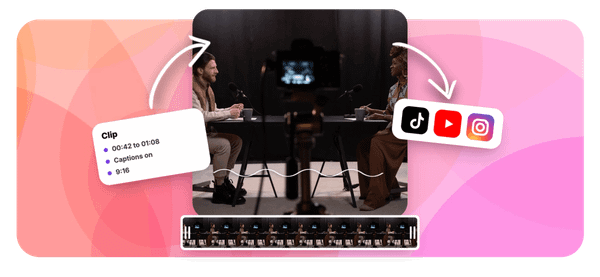
Creating engaging short-form videos consistently becomes easier when you have the right tools. That's where Crayo's clip creator tool comes in, helping you quickly turn these viral YouTube Shorts ideas into polished, ready-to-post content. Instead of wrestling with complicated editing software or spending your entire afternoon on a single video, you can focus on the creative concepts that actually drive views while the tool handles the production work that usually eats up your time.
Summary
- Short-form video engagement outperforms long-form content by 2.5 times according to marketing research, but that advantage only materializes when creators earn attention in the opening moments. Videos that open with setup instead of payoff lose viewers before the value arrives, turning strong ideas into flatlined content that never escapes algorithmic obscurity.
- Seventy percent of beginners fail to create engaging content in the first three seconds, and that failure point has nothing to do with production quality. The problem is structural. Creators introduce topics slowly, explain before creating curiosity, and waste the opening moment when attention is most fragile, training the algorithm to deprioritize their content with every video posted.
- Retention signals determine distribution before reach even begins. A video with 30% average view duration gets buried while one with 60% gets pushed to thousands more feeds. The gap between those numbers comes down to whether you front-load the most interesting moment or bury it under context, and videos that trigger a 15% replay rate signal strong content, while most beginner Shorts never earn a single rewatch.
- The creators who break through on Shorts aren't the ones with the best ideas. They're the ones who ship ideas fast enough to learn what works, turning content creation into a repeatable system instead of a struggle.
- Loop-based content increases replays by ending in a way that connects back to the beginning, making viewers watch twice without consciously deciding to rewatch. That passive replay behavior signals quality to the algorithm, and a looped video with 60% average view duration and a 20% replay rate outperforms a linear video with 70% view duration and no replays because total watch time compounds.
Crayo's clip creator tool automates subtitle timing, pacing cuts, and visual rhythm so creators can focus on hooks while the platform handles the retention structures that used to require manual editing.
Why Beginners Struggle to Create Viral YouTube Shorts
Beginners struggle to create viral YouTube Shorts because they build content without understanding the attention signals that make people stop scrolling, stay watching, and share what they've seen. They post videos expecting the algorithm to reward effort, but the virality rewards structure. Without that structure, the video exists but doesn't spread.
Starting Without a Strong Hook
The first three seconds determine whether your Short lives or dies. 70% of beginners struggle to create engaging content within the first 3 seconds, and that failure point isn't due to production quality. It's about momentum. Most beginners open with context instead of impact, introducing the topic slowly, explaining before creating curiosity, wasting the opening moment when attention is most fragile.
The belief is that if the idea is good, people will stick around to discover it. But on Shorts, the viewer decides to stay or scroll before they even know what your idea is. If the opening feels slow, predictable, or explanatory, the video loses before it starts. The hook isn't a decoration. It's the foundation.
Posting Ideas That Don't Create Curiosity
Much of the beginner content is clear, useful, and informative. It's also flat. Creators explain too much too early, make the idea too obvious, and give the answer before building any tension about the question. The result is content that teaches but doesn't compel. People don't rewatch or share something just because it helped them. They engage when the content makes them want to know what happens next.
That gap between useful and curiosity-driven is where virality lives. When you tell people what to think before making them wonder, you've removed the emotional pull that drives shares and repeat views. The Short might be good, but good isn't enough when the platform rewards content that creates an itch.
Algorithmic Structure and Automated Retention
Creators who've built channels with millions of subscribers understand this difference. They don't just make helpful videos. They structure each Short to create anticipation, delay resolution, and make the viewer feel something before delivering the payoff.
Tools like Crayo's clip creator encode these viral patterns into automated workflows, letting you focus on the curiosity hook while the platform handles subtitle timing, pacing cuts, and visual rhythm that keep attention locked in.
But even with the right tools, most beginners miss one critical piece that quietly destroys their reach.
Related Reading
- TikTok Content Ideas for Business
- What Does Content Under Review Mean on TikTok
- YouTube Shorts Ideas Without Showing Face
- Instagram Reels Content Ideas
- Why Is My Content Under Review on TikTok
- Creative Instagram Reels Ideas
- YouTube Shorts Content Ideas
- YouTube Shorts Ideas For Beginners
- How Long Can A Reel Be On Instagram
- Instagram Reels Ideas For Business
- What Does Promotional Content Mean on TikTok
- Instagram Reels Ideas For Beginners
- How Much Do Content Creators Make on TikTok
- Instagram Reels Content Ideas
The Hidden Cost of Creating Shorts Without a Viral Structure

Creating Shorts without a viral structure doesn't just limit reach; it also limits engagement. It wastes the one resource you can't get back: viewer attention. Every video posted without retention mechanics trains the algorithm to prioritize your content less. The real cost isn't low views on one video. It's the compounding effect of building an audience that scrolls past your idea before it even starts.
When Strong Ideas Die in the First Five Seconds
The pattern shows up everywhere. Creators film something genuinely useful, edit it carefully, post it with optimism, then watch it flatline at 200 views. The idea wasn't the problem. The structure was. Videos that open with setup instead of payoff lose viewers before the value arrives. You might have the answer someone's been searching for, but if the first three seconds feel like a slow build, they're gone.
Short-form videos generate 2.5x more engagement than long-form videos, but only when they earn attention immediately. The difference between a viral Short and a dead one often comes down to whether you front-load the most interesting moment or bury it under context. Beginners assume people will wait for the good part. The platform proves otherwise every time.
Low Retention Signals Kill Distribution Before It Starts
When viewers drop off in the first few seconds, YouTube reads that as a quality signal. The algorithm doesn't care about your effort or intent. It measures whether people stay, and if they don't, the distribution stops. A video with 30% average view duration gets buried while one with 60% gets pushed to thousands more feeds. The gap between those two numbers is pure structure.
Tubics research indicates that a 15%+ replay rate signals strong content, but most beginner Shorts never trigger a single rewatch. They answer the question, deliver the tip, and then end. No loop. No curiosity gap. No reason to watch again. The result is content that gets seen once and forgotten, while videos built with replay mechanics multiply their watch time and climb in reach.
Why Effort Alone Doesn't Compound
Posting consistently without structure creates volume, not momentum. You film five Shorts a week, edit them all, publish on schedule, and see the same flat performance. The mistake isn't a lack of effort. It's repeating the same structural errors across every video. Without a feedback loop tied to retention data, you're practicing mistakes at scale.
Teams that crack virality don't just post more. They study what holds attention second by second, then encode those patterns into every new video.
Systemic Virality and Workflow Automation
Platforms like Crayo's clip creator automate this by embedding proven retention structures into the editing workflow itself, handling subtitle timing, pacing cuts, and visual rhythm so creators can focus on the hook while the platform ensures the structure drives completion. The difference is treating virality as a system, not a hope.
But structure alone won't save a video if the idea itself doesn't trigger the one emotion that makes people share.
Related Reading
- Instagram Reel Hook Ideas
- How To Create A Reel On Instagram
- Instagram Reel Caption Ideas
- Tiktok Content Ideas For Beginners
- Best Time To Post A Reel On Instagram
- Best Content For Tiktok
- How To Analyze Tiktok Video Content
- How To Schedule A Reel On Instagram
- Instagram Story Vs Reel
- Best Content Strategy Tiktok
- How To Make Looping Content For Tiktok
- Ai Tools for TikTok Content Creation
5 Viral YouTube Shorts Ideas You Can Create in 10 Minutes
1. Pattern Interrupt + Payoff
Start with something unexpected, then resolve it with a clear outcome. The format works because it immediately breaks scrolling behavior. Open with a statement that contradicts common belief or creates tension ("This is why your Shorts suddenly stop getting views"), then deliver the resolution at the end.
The structure is simple:
- One strong hook
- One clear explanation
- Quick delivery
- No elaborate setup required
Auditory Hooks and Pattern Interrupts
70% of viewers watch YouTube Shorts with the sound on, which means your opening line carries weight. If the first sentence feels predictable, they scroll. If it creates a question they need answered, they stay. The pattern interrupt format exploits this by making the viewer stop mid-scroll to figure out what just happened.
2. Mistake-Based Content
Call out mistakes your audience is making. People pay attention when they feel they might be doing something wrong.
The format is direct:
- List two to three mistakes that are killing their results
- Keep each point short
- No complex editing is needed
The emotional pull is immediate because nobody wants to discover they've been wasting effort.
Loss Aversion and Engagement Hooks
This format works because it taps into loss aversion. Viewers stay to confirm they're not making the mistake, or to learn how to fix it if they are. The content doesn't need to be long. Thirty seconds is enough to name the problem and hint at the solution, which drives comments and shares as people tag others who need to hear it.
3. Before and After Transformation
Show a clear change or improvement. The format is visual:
- Before editing versus after editing
- Zero views versus improved performance
Minimal talking required. The transformation itself is the story, and the contrast creates curiosity that holds attention through to the end.
Demonstrative Content and Algorithmic Replay
Transformation content works because it demonstrates the concept rather than just explaining it. When viewers see the actual result, they rewatch to catch the details they missed the first time. That replay behavior signals quality to the algorithm, which pushes the video to more feeds. The format is fast to create because you're showing, not teaching.
4. Quick Value Drop (One Insight)
- Deliver one strong insight quickly
- Focus on a single idea,
- Keep it under 15 to 20 seconds
- Make the payoff immediate
- The shorter the video, the higher the completion rate.
When completion rate climbs, total watch time increases even if the video is brief, because people replay or the algorithm shows it to more viewers.
Value Density and Loop Optimization
Most creators try to pack too much into one Short. They explain context, add qualifiers, and hedge their advice. The result is a video that takes 45 seconds to deliver what could have been delivered in 12. Quick value drops work because they respect the viewer's time and create a loop: the insight is useful, but brief enough that they want more, so they check your profile for the next one.
Most beginner creators avoid looping content because it feels like a gimmick. But when a video ends in a way that loops back to the beginning, the viewer doesn't realize it's looping until they've already watched it twice. That's not manipulation. That's a structure designed to align with how the platform measures engagement. Loops increase replays, which increase total watch time, which increases distribution.
5. Loop-Based Content
Create content that naturally loops by planning the ending first, then connecting it to the opening. The format works with seamless transitions where the last frame could lead directly into the first. It doesn't require special effects or advanced editing. It requires intentional scripting so the payoff at the end makes the viewer want to see the setup again.
Replay Velocity and Automated Looping
Creators who've run channels with over a million subscribers understand that replay rate matters as much as initial views. A video that gets watched 1.5 times per viewer outperforms one watched once, even if the second video had a better hook.
Platforms like Crayo's clip creator automate loop structures by analyzing your script and suggesting edit points that create natural replay triggers, handling the timing and transitions so the content flows without manual adjustments.
Why These Formats Drive Virality
These five ideas work because they immediately create curiosity, hold attention throughout, and encourage rewatching or sharing. They are not dependent on production budget, follower count, or niche. The structure itself is an advantage. Instead of posting random content and hoping it connects, you use proven formats, structure your message around retention signals, and optimize for the behaviors the algorithm rewards.
The difference between a beginner and someone who consistently creates viral Shorts is not talent or luck. It's understanding that virality is a system. You can film these formats on your phone in ten minutes because the value is in the structure, not the equipment. The hook creates the stop. The pacing maintains attention. The payoff triggers the share. That sequence is repeatable.
The 10-Minute Workflow to Create a Viral YouTube Short

Creating a viral Short in 10 minutes is possible when you stop overthinking and follow a fixed structure. The goal is not perfection. It is speed, clarity, and retention.
Pick One Idea (1 minute)
Choose one clear idea from the proven formats:
- Mistake
- Tip
- Transformation
- Insight
Example: "3 mistakes killing your Shorts views." Trying to say too much reduces clarity and retention. Focus on one idea only.
The mistake most creators make is believing that more value means more content in one video. But according to 1of10 Blog, the first 3 seconds of your Short are crucial, and if you spend those seconds setting up a multi-part explanation, you've already lost. One idea means one hook, one payoff, one reason to rewatch.
Write the Hook First (2 minutes)
Start with a strong first line that stops the scroll.
Examples: "If your Shorts are getting no views, this is why…" or "You're making this mistake on YouTube Shorts…" The first 2 seconds decide whether people watch or scroll. No hook means no retention.
Most creators write the hook last, after filming the content. That approach treats the hook as decoration instead of a foundation. When you write the hook first, the entire video builds toward proving that opening promise. The structure tightens because each sentence has to justify why the viewer stopped scrolling.
Structure the Content (2 minutes)
Keep it simple: Hook, 2 to 3 points or one insight, quick ending.
Example flow: Hook, Problem, Quick fix. Structure reduces rambling and keeps viewers engaged.
When creators skip this step, they record stream-of-consciousness content that meanders. The viewer senses the lack of direction within five seconds. They don't consciously think "this has no structure," but they feel it as boredom, and boredom on Shorts means an immediate scroll. Two minutes spent outlining saves ten minutes of editing later.
Record in One Take (2 minutes)
- Record fast.
- Do not aim for perfect delivery.
- Speak clearly, maintain high energy, and avoid long pauses.
Speed matters more than perfection in short-form content.
The belief that you need multiple takes to get it right wastes time and drains energy. Your third take often lacks the authenticity of your first because you're performing rather than communicating. Viewers respond to energy and clarity, not polish. A single take with real momentum outperforms five takes where you're trying to remember the exact phrasing.
Add Quick Edits (2 minutes)
Make only essential edits:
- Captions
- Slight cuts
- Basic zooms (optional)
Over-editing wastes time and delays posting. Keep it clean and readable.
Creators who spend hours on editing believe the video needs visual complexity to hold attention. But retention comes from pacing, not effects. A jump cut that removes a half-second pause does more for watch time than a transition effect that took five minutes to add. The edits that matter are the ones that remove friction, not the ones that add flair.
Production Scalability and Automated Editing
Platforms like Crayo's clip creator automate this step by handling subtitle timing, pacing cuts, and visual rhythm in seconds. Instead of manually placing captions or trimming dead space, the system applies proven retention structures while you focus on the next video. That shift from manual editing to automated workflow is how creators move from posting twice a week to posting daily without burning out.
Optimize for Loop (1 minute)
End the video in a way that connects back to the start.
Example: Ending leads back into the hook naturally. Loops increase replays, which increase reach.
When a video ends and the viewer realizes it could start again without a jarring transition, they often let it play a second time without consciously deciding to rewatch. That passive replay behavior signals quality to the algorithm. A looped video with 60% average view duration and a 20% replay rate outperforms a linear video with 70% view duration and no replays.
Post Immediately (Under 1 minute)
Upload without overthinking:
- Simple caption
- Relevant keywords
Speed plus consistency beats perfection.
The gap between finishing a video and posting it is where most content dies. Creators second-guess the hook, rewrite the caption, wait for the right time to post. But momentum matters more than timing. Posting immediately builds a habit that compounds. Ten imperfect videos posted this week teach you more than one perfect video posted next month.
What This Workflow Fixes
Instead of overthinking content, spending hours editing, or posting inconsistently, you follow a repeatable system, create faster, and improve with each post. This is how you turn content creation into a process, not a struggle.
The creators who break through on Shorts aren't the ones with the best ideas. They're the ones who ship ideas fast enough to learn what works. Every video is feedback. Every post is data. The 10-minute workflow removes the friction between idea and execution so you can iterate in days instead of weeks.
Create Viral YouTube Shorts Faster With Crayo AI
Distribution matters when you can create fast enough to learn from it. The creators who scale aren't spending hours per video. They're using systems that bridge the gap between the idea and the published Short. When you can turn a concept into a finished video in minutes, you stop overthinking and start testing. That feedback loop is what separates channels that grow from channels that stall.
If creating YouTube Shorts is taking too long, the problem isn't your ideas. It's the time spent scripting, structuring, and editing manually. You think about what to say, struggle to write hooks, record multiple takes, and then spend more time editing captions than filming.
Efficiency Gains and High-Frequency Testing
The result is one video every few days when you need to be posting daily to gather enough data to know what works.
The shift happens when you stop treating each video as a project and start treating it as a test. Drop your idea into Crayo AI, let it generate a structured script with a strong hook, turn that script into a ready-to-use voiceover, and add captions and format instantly. What used to take an hour now takes under 10 minutes. You're not cutting corners. You're removing the friction that kept you from shipping.
Simplified Workflow and Rapid Output
- No more overthinking content.
- No more wasting time editing.
- No more inconsistent posting because the process felt too heavy to repeat.
In under 10 minutes, you'll have a structured, high-retention script, a clean voiceover, and captions ready for Shorts. The system handles the structure so you can focus on the idea.
Open Crayo AI, input your idea, and turn it into a viral-ready Short in minutes. Viral content is not about spending more time. It's about using a system that removes friction. Crayo gives you that system.
Related Reading
- Tiktok Content Ideas Without Showing Face
- Tiktok Content Creation Tips
- How to Become a Content Creator on TikTok
- Best Social Media Content Creation Tools
- Later Alternative
- Sprout Social Alternative
- Buffer Alternative
- Ai Tools For Social Media Content Creation
- Hootsuite Alternative
- ContentStudio Alternatives