

In a world full of TikTok brain rot content, short attention spans are the norm, and your first three seconds either win or lose your audience. Knowing how to craft a strong opening line, a compelling hook, is the difference between a video that gets skipped and one that gets shared. This article breaks down 7 ways to make a good video hook in 30 minutes, giving you a clear, practical path to grabbing attention fast.
If you want to put these hook techniques to work right away, Crayo's clip creator tool makes it easy to build and test video hooks without spending hours editing. It helps you move from idea to finished content quickly, so you can focus on what matters most: connecting with your audience before they scroll past.
Table of Contents
- Why Most Creators Struggle to Make Good Video Hooks
- The Hidden Cost of Starting Videos With Weak Hooks
- 7 Ways to Make a Good Video Hook in 30 Minutes
- The 30-Minute Workflow to Create Better Video Hooks
- Create High-Retention Video Hooks Faster With Crayo
Summary
- Short-form video attention windows are measured in seconds, not minutes. Viewers decide whether to keep watching within the first three seconds of a video, which means the opening line carries more weight than any other production decision a creator makes. Channels with strong impressions but low average view duration (often around 20%) frequently have a hook problem, not a content problem.
- Weak hooks create a misdiagnosis cycle that compounds over time. When retention drops sharply in the first two seconds, creators typically respond by editing the middle section, shortening the ending, or switching topics entirely. None of those changes address the actual failure point, so the same drop appears on the next upload.
- Curiosity gaps only work when they have both a floor and a ceiling. A hook that is too vague (you won't believe what happened) gives viewers no specific reason to stay. A hook that reveals everything eliminates the reason to continue. Effective hooks name the topic, imply the stakes, and leave the specific answer unanswered, which is what pulls viewers forward rather than giving them permission to leave.
- Concrete numbers outperform broad promises inside a 3- to 15-second hook window, according to the PlayPlay Blog. Specificity (a number, a named outcome, a defined timeframe) reduces the mental effort viewers spend deciding whether to continue. Vague language like "make better videos" asks viewers to imagine an undefined improvement, while "three edits that make your next video easier to watch" gives them a clear reason to stay.
- Testing hooks against retention data consistently outperforms testing by instinct or view count. Creators who improve opening performance over time are not more creative than those who do not. They change one structural variable per test, compare early retention curves across videos with different hook formats, and carry the finding forward. That diagnostic discipline is what turns a single effective opening into a repeatable strategy rather than a lucky result.
Crayo's clip creator tool addresses the gap between diagnosing a hook problem and publishing something testable by combining scripting, voiceovers, captions, and video assembly into a single faster workflow, so the time between identifying a better hook structure and having a finished video to measure does not become a reason to stop testing.
Why Most Creators Struggle to Make Good Video Hooks
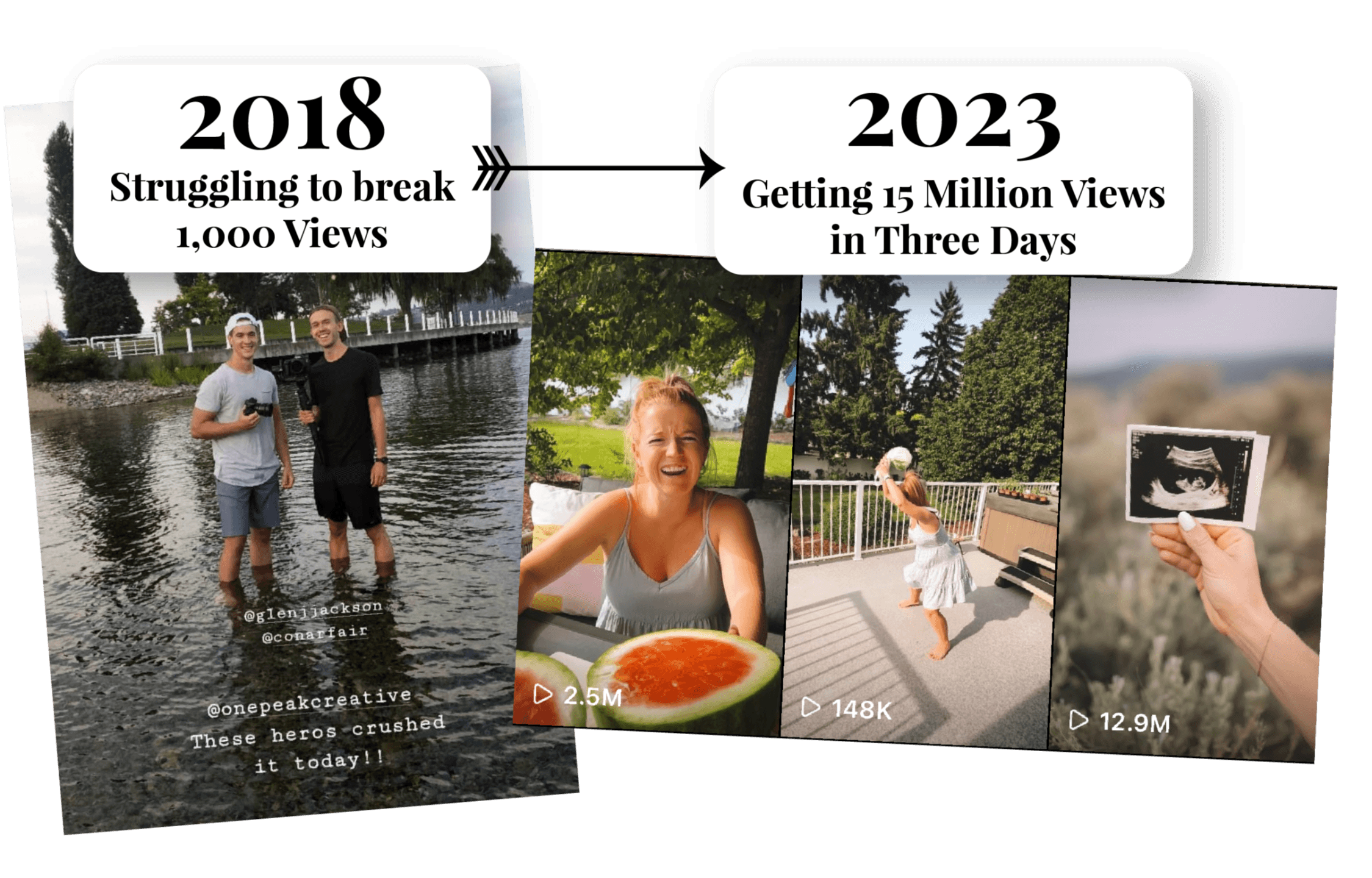
Creators don't struggle with hooks because they lack creativity. They struggle because they've been solving the wrong problem. The goal of a hook isn't to sound interesting. It's to make a specific viewer feel, within the first few seconds, that this video was made for them. The failure point is usually misdirected effort. A creator spends twenty minutes crafting an opening line that sounds dramatic or clever, then wonders why retention drops immediately after. According to Sean Cannell (seanTHiNKs), three key mistakes cause creators to struggle with video hooks:
- No strong hook in the first few seconds
- Not looking directly at the lens
- Trying to cover too many ideas in one video
That last one is underrated. When a video tries to serve everyone, the hook ends up speaking to no one clearly enough to hold them.
What a Hook is Actually Doing
A hook is a contract. It tells the viewer exactly what they'll get and implicitly promises that staying is worth their time. The moment that contract feels vague or inflated, the viewer exits. Not because they dislike the creator, but because their attention has real value and they're spending it carefully. Think of it like a store window: if what's displayed inside doesn't match what's on the shelf, people walk out fast.
Designing Structural Hooks for Audience Retention
Most creators handle this by writing the hook last, after the video is already structured, which sounds logical. But when the hook is disconnected from the video's actual opening minutes, it creates a gap between expectation and delivery that viewers feel immediately, even if they can't name it. Sean Cannell (seanTHiNKs) frames it simply: YouTube rewards clarity, connection, and focus in video hooks. Those three things aren't creative instincts. They're structural decisions made before filming begins.
Accelerating Hook Optimization Through Rapid Testing
Creators who test hooks consistently, rather than guessing from view counts alone, build a different kind of intuition. They start recognizing which openings create relevant curiosity versus hollow curiosity. Crayo's clip creator tool supports this by letting creators build and iterate on short-form video hooks quickly, removing the production friction that usually discourages testing. When the barrier to trying a new opening drops, the feedback loop tightens and improvement accelerates.
The truth is, going viral isn't a personality trait or a lucky break. It's a repeatable system, and the hook is where that system either starts working or quietly falls apart before the viewer ever reaches the value you built. What most creators don't realize yet is how much that quiet failure is actually costing them.
Related Reading
- Short Form Content Ideas
- Short Social Media Videos
- How To Make Videos For Social Media
- How To Increase Video Engagement
- Video Storytelling
- Social Media Content Ideas
- Emotional Hooks
- How To Get More Comments On Youtube
- YouTube Average View Duration
The Hidden Cost of Starting Videos With Weak Hooks

Quiet failure is expensive. Not because one video underperforms, but because the pattern repeats without the creator ever identifying where attention first broke. The real cost of a weak hook isn't a lower view count. It's the compounding effect of misdiagnosis. Creators often respond to underperformance by editing the middle, shortening the ending, or switching topics entirely. But when retention data shows a sharp drop in the first two seconds, none of those changes address the actual problem. The fix gets applied to the wrong part of the video, and the same failure happens again on the next upload.
Where Production Effort Goes to Waste
A video isn't just its opening, but every element that follows depends on viewers staying long enough to reach it.
- Research
- Scripting
- Voiceovers
- Captions
- Transitions
All exist downstream of the hook. If the opening fails, those hours of work never get seen. The creator who spends three hours perfecting an animation at the 45-second mark while their audience is leaving at second four has a prioritization problem, not a production problem. Effort distributed equally across a video ignores where attention is actually lost.
Aligning Hook Curiosity With Substantive Delivery
A common pattern surfaces across creators at every level: the hook that promises big but delivers small. "This secret will change your life" creates a pause, but if the content that follows is a tip the viewer already knows, the opening attracted the wrong kind of attention. Curiosity without payoff trains your audience to distrust your openings. The goal isn't maximum intrigue. It's relevant intrigue backed by content that earns it.
Most teams handle hook testing by generating completely different openings each upload, changing the topic, format, and structure simultaneously, which makes it nearly impossible to know which variable actually moved the needle. Crayo addresses this by letting creators produce multiple hook variations quickly, so testing becomes a controlled process rather than a new guess every time.
What Misdiagnosis Actually Looks Like
The failure point is usually invisible to creators who don't review retention curves before making changes.
- A sharp early drop signals a hook problem.
- A mid-video cliff signals a pacing or structure problem.
Treating both with the same response, cutting the video shorter or adding more effects, produces more content without producing better results. Creators who don't separate these two patterns spend more time editing and see less improvement, because they're solving for the symptom instead of the source.
Identifying the Point of Attention Breakdown
The question "what am I missing?" is one that creators ask after they've already changed everything except the right thing. That frustration is real, and it's recognizable. It comes from watching retention collapse in the first seconds of every upload while assuming the problem lives somewhere else in the video. Understanding where attention breaks is the diagnostic starting point, and until that's clear, every production decision is built on an unstable foundation. And once you know exactly where attention breaks, the next question becomes the one that actually moves results forward.
Related Reading
- How To Do Text To Speech On Tiktok
- Tiktok Retention Rate
- What Is Brainrot Content
- How To Make Brainrot Videos
- How To Create Pov Videos
- Long Form Video Content
- Tiktok Content Strategy
- Sludge Content
- How to Make TikTok Videos More Engaging
7 Ways to Make a Good Video Hook in 30 Minutes
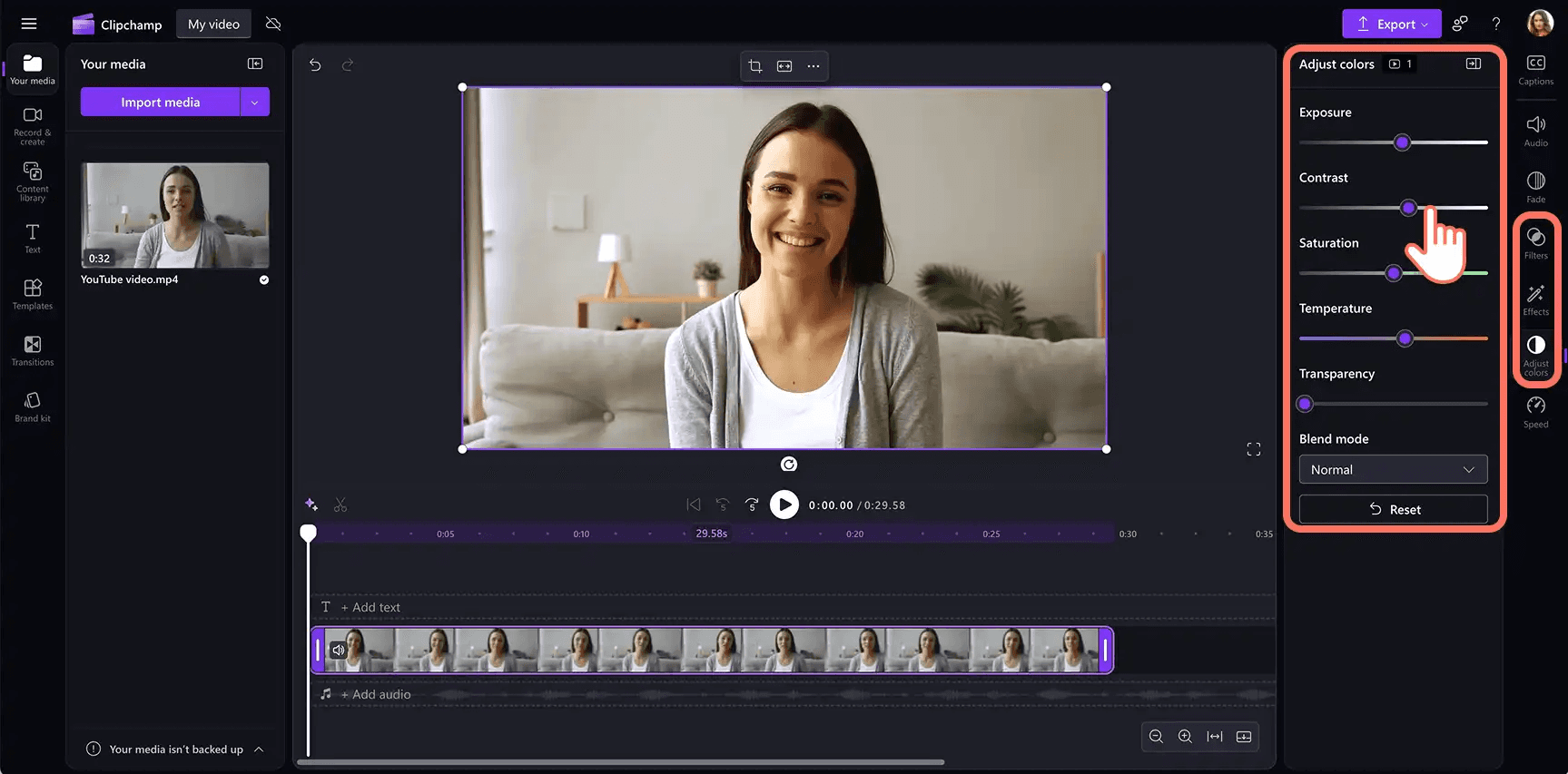
A good video hook gives the right viewer an immediate reason to keep watching. Not a dramatic explosion of energy, not a manufactured cliffhanger, just a precise signal that says: this video is for you, and it's worth the next few seconds of your attention. The seven techniques below are not formulas. They are structural decisions, each one designed to solve a specific failure point between your opening and your audience's decision to stay.
1. Start With the Viewer's Exact Problem
Generic hooks fail because they address everyone, which means they resonate with no one. Want to make better TikTok videos? is a topic, not a reason to stay. If viewers leave your TikTok after three seconds, check your opening; it identifies both the person experiencing the problem and the specific friction they recognize. That recognition happens before the viewer has consciously decided to engage. It's faster than logic. A common pattern across struggling channels is getting solid impressions but watching average view duration collapse around 20%. The clicks are there. The audience is arriving. But the hook isn't giving them a specific problem to recognize, so they leave before the video earns their attention.
2. Lead With the Result, Not the Backstory
Creators often build toward the payoff by explaining how they discovered something first. That structure asks viewers to invest time before they understand why the investment is worth it. Reverse it. Show the result, then explain how you got there. This hook kept viewers watching longer. Here's how I wrote it; works because the viewer sees the reward before being asked to sit through the explanation.
The sequence that holds attention moves as:
- Result
- Curiosity
- Explanation
Not context, more context, eventual payoff. Every second of setup before the value signal is a second the viewer is deciding whether to leave.
3. Build a Curiosity Gap With a Floor and a Ceiling
The curiosity gap has two failure modes.
- The first is no gap at all: you reveal everything in the opening and give the viewer no reason to continue.
- The second is a gap so wide it becomes vague: "You won't believe what happened to my channel" tells the viewer nothing specific enough to stay for.
The gap needs a floor and a ceiling. One sentence in your TikTok script could be causing viewers to leave because it gives the viewer enough to understand the topic, the stakes, and the category of solution, while leaving the specific answer unanswered. That missing piece is what pulls them forward. Curiosity without specificity is just noise.
4. Make the Promise Concrete With Numbers
Vague promises create vague motivation.
- "Here's how to make better videos" asks the viewer to imagine an undefined improvement.
- "Here are three edits that can make your next TikTok easier to watch" gives them a number, a timeframe implied by next, and a specific outcome.
That specificity reduces the mental effort required to decide whether to keep watching. According to the PlayPlay Blog, an effective video hook should run between 3 and 15 seconds. That's a tight window. Every word in that window needs to carry weight, which is exactly why concrete numbers and specific outcomes outperform broad promises. Precision signals respect for the viewer's time.
5. Use Visuals to Show the Problem, Not Just Describe It
Narration alone asks the viewer to imagine the problem. Video lets you show it. If the video is about poor retention, show the sharp early drop on an audience-retention graph while you describe it. If it's about caption readability, display the bad version before revealing the fix. The viewer stops imagining and starts seeing. This matters because a hook that pairs strong narration with visual evidence creates two simultaneous signals pointing at the same reason to stay. One reinforces the other. When only one channel is carrying the load, the hook is working at half capacity.
6. Keep the Hook's Promise Alive Through the Opening Minute
Most creators think about the hook as a standalone sentence. It isn't. It's the first commitment in a sequence. If the 30 seconds after your hook drift into unrelated setup or background context, the viewer feels the promise being abandoned, and they leave. The hook creates an expectation. Every sentence after it either confirms or breaks that expectation.
The test is simple: after writing your hook, ask whether the next section immediately moves toward delivering what the hook promised. If you find yourself explaining your process, your credentials, or your channel before delivering the value, you've already broken the contract. Cut the setup. Move directly to the evidence.
Unifying Hook Strategy With Opening Content
Most creators handle this by writing the hook last, treating it as a label for content that already exists. That approach works until the hook promises something the video's opening minute doesn't immediately support. Crayo is built around the idea that going viral is a repeatable process, not a creative accident, and part of that repeatability is treating the hook and the opening structure as a single unit rather than separate decisions made at different times.
7. Test Hooks Against Retention Data, Not Instinct
The hook that sounds best to you is not necessarily the one that holds your specific audience. Two structurally different hooks on similar topics can produce measurably different retention curves. A question-based hook and a problem-statement hook covering the same subject will often perform differently, and the only way to know which one works for your audience is to compare the retention data from both.
The pattern across creators who improve their hook performance consistently is not that they become more creative. It's that they replace guessing with evidence. They look at the first 15 seconds of their retention graph, compare it across videos with different opening structures, and gradually identify which structures hold their specific audience. That's not a creative process. It's a diagnostic one, and it compounds over time.
Match the Hook Structure to What the Video Needs to Accomplish
The seven techniques above are not interchangeable.
- A video built around a surprising result needs a different opening than a video built around a common mistake.
- A tutorial needs specificity and a clear deliverable.
- A story-driven video needs a tension point introduced early.
Choosing the wrong structure for the content type creates a mismatch between what the hook implies and what the video delivers.
Matching Hook Structures to Video Dynamics
The goal is not to find one hook template and apply it everywhere. It's to build enough familiarity with each structure that you can match the opening to the video's actual shape. That matching skill is what separates creators who iterate toward better retention from those who keep rewriting openings without understanding why some work and others don't. Once you have these seven structures in your toolkit, the next question is how to apply them quickly and consistently, and that's where the process gets surprisingly specific.
The 30-Minute Workflow to Create Better Video Hooks
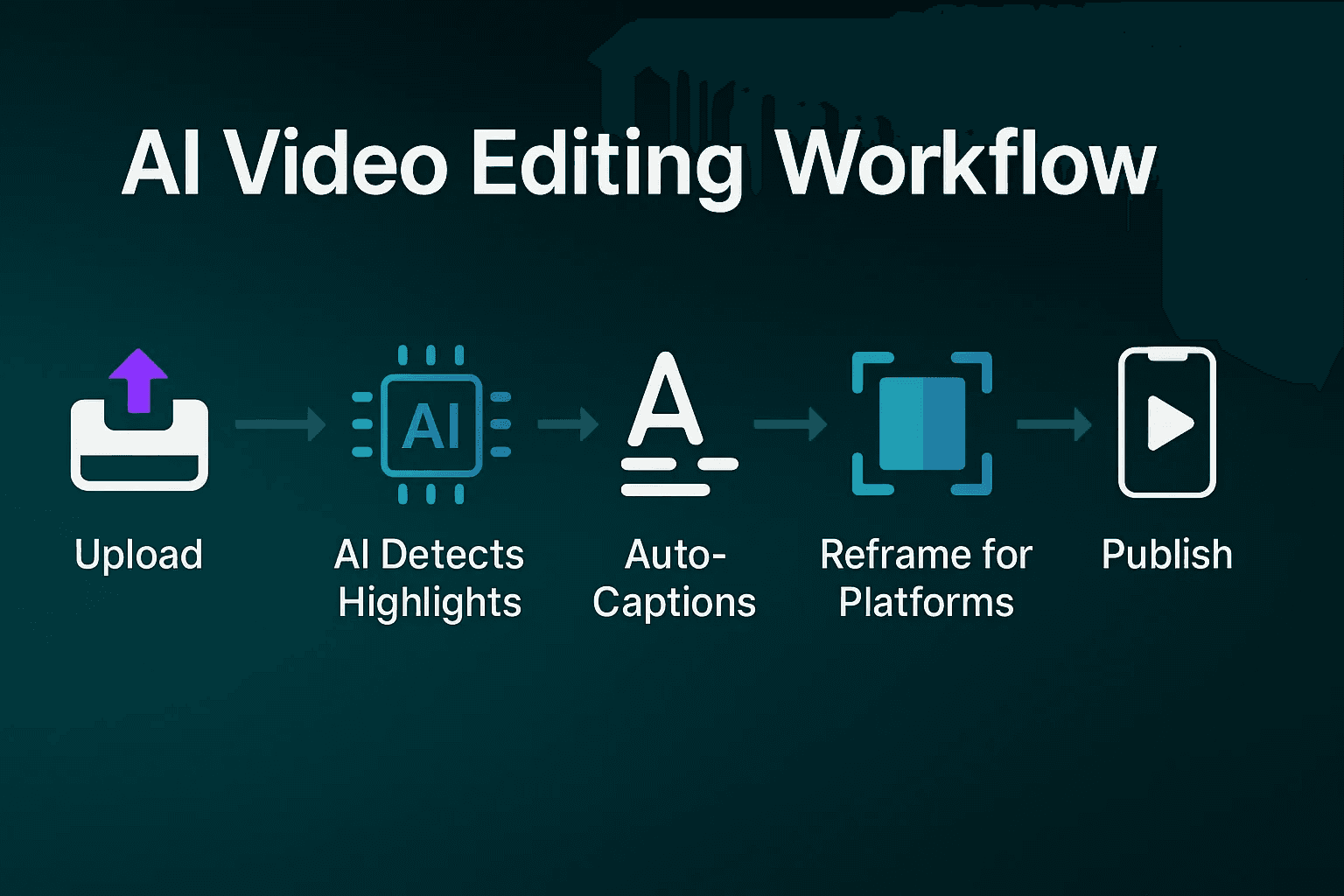
Rewriting every hook from scratch is the wrong reflex. The smarter move is to treat each video as a diagnostic opportunity, fix the specific attention problem you find, and publish something testable rather than something perfect.
Minute 0-5: Diagnose Before You Touch Anything
Pull up your most recent video alongside its audience-retention graph. You are not looking for a bad number. You are looking for the exact second viewers start leaving.
- If that drop happens in the first five seconds, the hook is the problem.
- If it happens at second eighteen, your introduction is running too long before delivering value.
These are different problems with different fixes, and conflating them is where most creators lose weeks of testing.
Diagnosing Specific Hook Retention Drops
Watch that opening segment again with one question in mind: what was the viewer waiting for when they decided to scroll? A hook that says "today I'm going to share some tips that helped me grow on TikTok" makes the viewer wait. It promises a journey without showing the destination. The specific moment that promise feels too vague is usually the exact frame where the retention graph dips. Your output from this five minutes is not a rewrite. It is one clearly named problem. Slow setup. Vague benefit. Hook that promises something the video never delivers. Name it precisely, because the fix depends entirely on which one it is.
Minutes 5-10: Match the Problem to the Right Fix
The failure point is usually a mismatch between what the hook implies and what the video actually does.
- A curiosity-gap hook will not fix a video whose real problem is that the payoff never arrives.
- A credibility hook will not help if viewers already trust you but cannot figure out why this specific video is worth their time.
Aligning Hook Adjustments to the Specific Diagnosis
The match matters more than the hook style.
- If the retention problem is a slow introduction, front-load the main value in the first sentence.
- If the opening is vague, lead with a specific viewer problem rather than a general topic.
- If the hook and the content feel disconnected, rewrite the promise to reflect what the video actually delivers rather than what sounds more compelling.
Each of these is a different lever, and pulling the wrong one produces a video that sounds better but performs the same.
Minutes 10-25: Write Three Variations, Then Build the Opening
Write three versions of the hook using different entry points into the same idea.
- A problem hook names what the viewer is experiencing.
- A question hook surfaces the gap between what they know and what they need.
- An outcome hook states what changes after they watch.
None of these is inherently stronger. The right one depends on which retention problem you diagnosed in the first ten minutes. The common pattern among creators who stall here is spending thirty minutes on one perfect sentence instead of ten minutes on three testable ones. Writing multiple versions is not indecision. It is the only way to see which structure fits the video's actual shape before you commit to it.
Selecting Hooks That Seamlessly Bridge to Content
According to the Renderly Blog, viewers decide whether to keep watching within the first three seconds of a video. That is not a window for setup or context. It is a window for a claim, a problem, or a result that makes the viewer feel the next thirty seconds are worth their attention.
Once you have three variations, read each one alongside the next fifteen to thirty seconds of your script. The hook that creates a promise the video cannot satisfy gets cut immediately, regardless of how good it sounds in isolation. The hook that flows naturally into the first piece of value, without requiring a transition sentence to bridge the gap, is the one worth building around.
Eliminating Production Friction for Rapid Hook Testing
Most creators handle the creation stage by rewriting the script, re-recording audio, and manually rebuilding the opening sequence each time they test a new hook. As that process repeats across multiple videos, it compresses production time and makes testing feel expensive. A clip creator tool like Crayo shortens the creation stage by generating the visual opening around your chosen hook quickly, so the gap between "I have a strong hook" and "I have a finished video" does not become the reason you stop testing.
Minutes 25-30: Set a Benchmark You Can Actually Use
- Record your current video's early retention rate
- Average watch time
- Completion rate before publishing the new version
These three numbers become your baseline. Without them, you are comparing a feeling to a data point, which is not a comparison at all. A one-time recommendation from a LinkedIn post summarizing a YouTube creator framework by Rajiv Lakshman puts it plainly: publish when a video is 85% good enough rather than waiting for perfection. The remaining improvement comes from what the retention data tells you after real viewers watch it, not from another round of self-editing before anyone has seen it.
Benchmarking Early Retention Against Channel Baselines
Compare the new video's early retention against your own similar content, not against a universal benchmark. A 70% retention rate at five seconds means something different on a tutorial channel than on a reaction channel. What you are building is a personal map of which hook structures consistently hold your specific audience's attention, and that map only becomes useful after several comparable tests.
The Process That Compounds
The workflow follows a clear sequence:
- Diagnose
- Match
- Create
- Connect
- Measure
Each step feeds the next. Each published video adds one more data point to a pattern that becomes harder to ignore over time. Creators who improve retention consistently are not more creative than those who do not. They change one variable at a time, measure the result, and carry the finding forward. That discipline turns a single good hook into a repeatable opening strategy, and a repeatable strategy into a channel the algorithm keeps recommending.
Create High-Retention Video Hooks Faster With Crayo
Speed is where most creators lose the compounding advantage. You can diagnose a retention problem, identify the right hook structure, and still spend three days rebuilding a script from scratch before you publish anything worth measuring. That gap between insight and output is where momentum dies. Crayo closes that gap directly. Instead of treating hook creation, scripting, voiceovers, captions, and video assembly as separate manual steps, the platform runs them together so you can move from a tested hook concept to a finished short-form video in a fraction of the time.
Accelerating Iteration Cycles to Drive Retention
The workflow you built through diagnosis stays intact. Crayo just removes the production drag that slows down how fast you act on what you learn. That speed matters because going viral is not a single event. It is a repeatable process built from fast cycles of creating, publishing, and measuring. The creators who improve retention consistently are the ones who can test a new hook direction this week, not next month.
Related Reading
• YouTube Hooks
• Brainrot Examples
• How To Make A Good Hook
• Scroll Stopping Hooks
• Viral Hooks For Instagram
• Pov Ideas For Tiktok
• Social Media Hooks
• Best Tiktok Hooks
• Best Video Format For Tiktok