

You've watched creators blow up overnight on TikTok, racking up millions of views while you're still figuring out where to start. Whether you're building a personal brand or searching for TikTok Content Ideas for Business, the platform's algorithm can feel like a mystery wrapped in a dance challenge. This article breaks down 5 actionable steps to become a TikTok creator and start gaining views within just 15 days, no guesswork required.
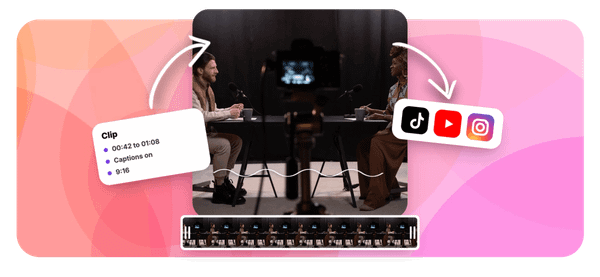
The fastest way to gain traction is by producing content consistently, but editing videos can eat up hours you don't have. That's where Crayo's clip creator tool changes the game, letting you generate polished, scroll-stopping clips in minutes instead of spending your entire day glued to editing software. When you can create more content in less time, you'll test different formats, discover what resonates with your audience, and hit that momentum needed to grow your following before two weeks are up.
Summary
- TikTok's algorithm rewards consistency and retention over viral luck, but 90% of new creators quit within the first 3 months, according to Mediamister's analysis of its platform. The pattern is predictable: beginners wait for perfect conditions, lose momentum during the preparation phase, and disappear before posting enough content to generate meaningful performance data.
- Nano creators with under 10,000 followers achieve 8 to 12% average engagement rates when content maintains thematic consistency, according to InfluenceFlow's 2025 creator metrics guide. Random subject shifts prevent the algorithm from categorizing content and stop viewers from understanding why they should follow, turning effort into scattered attempts that never compound into growth.
- Educational content achieves 60% or higher completion rates when videos focus on a single idea rather than compressing multiple concepts into a single clip. Multi-topic videos create confusion that drives viewers away and makes performance analysis impossible because creators can't identify which segment failed. Simple structure beats complexity every time when the goal is to keep attention through the final frame.
- The first three seconds determine whether content gets buried or amplified on TikTok. Videos that fail to generate immediate curiosity or tension receive reduced distribution because the platform prioritizes retention metrics over posting frequency. A single video with 80% watch time outperforms ten videos with 20% watch time, making hook quality more valuable than content volume.
- Daily posting without a performance review creates repetition without improvement. Growth requires studying three metrics after each video: average watch time, traffic source distribution, and follower conversion rate. These numbers reveal whether hooks held attention, whether the algorithm distributed content to the For You page, and whether viewers wanted more after watching.
Crayo's clip creator tool addresses the production bottleneck by compressing editing workflows from hours to minutes, letting creators test multiple hook variations and content formats fast enough to build feedback loops before momentum dies.
Why Beginners Struggle to Become TikTok Content Creators
Beginners struggle to become TikTok content creators because they overthink the process, rely on random ideas, and start without a clear system for creating and improving content. The result is hesitation, inconsistent posting, and slow growth.
According to Mediamister, 90% of new TikTok creators quit within the first 3 months, and the pattern is predictable:
- They wait for perfection
- Lose momentum
- Then disappear
Waiting for Perfect Conditions That Never Arrive
Most beginners delay their first post because they want everything to be right. They wait for the perfect idea, better equipment, or ideal lighting conditions. They over-edit their first videos, spending hours tweaking transitions and effects that viewers won't notice. This preparation feels productive, but it's actually procrastination in disguise.
Content creation improves through repetition, not endless preparation. The skills you need develop only after you've posted dozens of videos and learned what actually resonates.
Creating Without Direction or Consistency
Many beginners start posting without knowing what they want to say consistently. They switch topics frequently, try different niches randomly, and follow trends without understanding why those trends work. One week, they're posting cooking content, the next week it's fitness tips, then they pivot to comedy sketches.
This creates confusion for both the algorithm and potential followers. When your content direction shifts constantly, the platform can't figure out who to show your videos to, and viewers can't figure out why they should follow you.
Relying on Inspiration Instead of Systems
The familiar approach is waiting until creativity strikes before posting. Beginners scroll through other creators' content, hoping for inspiration; delay posting when ideas run out; and create only when they feel motivated.
A common pattern surfaces across failed creator journeys: they treat content creation like a hobby that depends on mood rather than a practice that depends on process. Mediamister reports that the average time to gain 1,000 followers is 6 to 12 months for beginners, but those who lack a system often never reach that milestone because their posting schedule collapses the moment inspiration fades.
Production Compression and Niche Discovery
When beginners stream or post without making additional content across platforms, they get lost in the ocean of creators with no traction. Creating content without a clear niche results in low views despite consistent effort.
Solutions like Crayo's clip creator tool compress the production cycle from hours to minutes with automated editing workflows, letting creators focus on developing their niche and message rather than getting stuck in technical complexity. The three-step workflow turns raw ideas into polished clips fast enough to test different formats and discover what resonates before motivation runs out.
Posting Without Analyzing or Improving
Some beginners believe that posting alone will lead to growth. They upload content without reviewing performance metrics, repeat the same mistakes across dozens of videos, and ignore patterns in what works and what doesn't. They never adjust their approach based on results. This creates effort without improvement.
You can post every day for months and still have the same small following if you're not learning from each video's performance. The difference between creators who grow and those who stall isn't in volume; it's in their willingness to study what the data reveals and adapt.
The Real Cost of Hesitation
The time beginners spend thinking about starting, searching for ideas, and delaying content creation adds up to weeks or months of lost momentum. Instead of building an audience and refining their voice, they stay stuck at the beginning. The problem isn't that beginners lack talent or ideas. It's that they don't have a clear system to start and improve. When you wait for perfection, lack direction, and rely on inspiration, you make content creation slower and harder than it needs to be.
But the hesitation and inconsistency are just symptoms of a deeper problem most creators never see coming.
Related Reading
- TikTok Content Ideas for Business
- What Does Content Under Review Mean on TikTok
- YouTube Shorts Ideas Without Showing Face
- Viral YouTube Shorts Ideas
- Why Is My Content Under Review on TikTok
- Creative Instagram Reels Ideas
- YouTube Shorts Content Ideas
- YouTube Shorts Ideas For Beginners
- How Long Can A Reel Be On Instagram
- Instagram Reels Ideas For Business
- What Does Promotional Content Mean on TikTok
- Instagram Reels Ideas For Beginners
- How Much Do Content Creators Make on TikTok
The Hidden Cost of Starting TikTok Without a Clear Strategy

Starting TikTok without a clear strategy feels like progress, but it leads to inconsistent views, wasted effort, and slow growth. The real cost isn't starting. It's starting without a system that improves your content over time.
When Every Video Feels Like Starting Over
Beginners create different types of videos without a pattern. One day it's a product demo, the next it's a trending dance, then a voiceover rant about industry news. Each video is a fresh experiment with no connection to the last. This approach mistakes variety for strategy. Without a consistent format or message, you can't tell what works because nothing repeats long enough to generate meaningful data. You're not building on previous attempts. You're restarting every single time.
The belief is that trying many things will help you grow faster. Experimentation feels like progress, so variety gets mistaken for strategy. But without a baseline, results can't be compared. According to research by Anders Ericsson on deliberate practice, improvement comes from structured repetition with feedback rather than random attempts. The cost isn't testing ideas. It's not knowing which ideas actually work.
Why Weak Hooks Kill Your Reach
Videos that don't hold attention get buried. TikTok's algorithm rewards retention above almost everything else. If viewers leave in the first three seconds, the platform shows your video to fewer people. Beginners often bury their point, start with slow introductions, or fail to create immediate curiosity. The hook isn't just the first line. It's the reason someone stops scrolling and stays.
Many creators believe that posting enough will eventually trigger a viral video. Frequency is seen as the main driver of growth. But on TikTok, retention drives reach. A single video with 80% watch time will outperform ten videos with 20% watch time. Short-form content performance is strongly linked to completion rate. The cost isn't low for posting frequency. It's low retention per video.
Effort Without Direction Doesn't Compound
Beginners spend time creating videos, editing content, and posting regularly. But without a strategy, mistakes repeat, and results stay flat. You might post every day for two months and still have the same small following because you're not learning from what the data reveals. Time spent doesn't automatically turn into skill. Repetition is confused with improvement, but improvement requires feedback, adjustment, and iteration.
Solutions like Crayo's clip creator tool compress the production cycle with automated editing workflows, letting creators test formats and hooks faster. The three-step workflow turns raw ideas into polished clips in seconds, removing the technical friction that slows down iteration. When editing takes minutes instead of hours, you can test three different hooks in the time it used to take to finish one video. That speed creates the feedback loop beginners need to discover what resonates before momentum dies.
The Audience You Can't Build
Without a strategy, content doesn't connect with a specific audience. You attract random viewers who don't follow because they can't predict what you'll post next. Growth requires a clear message, a defined audience, and consistent value. When your content shifts topic and tone constantly, engagement stays low. Posting is seen as enough to build an audience, but the platform and viewers both need clarity. The cost isn't a lack of content. It's a lack of connection.
But knowing the cost is only half the equation. What most creators miss is the path that turns effort into actual growth.
5 Steps to Become a TikTok Creator and Get Views in 15 Days

Growth doesn't require viral luck or waiting months for traction. It requires a repeatable system that builds momentum through clarity, attention, and feedback. These five steps create that system, designed to get you from zero to visible within 15 days by focusing on what actually drives reach: consistent value delivered to a specific audience.
1. Pick One Content Direction and Stay There
The first decision determines everything that follows. Choose a single focus area (TikTok growth tactics, productivity systems, beginner fitness routines) and commit to it for at least 30 videos. This isn't about limiting creativity. It's about giving the algorithm enough signal to understand who needs your content. When you post about marketing one day, cooking the next, then pivot to travel tips, the platform can't categorize you. Neither can viewers.
Thematic Consistency and Feedback Loop Acceleration
According to InfluenceFlow, nano creators with fewer than 10,000 followers achieve an average engagement rate of 8 to 12%, but only when their content maintains thematic consistency. Random topic shifts fragment your audience before it forms. Clarity attracts the right people. Confusion attracts no one.
Within 15 days, a clear direction lets you test variations of the same core message. You learn what language resonates, which angles grab attention, and which formats hold viewers. That feedback loop collapses when every video explores a different topic.
2. Open Every Video With a Hook That Stops the Scroll
The first three seconds decide whether your video gets buried or amplified. Most beginners waste this window with slow setups, generic greetings, or visual filler that doesn't create curiosity. Start with tension, a surprising claim, or a question that demands an answer. "You're wasting time on TikTok because you don't know this" works better than "Hey everyone, today I want to talk about TikTok strategy."
Hooks aren't manipulation. They respect attention. Viewers scroll fast, and your job is to give them a reason to stop. The difference between 20% retention and 60% retention often comes down to whether the first sentence creates immediate value or requires patience.
Hook Iteration and Algorithmic Momentum
Tools like Crayo's clip creator let you test multiple hook variations without having to rebuild entire videos. The automated workflow generates polished clips in seconds, so you can experiment with three different openings in the time it used to take to edit one. When production speed matches ideation speed, you discover what works before momentum dies. That's the advantage of creators with viral experience built into the tool itself: they removed the friction that stops most beginners from iterating fast enough to learn.
Within 15 days, strong hooks increase your average watch time, which signals the algorithm to push your content further. Better retention creates better reach. Better reach creates more data. More data refines your next hook.
3. Deliver One Clear Idea Per Video
Complexity kills completion rates. When you try to explain three concepts in 45 seconds, viewers get confused and leave. Each video should answer one question, solve one problem, or teach one tactic. "How to write better TikTok hooks" is focused. "How to grow on TikTok using hooks, hashtags, and posting times" is scattered.
Single-idea videos are easier to watch, remember, and share. They also give you clean performance data. If a video on hook structure reaches 70% completion and a video on hashtag strategy reaches 30%, you know which topic resonates. Multi-topic videos make that analysis impossible because you can't tell which part failed.
Singular Focus and Content Compounding
Educational content achieves 60% or higher completion rates when the structure stays simple and the message stays singular. Viewers finish what they understand. They abandon what feels overwhelming.
Within 15 days, focused videos build a content library where each piece serves a specific purpose. You're not creating filler. You're creating assets that compound.
4. Post Daily With a System That Removes Decisions
Consistency matters more than perfection, but consistency without a system leads to burnout. Decide your posting schedule in advance (one video per day works for most beginners), batch your content creation, and remove the daily decision of "what should I post today?" The goal isn't inspiration. It's repetition that creates skill.
Batch Production and Strategic Momentum
A simple system looks like this:
- Spend one hour on Sunday planning five video topics
- Record all five in one session
- Then post one per day
This removes the friction of starting from scratch every morning. You're not waiting for motivation. You're following a process.
Within 15 days, daily posting teaches you what the platform rewards faster than sporadic attempts ever could. You see patterns in what performs, adjust your approach mid-cycle, and build momentum that attracts followers who expect regular value.
5. Review Performance and Kill What Doesn't Work
Growth comes from feedback, not volume. After each video, check three metrics:
- Average watch time
- Traffic source (For You page versus profile visits)
- Follower conversion rate
These numbers tell you whether your hook held attention, whether the algorithm distributed your content, and whether viewers wanted more after watching.
Most beginners post without analyzing. They repeat weak formats because they never studied what failed. If five videos in a row get 15% watch time, something structural is broken. Maybe the hook is weak, the pacing drags, or the topic doesn't match what your audience wants. You won't know until you look.
Pattern Recognition and Compound Insight
Within 15 days, performance review becomes pattern recognition. You notice that videos under 30 seconds outperform longer formats, or that question-based hooks work better than statement-based ones, or that certain topics consistently drive profile visits. That insight compounds. Each new video benefits from everything you learned before it.
But understanding the steps is different from seeing how they connect into a workflow that actually builds traction.
Related Reading
- Instagram Reel Hook Ideas
- How To Create A Reel On Instagram
- Instagram Reel Caption Ideas
- Tiktok Content Ideas For Beginners
- Best Time To Post A Reel On Instagram
- Best Content For Tiktok
- How To Schedule A Reel On Instagram
- Best Content Strategy Tiktok
- How To Make Looping Content For Tiktok
- Ai Tools for TikTok Content Creation
- Instagram Story Vs Reel
The 15-Day Workflow to Become a TikTok Creator Consistently

Becoming a TikTok creator in 15 days isn't about viral luck. It's about following a structured workflow that removes guesswork, builds posting habits, and creates feedback loops fast enough to adjust before momentum dies. This system moves you from scattered attempts to intentional practice.
Days 1 Through 3: Build Your Content Foundation
The first three days eliminate confusion. Choose one content direction (productivity hacks, beginner fitness routines, TikTok growth tactics) and write it down. Then pick two or three repeatable formats that fit that direction. Examples: "Common mistakes in topic," "If you struggle with problem, try this," or "Three ways to achieve outcome." These formats become templates you can fill with different examples, not creative exercises that you have to restart from scratch.
Inventory Planning and Execution Separation
Next, generate seven to ten specific content ideas using those formats. Don't wait for inspiration. Treat this like inventory planning. If your direction is TikTok growth and your format is "common mistakes," your ideas might include "posting without checking analytics," "copying trends without context," or "changing niches every week." Write them in a list. You now have two weeks of content mapped before you've touched a camera.
This foundation matters because it separates execution from ideation. When you sit down to record on day four, you're not staring at a blank screen, wondering what to say. You're following a plan.
Days 4 Through 7: Start Posting Daily
Post one video per day starting on day four. Each video should open with a hook that creates immediate tension or curiosity, deliver one clear idea in under 60 seconds, and end with a simple call to action (follow for more, save this, or try it yourself). Don't overthink production quality. Clarity beats polish at this stage.
Focus on three things:
- Attention (does the hook stop the scroll)
- Clarity (can someone understand your point in one watch?)
- Consistency (did you post today)
If you miss a day, the algorithm resets your momentum. If your message is confusing, viewers leave before finishing. If your hook is weak, they never start watching.
Operational Speed and Creative Muscle Memory
The goal isn't perfection. It's building the muscle memory of creating and shipping daily. You're training yourself to move from idea to published video without hesitation. That speed matters more than any single video's performance because it accelerates how fast you learn what works.
Days 8 Through 10: Analyze What's Actually Working
Stop posting on day eight and review every video you've published. Check three metrics for each:
- Average watch time (how long people stayed)
- Traffic source (did this come from the For You page or your profile)
- Engagement rate (likes, comments, shares relative to views)
Write down which video performed best in each category.
Data-Driven Pruning and Audience Calibration
Look for patterns.
- Did videos under 30 seconds hold attention better than 45-second ones?
- Did question-based hooks ("Are you making this mistake?") outperform statement-based hooks ("Here's what I learned")?
- Did certain topics drive more profile visits or follower conversions?
These patterns reveal what your specific audience responds to, not what worked for someone else.
Remove weak ideas from your content list. If a topic got low watch time across multiple attempts, it's not resonating. If a format consistently underperforms, stop using it. This isn't failure. It's data telling you where to focus next. The creators who grow fastest aren't the ones who post the most. They're the ones who kill what doesn't work and double down on what does.
Days 11 Through 13: Repeat Winning Formats
Take your best-performing video and create three variations of it. If a "common mistakes" video about TikTok hooks got 70% watch time and strong engagement, make another about captions, another about posting times, and another about video length. You're not copying yourself. You're exploiting a format that your audience already proved they want.
Iterative Refinement and Format Mastery
Improve your delivery with each variation.
- Tighten the hook
- Cut unnecessary words
- Adjust pacing based on where viewers dropped off in the original
Small refinements compound when you're working from a proven structure. A 10% improvement in retention across 10 videos yields significantly more reach than a single perfect video surrounded by 9 mediocre ones.
The familiar approach is constantly searching for new formats and fresh angles. But growth comes from mastering one thing before moving to the next. When you find a format that works, exhaust it. Create 10 versions, then 20 versions, until performance starts declining or you've covered every relevant angle. Then move to your second-best format and repeat the process.
Days 14 Through 15: Optimize and Prepare to Scale
Spend the final two days refining execution details. Test different posting times (morning versus evening, weekday versus weekend) and track whether traffic sources shift. Experiment with variations on the same hook for the same topic. Try adding text overlays to emphasize key points, or removing them if they distract from your message.
Review your content list and add ten more ideas based on what you learned in the first 14 days. If tutorial-style videos outperformed opinion pieces, generate more tutorial ideas. If shorter videos held attention better, plan content that fits 20 to 30 seconds. Your next 15 days should build on patterns you've already validated, not restart the discovery process.
System Sustainability and Workflow Longevity
This is also when you decide whether your posting system is sustainable.
- If daily creation feels exhausting, batch-record three videos in one session and schedule them across three days.
- If ideation slows down, create a swipe file of hooks, topics, and formats you see working for others in your niche.
Sustainability beats intensity. You need a process you can maintain for months, not a sprint you abandon after two weeks.
What This Workflow Actually Fixes
Instead of overthinking what to post, you follow a format library. Instead of posting randomly and hoping for results, you create daily and analyze patterns. Instead of repeating mistakes because you never reviewed performance, you kill weak ideas and double down on proven ones.
The shift is from creator as artist waiting for inspiration to creator as operator running a feedback system. You're not guessing what might work. You're testing, measuring, and iterating based on real viewer behavior. That removes the emotional weight of each individual video and replaces it with the confidence that comes from the process.
System Repeatability and Creative Foundations
Within 15 days, you move from beginner to consistent creator. You have a content direction, a library of formats, a posting habit, and performance data showing what resonates. That foundation is worth more than any single viral video because it's repeatable. Viral moments fade. Systems compound.
But even the best system hits friction when production speed can't keep pace with ideation.
Become a TikTok Creator Faster With Crayo AI
The gap between knowing what to post and actually posting it comes down to production speed. When turning one idea into a finished video takes an hour of editing, testing three different hooks becomes a three-hour project that most beginners never start.
Drop your idea into Crayo AI, let it generate the hook and structure, and you'll have a ready-to-post TikTok in under ten minutes. That compression changes what's possible because you can now test, learn, and adjust faster than hesitation can build.
Turn Raw Ideas Into Viral Clips
No more recording multiple takes, writing scripts from scratch, or delaying content because nothing feels ready. The three-step workflow turns raw concepts into polished clips with automated subtitles, voiceovers, and editing, all built by creators who ran channels with over one million subscribers.
They built the tool to solve their own scaling problems, which means the system understands retention, pacing, and what actually holds attention. You're not learning software. You're using a system that already knows how viral content works.
Create Faster and Build Momentum
Consistency stops being hard when creation stops being slow. Batch five videos in the time it used to take to finish one, post daily without burning out, and build the content library that turns effort into traction. Becoming a creator isn't about waiting to feel ready. It's about creating fast enough that momentum replaces doubt.
Related Reading
- Tiktok Content Ideas Without Showing Face
- Tiktok Content Creation Tips
- Best Social Media Content Creation Tools
- Later Alternative
- Sprout Social Alternative
- Buffer Alternative
- Ai Tools For Social Media Content Creation
- Hootsuite Alternative
- ContentStudio Alternatives