

Short-form video has changed how businesses connect with their audience, and if you've been exploring TikTok content ideas for business, you already understand the power of quick, engaging clips. YouTube Shorts offers the same opportunity to capture attention in seconds, but many creators struggle to find content that actually drives views. This article reveals 7 proven YouTube Shorts content ideas that can help you gain traction within just 15 days, using strategies that work across all short-form platforms.
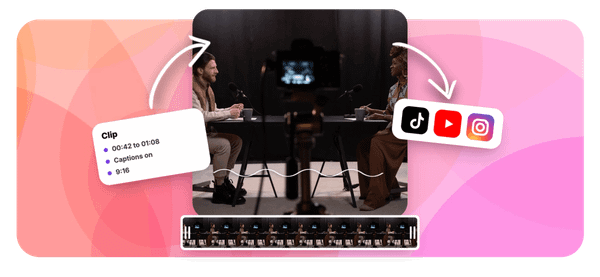
Creating consistent, high-quality Shorts can feel overwhelming when you're managing multiple aspects of your business. That's where a clip creator tool like Crayo becomes useful, helping you produce attention-grabbing short-form videos without spending hours editing or brainstorming fresh angles. With the right approach to viral video formats, trending topics, and audience engagement strategies, you'll discover how to turn simple ideas into view-generating content that builds your presence on YouTube's fastest-growing feature.
Summary
- Beginners fail on YouTube Shorts by treating the format like traditional YouTube videos, prioritizing information over instant attention. Maintaining an average view duration of 45+ seconds is critical for algorithmic performance, but most viewers decide within the first 3 seconds whether to stay.
- Posting without structural consistency prevents you from identifying what drives retention. When your hook changes every video and your pacing shifts randomly, you can't tell if low performance stems from weak content or a mismatched format. Only 1 to 3% of Shorts go viral organically, and without control variables in your testing, you're experimenting without learning.
- Speed compounds learning faster than perfectionism at the beginner stage. Creators who spend 40 minutes adjusting transitions and delay posting for perfect lighting trade velocity for polish, but volume teaches faster than quality when you need repetitions to spot what resonates. Daily posting generates performance data that reveals patterns (which hook styles outperform others, which topics drive shares, which pacing increases completion), while perfectionism keeps insights buried in unproduced concepts.
- Proven formats eliminate guesswork by grabbing attention in the first second and holding viewers through to the end. Mistake-based Shorts trigger immediate self-assessment, quick tips trade depth for speed, and before-and-after transformations prove change is possible.
- The 15-day workflow turns daily posting into a pattern-recognition system by building a feedback loop instead of relying on algorithmic luck. Picking two formats and defining your niche with precision (e.g., YouTube Shorts growth for service businesses, not generic growth tips) lets you vary one element while keeping the others constant, isolating what drives performance.
Crayo's clip creator tool addresses this by compressing the production process from concept to published video in under ten minutes, automating script structure, voiceover generation, and caption syncing, so creators can test more concepts and gather retention data faster than production bottlenecks allow.
Table of Contents
- Why Beginners Struggle to Get Views on YouTube Shorts
- The Hidden Cost of Posting Shorts Without a Viral Strategy
- 7 YouTube Shorts Content Ideas to Get Views in 15 Days
- The 15-Day Workflow to Get Views on YouTube Shorts Consistently
- Create YouTube Shorts Faster With Crayo AI
Why Beginners Struggle to Get Views on YouTube Shorts
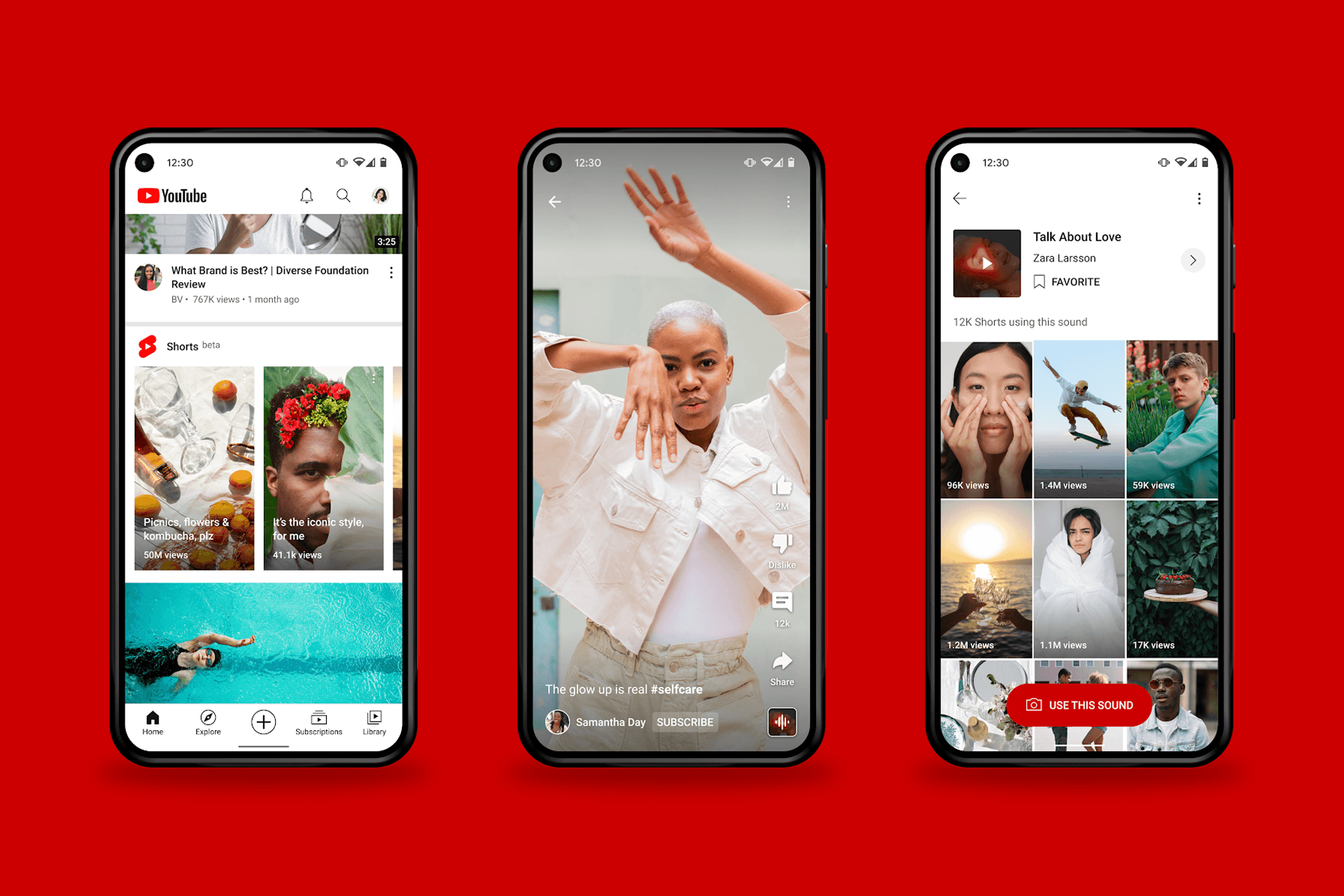
Beginners fail to get views on YouTube Shorts because they treat the format like regular YouTube videos. They prioritize information over attention, assume good content will naturally find an audience, and post without understanding how retention signals drive algorithmic distribution. The result is content that gets uploaded but never pushed.
The First three Seconds Decide Everything
Your hook determines whether someone keeps scrolling or stops. According to Tubics, maintaining an average view duration of 45+ seconds is critical for algorithmic performance, but most viewers decide whether to stay within the first moment. Beginners waste those crucial seconds with introductions, context, or slow builds. They say, "Hey guys, in today's video I'm going to show you..." while viewers are already gone. The algorithm registers that drop as a signal that your content doesn't hold attention, and distribution suffers before your actual value even appears.
Random Content Creates Algorithmic Confusion
Posting whatever feels interesting that day trains the algorithm to send mixed signals about your channel. One day you post a product review, the next a motivational quote, then a tutorial. The platform can't identify your audience because you haven't defined one through consistent content patterns. Many creators believe experimentation means trying completely different topics, when real growth comes from testing variations within a focused niche. Without thematic consistency, even your best-performing Short struggles to build momentum because the algorithm doesn't know who to show it to next.
Structure Determines Completion Rate
Shorts that meander lose viewers before the payoff. Beginners often pack multiple ideas into a single video, believing that more value equals better performance. The opposite happens. When viewers sense that a video will take too long to reach the point, they leave. A Short that promises three tips but takes 40 seconds to deliver the first one signals poor pacing. The platform tracks how many people watch to the end, and low completion rates directly reduce how widely your content gets distributed. Structure isn't about creativity; it's about respecting the format's speed requirement.
Perfectionism Kills Momentum
Trying to make every Short flawless before posting slows your learning cycle to a crawl. You record five takes, spend an hour on color grading, and delay publishing because the lighting isn't quite right. Meanwhile, creators who post daily with decent quality are gathering data about what actually resonates.
Prioritizing Output Velocity and Algorithmic Feedback
Tools like Crayo help compress production time by automating subtitles, voiceovers, and editing workflows, letting you focus on testing content angles rather than technical polish. Speed matters more than perfection at the beginner stage because you need volume to identify patterns that work. The platform rewards creators who understand its signals, not just those who make good content. But knowing what drives those signals requires understanding how the algorithm actually evaluates and distributes your Shorts.
Related Reading
- TikTok Content Ideas for Business
- What Does Content Under Review Mean on TikTok
- YouTube Shorts Ideas Without Showing Face
- Viral YouTube Shorts Ideas
- Instagram Reels Content Ideas
- Why Is My Content Under Review on TikTok
- Creative Instagram Reels Ideas
- YouTube Shorts Ideas For Beginners
- How Long Can A Reel Be On Instagram
- Instagram Reels Ideas For Business
- What Does Promotional Content Mean on TikTok
- Instagram Reels Ideas For Beginners
- How Much Do Content Creators Make on TikTok
- Instagram Reels Content Ideas
The Hidden Cost of Posting Shorts Without a Viral Strategy

Posting without a system doesn't just slow your growth; it also undermines your credibility. It hides what actually works. Every video becomes an isolated experiment with no baseline to measure against, no pattern to refine, no feedback loop to accelerate learning. You're not building momentum. You're resetting every time you hit publish.
Inconsistent Formats Create Invisible Ceilings
When your hook changes every video, your pacing shifts randomly, and your delivery style varies by mood, you can't identify what drives retention. One Short opens with a question, the next with a stat, and another with a visual gag. The variety feels productive, but it eliminates your ability to A/B test effectively. According to YouTube Shorts 2025: Insider Tricks for Maximum Results, only 1-3% of Shorts go viral organically. Without structural consistency, you can't tell if low performance stems from weak content or a mismatched format. The cost isn't experimentation. It's experimenting without control variables.
Retention Design Determines Who Sees Your Content
Most creators post and hope the algorithm notices. They don't engineer the first three seconds for pattern interrupts, structure the middle for pacing, or design endings that trigger replays. Research from Tubics indicates that a 15%+ replay rate signals strong content to the platform. If your Shorts don't earn rewatches, distribution stalls regardless of how often you post. The algorithm doesn't reward effort. It rewards signals that viewers find your content worth repeating. Without intentional retention mechanics (visual hooks, curiosity gaps, payoff timing), you're asking the platform to promote content it can't verify holds attention.
Time Spent Editing doesn't Correlate With Reach
You film six takes to nail the lighting. You spend 40 minutes adjusting transitions. You delay posting because the thumbnail isn't perfect. Meanwhile, creators using tools like Crayo generate polished Shorts in seconds, with automated subtitles, voiceovers, and editing workflows, freeing them to test three concepts in the time it takes to perfect one. Speed compounds learning. When you post daily, you gather performance data that reveals patterns (this hook style outperforms that one, these topics drive shares, this pacing increases completion). Perfectionism trades velocity for polish, but at the beginner stage, volume teaches faster than quality because you need repetitions to spot what resonates.
No Feedback System Means Repeating Invisible Mistakes
Posting without analyzing why a Short succeeded or failed turns your channel into a guessing game. You don't track which hooks held attention past five seconds, which topics drove the highest completion rates, or which calls to action generated follows. The pattern that could 10x your next video stays buried in unexamined analytics. Improvement requires closing the loop between action and outcome. When you post, review retention graphs, note what worked, then apply that insight to the next Short, you create a compounding system. Without it, effort doesn't accumulate into expertise.
7 YouTube Shorts Content Ideas to Get Views in 15 Days
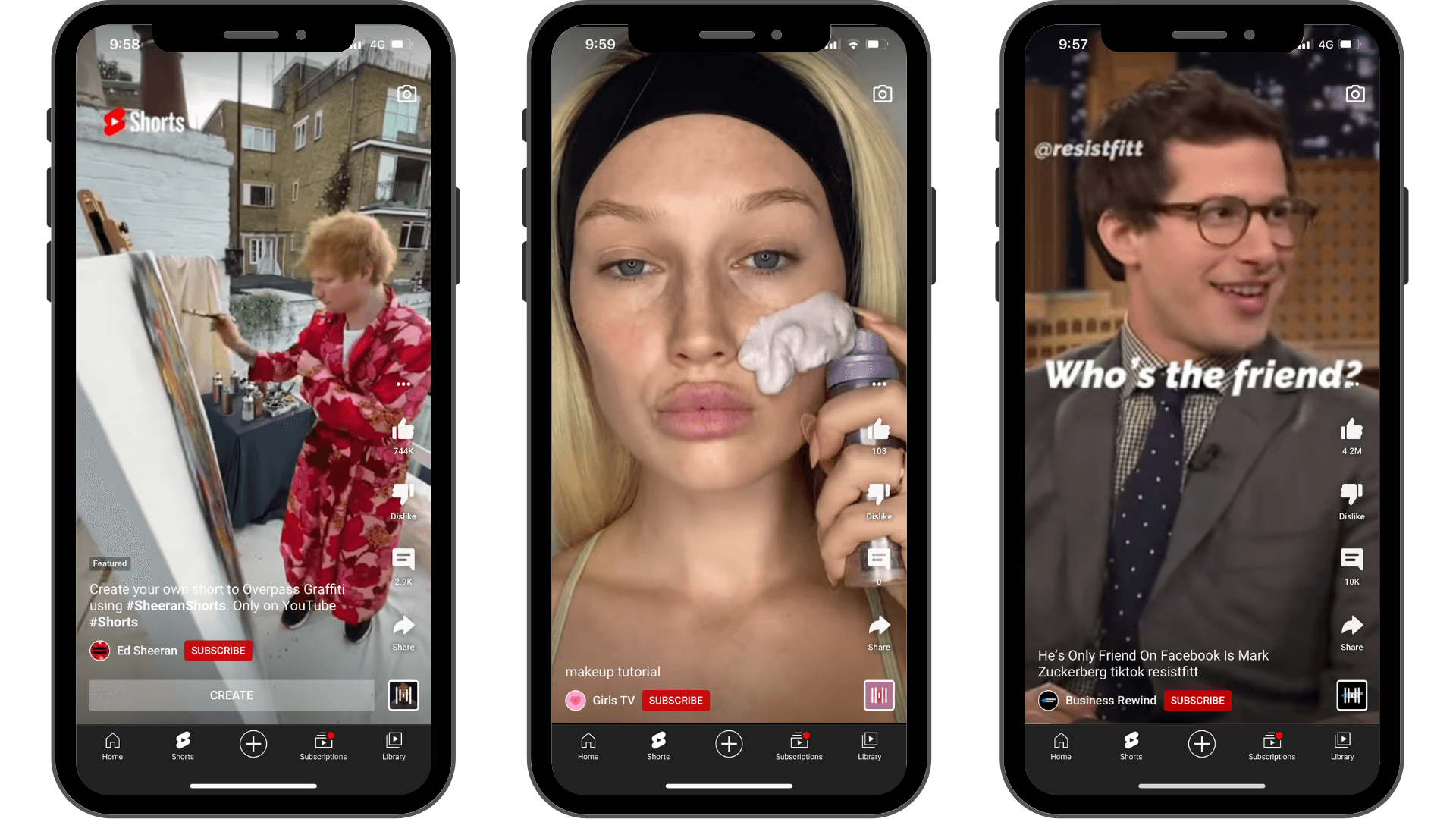
1. Mistake-Based Shorts Expose What Viewers Fear They're Doing Wrong
Start with a problem your audience didn't realize they had. Three mistakes are killing your Shorts views work because they trigger immediate self-assessment. Viewers stay to see if they're guilty, and that curiosity keeps them watching past the critical first five seconds. The format creates a natural completion loop (you can't leave until you know all three mistakes), which drives the watch-through rate the algorithm rewards.
The structure is simple:
- Name the mistake
- Show the consequence
- Hint at the fix
You're not teaching a full solution. You're creating tension that makes stopping feel incomplete. Creators often waste this format by front-loading disclaimers or soft-pedaling the stakes. State the mistake bluntly in the first three seconds, then prove why it matters.
2. Quick tip: Shorts Trade Depth for Speed
One actionable insight delivered in under 30 seconds beats a thorough explanation that loses half your viewers. "If your Shorts aren't getting views, do this" works because the promise is immediate and the payoff is fast. You're not building a case. You're handing someone a tool they can use today. The mistake most creators make here is adding context. They explain why the tip works, who it's for, and when to use it. That explanation costs retention. Viewers came for the answer, not the reasoning. State the tip, show it in action if possible, then end. The brevity itself signals value because it respects their time.
3. Before and After Shorts Prove Transformation is Possible
Show the problem state, then the solved state. Zero views versus after fixing this one thing works because transformation creates curiosity about the method. Viewers stay to learn what changed between the two states. The format works across niches (fitness, design, analytics, productivity) because the structure is universal, even when the content isn't. The gap between before and after is where retention lives. If the transformation feels too easy, viewers assume it won't work for them. If it feels too complex, they leave before you explain. The sweet spot is showing a meaningful change that required one clear adjustment. That balance makes the outcome feel both significant and achievable.
4. Hook plus reveal Shorts weaponize curiosity gaps
Open with a claim that demands proof. This is why your videos aren't getting views: it creates a knowledge gap that viewers need to be filled. The entire middle section exists to delay the answer just long enough to maximize watch time without frustrating the audience. You're engineering the pacing around retention, not information delivery. According to ShortGenius Blog, YouTube Shorts can get views within 15 days when structured correctly, but only if the format holds attention throughout. The reveal needs to justify the wait. If your answer feels obvious or underwhelming after a 40-second buildup, viewers feel tricked, and your replay rate collapses. The hook creates the promise. The reveal has to deliver equivalent value.
5. List-based Shorts create natural progression points
Breaking content into numbered segments (Three ways to grow on YouTube Shorts) gives viewers mental checkpoints that reduce drop-off. Each point feels like a small completion, which keeps them engaged long enough to reach the next one. The format works because it sets clear expectations (you know there are three points) and delivers predictable pacing (each point gets roughly equal time). The structure fails when the points aren't parallel. If point one takes 15 seconds and point two takes 35, pacing breaks and viewers leave. Keep each segment tight and equivalent. The goal isn't to teach everything about each point. It's to maintain momentum across all three, so viewers reach the end.
6. Trend Plus Value: Shorts Borrow Existing Traffic
Using a trending sound or format gives you access to an audience already engaged with that pattern. But the trend alone isn't enough. You need to attach insight or utility that makes your version worth watching beyond the familiarity. The trend gets you discovered. The value gets you remembered. Most creators either copy trends without adding anything or bury their insight so deeply that viewers leave before reaching it. The balance is introducing your angle within the first five seconds while the trend is still recognizable. You're not choosing between trend and value. You're layering value onto a structure people already want to watch.
7. Loop-based Shorts Turn Endings Into Beginnings
Design your Short so the last frame connects back to the first, creating a seamless repeat. The ending might pose a question that the beginning answers, or show a result that the opening promised. When viewers replay, the algorithm interprets that as strong engagement and pushes your content further. Many creators using tools like Crayo generate Shorts quickly with automated editing workflows, freeing them to focus on structural design, such as loops, rather than technical execution. The loop itself needs to feel intentional, not gimmicky. If the repeat adds nothing (just the same content cycling), viewers recognize the trick and stop engaging. But when the loop reveals new context or creates a satisfying rhythm, replays become genuine rather than accidental.
Why do These Formats Compound When Used Together
Each structure solves a specific retention challenge.
- Mistakes trigger curiosity.
- Tips deliver speed.
- Transformations prove the possibility.
- Hooks delay gratification.
- Lists create checkpoints.
- Trends borrow attention.
- Loops earn replays.
When you rotate through these formats instead of inventing new ones daily, you're testing variables within proven frameworks rather than guessing in the dark. Consistency isn't about posting the same type of content forever. It's about giving the algorithm enough pattern recognition to understand your audience while giving yourself enough structure to identify what actually drives performance. You're not limiting creativity. You're channeling it into formats that already clear the first hurdle: getting people to watch.
Related Reading
- Instagram Reel Hook Ideas
- How To Create A Reel On Instagram
- Instagram Reel Caption Ideas
- Tiktok Content Ideas For Beginners
- Best Time To Post A Reel On Instagram
- Best Content For Tiktok
- How To Analyze Tiktok Video Content
- How To Schedule A Reel On Instagram
- Instagram Story Vs Reel
- Best Content Strategy Tiktok
- How To Make Looping Content For Tiktok
- Ai Tools for TikTok Content Creation
The 15-Day Workflow to Get Views on YouTube Shorts Consistently
Getting views on YouTube Shorts in 15 days isn't about hoping the algorithm notices you. It's about creating a feedback system that turns daily posting into a pattern-recognition process. You're not waiting for luck. You're building a machine that learns what works by testing, measuring, and iterating faster than confusion can slow you down.
Days 1-3: Build Your Constraint Framework
Pick two formats from the seven structures covered earlier. Not five. Not ten. Two. A mistake-based Short and a quick tip format, or a before-and-after paired with a hook-reveal. The limitation forces you to compete on execution rather than variety. Write seven content ideas within those formats. Not topics. Ideas structured around the format's retention mechanics. "Three mistakes killing your Shorts views" is an idea. "Why Shorts don't work" is a topic. The difference is specificity.
Isolating Performance Through Niche Precision
Define your niche with the same precision. "Growth tips" is too broad. "YouTube Shorts growth for service businesses" gives the algorithm a target to aim for. When you post randomly across subjects, the platform can't identify who wants your content. Creators often confuse experimentation with chaos. Real testing happens when you vary one element (hook style, pacing, visual treatment) while keeping the niche and format constant. That's how you isolate what drives performance.
Days 4-7: Speed Beats Polish in the Data Collection Phase
Post one Short daily. Not when it feels perfect. Not after the fifth take. Daily. The goal isn't virality. It's gathering retention data across different hooks, topics, and delivery styles within your chosen formats. Your first week teaches you which openings hold attention past three seconds, which topics drive completion, and which calls to action generate follow-up. None of that learning happens if you're still perfecting video two while competitors post seven.
Maximizing Distribution Through Direct Pattern Interrupts
Focus your hook on a pattern interruption, not on an introduction. "Stop doing this if you want views" works. "Hey everyone, today I want to talk about views. The first three seconds either justify the scroll stop or they don't. Everything after that moment is wasted if the opening fails. Many creators delay the value proposition because they're uncomfortable being direct. The discomfort costs them distribution.
Optimizing Completion Rates Through Single-Insight Focus
Keep videos focused on one insight delivered fast. When you try to pack three tips into 45 seconds, pacing collapses, and viewers leave before reaching tip two. The algorithm tracks completion rate. A 60-second Short that 30% of viewers finish outperforms a 30-second Short that 60% complete because total watch time signals value. But a 60-second Short that loses half the audience at the 20-second mark because you meander tells the platform your content doesn't respect attention.
Days 8-10: Let the Data Tell You What to Repeat
Check which videos held viewers longest. Look at retention graphs, not just view counts. A Short with 500 views and 70% average view duration teaches you more than one with 2,000 views and 25% retention. The first audience stayed because something worked. The second audience left because something failed. Your job is to identify the difference. Compare hooks across your posted Shorts.
- Did question-based openings outperform statement-based ones?
- Did showing the problem before the solution increase completion rates compared to leading with the answer?
Iterative Refinement Through Performance Analysis
Small pattern differences compound when you apply the insight to every subsequent video. Creators who skip this analysis keep producing content in the dark, wondering why effort doesn't translate to growth. Then adjust. If mistake-based Shorts outperformed quick tips, shift your next three videos toward that format. If a specific topic (retention tactics versus hook strategies) drove higher engagement, create variations exploring that angle. You're not abandoning the other format. You're allocating more repetitions to what's already clearing the attention threshold.
Days 11-13: Double Down Without Duplicating
Focus exclusively on your top-performing format and topic combination. Create three Shorts that use the same structure with different specific examples. If "Three mistakes killing your views" worked, follow with "Three editing mistakes tanking retention" and "Three hook mistakes stopping clicks." The format stays consistent. The insight shifts just enough to avoid repetition while keeping the retention mechanics identical.
- Improve clarity in each iteration.
- Tighten the script.
- Reduce unnecessary words.
- Make the visual match the verbal point faster.
When you post the same format repeatedly, small refinements become visible because everything else stays constant. You're A/B testing delivery within a proven structure, which accelerates improvement faster than testing entirely new concepts.
Accelerating Retention Through Automated Iteration
Creators using platforms like Crayo compress this iteration cycle by automating subtitle generation, voiceover syncing, and editing workflows. Instead of spending 40 minutes per video on technical execution, they test three script variations in the same window. Speed matters here because each iteration teaches you something about pacing, word choice, or visual timing that the previous version missed. The faster you cycle through iterations, the faster those micro-improvements add up to measurable improvements in retention.
Days 14-15: The Engineer Retention Signals the Algorithm Rewards
Refine your hooks until they create immediate curiosity or tension. "This is why your Shorts fail" works better than "I'm going to explain why Shorts fail" because it eliminates the buffer between promise and payoff. Test removing the first five seconds of your video. If nothing essential disappears, your actual hook starts too late.
Maximizing Distribution by Eliminating Mid-Roll Friction
Shorten sections that don't advance the core insight. Every second that doesn't add new information or build tension toward the payoff costs you completion percentage. According to Shortimize Team, YouTube Shorts generate 200 billion daily views, but only content that holds attention long enough to signal value gets pushed into that massive distribution pool. Trimming weak middle sections often lifts completion rates more than improving the hook because you're removing the moment viewers would have left.
Enhancing Engagement Through Strategic Narrative Loops
Add loop-style endings that connect back to the opening or pose a question that the beginning answers. When the last frame makes viewers want to rewatch, the algorithm interprets that replay as strong engagement. The loop can't feel gimmicky. If rewatching adds no new context or satisfaction, viewers recognize the trick, and your replay rate stays flat. But when the ending reframes the opening or reveals why the hook mattered, replays become genuine.
What Separates Systems From Hoping
Posting randomly means every video is an isolated bet. You don't know if low views stem from weak content, poor timing, wrong format, or algorithmic confusion about your audience. A system removes those variables. You're testing one element at a time within a controlled structure, which means each result teaches you something actionable rather than leaving you guessing. Daily posting without analysis just creates volume. Daily posting with a performance review creates a feedback loop. You see that question hooks outperform statement hooks by 15%. You notice that videos under 35 seconds are completed at higher rates than 50-second versions. You identify that certain topics drive shares while others don't.
Systematizing Growth Through Intentional Momentum
Those insights compound when you apply them to the next video, then the next, building momentum that randomness never generates. The workflow fixes the gap between effort and outcome. Instead of working harder on content that might not resonate, you're working smarter on content structures that already passed the first retention test. Growth stops feeling like luck when you can trace performance back to specific choices you made about format, pacing, and topic focus. But speed only compounds when the production process doesn't become the bottleneck.
Create YouTube Shorts Faster With Crayo AI
The bottleneck isn't your ideas. It's the friction between concept and published video. When production takes longer than distribution testing, you're optimizing the wrong variable. You need to compress the time from script to post so you can run more experiments, gather more retention data, and identify what actually works before momentum dies.
Drop Your Idea and Let the System Build the Structure
Most creators stare at blank scripts, wondering how to open, what to say next, and where to place the payoff. That hesitation costs hours across a week of content. Platforms like Crayo eliminate that friction by generating hooks and structured scripts from your core idea, turning "I want to make a Short about retention tactics" into a formatted script with a pattern-interrupt opening and timed payoff in seconds. You're not wrestling with structure anymore. You're reviewing, refining, and moving to production while others are still outlining. The shift matters because speed determines how many concepts you test in 15 days. Three ideas fully produced beat seven ideas stuck in draft. When the tool handles formatting, you focus on whether the insight itself is strong enough to hold attention, not whether your sentence structure flows correctly.
Turn Scripts Into Voiceovers Without Recording Fatigue
Recording five takes because your pacing felt off or your tone didn't match the urgency of the hook drains energy that should go toward testing the next concept. Automated voiceover generation converts your script into clean audio instantly, letting you hear how the content sounds without the friction of performance anxiety or technical setup. If the pacing needs adjustment, you edit the script and regenerate rather than re-recording from scratch. Creators who post daily can't afford to spend 20 minutes on audio alone per video. When voiceover becomes a one-click step rather than a multi-take process, production speed no longer limits how many Shorts you can test in a week. The quality stays consistent because the system handles delivery while you focus on whether the words themselves create the retention mechanics that matter.
Add Captions Instantly So Accessibility Doesn't Slow You Down
Captions aren't optional anymore. Viewers scroll with sound off, and the algorithm rewards content that holds attention regardless of audio. Manually typing and timing captions for a 45-second Short takes longer than filming it. Automated subtitle generation syncs text to your voiceover in seconds, letting you export a fully captioned Short without the tedious back-and-forth of placement and timing adjustments. When captions are no longer a separate task, they stop being a reason to delay posting. You're not choosing between accessibility and speed. You're getting both because the system removed the tradeoff.
Optimizing Discovery Through Workflow Compression
Getting views isn't about working harder on each individual Short. It's about removing every step that doesn't directly improve the idea itself. When the process compresses from concept to published video in under ten minutes, you're not just saving time. You're creating the conditions for real learning, because the faster you post, test, and analyze, the faster you discover what your audience actually wants to watch.
Related Reading
- Tiktok Content Ideas Without Showing Face
- Tiktok Content Creation Tips
- How to Become a Content Creator on TikTok
- Best Social Media Content Creation Tools
- Later Alternative
- Sprout Social Alternative
- Buffer Alternative
- Ai Tools For Social Media Content Creation
- Hootsuite Alternative
- ContentStudio Alternatives