

You've seen short form videos dominate social media, and if you're exploring TikTok content ideas for business, you already know that Instagram Reels offer the same explosive potential to reach your audience. The challenge? Creating Reels that actually get views, engagement, and conversions without spending weeks figuring out the algorithm. This guide breaks down seven practical steps to help you create Instagram Reels that gain traction in just 15 days, whether you're repurposing content from other platforms or starting fresh with video editing, music selection, and storytelling techniques that work.
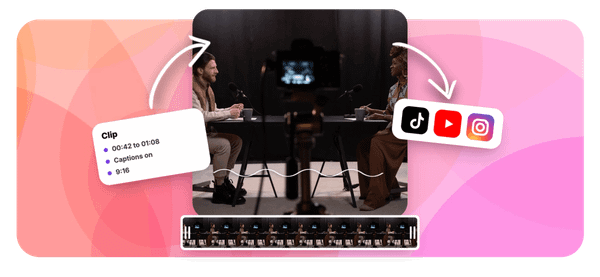
What if you could skip the steep learning curve and produce scroll stopping Reels without mastering complicated editing software? That's where a clip creator tool like Crayo becomes your shortcut to consistent content. Instead of wrestling with transitions, captions, and formatting for hours, you can focus on what matters: your message, your brand voice, and building genuine connections with your followers through compelling short form content that drives real results.
Table of Contents
- Why Beginners Struggle to Create Instagram Reels That Get Views
- The Hidden Cost of Creating Reels Without a Clear Process
- 7 Steps to Create Instagram Reels for Views in 15 Days
- The 15-Day Workflow to Create High-Performing Instagram Reels Consistently
- Create High-Performing Instagram Reels Faster With Crayo AI
Summary
- Instagram Reels generate 22% more engagement than regular video posts, according to Socialinsider's 2024 analysis, but only when the format is optimized for retention. Most beginners post content that looks polished but performs poorly because they focus on visual style rather than building for attention, retention, and message clarity. The platform prioritizes content that holds attention, not content that looks expensive.
- The first 1.5 seconds determine whether a Reel gets watched or skipped. Instagram's internal metrics shared in a 2024 Creator Insights report show that Reels that hook viewers within 1.5 seconds see 3x higher completion rates than those that take longer to establish interest.
- Posting frequency matters less than structural consistency. Creators who post 4 to 7 Reels per week show the best engagement results, but only when they follow a repeatable format that allows them to compare performance meaningfully. Random variation across videos creates noise instead of optimization, making it impossible to identify what actually holds attention or drives profile visits.
- Creating Reels without analyzing retention data turns repetition into wasted effort. Most creators post content and move on without checking retention graphs, studying where viewers dropped off, or comparing performance across videos.
- Complexity without purpose creates cognitive load that drives viewers away. On a platform where 200 billion Reels are viewed daily, according to Uprise Digital, excessive transitions, effects, and visual layers make it harder for viewers to follow along.
Crayo's clip creator tool addresses this by automating the structure (subtitles, pacing, voiceovers) in under 10 minutes, removing the technical barriers between having an idea and publishing a Reel built for retention.
Why Beginners Struggle to Create Instagram Reels That Get Views
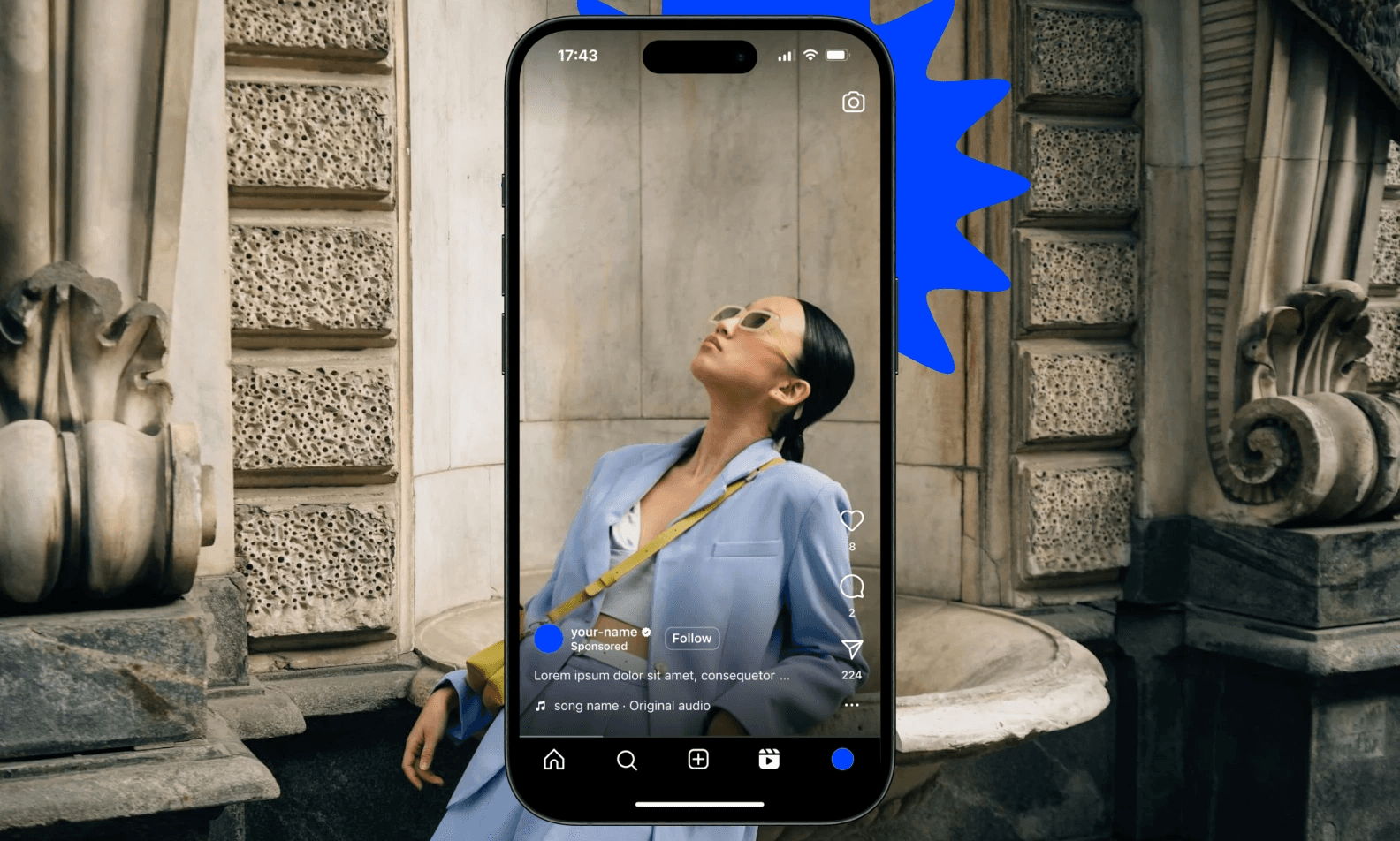
Beginners struggle to create Instagram Reels that get views because they focus on posting a video rather than building a Reel structured for attention, retention, and reach. The result is content that gets uploaded but does not get watched long enough to perform well. Without understanding how the platform measures engagement in the first three seconds, the first hook, and message clarity, even well-produced Reels disappear into the feed.
They Start Creating Without Knowing What Makes Reels Perform
Most beginners open Instagram and start creating based on what feels interesting in the moment. They post without a clear content goal, copy random trends, and use formats without understanding why they work. The problem is that Reels are not just short videos. They perform based on how quickly they grab attention, how clearly they deliver value, and how long people stay watching. According to Instagram's internal metrics shared in a 2024 Creator Insights report, Reels that hook viewers within 1.5 seconds see 3x higher completion rates than those that take longer to establish interest. Without that understanding, creators post content that looks fine but performs weakly.
They Open the Reel Too Slowly
Many beginner Reels take too long to get to the point. Creators introduce the topic slowly, add too much setup, explain before creating interest, and place the most important line too late. But on Instagram Reels, the first seconds matter most. If the opening does not stop the scroll, people leave before the value appears. That lowers watch time and makes it harder for the Reel to get pushed further. When you feel your content getting buried under suggested posts and paid content, it is often because the hook did not earn those critical first two seconds of attention.
They Try to Put Too Much Into One Reel
Many beginners think more information makes the Reel more valuable. They add multiple ideas into one video, try to explain too much at once, make the Reel feel crowded, and lose clarity in the message. The result is that the viewer has too much to process in too little time. Instead of one clear takeaway, the Reel feels scattered. When the message is unclear, retention drops. A clip creator tool like Crayo helps creators focus on one strong idea per Reel by automating the structure (subtitles, pacing, voiceovers) so you can prioritize message clarity instead of wrestling with editing complexity. That shift from "trying to say everything" to "saying one thing well" is what separates Reels that get watched from Reels that get skipped.
They Focus on Making the Reel Look Good Instead of Making It Easy to Watch
Some beginners spend most of their effort on transitions, effects, visual style, and editing details. But they pay less attention to the hook, the message, the pacing, and the viewer retention. So the Reel may look polished, but it is still underperforming. Because on Reels, performance depends less on decoration and more on whether people keep watching. The platform prioritizes content that holds attention, not content that looks expensive. When creators realize this, they stop chasing polish and start building for retention.
Related Reading
- TikTok Content Ideas for Business
- What Does Content Under Review Mean on TikTok
- YouTube Shorts Ideas Without Showing Face
- Viral YouTube Shorts Ideas
- Why Is My Content Under Review on TikTok
- Creative Instagram Reels Ideas
- YouTube Shorts Content Ideas
- YouTube Shorts Ideas For Beginners
- How Long Can A Reel Be On Instagram
- Instagram Reels Ideas For Business
- What Does Promotional Content Mean on TikTok
- Instagram Reels Ideas For Beginners
- How Much Do Content Creators Make on TikTok
The Hidden Cost of Creating Reels Without a Clear Process
Creating Reels without a repeatable system feels flexible at first. You experiment, try different formats, adjust as you go. But what looks like creative freedom becomes the reason your performance stays inconsistent. Without a clear process, you cannot compare what works, you cannot repeat success, and you cannot improve with intention.
Each Reel Becomes a Separate Experiment
When every Reel follows a different structure, you lose the ability to learn from your own content. One video opens with a question, the next starts with text on screen, another begins mid-action. You change the pacing, switch up how you deliver the message, and test new styles without tracking what actually held attention. According to Instagram's internal data, Reels generate 22% more engagement than regular video posts, but only when optimized for retention. Random variation does not create that optimization. It just creates noise.
The Structure Breaks Down Before the Viewer Does
Most Reels fail because they are hard to consume, not because the idea is weak. The hook takes too long to land. The middle section adds unnecessary explanation. The pacing drags in places where it should accelerate. When structure is inconsistent, cognitive load increases. The viewer has to work harder to follow along, and on a platform where attention is earned in seconds, effort equals exit. Poorly structured information does not just reduce engagement. It forces the viewer to decide whether your content is worth the mental cost, and most of the time, it is not.
More Time Spent Does Not Equal Better Results
Beginners often believe that spending more time on a Reel will improve its performance. They record multiple takes, over-edit transitions, and obsess over small details that do not affect retention. But without a process guiding where that time goes, effort becomes scattered. Mistakes repeat across videos because there is no feedback system identifying what went wrong. You spend an hour perfecting a Reel that underperforms for the same reason the last one did, because the issue was never in the editing. It was in the structure you hadn't built before you started recording.
When creators hit this wall, they realize the problem is not effort. It is direction. A clip creator tool like Crayo removes the guesswork by automating the structure (subtitles, pacing, voiceovers) so you can focus on the message instead of wrestling with technical decisions that do not improve retention. That shift from "trying harder" to "building smarter" is what separates creators who post frequently from creators who post effectively.
Posting Without Review Slows Everything Down
Most creators post a Reel and move on without analyzing what happened. They do not check retention graphs, study where viewers dropped off, or compare performance across videos. Growth feels random because there is no feedback loop turning views into insight. Repetition without reflection is not practice. It is just repetition. The real cost is not that you posted content that underperformed. It is that you will post the same type of content again tomorrow, next week, and next month, because you never stopped to figure out why it did not work in the first place.
7 Steps to Create Instagram Reels for Views in 15 Days
Creating Instagram Reels that get views requires a repeatable process, not random experimentation. The seven steps below form a workflow that prioritizes attention, retention, and clarity. Follow them in sequence, and you build Reels that are structured to perform, not just posted and forgotten.
1. Start With a Single, Specific Idea
The strongest Reels solve one problem or deliver one insight. When you try to cover multiple angles in 15 seconds, the message dilutes. Viewers cannot follow scattered information at scroll speed. Pick the smallest useful piece of value you can deliver, then build the entire Reel around it. Most creators fail here because they confuse comprehensiveness with value. They think more tips equal more engagement. But according to Socialinsider's 2024 analysis, Reels receive 22% more engagement than regular video posts, and the highest-performing ones focus on a single, repeatable insight. A narrow focus increases completion rates because viewers know exactly what they are getting and can decide in the first second whether to stay.
2. Write the Hook Before You Record Anything
The first line determines whether someone watches or scrolls. Write it before you plan visuals, before you script the middle, before you think about transitions. The hook is not a decoration. It is the decision point. Strong hooks create immediate tension or curiosity. "If your Reels are getting 200 views, you are missing this" works because it implies a fixable gap. "Here's how to grow on Instagram" does not, because it sounds like every other Reel.
Test your hook by asking:
- Does this make someone stop mid-scroll
- Does it let them keep moving?
If you cannot answer confidently, rewrite it.
3. Strip Out Everything That Does Not Serve the Core Message
Once you have the idea and the hook, script the middle. Then cut half of it. Beginners add context, explanations, qualifiers, and background that slow the Reel down. Every second that does not directly advance the point increases the chance someone leaves. When you remove unnecessary setup, pacing tightens. Retention improves. The viewer gets value faster, which signals to Instagram that your content holds attention. Platforms like Crayo’s clip creator tool automate this editing discipline by structuring your Reel with subtitles, pacing, and voiceovers that eliminate filler, so you can focus on the message instead of wrestling with what to cut manually. That shift from "explaining everything" to "saying only what matters" is what separates Reels that get watched from Reels that get abandoned halfway through.
4. Follow a Three-Part Structure Every Time
Every Reel should move through three stages: hook, value, close. The hook stops the scroll. The value delivers the insight. The close either reinforces the message or loops back to the beginning. This structure is not a creative limitation. It is cognitive scaffolding that makes your content easier to consume. When structure stays consistent across Reels, you can compare performance meaningfully. You know whether a Reel failed because the hook was weak, the middle dragged, or the close did not land. Without structure, every underperforming Reel is a mystery. With it, every Reel becomes a data point that teaches you what works.
5. Add On-Screen Text That Reinforces, Not Repeats
Captions should highlight key points, not transcribe every word. Use them to emphasize the most important line, clarify a complex idea, or guide the viewer's attention. Many users watch Reels without sound, so text keeps them engaged even when audio is off. The mistake is adding captions that mirror the voiceover exactly. That does not add clarity. It adds redundancy. Instead, use text to surface the one sentence you want someone to remember, even if they only half-watched. That line becomes the anchor for retention.
6. Keep Editing Focused on Clarity, Not Complexity
Beginners often believe that more transitions, effects, and visual layers make a Reel more engaging. But complexity without purpose creates cognitive load. The viewer has to work harder to follow along, and on a platform where 200 billion Reels are viewed daily, effort equals exit. Simple editing that prioritizes message over decoration performs better. Clean cuts, readable text, and consistent pacing reduce friction. The viewer can focus on what you are saying instead of processing how you are saying it. Speed matters too. The faster you can create a Reel, the more you can test, learn, and improve. Overproduction slows that cycle down.
7. End With a Loop or a Strong Close
The last second of your Reel should either reinforce the message or connect back to the hook. Looping creates replay value, which Instagram interprets as strong engagement. A strong close gives the viewer a clear takeaway, leaving them with something specific rather than a vague impression. Weak endings let the Reel trail off. The viewer finishes watching but feels no resolution, no reason to engage further. Strong endings create a sense of completion or curiosity. Both drive better performance than letting the video just stop.
Related Reading
- Instagram Reel Hook Ideas
- Instagram Reel Caption Ideas
- Tiktok Content Ideas For Beginners
- Best Time To Post A Reel On Instagram
- Best Content For Tiktok
- How To Analyze Tiktok Video Content
- How To Schedule A Reel On Instagram
- Instagram Story Vs Reel
- Best Content Strategy Tiktok
- How To Make Looping Content For Tiktok
- Ai Tools for TikTok Content Creation
The 15-Day Workflow to Create High-Performing Instagram Reels Consistently
Creating high-performing Instagram Reels in 15 days requires a workflow, not willpower. The difference between creators who post at random and those who build momentum is structure. When you follow a repeatable process, you stop guessing and start improving based on what actually happens.
Days 1-3: Define Your Content Framework
Pick Two or Three Formats That Match Your Niche
If you teach productivity, that might be common mistakes, quick wins, and problem-solution breakdowns. If you focus on fitness, it could be form corrections, myth-busting, and progression demonstrations. The format matters less than the commitment to repeat it.
Write Five to Seven Reel Ideas Within Those Formats Before You Record Anything
This removes the paralysis caused by staring at a blank screen every morning. You are not creating from scratch. You are executing against a plan you already validated. Many creators skip this step because it feels like a delay. They want to start posting immediately. But according to Socialinsider, posting 4-7 Reels per week shows the best engagement results, and that consistency only happens when you remove daily decision fatigue. The creators who post four times this week and zero times next week are the ones who never built a foundation.
Days 4-7: Post Daily and Focus on Execution Speed
Create One Reel Per Day
Apply the hook-value-close structure from the previous section. Keep delivery short, focus on one clear idea, and resist the urge to over-explain.
Speed Matters More Than Polish Here
The goal is not perfection. It is volume with consistency, because you need data to improve. Every Reel you post teaches you something about what holds attention and what does not. But only if you post enough to see patterns. The most common failure point during this phase is overthinking. Creators record five takes, debate whether the lighting is good enough, and spend 40 minutes adjusting transitions that do not affect retention. Platforms like clip creator tool compress this cycle by automating subtitles, pacing, and voiceovers in seconds, so you can focus on testing ideas instead of wrestling with technical decisions. That shift from "perfecting each Reel" to "posting and learning" is what separates creators who finish the 15 days from creators who quit on day six.
Days 8-10: Analyze Performance and Identify Patterns
Stop Creating. Start Reviewing
Open Instagram Insights and look at watch time, engagement rate, saves, and shares for each Reel. Which ones kept people watching past the first three seconds? Which ones drove comments or profile visits?
You Are Not Looking for Viral Hits
You are looking for relative performance. If one Reel held 60% of viewers through completion and another lost 80% in the first five seconds, that gap tells you something actionable. The hook on the second Reel failed. The pacing on the first one worked.
Write Down What the Top Two or Three Reels had in Common.
Was it the opening line? The format? The way you framed the problem? That commonality becomes your next hypothesis. Many creators analyze performance but never act on it. They notice a Reel performed well, feel good about it, then move on to a completely different idea the next day. Growth does not come from noticing. It comes from repeating.
Days 11-13: Double Down on What Worked
Take Your Best-Performing Format and Create Three Variations.
If a "common mistake" Reel held attention, make two more in that style with different mistakes. If a problem-solution breakdown drove saves, build another one addressing a related pain point.
This is Where Most Creators Resist
They worry about being repetitive or boring their audience. But viewers do not follow you because you surprise them every day. They follow because you consistently deliver value in a format they already trust. Repetition with variation builds recognition, and recognition builds reach.
The Mistake is Copying the Exact Same Reel
The goal is to repeat the structure while changing the insight. Same hook style, different problem. Same pacing, different solution. You are training the algorithm to understand what content your audience engages with, and you are training yourself to execute that format more quickly.
Days 14-15: Optimize for Retention and Replay Value
Go Back to Your Top Reels and Make Them Tighter.
Cut the first two seconds if they do not immediately create tension or curiosity. Remove any middle section that restates something you already said. Sharpen the close so it either loops back to the hook or reinforces the takeaway.
Small Edits Create Measurable Improvement
Trimming three seconds of setup can increase completion rate by 15%. Changing the last line from a vague statement to a direct callback can double the replay value. These adjustments do not require new ideas. They require precision.
Test one Optimized Reel
Compare it against the original version's performance. If retention improves, apply the same edits to your next three Reels. If it does not, you learned something about what your audience actually values, and that insight informs the next round of testing.
What This Workflow Actually Fixes
Most creators fail because they treat every Reel as a standalone event. They post, check views once, then move on without connecting performance to process. This workflow fixes that by turning creation into a feedback loop. You build a foundation, test execution, analyze results, repeat what works, and refine based on data. The shift from random posting to structured iteration is not about working harder. It is about working in a direction. When you know what to create, why it matters, and how to improve it, consistency stops feeling like effort. It becomes momentum.
Create High-Performing Instagram Reels Faster With Crayo AI
If creating Instagram Reels is taking too long or not getting views, the problem is not your effort. It is the lack of a system that turns your ideas into structured, high-performing content. Crayo AI removes the technical barriers between having an idea and publishing a Reel built for retention. You drop your concept into the platform, and it generates a strong hook, structured script, voiceover, and captions in under 10 minutes. No more overthinking content, slow creation cycles, or inconsistent posting.
The platform automates the three decisions that slow most creators down: how to open, how to pace the middle, and how to close. You focus on the insight. Crayo handles the execution. That shift from wrestling with editing software to testing ideas faster is what separates creators who post four times a week from creators who post once and burn out. Speed matters because the faster you can create, the faster you can learn what holds attention and what does not. Open Crayo AI, input your Reel idea, and turn it into a video structured for views. Getting views is not about working harder. It is about using a system that works. Crayo AI gives you that system.
Related Reading
- Tiktok Content Ideas Without Showing Face
- Tiktok Content Creation Tips
- How to Become a Content Creator on TikTok
- Best Social Media Content Creation Tools
- Later Alternative
- Sprout Social Alternative
- Buffer Alternative
- Ai Tools For Social Media Content Creation
- Hootsuite Alternative
- ContentStudio Alternatives