
Not everyone wants to be in front of the camera, yet TikTok remains one of the most powerful platforms for reaching audiences and growing your brand. If you've been holding back on exploring TikTok content ideas for business because you're camera-shy or simply prefer staying behind the scenes, you're not alone. The good news is that faceless content can perform just as well as traditional videos, and in this article, you'll discover five practical faceless TikTok content ideas you can create in just 10 minutes, along with strategies for voiceover videos, screen recordings, text-based posts, and product-focused clips that keep your business visible without putting you on screen.
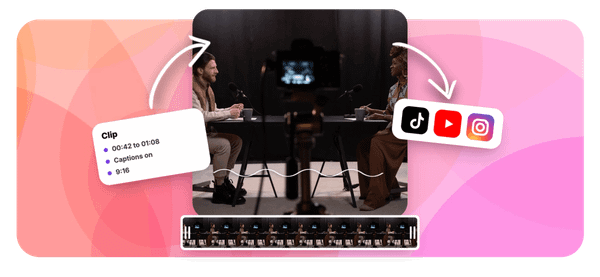
Creating these faceless videos doesn't need to eat up your entire day or require advanced editing skills. That's where Crayo's clip creator tool becomes useful, letting you generate short-form content quickly with templates designed specifically for anonymous creators and businesses that want to maintain privacy while building their presence. The tool streamlines the production process so you can focus on your message rather than wrestling with complicated software, allowing you to maintain a consistent posting schedule even when time is tight.
Table of Contents
- Why Beginners Struggle to Create TikTok Content Without Showing Their Face
- The Hidden Cost of Avoiding Face Content Without a Clear Strategy
- 5 Faceless TikTok Content Ideas You Can Create in 10 Minutes
- The 10-Minute Workflow to Create Faceless TikTok Content Consistently
- Create Faceless TikTok Content Faster With Crayo AI
Summary
- Faceless content performs just as well as personality-driven videos, yet 70% of Gen Z creators prefer to remain anonymous, according to ContentGrip's 2025 research. The algorithm doesn't penalize creators who stay off camera. The real barrier is that most beginners have only studied face-to-camera formats, so they can't visualize alternatives like text overlays, screen recordings, or voiceover tutorials.
- Removing your face without adjusting content structure causes engagement to collapse. The average TikTok session lasts just 10.85 minutes according to Influencer Marketing Hub's 2025 analysis, meaning viewers make instant decisions about whether content deserves their attention. Without a face to anchor focus, your opening three seconds must answer "why should I keep watching" through tight pacing, strong text hierarchy, and intentional visual cues.
- Quality matters more than creator identity for 72% of Gen Z viewers, according to InReels research. Screen recordings that demonstrate processes step by step deliver pure utility without requiring personality or scripting. The format scales because you're documenting workflows you already perform daily.
- Batching the same format removes decision fatigue and compresses production time. Creators who post consistently don't treat every video as a custom project. They choose one structure (text tips, before-and-after comparisons, voiceover with stock footage), then fill it with different messages across multiple videos in a single session.
- Creators should aim for videos between 2 and 5 minutes to maximize engagement while maintaining viewer retention, according to ReelsBuilder AI. Your hook has three seconds to earn the next ten, which means writing tight and cutting filler isn't optional.
Crayo's clip creator tool addresses the friction between having an idea and producing a structured video by automating subtitles, voiceover sync, and visual matching in seconds, rather than requiring manual editing for over 30 minutes.
Why Beginners Struggle to Create TikTok Content Without Showing Their Face
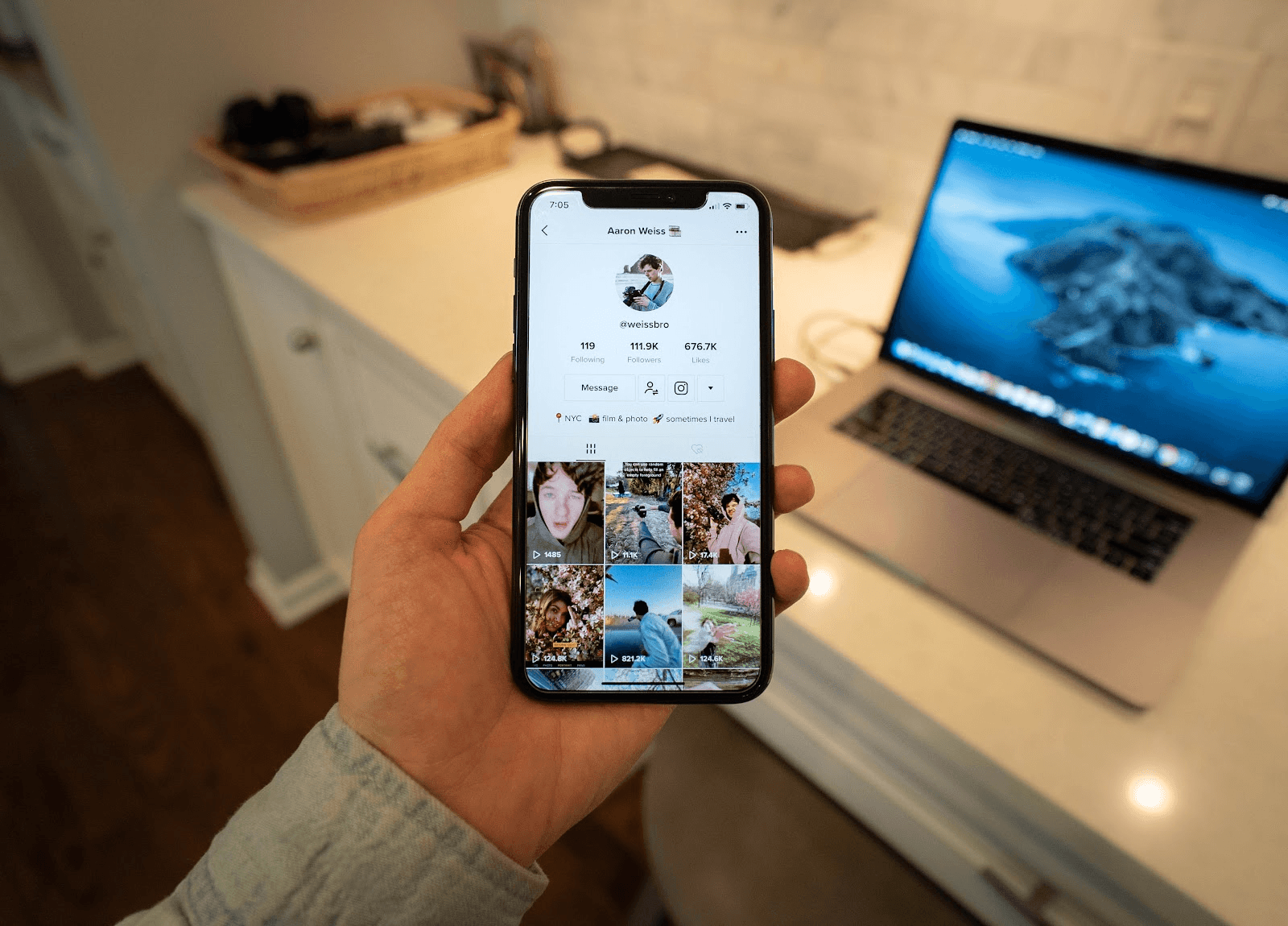
Beginners struggle because they've internalized a false rule: that growth requires being visible. This belief creates hesitation, delays posting, and forces them into a creative corner where every idea depends on personality instead of structure. Without a system for faceless content, they overthink quality, complicate simple formats, and waste time stuck in the decision phase rather than creating consistently.
The Myth That Face Content Equals Growth
The pattern surfaces everywhere. Creators assume TikTok success depends on showing their face, so they avoid posting altogether or delay until they feel camera-ready. According to ContentGrip's 2025 research, 70% of Gen Z creators prefer to remain anonymous or faceless, yet many still believe visibility is mandatory for performance. The platform doesn't require it. The algorithm doesn't penalize it. But the belief persists, and it stops content before it starts.
The Format Blindness Problem
When you remove the face, most beginners go blank. They can't visualize what to post because every idea they've consumed relies on someone talking directly to the camera.
- Text overlays
- Product demonstrations
- Screen recordings
- Voiceover tutorials
These formats exist and perform well, but they're invisible to creators who've only studied personality-driven content. The creative block isn't about talent. It's about pattern recognition. If you've never studied faceless formats, you won't see them as options.
When Personality Becomes the Crutch
Many creators lean on expression and energy to carry their videos. They gesture, react, and narrate in real time. That works, but it creates dependency. The moment you remove yourself from the frame, the content collapses because there's no structural foundation underneath. Strong faceless content builds around ideas, hooks, pacing, and visual storytelling. When your presence is the only thing holding the video together, you can't replace it without rebuilding from scratch.
The Polish Trap
Beginners assume that faceless videos require a higher production value to compensate for the missing personality. So they spend hours perfecting transitions, color grading, and effects. The irony is that simplicity often outperforms polish on TikTok. A clean screen recording with sharp captions and tight pacing beats an overproduced montage that took three times longer to edit. Crayo's clip creator tool streamlines the process, generating videos with automated subtitles and voiceovers in seconds, so creators can test ideas quickly rather than agonize over perfection. The goal isn't flawless execution. It's a consistent output.
The Time Cost Nobody Measures
The real expense isn't editing time. It's the hours spent debating whether to show your face, searching for inspiration, and avoiding the post button. Hesitation compounds. One delayed video becomes a week without posting, then a month of inconsistency. The algorithm rewards frequency and pattern, not perfection. Every day spent overthinking is a day the system forgets you exist. But avoiding the camera without a clear plan creates a different kind of cost, one that's harder to see until it's already affecting your growth.
Related Reading
- TikTok Content Ideas for Business
- What Does Content Under Review Mean on TikTok
- YouTube Shorts Ideas Without Showing Face
- Viral YouTube Shorts Ideas
- Why Is My Content Under Review on TikTok
- Creative Instagram Reels Ideas
- YouTube Shorts Content Ideas
- YouTube Shorts Ideas For Beginners
- How Long Can A Reel Be On Instagram
- Instagram Reels Ideas For Business
- What Does Promotional Content Mean on TikTok
- Instagram Reels Ideas For Beginners
- How Much Do Content Creators Make on TikTok
The Hidden Cost of Avoiding Face Content Without a Clear Strategy

Avoiding face content isn't the problem. The problem is avoiding it without a strategy to replace what your presence would have provided:
- Clarity
- Emotional connection
- Direction
When creators remove themselves from the frame without adjusting the structure of their message, the content loses impact. Engagement drops, retention weakens, and posting slows because every video becomes a puzzle instead of a repeatable system.
Low Engagement Without Content Architecture
When you remove your face, you remove natural signals that guide viewers through your message.
- Your expression shows emphasis.
- Your voice carries tone.
- Your presence creates familiarity.
Without these, the video needs something else to hold attention:
- Tight pacing
- Strong text hierarchy
- Intentional visual cues
Most creators don't make this swap. They post clips with floating text and background footage, assuming the visuals alone will carry meaning. The viewer watches for three seconds, gets no clear direction, and scrolls.
Algorithmic Retention and Hook Optimization
The belief that posting something faceless is enough ignores how people process information on TikTok. According to Influencer Marketing Hub's 2025 analysis, the average TikTok session lasts just 10.85 minutes, meaning viewers make snap decisions about whether content is worth their time. Without a face to anchor attention, your hook needs to work harder. Your opening text must promise value immediately. Your first three seconds need to answer: "Why should I keep watching?" If that structure isn't there, the algorithm reads the drop-off as disinterest and stops pushing your content.
Weak Retention and Fast Drop-Off
Faceless videos without strong hooks or intentional pacing lose viewers in the first five seconds.
- Watch time collapses.
- Completion rates drop.
- The algorithm interprets this as low-quality content, regardless of how polished your visuals look.
Creators assume that clean editing and smooth transitions will hold attention, but retention depends on narrative momentum.
- Does each moment lead clearly to the next?
- Does the viewer know what's coming and want to see it?
If your video looks good but doesn't build anticipation, people leave.
Structural Retention and Visual Pacing
This is where structure replaces personality. A strong opening question, a numbered list format, or a before-and-after reveal gives the viewer a mental map of where the video is going. They stay because they want the payoff, not because they like you. Text overlays that appear in rhythm with voiceover or music create pacing. Cuts that happen every two to three seconds prevent visual stagnation. These aren't advanced techniques. They're foundational replacements for the energy a face naturally provides.
Slower Content Creation Without a System
Without a repeatable process, creators overcomplicate faceless content. They spend hours searching for stock footage, tweaking transitions, and adjusting color grades, trying to compensate for the missing personality with production value. The belief is that faceless content needs to look more polished to perform. The opposite is often true. Simple screen recordings with sharp captions and tight voiceover often outperform heavily edited montages because they deliver value faster. Over-editing doesn't just slow you down. It makes posting feel like a project instead of a habit.
Operational Velocity and Rapid Iteration
Platforms like Crayo's clip creator compress this process by automating subtitles, voiceovers, and editing workflows, letting creators generate videos in seconds rather than hours. The goal isn't to replace creativity. It's to remove the friction that stops you from testing ideas quickly. When you can produce three versions of a concept in the time it used to take to finish one, you learn faster. You see what hooks work, what pacing holds attention, and what formats your audience actually wants. Speed becomes the system.
No Clear Content Identity
Posting without a strategy creates visual noise. Random product clips one day, text-based tips the next, then a meme format with no connection to either. The audience doesn't know what to expect, so they don't return. Growth on TikTok depends on pattern recognition. People follow accounts that deliver a specific type of value in a recognizable way. When your content lacks consistency in format, message, or style, you're starting from zero with every post. The algorithm treats each video as isolated because there's no throughline connecting them.
Predictable Identity and Format Familiarity
Strong faceless accounts build identity through repetition.
- Same text style.
- Same voiceover tone.
- Same opening hook structure.
This isn't about limiting creativity. It's about creating familiarity so viewers recognize your content in the first second, even without your face. When they know what they're getting, they're more likely to stop scrolling. When the format is consistent, you can batch-create content faster because you're not reinventing the structure every time. Identity isn't personality. It's the predictability in how you deliver value.
5 Faceless TikTok Content Ideas You Can Create in 10 Minutes
1. Text-Based Tip Videos
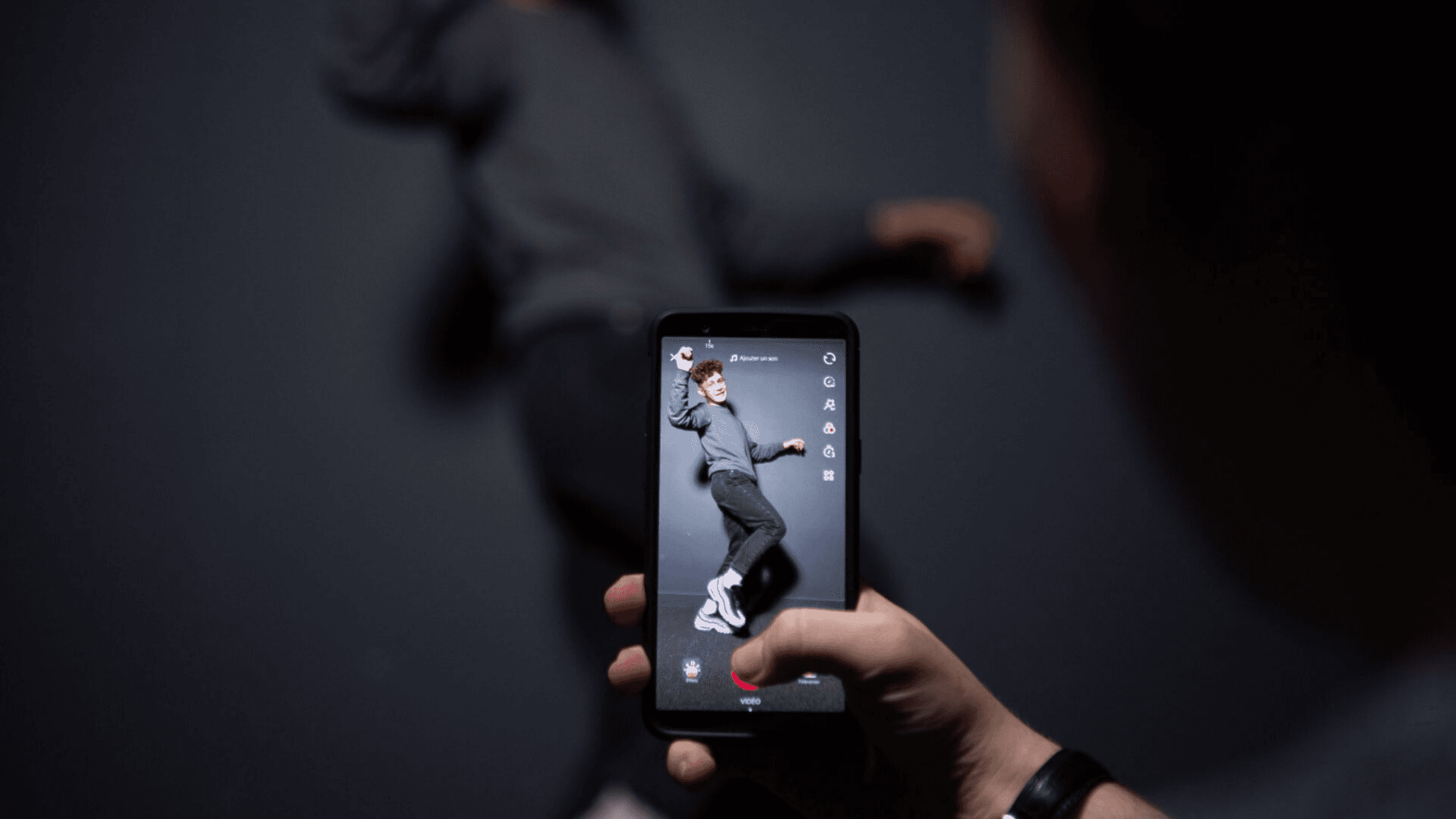
Record your screen while typing a single actionable insight. Open a notes app or design tool, type your message in real time, and add a trending sound.
The format is simple:
- One problem
- One solution
- Delivered in under 15 seconds
The viewer watches you type, which creates natural pacing and holds attention without requiring voiceover or visual effects.
Message-Centric Batching and Minimalist Workflow
This works because it removes filming entirely. You're not searching for stock footage or perfecting transitions. You're typing what you already know. Teams posting faceless content often mention that text-based formats feel less mentally draining than creating videos that demand constant creative variation. You can batch seven of these in 20 minutes because the structure never changes, only the message.
2. Screen Recording Tutorials
- Capture your screen while demonstrating a process.
- Show how to use a tool, navigate software, or complete a task step by step.
- Add captions that label each action.
The viewer follows along visually, learning through observation rather than explanation. No face required. No scripting needed. Just record what you're doing and trim the result.
Utility-Driven Content and Workflow Documentation
According to research from InReels, 72% of Gen Z viewers say content quality matters more than creator identity. They care about what they learn, not who's teaching. Screen recordings deliver pure utility. The format scales because you're documenting workflows you already perform. If you use a tool daily, you can record it once and post variations across multiple platforms without additional effort.
3. Voiceover + Stock Footage
- Write a short script
- Record your voice
- Then layer it over relevant visuals
The footage doesn't need to be perfect. It needs to support the message without distracting from it. Choose clips that match the emotional tone of your narration: calm visuals for reflective topics, fast cuts for urgency, static shots for clarity.
Technical Compression and Narrative Intent
The structure here replaces personality with pacing. Your voice carries authority. The visuals create context. Together, they build a narrative that feels intentional rather than improvised. Platforms like Crayo's clip creator automate subtitle placement and voiceover sync, compressing what used to take an hour into seconds. You focus on the message. The tool handles the technical execution. That separation lets you test three different scripts in the time it used to take to finish one polished video.
4. Before and After Comparisons
Show a transformation. Start with the problem state, transition to the solution, and end with the result.
The format works across industries:
- Messy workspace to an organized desk
- A cluttered spreadsheet to a clean dashboard
- A slow process to an optimized workflow
The viewer stays because they want to see the outcome. The payoff is built into the structure.
Self-Contained Transformation and Visual Proof
This format removes the need for explanation. The visuals tell the story. You can add text overlays to clarify steps, but the transformation itself holds attention. Creators find that before-and-after content performs consistently because it delivers a clear emotional arc without requiring narration or on-camera presence. The format is self-contained. You don't need to build trust first. The result speaks for itself.
5. Trend Participation With Text Overlays
Use a trending audio, then add your own message through text. The sound brings algorithmic reach. The text makes it relevant to your niche. You're not creating the trend. You're adapting it. Find a sound with momentum, write a hook that connects to your audience's challenge, and layer it over simple visuals or a static background.
The speed here matters. Trends move fast. If you spend three hours perfecting one video, the sound has already peaked and begun to decline. The goal is to post while the trend still has reach, so prioritize speed over polish. Text overlays let you participate without filming, scripting, or complex editing. You're riding momentum, not creating it from scratch.
Why These Formats Scale
These ideas work because they eliminate the variables that slow content creation. You're not deciding what to film, how to frame yourself, or whether your lighting looks professional. You're choosing a format, filling it with your message, and posting. The structure is the system. Repetition builds speed. Consistency builds recognition.
The common pattern across all five formats is constraint. When you limit options, you remove decision fatigue. You stop debating whether to show your face and start focusing on what you're saying. That shift from identity to information is what makes faceless content faster to produce and easier to sustain.
The 10-Minute Workflow to Create Faceless TikTok Content Consistently
The problem isn't that faceless content loads too slowly. It's that you're treating every video like a custom project instead of a repeatable process. When you build a system that removes decisions, content creation compresses from hours to minutes. The workflow below eliminates guesswork, reduces friction, and lets you batch multiple videos in a single session.
Choose Your Format Before You Start
Pick one format and commit to it for the session.
- Text-based tips
- Screen recordings
- Voiceover with stock footage
- Before-and-after comparisons
Don't mix formats mid-batch. The goal is to remove creative decisions, not multiply them. When you know exactly what type of video you're making, you stop debating structure and start executing. Creators who post consistently often mention that batching the same format feels less mentally draining than switching between styles. You're not reinventing the wheel. You're filling a template with different messages. That repetition builds speed because your brain stops solving new problems and starts optimizing familiar ones.
Write Three Hooks in Two Minutes
Open a blank document and write three variations of your opening line. Don't overthink tone or phrasing. Just get the core idea down in different ways.
- One question
- One bold statement
- One specific promise
You'll test which one feels strongest when you record, but writing all three upfront prevents you from freezing at the start of filming.
Retention Engineering and Hook Optimization
Strong hooks answer one question immediately: why should I keep watching? If your opening doesn't promise value, reveal tension, or create curiosity, the viewer scrolls. According to ReelsBuilder AI, creators should aim for videos between 2 and 5 minutes to maximize engagement while maintaining viewer retention. That window means your hook has three seconds to earn the next ten. Write tight. Cut filler. Make the promise clear.
Record or Capture in One Take
If you're doing voiceover, record straight through without stopping. Mistakes don't matter. You can trim later. If you're screen recording, capture the full process, then cut the pauses in post. Perfectionism during recording kills momentum. The goal is raw material, not polished delivery.
When you remove the pressure to get it right the first time, recording becomes faster. You're not restarting every time you stumble. You're capturing content you'll refine in editing. That mindset shift turns a 20-minute recording session into a five-minute one because you're not chasing flawless takes.
Add Captions and Visuals Without Manual Editing
Most creators waste time typing captions, syncing text to audio, and searching for stock footage. That's where automation removes hours from the process. Platforms like Crayo's clip creator automatically generate subtitles, sync them to voiceover, and match visuals to your script in seconds.
You're not manually placing text or trimming clips. You're reviewing automated output and adjusting only what needs refinement. The difference between manual editing and automated workflows isn't quality. It's speed. You compress what used to take 30 minutes into two.
Batch Three Videos in One Session
Once you've completed one video using this workflow, repeat it twice more, each time with a different message. Same format. Same structure. Different hooks and content. Batching removes the mental reset cost of starting fresh each time. You're already in the rhythm. Your tools are open. Your creative mode is active. Use that momentum to produce multiple videos before you step away.
The pattern surfaces across creators who post daily without burnout. They don't create one video at a time. They batch five to seven in a single session, then schedule them across the week. That approach separates creation from distribution, letting you focus on output during dedicated blocks rather than scrambling daily for content.
Test and Adjust Based on Performance
Post all three videos over the next few days and track which hook, pacing, or visual style performs best. Watch time and completion rate tell you more than views. If people drop off in the first three seconds, your hook failed. If they watch for only a while and then leave, your pacing loses them. Use that data to refine your next batch.
The goal isn't to guess what works. It's to test quickly, measure accurately, and iterate based on proof. When you can produce three videos in ten minutes, testing becomes sustainable. You're not investing hours into a single concept. You're running small experiments to learn what your audience actually wants.
Why This Workflow Scales
- Speed creates consistency.
- Consistency builds recognition.
- Recognition drives growth.
When you remove the friction that makes content creation feel like a project, posting becomes routine. You're not waiting for inspiration or perfect conditions. You're executing a system that works whether you feel creative or not.
Compound Consistency and Workflow Discipline
The creators who grow fastest aren't the most talented. They're the most consistent. They've built workflows that remove decision-making, automate repetitive tasks, and let them focus on the message rather than the mechanics. That discipline compounds. One video doesn't change much. Fifty videos in two months shift how the algorithm treats your account. But knowing the workflow and actually using it are different problems, and that gap is where most creators stay stuck.
Related Reading
- Instagram Reel Hook Ideas
- How To Create A Reel On Instagram
- Instagram Reel Caption Ideas
- Tiktok Content Ideas For Beginners
- Best Time To Post A Reel On Instagram
- Best Content For Tiktok
- How To Analyze Tiktok Video Content
- Instagram Story Vs Reel
- Best Content Strategy Tiktok
- How To Make Looping Content For Tiktok
- Ai Tools for TikTok Content Creation
Create Faceless TikTok Content Faster With Crayo AI
The problem isn't the format. It's the time it takes to turn one idea into a structured video. Most creators spend hours writing scripts, searching for visuals, syncing captions, and editing manually. That process makes posting feel like a project instead of a habit, and consistency collapses under the weight of repetitive tasks.
Drop your idea into Crayo AI. It generates a hook, builds a script, turns it into a voiceover instantly, and matches visuals to your message. You're not manually placing text or trimming clips. You're reviewing automated output and adjusting only what needs refinement. What used to take 30 minutes compresses into under 10. That speed lets you test three concepts in the time it used to take to finish one, so you learn faster what hooks work and what pacing holds attention.
Sustainable Experimentation and Systematic Growth
The shift from manual editing to automation isn't about lowering quality. It's about removing the friction that stops you from posting. When you can create multiple faceless videos in one session, testing becomes sustainable. You're not investing hours into a single concept. You're running small experiments to learn what your audience actually wants, then iterating based on proof rather than guessing. You don't need to show your face to grow. You need a system that works without it. Open Crayo AI, input your idea, and turn it into a faceless TikTok video ready to post immediately. No overthinking. No slow creation. No inconsistent posting. Just clear messaging, tight pacing, and content that gets views.
Related Reading
• Tiktok Content Creation Tips
• Hootsuite Alternative
• How To Become A Content Creator On Tiktok
• Best Social Media Content Creation Tools
• Tiktok Content Ideas Without Showing Face
• Ai Tools For Social Media Content Creation
• Buffer Alternative
• ContentStudio Alternatives
• Later Alternative
• Sprout Social Alternative