
You're staring at your phone, watching creators rack up millions of views on short-form videos, and wondering why your business isn't getting the same attention. The same strategies that work for TikTok content ideas for business apply directly to YouTube Shorts, because both platforms reward quick, engaging content that hooks viewers in the first three seconds. This article walks you through 7 beginner-friendly YouTube Shorts ideas that can start generating views within 15 days, even if you've never created vertical video content before.
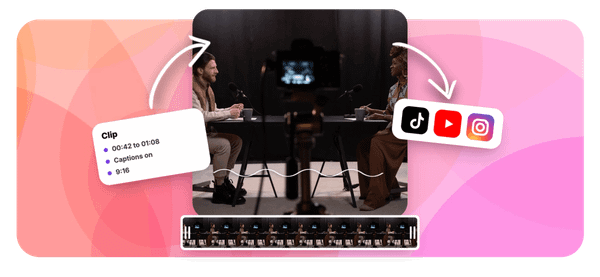
Creating consistent short-form content can sound time-consuming, but the right tools make all the difference. A clip creator tool like Crayo speeds up your workflow by helping you produce multiple Shorts quickly, so you can test different video formats and discover what resonates with your audience.
Summary
- According to YouTube Shorts' 2024 data, the platform generates 70 billion daily views, creating massive competition as videos fight for attention in an endless feed. The algorithm decides within seconds whether to keep showing your content, and if viewers scroll away early, the system stops pushing your video regardless of how much effort you put into creating it.
- Retention in the first three seconds determines whether your Short gets distributed or dies. Beginners lose viewers immediately because they start with slow intros, introduce themselves first, or delay the main idea. The platform interprets early drop-off as a signal that content isn't worth showing to more people, which kills reach before the video has a chance to find its audience.
- Posting without tracking performance creates a cycle where effort never translates into learning. Beginners switch between motivational quotes, tutorials, and trending audio without measuring what actually holds attention or causes viewers to leave. Each video becomes an isolated event rather than a data point, so the same structural mistakes repeat across dozens of Shorts while growth stays flat.
- Speed of production directly impacts speed of learning in short-form content. When it takes three hours to create one Short, you can only test one format per week, which means it takes months to discover what resonates with your audience. Creators who can produce three Shorts in one day gather feedback faster, identify winning patterns sooner, and scale proven content while others are still guessing.
- The most effective Shorts follow a simple structure of hook, explanation, and payoff with no introduction or context-setting. One-tip videos, mistake lists, and before-and-after transformations work because they deliver a single clear message that viewers can consume in under 30 seconds.
Crayo's clip creator tool addresses this by automating subtitles, voiceovers, and editing workflows so creators can test multiple formats quickly instead of spending hours on technical production.
Why Beginners Struggle to Get Views With YouTube Shorts

Beginners struggle to get views with YouTube Shorts because they create content without understanding how short-form videos are consumed. They post based on intuition rather than on viewer behavior, leading to low retention, weak engagement, and poor distribution. The platform rewards videos that hold attention immediately and maintain it, something most new creators fail to do in those critical first few seconds.
Posting Without Understanding Viewer Behavior
Most beginners create Shorts based on what they think will work rather than on how people actually watch content. They post random ideas, follow trends without context, and copy formats without understanding why they work. The belief is that consistency alone will bring views, but without understanding viewer behavior, posting more often just means producing more content that doesn't perform.
According to Shortimize Team, YouTube Shorts generates 200 billion daily views. That massive volume means your video isn't just competing with a few others, it's fighting for attention in an endless stream where viewers decide in seconds whether to keep watching or scroll. If your content doesn't match how people consume short-form video, the algorithm stops pushing it, regardless of how often you post.
Weak Hooks That Lose Attention Immediately
Many Shorts fail in the first few seconds because beginners start slowly, introduce themselves first, or delay the main idea. In short-form content, attention is decided in seconds. If the start is weak, viewers scroll, retention drops, and the video stops getting pushed.
The hook isn't just the first line of dialogue. It's the visual, the text overlay, the energy, and the immediate promise of value. When beginners treat the opening as a warm-up rather than the most important moment of the video, they lose the audience before the content even begins. The platform sees that drop-off and interprets it as a signal that the video isn't worth showing to more people.
No Clear Structure in the Content
A lot of beginner content feels unstructured. They talk without a clear flow, add multiple ideas in one video, and end without a strong conclusion. This leads to confusion, low watch time, and reduced engagement. Instead of a clear message, they produce scattered content that leaves viewers unsure what they just watched or why it matters.
Short-form video demands compression. You have a 60-second maximum to deliver a complete thought, and most effective Shorts do it in far less time. When beginners try to cover too much, they dilute the impact. The best Shorts make one point well, then end before the viewer loses interest.
Trying to Be Too Perfect Before Posting
Beginners often spend too much time editing, re-recording, and trying to make content perfect before they post. This slows down posting frequency, learning speed, and experimentation. The belief is that higher-quality content performs better, but on YouTube Shorts, speed and iteration matter more early on.
Creating consistent short-form content can sound time-consuming, but the right tools make all the difference. A clip creator tool like Crayo speeds up your workflow by helping you produce multiple Shorts quickly, so you can test different video formats and discover what resonates with your audience.
Prioritizing Creative Momentum Over Production Perfection
Instead of spending hours editing each video, you'll have more time to focus on the creative ideas that actually drive views and grow your channel. The faster you can produce and test content, the faster you learn what works for your specific audience and niche.
Perfection is the enemy of momentum. Every hour spent polishing a single video is an hour not spent learning from real viewer feedback. The algorithm rewards creators who post regularly and adapt based on performance, not those who post one flawless video every two weeks. You learn more from ten imperfect videos than from one perfect one.
But the real cost of posting without a strategy goes deeper than wasted time.
Related Reading
- TikTok Content Ideas for Business
- What Does Content Under Review Mean on TikTok
- YouTube Shorts Ideas Without Showing Face
- Viral YouTube Shorts Ideas
- Instagram Reels Content Ideas
- Why Is My Content Under Review on TikTok
- Creative Instagram Reels Ideas
- YouTube Shorts Content Ideas
- How Long Can A Reel Be On Instagram
- Instagram Reels Ideas For Business
- What Does Promotional Content Mean on TikTok
- Instagram Reels Ideas For Beginners
- How Much Do Content Creators Make on TikTok
- Instagram Reels Content Ideas
The Hidden Cost of Posting Shorts Without a Strategy

Posting without a strategy creates a cycle where effort never translates into learning. You produce content, but you don't track what holds attention, what makes people click, or what causes them to leave. Each video becomes an isolated event rather than a data point in your growth. The problem isn't that you're not working hard enough.
It's that you're working without feedback, so the same mistakes repeat across dozens of videos while the algorithm quietly stops pushing your content.
When Effort Becomes Noise Instead of Signal
Beginners often post multiple Shorts each week, switching between different topics, formats, and styles. They try motivational quotes one day, tutorial clips the next, then trending audio the day after. The belief is simple: more attempts mean more chances to go viral. But without tracking what actually works, each video is a guess. You never learn whether people left because the hook was weak, the pacing dragged, or the topic didn't match what your audience wanted.
According to YouTube, the platform serves 70 billion daily views across Shorts. That massive volume means your video isn't competing with a handful of others. It's fighting for attention in an endless feed where the algorithm decides in seconds whether to keep showing it. If your content doesn't hold viewers, the system moves on. Posting more often without understanding why previous videos failed just adds more content to the pile that doesn't perform.
The Retention Problem Nobody Mentions
Most beginner Shorts lose viewers in the first three seconds, not because the content is bad, but because it's structured wrong. The video starts with a slow intro, gradually builds to the point, or buries the value halfway through. In short-form content, that approach kills distribution. Retention drives everything. If people scroll away early, watch time drops, completion rate falls, and the algorithm interprets that as a signal your video isn't worth showing to more people.
The platform doesn't care how much time you spent editing or how clever your concept is. It cares whether people watch. When your Shorts consistently lose viewers early, the system stops testing them with new audiences. Your reach shrinks, views plateau, and growth stalls. The frustrating part is that you're still posting regularly, still putting in effort, but the results stay flat because the underlying structure never improves.
Why Random Experimentation Slows You Down
Trying different things sounds productive, but without a system, it creates confusion instead of clarity. Your audience doesn't know what your channel is about. One video talks about productivity, the next is a comedy sketch, and then you post a product review. Each piece of content attracts a different type of viewer, so you never build a consistent audience that returns. The algorithm also struggles to understand who to show your videos to, which limits distribution.
Platforms like Crayo help you produce Shorts quickly so you can test ideas faster, but speed without strategy still leaves you stuck. The real advantage comes from combining fast production with deliberate testing. You need to know which formats hold attention, which topics your audience cares about, and which hooks stop the scroll. That clarity only comes from structured experimentation, where you change one variable at a time and track the results.
The Compounding Cost of Wasted Time
Hours spent creating, editing, and posting content feel productive, but if those videos don't perform, the effort doesn't build toward anything. You're not learning what works. You're not refining your approach. You're just producing more content that gets the same low results. The effort doesn't compound because there's no system turning each video into a lesson for the next one.
Growth happens when you post with intention, track what performs, and adjust based on real data. Without that feedback loop, you're guessing. And guessing doesn't scale. The algorithm rewards creators who understand their audience and deliver content that holds attention. It punishes those who post randomly, hoping something sticks.
But knowing what doesn't work is only half the problem. The real question is what actually does.
Related Reading
- Instagram Reel Hook Ideas
- How To Create A Reel On Instagram
- Instagram Reel Caption Ideas
- Tiktok Content Ideas For Beginners
- Best Time To Post A Reel On Instagram
- Best Content For Tiktok
- How To Analyze Tiktok Video Content
- How To Schedule A Reel On Instagram
- Instagram Story Vs Reel
- Best Content Strategy Tiktok
- How To Make Looping Content For Tiktok
- Ai Tools for TikTok Content Creation
7 Beginner YouTube Shorts Ideas to Get Views in 15 Days

1. Quick Tips (One Tip per Video)
Share one useful tip in a short, clear format. The entire video delivers a single actionable idea without setup, background, or explanation beyond what's necessary. You open with the problem, state the solution, and end before the viewer loses interest.
This format works because it requires no complex setup, no scripting beyond a few sentences, and no editing beyond basic cuts. When beginners try to pack multiple tips into one Short, they dilute the message and lose viewers halfway through. One tip means one clear takeaway, which keeps people watching until the end. The algorithm sees the completion rate and pushes the video further.
2. Before and After Transformations
Show a clear change or improvement. The visual does most of the work, so you need to talk as little as possible. You display the starting state, apply the change, then reveal the result. The format works for editing comparisons, productivity setups, workspace improvements, or any process where the outcome is visibly different from the beginning.
Transformation content keeps viewers watching because they want to see the result. That curiosity holds attention throughout the video, driving retention. Most beginners overcomplicate this by adding long explanations or multiple steps. The power is in the contrast. Show the problem, show the solution, show the outcome. Nothing more.
3. Mistakes to Avoid
Highlight common mistakes your audience makes. List them quickly without deep explanations.
The format is simple:
- State the mistake
- Explain why it's a problem in one sentence
- Then move on to the next
You can cover three mistakes in 30 seconds without losing momentum.
Leveraging Curiosity Through Mistake-Focused Hooks
People are naturally curious about what they're doing wrong. That curiosity drives clicks and holds attention because viewers want to know if they're making the same errors. According to Shortimize Team, videos that maintain high retention in the first five seconds get prioritized by the algorithm. Mistake-focused content hooks viewers immediately by triggering self-assessment. They stay to see if their approach needs fixing.
4. Relatable (POV) Content
Create content your audience can relate to. POV videos work because they mirror the viewer's experience. "POV: You post every day but still get zero views" speaks directly to the frustration beginners feel. The format requires minimal editing, simple visuals, and no complex scripting. You're describing a shared experience, not teaching a process.
Relatable content increases engagement and shares because viewers tag others who face the same struggle. The emotional connection drives interaction, which signals to the platform that the content resonates. When beginners focus only on educational content, they miss the power of empathy. People share what they feel, not just what they learn.
5. Mini Tutorials (One Step Only)
Teach one small step instead of a full process. Instead of "How to grow on YouTube Shorts," focus on "How to write a strong hook for your Shorts." The narrower focus makes the content easier to create and consume. You're not building a course. You're solving one specific problem in 30 seconds.
Short, useful content keeps viewers watching until the end because the payoff is immediate. When beginners try to teach entire workflows in one Short, they lose viewers who came for a quick answer. The platform rewards videos people finish, not videos packed with information they abandon halfway through.
Automating Production to Accelerate Audience Learning
Most beginners spend hours editing each video, trying to perfect transitions, color grading, and effects. That effort slows down learning because you're only posting once or twice a week. A clip creator tool like Crayo speeds up production by automating subtitles, voiceovers, and editing workflows, so you can test multiple formats quickly.
Instead of spending your time on technical editing, you focus on finding the hooks and ideas that actually get views. The faster you produce, the faster you learn what works.
6. Hook-Based Curiosity Content
Start with a strong hook that keeps people coming back. The opening line creates tension or promises value. This is why your Shorts are not growing. The rest of the video delivers on that promise without filler.
The structure is simple: hook, explanation, payoff.
- No introduction
- No background
- No slow build
Curiosity drives retention and watch time. When the hook creates a question in the viewer's mind, they stay to get the answer. Most beginners waste the first three seconds introducing themselves or setting context. By the time they reach the actual content, viewers have already scrolled. The hook isn't a warm-up. It's the most important moment of the video.
7. Repeat What Works (Remix Your Best Content)
Take your best-performing idea and recreate it. Use the same format, different topic, improved delivery. If there are mistakes to avoid, perform the video well; make another one in the same style with a different set of mistakes. You're not copying yourself. You're building on what already works instead of guessing.
Scaling Reach via Proven Structural Frameworks
This approach removes the need to start from scratch every time. You have a proven structure, so you focus on refining the execution. Beginners often abandon formats that work because they think they need constant variety. The audience doesn't care about variety. They care about value delivered in a format they already trust.
These formats work because they focus on a single clear message, are easy to consume, and improve retention and completion rates. Instead of overcomplicating content, you simplify, structure, and repeat. That's what helps beginners get views faster within 15 days.
But having the right formats only matters if you know how to use them consistently.
The 15-Day Workflow to Get Views With YouTube Shorts
You need a testing system that tells you what works, not a posting schedule that keeps you busy.
The goal is to:
- Find patterns in viewer behavior
- Improve what holds attention
- Scale the formats that perform
Most beginners post without tracking results, which means they repeat the same mistakes across dozens of videos. This workflow turns each Short into a data point that informs the next one.
Days 1–3: Test Simple Content Ideas
Your first three days are about volume and variety. Create three to five Shorts using different formats:
- Quick tips
- Mistakes
- Relatable POV content
- Mini tutorials
Keep each video between seven and twenty seconds. One idea per video. No long intros, no explanations beyond what's necessary to deliver the value.
Frequency-Driven Data Collection
Post two to three Shorts per day during this phase. The frequency matters because you need enough data to identify patterns. One video tells you nothing. Five videos start revealing which topics stop the scroll and which lose viewers in the first three seconds.
Track three metrics:
- Views
- Watch time
- Completion rate
Interpreting Performance Signals for Content Validation
Views tell you what gets clicked. Watch time shows whether people stay. Completion rate reveals if your pacing works. According to Socialinsider, YouTube Shorts can get views within 24 to 48 hours, which means you'll see initial performance signals quickly. If a video gets no traction in two days, it's not coming back.
The outcome here is simple. You stop guessing what your audience wants and start seeing which content they actually watch.
Days 4–7: Identify What Holds Attention
Review your results from the first three days. Look for the video with the highest views, best retention, and most engagement. That's your signal. Most beginners ignore this step because they assume every video should perform differently. The truth is, your audience came for a specific reason, and one of your videos matched that reason better than the others.
Focus on your top one or two formats. Recreate similar videos using the same structure. If a mistake-avoiding video performed well, make another one with different mistakes but identical pacing and hook style. You're not copying yourself. You're building on proof instead of experimenting blindly.
Scaling Success Through Structural Consistency
This is where beginners usually fail. They see one video perform and assume it was luck, so they try something completely different the next day. The algorithm doesn't reward variety. It rewards consistency in delivering what your audience has already proven they want.
Your retention should improve during this phase because you're using a structure that has already worked. Better retention signals to the platform that your content is worth showing to more people.
Days 8–11: Improve Hooks and Delivery
Strengthen your first two seconds. Start with the main idea, not a warm-up. Remove any slow intros or context-setting that delays the value. The hook isn't just what you say. It's the visual, the text overlay, the energy you bring in that opening moment.
Tighten your content by cutting unnecessary words. If a sentence doesn't add new information or move the idea forward, delete it. Keep pacing fast. Short-form content punishes hesitation. The moment you slow down, viewers scroll.
Maximizing Retention Through Seamless Loops
Make your videos loop smoothly. The ending should connect naturally to the beginning so that when the video replays, it feels seamless. Loops increase watch time because viewers see the content multiple times without realizing they've watched it again. The algorithm counts every replay as additional watch time, which boosts your video's performance.
Better structure leads to higher retention, more replays, and stronger distribution. According to Shortimize, the platform generates 200 billion daily views, which means your video is competing in an endless stream. The only way to stand out is to hold attention better than the content around you.
Your Shorts should start getting pushed more during this phase because the platform sees that people are watching longer and finishing the videos.
Days 12–15: Scale What Works
Identify your best-performing video from the past eleven days. Look at the one with the highest views and best retention. That's your template. Repeat the pattern: same format, similar hooks, same style. You're not creating new content from scratch. You're scaling proven content.
Increase your posting slightly to three or four Shorts per day, but only use winning formats. Stop experimenting with new ideas during this phase. Your goal is volume within a proven structure, not variety across untested concepts.
Most beginners spend hours editing each video, trying to perfect transitions and effects. That effort slows down learning because you're only posting once or twice a week.
Engineering Growth Through Automated Production
A clip creator tool like Crayo speeds up production by automating subtitles, voiceovers, and editing workflows, so you can test multiple formats quickly. Instead of spending your time on technical editing, you focus on finding the hooks and ideas that actually get views. The faster you produce, the faster you learn what works.
You should see higher views, more consistent growth, and better performance overall during this phase. The algorithm rewards creators who post regularly using formats that already perform well. You're no longer hoping for luck. Your engineering results.
The Core Workflow in One Sentence
It's not about posting more Shorts. It's about testing ideas, identifying what works, improving structure, and repeating winning content. When you follow this workflow, you turn YouTube Shorts into a growth system within 15 days. The difference between beginners who get views and those who don't comes down to feedback loops.
Every video should teach you something about your audience.
- What makes them click?
- What keeps them watching?
- What makes them scroll?
When you track those signals and adjust based on real data, growth becomes predictable. But knowing the workflow is only half the process.
Create YouTube Shorts That Get Views in Under 30 Minutes with Crayo AI
The other half is how fast you can produce and test content. Knowing the workflow matters, but if it takes you three hours to create one Short, you'll never post enough to learn what works. Speed determines how quickly you gather feedback, refine your approach, and scale what performs. When production slows, learning slows, and growth stalls.
Open Crayo AI, generate a high-performing Shorts idea instantly, turn it into a clear script, add natural voiceovers without recording, and export your Short in minutes. That's the system.
Accelerating Growth Through Systematized Content Creation
You're not spending hours scripting from scratch, recording multiple takes, or editing frame by frame. You're focusing on the creative decisions that drive views while the platform handles the technical work that used to consume your time.
Growth on YouTube Shorts isn't about doing more. It's about using a system that removes the friction between your ideas and the content your audience sees. When you can create a Short in under 30 minutes, you can test three formats in one day instead of one format per week. That speed turns into data, data turns into clarity, and clarity turns into consistent views.
Related Reading
- Tiktok Content Ideas Without Showing Face
- Tiktok Content Creation Tips
- How to Become a Content Creator on TikTok
- Best Social Media Content Creation Tools
- Later Alternative
- Sprout Social Alternative
- Buffer Alternative
- Ai Tools For Social Media Content Creation
- Hootsuite Alternative
- ContentStudio Alternatives