

You're staring at TikTok, watching others rack up thousands of views while your business account sits empty. The platform moves fast, and if you're exploring TikTok content ideas for business, you already know that quick, authentic videos can transform how customers discover and connect with your brand. This article walks you through 5 TikTok content ideas beginners can create in 10 minutes, giving you practical video formats that work without demanding hours of editing or a professional setup.
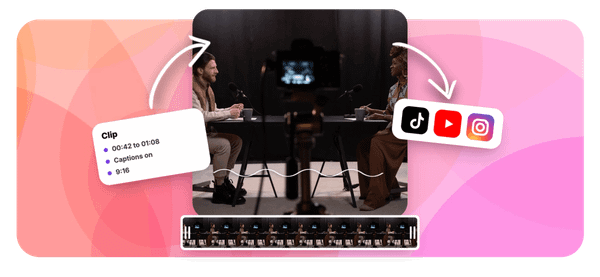
Getting started becomes simpler when you have the right tools backing your creative process. Crayo's clip creator tool helps you quickly turn your ideas into polished TikTok videos, even if you've never edited content before. Instead of wrestling with complicated software, you can focus on what matters: sharing your message, showcasing your products, and building genuine connections with your audience in those crucial first 10 minutes of creation.
Summary
- Most beginners treat TikTok content creation like waiting for creative lightning instead of building a repeatable system. They open the app, stare at the camera, hoping for inspiration, and close it, feeling stuck when nothing comes. This approach makes every video feel like starting from scratch, which is why posting becomes unpredictable, and the algorithm never rewards sporadic effort with consistent reach.
- Inconsistent content produces unusable data, preventing learning what actually works. When every video tests a different format, audience, or topic, you can't identify patterns because nothing repeats. You gather view counts and engagement numbers, but you can't connect them to specific decisions because the variables keep changing.
- TikTok now functions as a full search engine, according to SEO Sherpa, which means content needs a structure that holds attention long enough to answer what people came looking for. If your idea lacks a clear payoff in the first three seconds, viewers leave before the platform decides whether to push your video further.
- Videos between 21 and 34 seconds long achieve the highest average completion rates, according to InfluenceFlow's 2026 creator strategy analysis. This timeframe forces you to open with immediate tension or clarity and deliver value quickly, which eliminates room for meandering hooks or slow builds.
- Consistently posting three to five times weekly matters more than optimizing individual uploads. The algorithm rewards accounts that show up regularly, and your audience learns to expect content from you. Beginners who wait for perfect conditions or ideal timing end up training the platform that their account is unreliable, which limits reach, even when they finally do post something strong.
- Simple, repeatable formats remove the cognitive load that makes content creation feel exhausting. When you follow a defined structure like tip videos, mistake breakdowns, or before-and-after comparisons, you're not solving new creative problems with every post. You're using proven frameworks that guide the creation process, which turns posting from an unpredictable creative event into a task you know how to complete in under ten minutes.
Crayo's clip creator tool addresses this by automating formatting, subtitle timing, and voiceover generation so beginners can move from idea to polished content without learning editing software.
Why Beginners Struggle to Come Up with TikTok Content Ideas

Beginners struggle with TikTok content ideas because they treat creation as a lightning strike rather than a system. They open the app, stare at the camera, and wait for something clever to arrive. When nothing comes of it, they scroll for inspiration, save a dozen videos they'll never recreate, and close the app feeling stuck.
The problem isn't a lack of creativity. It's the absence of a repeatable process for turning observations into content. Without structure, every video feels like starting from scratch, and that weight becomes exhausting.
They Wait for Ideas Instead of Building an Idea System
Most beginners approach content creation backward. They decide it's time to post, then try to invent something worth filming in that moment. This makes every session feel like a creative test they might fail.
So they delay. They scroll through their feed, hoping something sparks an idea. They save trending sounds and popular formats, building a collection that grows faster than their posting schedule. The content library in their head stays theoretical because inspiration doesn't arrive on command.
When you depend on mood or energy to create, posting becomes unpredictable. Some weeks you'll film three videos. Other weeks, nothing. The algorithm doesn't reward sporadic effort, and neither does an audience deciding whether you're worth following.
They Follow Trends Without Understanding Why They Work
Copying what's already viral feels like the safest path. A trending sound hits millions of views, so beginners recreate it frame by frame, hoping the algorithm will reward familiarity. They use the same hook, the same transition, the same punchline.
The result is content that looks like everything else. Without understanding the structure behind the trend (the tension it creates, the curiosity it builds, the payoff it delivers), they can't adapt it to their own context. They're performing someone else's script in a room that doesn't match the original setting.
Trends work because they tap into something people already care about. When you copy the surface without grasping the underlying emotion or insight, your version feels flat. Viewers scroll past because they've already seen this exact video 17 times today, and yours adds nothing new.
They Try to Be Too Creative Too Early
Some beginners reject proven formats entirely, convinced they need completely original ideas to stand out. They overthink simple content, turning a ten-second observation into a production challenge that requires props, locations, and multiple takes. The bar they set makes filming feel like a commitment they're not ready to make.
This slows everything down. Instead of using simple, repeatable formats (like showing a before-and-after, answering a common question, or reacting to something relevant), they try to invent new styles from scratch. Creation becomes harder than it needs to be, and the gap between "I should post" and "I actually posted" stretches into days.
Crayo's clip creator tool helps beginners skip the technical overwhelm by automating formatting, subtitles, and transitions. You focus on the idea and the message. The tool handles the polish, so you're not stuck choosing between posting something simple or spending hours learning editing software you don't need yet.
The Time Cost of Running Out of Ideas
When beginners hit a creative wall, they don't just stop posting.
- They start spending time in ways that feel productive but don't move them forward.
- They watch tutorials about content strategy.
- They analyze viral videos, trying to reverse-engineer success.
- They reorganize their saved folder, convinced the perfect idea is buried somewhere in those 200 clips.
This searching becomes its own task. Instead of creating quickly, they get stuck in the idea phase, where every option feels either too simple or too complex. The longer they wait, the more pressure builds around the next post, and that pressure makes starting even harder.
But here's what most don't realize until it costs them weeks of momentum: the delay isn't just about one missed video.
Related Reading
- TikTok Content Ideas for Business
- What Does Content Under Review Mean on TikTok
- YouTube Shorts Ideas Without Showing Face
- Viral YouTube Shorts Ideas
- Why Is My Content Under Review on TikTok
- Creative Instagram Reels Ideas
- YouTube Shorts Content Ideas
- YouTube Shorts Ideas For Beginners
- How Long Can A Reel Be On Instagram
- Instagram Reels Ideas For Business
- What Does Promotional Content Mean on TikTok
- Instagram Reels Ideas For Beginners
- How Much Do Content Creators Make on TikTok
The Hidden Cost of Posting TikTok Content Without a Clear Idea System

Posting without a structured idea system doesn't just slow you down; it also makes you less productive. It creates a feedback loop where effort increases, but results stay flat, because you're solving the wrong problem each time. You're working harder on content that doesn't improve, mistaking activity for progress.
Inconsistent Content Creates Inconsistent Data
When every video tests a different format, audience, or topic, you can't identify patterns in what works. One day, you post a tutorial. The next is a trending sound. Then a personal story. Each performs differently, but you have no baseline to measure against because nothing repeats.
This variability makes the analytics page useless. You see view counts, but you can't connect them to decisions.
- Was the hook weak, or was the topic wrong?
- Did the pacing fail, or did you post at a bad time?
- Without controlled repetition, every result is noise.
You're gathering data that can't teach you anything because the variables keep changing.
The cost isn't the failed experiments. It's that you never learn what actually drives retention for your specific audience, so next week you're guessing again.
Weak Ideas Hurt Retention Before the Algorithm Even Sees Them
According to SEO Sherpa, TikTok now functions as a full search engine, which means content needs a structure that holds attention long enough to answer what people came looking for. If your idea lacks a clear payoff in the first three seconds, viewers leave before the platform decides whether to push your video further.
Retention as a Distribution Engine
Retention drives distribution. When your idea is vague (a general observation, a half-formed thought, something that meanders before making a point), people scroll past. The algorithm reads that as disinterest and limits your reach. You could have perfect lighting and smooth editing, but if the core idea doesn't create immediate curiosity or value, the technical quality won't save it.
Beginners often believe posting frequently will compensate for weak individual videos. But frequency without retention just means you're training the algorithm that your content doesn't hold attention. Each low-performing video reinforces that pattern.
Effort Without Feedback Loops Doesn't Compound
You can post fifty videos and still make the same mistakes in video fifty-one if you're not tracking what changed between attempts.
Improvement requires comparing results against specific adjustments:
- Did shortening the hook increase watch time?
- Did changing the opening question boost shares?
Without this structure, you're repeating effort that doesn't build on itself.
Creative Feedback and Iterative Growth
Many creators spend hours filming and editing, then move immediately to the next video without reviewing what the last one taught them. They treat each post as isolated work rather than as part of a learning system. Time invested this way doesn't accumulate into skill because there's no mechanism turning experience into insight.
The real cost isn't the hours spent creating. It's that those hours don't make the next video easier, faster, or better. You're working hard without getting more efficient, which eventually leads to burnout because the effort never decreases.
But the part that quietly drains momentum faster than anything else? The creative fatigue that shows up right when consistency matters most.
5 TikTok Content Ideas Beginners Can Create in 10 Minutes

1. "Do This" Tip Videos
Share one clear, actionable instruction that solves a specific problem. The format is direct: identify what's broken, then show the fix. "If your TikTok videos aren't getting views, do this..." followed by a single tactical change viewers can implement immediately.
This works because it removes decision paralysis. You're not asking people to remember five steps or bookmark your video for later. You're giving them one thing to try right now. The simplicity keeps retention high because viewers know exactly what they're getting in the first three seconds, and the payoff arrives before they have time to scroll.
Straightforward instructional content consistently outperforms complex tutorials for new creators because it requires minimal setup and delivers immediate value. No heavy editing. No scripting beyond a single sentence. Record it once, post it, move on.
2. Mistake-Based Videos
Highlight a common error your audience is making, then explain why it's costing them results. Three mistakes beginners make on TikTok create natural curiosity because people want to know if they're doing something wrong.
The structure writes itself:
- State the mistake
- Show the consequence
- Offer the correction
Loss Aversion and Psychological Engagement
This format taps into loss aversion. Viewers stay through the entire video because missing one mistake feels riskier than scrolling past it. You're not selling them on improvement; you're protecting them from failure. That emotional shift changes how they engage with the content.
The best part? You already know these mistakes because you've either made them yourself or watched others struggle with them. You're not inventing insights. You're organizing observations into a framework that feels helpful rather than preachy.
3. "If You..." Videos
Speak directly to a specific situation or struggle. "If you're struggling to grow on TikTok, watch this..." immediately filters your audience. People who aren't struggling scroll past. People who feel like you're talking directly to them are more likely to watch until the end.
Specificity creates connection. When you name the exact problem someone is experiencing, they assume you understand their context better than generic advice ever could. This isn't about being niche for its own sake. It's about making your content feel personally relevant instead of broadly applicable.
You can film this in one take because the script is just you addressing the camera, as if you're answering a friend's question. No transitions. No B-roll. Just clarity delivered with enough empathy that it doesn't feel like a lecture.
4. Before-and-After Videos
Show a result or transformation without overcomplicating the setup. "Before vs after fixing this one thing" works because human brains are wired to notice change. The contrast creates instant curiosity about what happened between the two states.
This doesn't require fancy editing. You can film the "before" state, explain what you changed, then show the "after" result. The structure is self-explanatory, which means viewers don't need context to understand what they're watching. They see the difference and stay to learn how you created it.
The engagement comes from the reveal. People watch to see whether the payoff matches the setup. As long as the transformation is visible and the explanation is clear, the format does most of the work for you.
5. Trend + Value Videos
Use a trending sound or format, but layer in useful information instead of just recreating what's already viral. According to AI Photo Generator's breakdown of practical content approaches, combining trends with educational value helps beginners reach new audiences while building credibility. The trend gets you discovered. The value keeps people watching.
This works because you're not competing on creativity alone. You're using momentum that already exists (the trending audio, the popular format) and adding substance that makes your version worth saving or sharing. The algorithm favors the trend. Your audience favors the insight.
Functional Adaptation and Automated Execution
You don't need to invent new styles or wait for inspiration. You're adapting what's already working and making it useful. That's faster than starting from scratch, and it teaches you how successful formats function without requiring you to guess.
Crayo's clip creator tool handles the technical execution (automated subtitles, transitions, background removal) so you can focus entirely on the idea and the delivery. You're not stuck choosing between posting something simple or spending hours learning to edit with software. The tool formats the content while you focus on making it clear and valuable.
Why These Ideas Work
These formats are effective because they reduce the distance between deciding to post and actually posting. You're not waiting for perfect conditions or elaborate setups. You're using structures that guide the content creation process, which removes the paralysis that comes from staring at a blank camera screen.
They're also repeatable without feeling repetitive. A "Do This" video about hooks is different from a "Do This" video about captions, even though the format stays the same. The framework provides consistency. The topic provides variety. That balance makes it easier to post regularly without burning out on creativity.
Data Feedback and Strategic Optimization
Most importantly, these ideas teach you what holds attention by giving you controlled experiments. When you use the same format multiple times across different topics, you start to notice which subjects drive higher retention, more shares, or better comments. That feedback loop is what turns random posting into strategic content creation.
But knowing the formats is only half of it. The other half is building a system that makes using them feel automatic instead of effortful.
Related Reading
- Instagram Reel Hook Ideas
- How To Create A Reel On Instagram
- Instagram Reel Caption Ideas
- Best Time To Post A Reel On Instagram
- Best Content For Tiktok
- How To Analyze Tiktok Video Content
- How To Schedule A Reel On Instagram
- Instagram Story Vs Reel
- Best Content Strategy Tiktok
- How To Make Looping Content For Tiktok
- Ai Tools for TikTok Content Creation
The 10-Minute Workflow to Create TikTok Content Consistently
Speed isn't about rushing. It's about removing the decisions that slow you down before you even start filming. A clear workflow turns content creation from an open-ended creative task into a repeatable process where each step has a defined purpose and time limit.
This system works because it eliminates the pause points where beginners get stuck:
- What should I say?
- How should I frame this?
- Does this need another take?
You're not waiting for inspiration. You're following a structure that produces finished content, whether or not you feel creative.
Pick One Format in Under a Minute
Choose a single idea from the formats we covered earlier:
- A tip
- A mistake
- An "if you" statement
- A before-and-after
- A trend with added value
The constraint matters. One idea keeps your message clear and prevents you from trying to explain three things in a fifteen-second video.
Decision Efficiency and Idea Selection
Beginners often stall here because they treat idea selection like a creative audition. They scroll through saved videos, reconsider yesterday's half-formed thoughts, and wonder if this topic is "good enough" to post. That hesitation costs more than the minute you're supposed to spend on this step. It compounds into hours of delayed action.
Set a timer. When it goes off, you've made your choice. The goal isn't finding the perfect idea. It's selecting something specific enough to film without needing to invent a new structure mid-recording.
Write Your Hook in Two Minutes
Your opening line determines whether people stay past the third second. Start with a statement that creates immediate curiosity or addresses a specific pain point. "You're losing followers because of this mistake" works better than "Here's something interesting about TikTok" because it names a consequence people want to avoid.
According to InfluenceFlow, videos between 21 and 34 seconds get the highest average completion rates. That timeframe forces you to open strong and deliver value quickly, which means your hook can't meander. You need tension or clarity in the first breath.
Write it down. Say it out loud once. If it sounds like something you'd actually say to a friend who asked for help, it's ready. If it sounds like you're performing or trying too hard to be clever, simplify it. Natural delivery beats polished scripts when you're filming in one take.
Deliver One Clear Point in Three Minutes
Explain your idea without branching into secondary topics. If you're showing a mistake, describe what it is, why it matters, and what to do instead. That's the entire structure.
- No backstory about how you discovered this.
- No tangent about related problems.
- Just the core insight delivered as simply as possible.
Clarity and Structural Simplicity
Creators often feel like they need to prove expertise by adding layers of nuance or covering edge cases. That instinct makes content harder to follow and weakens retention because viewers lose track of the main point. Simplicity isn't about dumbing things down. It's about respecting the format's constraints and your audience's attention span.
If you can't explain your point in three sentences, the idea is either too complex for this video, or you haven't clarified it enough in your own mind. Tighten it until the explanation feels obvious, then film that version.
Record Naturally in Two Minutes
Film in one or two takes. The first take captures your natural pacing and tone. The second take (if you need it) fixes any stumbles or unclear phrasing. Beyond that, you're not improving clarity. You're chasing a level of polish that doesn't meaningfully change whether people find the content useful.
Many beginners believe they need perfect delivery before posting, so they record ten takes trying to eliminate every pause or verbal filler. What they don't realize is that minor imperfections make content feel more human, which actually increases trust. People scroll past overly rehearsed videos because they feel like ads, not advice.
Keep your phone steady. Look at the camera. Say what you planned to say. If you mess up a word, pause and restart that sentence. You're not performing for a teleprompter. You're talking to someone who needs the information you have.
Add Captions and Post in Two Minutes
Add simple captions that highlight the key point or create urgency. "Try this if your views dropped" works better than a generic description because it tells viewers exactly why they should care. Write one sentence that reinforces the hook or clarifies the payoff, then post immediately.
The delay between finishing a video and publishing it is where momentum dies. You start second-guessing the idea, wondering if the lighting was good enough, or convincing yourself to wait for a "better time" to post. None of that analysis improves the video. It just keeps it off the platform where it could be teaching you what actually works.
Consistently posting 3-5 times weekly matters more than optimizing individual uploads. The algorithm rewards accounts that show up regularly, and your audience learns to expect content from you. Posting immediately after creation builds that rhythm faster than waiting for perfect conditions that never arrive.
Why This Workflow Fixes the Real Problem
The system removes the cognitive load that makes content creation feel exhausting. You're not making dozens of micro-decisions every time you film. You're following a sequence that's already proven to work, which frees your brain to focus on the substance of what you're saying instead of how to structure it.
Beginners who skip this kind of framework end up treating every video like a unique creative challenge. That approach burns energy fast because there's no efficiency gain between video one and video twenty. You're solving the same structural problems over and over instead of building speed through repetition.
Automation and Consistency Habits
This workflow turns posting from an event into a habit. The ten-minute constraint forces you to prioritize finishing over perfecting, which means you actually publish instead of endlessly refining drafts that never go live.
When you remove the technical friction (formatting, transitions, subtitle timing), the entire process gets faster. Crayo's clip creator tool automates the parts that used to require editing software and tutorial videos, so you can move from recorded footage to polished content without learning new skills. You focus on the message. The tool handles the presentation.
What Changes After You Use This System
After a week of following this workflow, you'll notice something shift. Content creation stops feeling like a creative test you might fail and starts feeling like a task you know how to complete. The anxiety around "what should I post" fades because you have a process that answers that question in under a minute.
Your posting schedule becomes predictable. Instead of waiting for inspiration or motivation, you sit down, run through the steps, and publish. That consistency changes how the algorithm treats your content because it sees an account that shows up regularly, which signals credibility.
You also start recognizing patterns faster. When you use the same format across different topics, you can compare retention rates and engagement to see which subjects your audience actually cares about. That feedback loop is what turns random content into strategic decisions.
Create TikTok Content Faster With Crayo AI
When creating TikTok content takes too long, the problem isn't your ideas. It's the time spent turning those ideas into structured, ready-to-post videos. Most beginners waste hours on tasks that don't improve the core message (writing captions manually, adjusting subtitle timing, recording multiple takes because they can't visualize the final result). That friction is what kills momentum.
Instead of thinking about what to say every time, struggling to write hooks, recording multiple takes, and manually adding captions, you can drop your idea into Crayo AI. It generates a scroll-stopping hook and simple script, turns that script into a ready-to-use voiceover, adds captions instantly, and lets you export in minutes. The tool removes the technical decisions that slow you down before you even start filming.
Streamlined Workflow and Consistent Output
- No more overthinking content
- Wasting time editing
- Inconsistent posting
In under ten minutes, you'll have a clear, structured video with a strong hook that grabs attention and captions ready for TikTok. The system handles formatting while you focus on the substance of what you're saying.
Growth is not about having more time. It's about removing friction from your process. Open Crayo AI, input your idea, and turn it into a TikTok video you can post immediately. That shift from planning to publishing is what changes sporadic effort into consistent output, and consistent output is what the algorithm rewards.
Related Reading
- Tiktok Content Ideas Without Showing Face
- Tiktok Content Creation Tips
- How to Become a Content Creator on TikTok
- Best Social Media Content Creation Tools
- Later Alternative
- Sprout Social Alternative
- Buffer Alternative
- Ai Tools For Social Media Content Creation
- Hootsuite Alternative
- ContentStudio Alternatives