
Your TikTok business account isn't growing because you're posting what you think works instead of what actually drives engagement. The gap between random content and strategic TikTok content ideas for business often determines whether your brand gets 100 views or 100,000. This article reveals 7 best TikTok content ideas to boost engagement in 15 days, providing a proven framework to transform your presence on the platform and connect with audiences ready to engage with your brand.
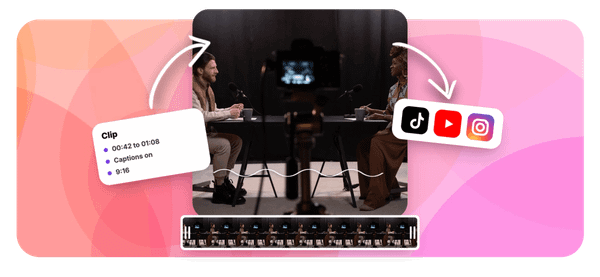
Creating consistent, engaging videos takes time you probably don't have, which is where Crayo's clip creator tool becomes invaluable. Instead of spending hours editing each post, you can streamline your content production to focus on what matters: implementing these seven strategies and watching your engagement metrics climb.
Table of Contents
- Why TikTok Creators Struggle to Get Engagement
- The Hidden Cost of Posting Without a Clear Content Strategy
- 7 Best TikTok Content Ideas to Boost Engagement in 15 Days
- The 15-Day Workflow to Create High-Engagement TikTok Content Consistently
- Create High-Engagement Reel Captions Faster With Crayo AI
Summary
- Random content kills momentum because viewers can't figure out what you're about when your style shifts constantly between tutorials, behind-the-scenes, and memes. When each piece exists in isolation, disconnected from a larger strategy, people might watch and enjoy your content, but they won't follow because they don't know what to expect next time.
- Posting without a strategy wastes 26% of marketing effort on unaligned content, according to HubSpot's 2025 Marketing Report. For creators, that translates to one in four videos producing almost no return because it wasn't designed for the people watching. The mismatch isn't about effort; it's about targeting, and without understanding who you're creating for and what they need, every video becomes a gamble.
- TikTok decides whether to push your content in the first few hours after posting based entirely on early engagement signals. If viewers watch, comment on, share, or save your video within that window, the algorithm interprets it as valuable and expands its reach. Posting without optimizing for those critical early interactions is why videos often stall at a few hundred views regardless of quality.
- Educational content achieves 60%+ completion rates according to InfluenceFlow's 2025 Creator Metrics Guide because it delivers immediate value viewers want to retain. Leading with surprising facts or counterintuitive insights stops the scroll immediately by challenging what viewers assume they already understand. The format promises quick value without requiring a time investment, which aligns perfectly with how people consume short-form video.
- Separating content creation tasks into distinct phases (audit, ideate, create, caption, schedule, analyze) prevents the mental whiplash of constantly switching between creative and analytical modes. Creators who try to brainstorm, film, edit, caption, post, and engage all in one sitting every single day burn out within weeks.
Crayo's clip creator tool addresses production bottlenecks by compressing editing from hours to minutes through automated caption placement, transitions, and effects, letting creators test multiple content variations quickly and refine their approach based on performance data rather than guesswork.
Why TikTok Creators Struggle to Get Engagement
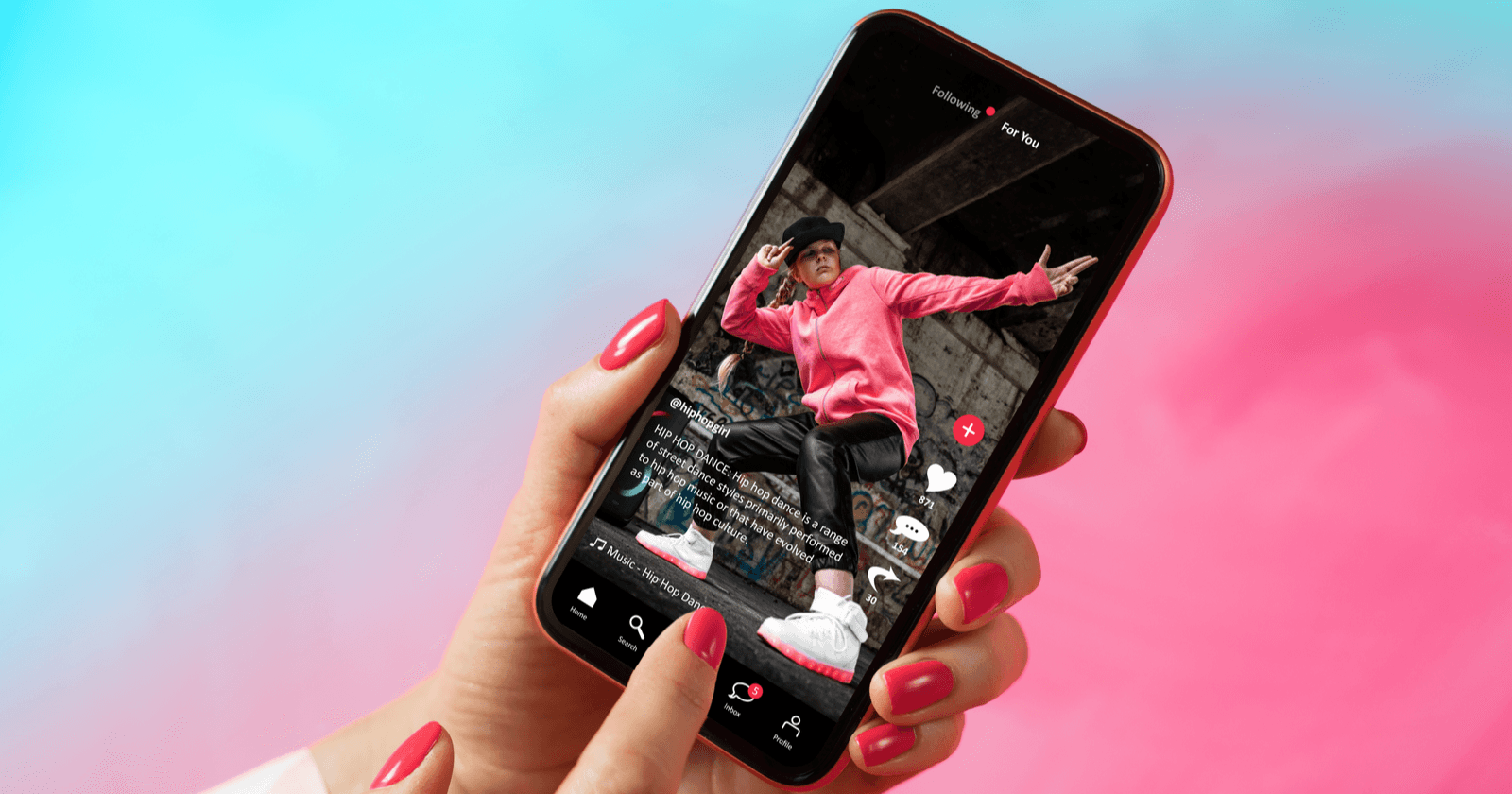
Creators struggle to get engagement because they post without a strategy, chase trends without adapting them, and fail to spark conversation. The result is content that racks up views but doesn't convert into comments, shares, or followers. When you optimize for visibility instead of interaction, you build an audience of passive scrollers, not an engaged community.
Random Content Kills Momentum
Posting whatever feels right in the moment might work once or twice, but it won't build anything lasting. When your content style shifts every few days (tutorial one day, behind-the-scenes the next, meme the day after), viewers can't figure out what you're about. They watch, maybe enjoy it, but don't follow because they don't know what to expect next time. Consistency in theme and tone isn't about limiting creativity. It's about giving people a reason to come back.
Many creators waste time experimenting with various content types without understanding why engagement remains low. They try reaction videos, then switch to educational content, then pivot to humor, all within a week. The problem isn't the variety itself. It's that each piece exists in isolation, disconnected from a larger strategy that builds recognition and trust over time.
Trends Without Context Feel Hollow
Jumping on trending sounds or challenges can bring temporary visibility, but InfluenceFlow's 2025 Creator Metrics Guide shows that one video might get 50K views while the next gets 5K. That volatility happens when creators copy formats without adding their unique perspective or aligning the trend to their niche. The audience sees through it. They recognize when you're chasing reach instead of creating something that matters specifically to them.
The belief that following trends guarantees engagement misses the point entirely. Trends work when they amplify what you already stand for, when they give you a new way to express your core message. Without that connection, you're just adding noise to an already crowded feed, hoping the algorithm notices you long enough to matter.
Algorithm Optimization Isn't Optional
TikTok rewards content that keeps viewers engaged, but too many creators treat optimization like an afterthought. They post without considering timing, use hashtags randomly, and skip features like captions or text overlays that help the algorithm understand context. Well-made content gets buried not because it lacks quality, but because it lacks the signals TikTok uses to decide who should see it. The platform doesn't care how much effort you put into filming or editing if it can't figure out who wants to watch.
Creative Efficiency and Algorithmic Alignment
When creators approach content production as purely creative work, they miss the systematic side that drives reach. Tools like Crayo's clip creator remove the technical barriers that slow down testing and refinement, letting you focus on what actually moves engagement:
- Strong hooks
- Clear messaging
- Content that satisfies viewer intent within the first three seconds
Professional-quality output becomes accessible without advanced editing skills, which means you can iterate faster and learn what works before the algorithm moves on.
Engagement Requires Participation
Posting content and then walking away treats TikTok like a broadcast platform rather than a social one. Creators who don't respond to comments, ask questions, or encourage interaction miss the community-building layer that turns viewers into followers. The algorithm notices this, too. When your content sparks conversation, and you participate in it, TikTok interprets that as a signal of value and pushes your videos further. The frustration comes from believing good content alone will drive engagement. It won't. People engage when they feel seen, when their comment gets a reply, when you ask them to share their experience or opinion. That participation loop is what separates creators who build loyal audiences from those who chase views without retention.
Related Reading
- TikTok Content Ideas for Business
- What Does Content Under Review Mean on TikTok
- YouTube Shorts Ideas Without Showing Face
- Viral YouTube Shorts Ideas
- Why Is My Content Under Review on TikTok
- Creative Instagram Reels Ideas
- YouTube Shorts Content Ideas
- YouTube Shorts Ideas For Beginners
- How Long Can A Reel Be On Instagram
- Instagram Reels Ideas For Business
- What Does Promotional Content Mean on TikTok
- Instagram Reels Ideas For Beginners
- How Much Do Content Creators Make on TikTok
The Hidden Cost of Posting Without a Clear Content Strategy
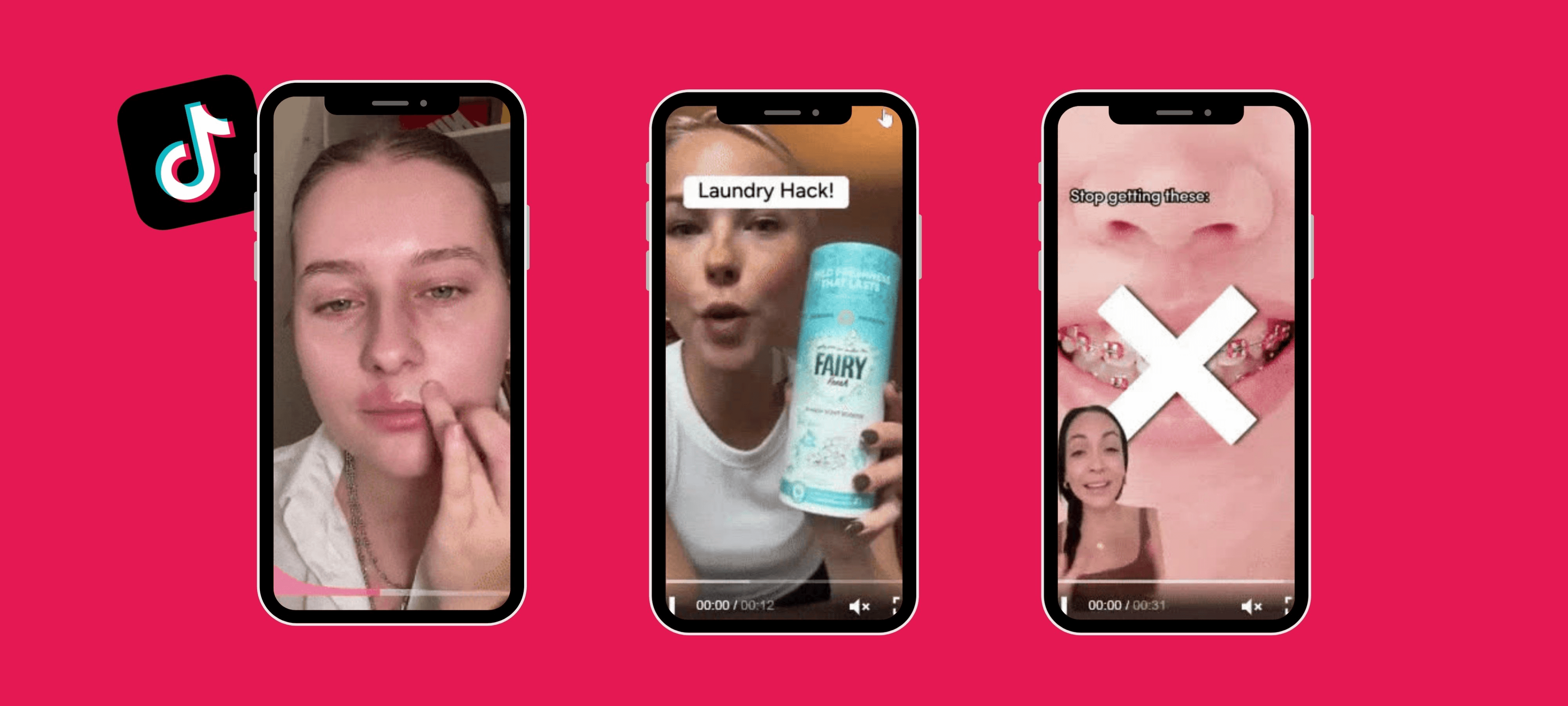
Posting without a strategy doesn't just slow growth; it also undermines it. It burns time creating content that never connects, trains the algorithm to ignore you, and builds an audience of passive scrollers who vanish the moment you need them to act. The real expense isn't the hours spent filming or editing. It's the opportunity cost of every video that could have sparked conversation, earned shares, or converted viewers into followers, but didn't because you skipped the planning that makes engagement inevitable.
Engagement Doesn't Happen by Accident
Creators assume quality content naturally drives interaction. It doesn't. When you post a video without asking viewers to comment, share their experience, or answer a question, you're hoping they'll engage on instinct. According to Content Marketing Institute's 2025 research, 60% of brands admit they post content without a documented strategy, which explains why so many videos rack up views but generate zero conversation. The algorithm notices this silence. When your content fails to spark early engagement, TikTok interprets it as uninteresting and stops pushing it to new audiences.
Engagement Triggers and Algorithmic Reach
The pattern surfaces across every niche. A creator posts a tutorial that gets 10K views but only 12 comments. Another post with the same type of content, with a simple question overlay asking viewers to share their biggest struggle in the comments. Same production quality, same topic, but the second video gets 200+ comments because it gave people a reason to participate. That participation signals value to the algorithm, which extends reach. Without that trigger, viewers watch and scroll, leaving nothing behind that tells TikTok your content matters.
Inconsistent Posting Confuses Everyone
Random posting schedules don't just hurt your momentum. They teach the algorithm that your content is unreliable, so it is hesitant to recommend you. When you post three videos one week, nothing for ten days, then two more, TikTok can't predict when you'll show up or who wants to see it. The platform rewards consistency because it helps match content to viewers who check the app at specific times. Irregular creators miss those windows entirely, which means even loyal followers might never see your next video simply because you posted when they weren't active.
Algorithmic Reliability and Posting Consistency
The problem compounds when creators believe sporadic posting "when inspiration strikes" is authentic. It might feel genuine, but it ignores how platforms distribute content. TikTok prioritizes creators who demonstrate reliability because reliable creators keep users engaged longer. If your posting pattern looks chaotic, the algorithm assumes you're not serious about building an audience and allocates reach to creators who are. That's not a judgment on your creativity. It's a systematic response to behavior patterns the platform has learned to predict long-term user retention.
Wasted Effort on Content That Doesn't Fit
Creating videos without understanding what your audience actually wants means you're guessing, and most guesses miss the mark. Creators spend hours filming, editing, and perfecting content that never lands because it doesn't align with viewer intent or platform expectations. You might make a beautifully shot behind-the-scenes video when your audience comes to you for quick tips, or post a lengthy explanation when they want fast entertainment. The mismatch isn't about effort. It's about targeting, and without a clear strategy defining who you're creating for and what they need, every video becomes a gamble.
Strategic Efficiency and Rapid Iteration
Brands waste an average of 26% of their marketing budget on unaligned content. For creators, that translates to one in four videos producing almost no return because it wasn't designed for the people watching. When you batch create content using tools like Crayo's clip creator, you can test multiple formats quickly, identify what resonates, and refine your approach before investing weeks into content that might flop. Speed matters because it lets you learn faster, which means less wasted effort on videos that never had a chance to connect.
The Algorithm Needs Early Signals
TikTok decides whether to push your content in the first few hours after posting, and that decision hinges entirely on early engagement. If viewers watch, comment on, share, or save your video within that window, the algorithm interprets it as valuable and expands its reach. If those signals don't appear, the distribution stops. Posting without a strategy means you're not optimizing for those critical early interactions, which is why videos often stall at a few hundred views regardless of quality. The platform isn't punishing you. It just hasn't received proof that anyone cares enough to engage.
Strategic Optimization and Algorithmic Signaling
Creators who understand this structure tailor their content to trigger an immediate response. They open with a hook that promises value within three seconds, use text overlays that encourage comments, and post when their audience is most active. These aren't tricks. They're systematic choices based on how the algorithm measures value, and skipping them means you're asking TikTok to promote content without giving it the data it needs to justify that promotion.
Related Reading
- Instagram Reel Hook Ideas
- How To Create A Reel On Instagram
- Instagram Reel Caption Ideas
- Tiktok Content Ideas For Beginners
- Best Time To Post A Reel On Instagram
- How To Analyze Tiktok Video Content
- How To Schedule A Reel On Instagram
- Instagram Story Vs Reel
- Best Content Strategy Tiktok
- How To Make Looping Content For Tiktok
- Ai Tools for TikTok Content Creation
7 Best TikTok Content Ideas to Boost Engagement in 15 Days
1. Question-Based Content That Demands a Response
Asking viewers to choose between two options converts passive watching into active participation faster than any other format. "Which one would you pick, A or B?" or "Red flag or green flag?" forces a decision, and decisions create comments. The question itself becomes the hook, the content demonstrates both options, and the call to action is implicit in the format. You're not begging for engagement. You're making it harder not to engage than to scroll past.
The mistake most creators make is asking vague questions that require effort to answer. "What do you think about this?" gets ignored because it demands creativity from viewers who came to be entertained, not to write essays. Specific, binary choices remove friction. They let people participate with a single letter or emoji, which means higher response rates and stronger algorithmic signals that your content sparks conversation.
2. Did You Know? Educational Hooks
Leading with a surprising fact or counterintuitive insight stops the scroll immediately because it challenges what viewers assume they already understand. "Did you know you lose 80% of viewers in the first three seconds?" works because it reframes their entire approach to content creation in one sentence. The format promises quick value without requiring a time investment, which aligns perfectly with how people consume short-form video.
PlayPlay Blog's 2025 research recommends posting educational content 5-7 times per week, as consistency in delivering value builds trust faster than sporadic entertainment. When viewers know they'll learn something useful every time they see your content, they follow. When they only get value occasionally, they watch but don't commit. The difference between a viewer and a follower is predictability, and educational formats deliver that more reliably than trend-chasing ever could.
3. Debate-Triggering Opinion Statements
Presenting a polarizing statement followed by "Agree or disagree?" creates emotional responses that translate directly into comments. "Consistency matters more than creativity" or "You don't need expensive gear to go viral" aren't neutral observations. They're positions that people either defend or challenge, and both reactions drive engagement. The content itself becomes secondary to the conversation it sparks, which is exactly what the algorithm rewards.
The key is choosing statements that reflect genuine tensions in your niche, not manufactured controversy. When the debate feels authentic, people engage because they care about the outcome. When it feels like engagement bait, they scroll. The difference shows up in the quality of comments. Real debates generate thoughtful responses and back-and-forth discussion. Fake controversy gets low-effort reactions that don't signal lasting value to TikTok's distribution system.
4. Behind-the-Scenes Process Reveals
Showing how you create content, run your business, or solve problems removes the polished facade that makes creators feel distant and unrelatable. "Here's how I film TikToks in 10 minutes" or "My exact workflow for batch creating a week of content" works because it satisfies curiosity while providing actionable frameworks viewers can adapt. You're not just entertaining. You're teaching by demonstration, which creates both engagement and authority.
When creators batch-produce content with tools like Crayo's clip creator, they can turn a single filming session into multiple behind-the-scenes videos, each showing a different angle of the same process. The three-step workflow (script generation, automated editing, and export with captions and effects) becomes the content itself, demonstrating that professional-quality output is achievable without advanced technical skills. That accessibility resonates because it proves viral content creation is systematic, not magical.
5. Direct Call-to-Action Formats
Telling viewers exactly what to do next removes decision fatigue and converts interest into measurable action. "Tag someone who needs to hear this" or "Save this for later when you're ready to start" gives people a specific, low-effort way to engage that also extends your reach. The directness isn't pushy when the content has already delivered value. It's a natural next step that benefits both creator and viewer.
The problem with weak CTAs is that they're either too vague ("let me know what you think") or too demanding ("follow for more and turn on notifications"). Effective calls to action match the effort level to the value received. If you just taught someone a useful framework in 30 seconds, asking them to save it is proportional. Asking them to follow, like, comment, share, and subscribe feels extractive. The algorithm detects when CTAs generate genuine responses rather than hollow requests.
6. Relatable Struggle or Frustration Content
Naming a specific pain point your audience experiences creates an instant connection because it proves you understand their reality. "When you film the perfect take and realize your mic wasn't on," or "That moment when the algorithm shows your video to everyone except your target audience," doesn't just entertain; it also speaks to the realities of the digital world. It validates shared frustration, which builds community faster than aspirational content ever could.
Many creators believe they need to project success constantly to attract followers. The opposite is true. Vulnerability about challenges, mistakes, and setbacks makes you human, which makes people care whether you succeed. When you share struggles authentically, viewers comment with their own experiences, creating threads of mutual support that signal high-value content to TikTok's recommendation system. That community-building aspect matters more for long-term growth than any single viral hit.
7. Transformation or Before/After Demonstrations
Showing visible change over time (whether in skills, results, or process efficiency) provides concrete proof that your methods work. "Day 1 vs. Day 30 of posting consistently" or "My editing process before and after learning these three shortcuts" leverages curiosity about improvement while demonstrating achievable progress. The format works because it's simultaneously aspirational and accessible. Viewers see the gap between where they are and where they could be, which motivates both engagement and following.
The transformation doesn't need to be dramatic to be effective. Small, specific improvements often resonate more than massive overhauls because they feel attainable. When you show how one workflow change cut your editing time from two hours to twenty minutes, creators at every level can imagine implementing that shift. That practical applicability drives saves and shares, which tells the algorithm your content has lasting value worth distributing beyond your existing audience.
The 15-Day Workflow to Create High-Engagement TikTok Content Consistently
Consistent engagement comes from repeating what works, not reinventing your approach every time you post. A structured 15-day workflow removes the guesswork by batching creation, scheduling strategically, and tracking what drives interactions so you can refine based on evidence rather than instinct. When you separate ideation from execution and measure results systematically, you stop hoping for engagement and start engineering it.
Days 1-3: Audit What's Already Working
Start by analyzing your last 30 videos to identify patterns in your best performers. Look beyond view counts to metrics that signal genuine interest: average watch time, shares, saves, and comment threads longer than one response. Educational content often achieves 60%+ completion rates because it delivers immediate value that viewers want to retain. If your tutorials consistently outperform your entertainment content, that's your baseline, not an accident. Document which hooks stopped the scroll, which CTAs generated comments, and which topics sparked debate. This isn't about copying successful videos. It's about understanding why they worked, so you can apply those principles to new content without starting from scratch every time.
Days 4-6: Batch Create Content Themes
Plan five content themes based on your audit findings, then create multiple variations of each. If question-based content drives your highest engagement, develop ten different questions your audience cares about answering. If the transformation content performs well, outline five before/after scenarios you can demonstrate. Batching around proven formats lets you produce faster because you're not constantly switching creative modes.
Most creators waste energy deciding what to make every single day. That decision fatigue compounds when you're also filming, editing, writing captions, and posting. When you separate ideation into its own phase, you free up mental space during production to focus purely on execution quality.
Days 7-9: Film and Edit in Focused Sessions
Block three hours to film all planned content in one session. Use the same lighting setup, background, and outfit to maintain visual consistency while minimizing setup time between takes. When you're not constantly adjusting technical elements, you can focus on delivery, pacing, and energy, which matter more for retention than perfect production quality.
Platforms like Crayo's clip creator compress editing from hours to minutes by automating caption placement, transitions, and effects that normally require manual adjustment in traditional editing software. The three-step workflow (generate script, auto-edit with AI voiceovers and subtitles, export with background removal) means you can produce professional-quality content without advanced technical skills. That speed matters because it lets you test multiple variations of the same concept quickly, identifying what resonates before you've invested weeks into a single approach.
Days 10-12: Write Captions That Trigger Response
Draft captions for all batched content using the formats that drove engagement in your audit. If "agree or disagree" questions generated 200+ comments on previous posts, structure new captions around similar binary choices. If direct CTAs like "tag someone who needs this" extended reach through shares, build that instruction into every relevant video. The mistake is treating captions as afterthoughts you write seconds before posting. When you batch caption creation separately from filming, you can refine language, test different CTAs, and ensure every word serves the goal of sparking interaction. That intentionality shows up in response rates.
Days 13-14: Schedule Posts Strategically
Post when your audience is most active, which you can identify through TikTok Analytics, showing when your followers are online. Consistency in timing trains both the algorithm and your audience to expect content at predictable intervals, which improves early engagement signals that determine distribution. Schedule at least one video per day, spacing posts 18-24 hours apart to give each piece time to accumulate engagement before the next one appears. Posting three videos in one morning, then nothing for five days, confuses the algorithm and fragments audience attention. Regular cadence builds momentum that sporadic posting never achieves.
Day 15: Analyze, Refine, Repeat
Review performance data for all posted content, comparing engagement rates across different formats, hooks, and CTAs. Identify which videos exceeded your baseline metrics and which underperformed, then adjust your next 15-day batch based on those findings. This iterative approach turns content creation from guessing into systematic improvement. The workflow isn't about perfection in the first cycle. It's about creating a repeatable process that gets smarter every iteration. When you know what worked last time, you can do more of it next time without reinventing your entire strategy.
Why This Structure Prevents Burnout
Separating tasks into distinct phases (audit, ideate, create, caption, schedule, analyze) prevents the mental whiplash of constantly switching between creative and analytical modes. When you're filming, you're only filming. When you're analyzing data, you're only analyzing. That focus reduces cognitive load and makes each task feel manageable instead of overwhelming. Creators who try to do everything in one sitting (brainstorm, film, edit, caption, post, engage) every single day burn out within weeks. The workflow feels sustainable because it aligns with how our brains work best: deep focus on one task at a time, not constant context switching between unrelated tasks.
The Compounding Effect of Consistency
Posting daily for 15 days using content you've already created means you're not scrambling for ideas or rushing edits at the last minute. That consistency signals reliability to the algorithm, which increases the likelihood that TikTok will test your content with broader audiences. Each video builds on the momentum of the previous one instead of starting from zero every time. The pattern becomes clear after three or four cycles. Your baseline engagement rises because you're systematically doing more of what works and eliminating what doesn't. That's not luck or viral magic. It's the inevitable result of treating content creation as a process you refine rather than a creative act you hope will land.
Create High-Engagement Reel Captions Faster With Crayo AI
If writing Instagram Reel captions is slowing you down or not driving the engagement you want, the problem isn't your creativity. It's the time spent turning ideas into captions that grab attention, spark comments, and convert viewers into followers. When you're stuck rewriting the same caption five times or guessing which CTA will land, you're burning energy that should go toward creating more content.
The friction shows up in predictable ways. You film a strong reel, then stare at a blank caption box trying to decide between a question hook, a bold statement, or a story opener. You draft something, delete it, try again, and wonder if it sounds too salesy or too vague. By the time you post, you've spent twenty minutes on a caption that gets three generic comments because it didn't give viewers a clear reason to engage. That delay compounds across every video you create, turning what should be a quick posting rhythm into an exhausting creative bottleneck.
Stop Guessing, Start Testing
Drop your reel idea into Crayo AI and let it generate multiple caption variations tailored to your goal (whether that's driving comments, shares, or profile visits). Pick the version that fits your message and audience, then refine the CTA to match the engagement type you're optimizing for. The clip creator tool removes the brainstorming lag by giving you proven caption structures instantly, which means you can test different approaches across multiple posts instead of committing to one guess and hoping it works.
The speed matters because it lets you iterate based on real performance data rather than intuition. When you can generate five caption options in under two minutes, you stop agonizing over which one might work and start posting enough variations to see which one actually does. That testing velocity is what separates creators who refine their approach weekly from those still using the same caption formula that stopped working months ago.
What You Get in Under Ten Minutes
You'll have captions that open with hooks strong enough to stop the scroll, include CTAs specific enough to trigger the response you want, and maintain consistency in voice without sounding robotic.
- No more generic "double tap if you agree" placeholders that generate passive likes instead of active conversation.
- No more posting without a clear participation trigger, then wondering why engagement stays flat despite solid view counts.
Writing captions isn't about making them perfect. It's about making them engaging enough that viewers feel compelled to respond, and doing it fast enough that caption creation never becomes the reason you post less. Open Crayo AI now, input your idea, and create captions that turn viewers into participants.
Related Reading
- Tiktok Content Ideas Without Showing Face
- Tiktok Content Creation Tips
- How to Become a Content Creator on TikTok
- Best Social Media Content Creation Tools
- Later Alternative
- Sprout Social Alternative
- Buffer Alternative
- Ai Tools For Social Media Content Creation
- Hootsuite Alternative
- ContentStudio Alternatives