

You post a TikTok video, check back an hour later, and see three views, two of which are probably yours. It's frustrating, especially when you watch other creators rack up thousands of views on content that feels no different from what you're making. The good news is that low views are almost never random, and this article breaks down 7 specific reasons your TikTok gets no views, along with fixes you can apply in 30 minutes, before the TikTok brain-rot content cycle moves on without you.
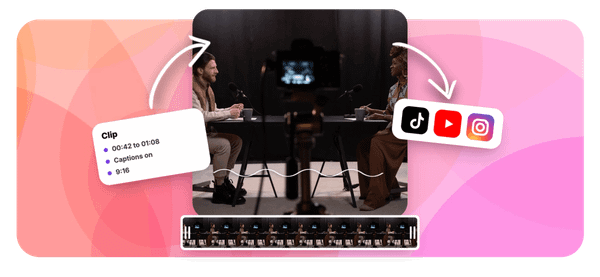
One tool that can help you move faster on those fixes is Crayo's clip creator tool, which lets you turn raw footage into polished, algorithm-friendly clips without spending hours editing. If weak hooks, poor pacing, or the wrong format bury your videos, Crayo helps you fix those problems quickly so your content reaches the right audience.
Table of Contents
- Why Creators Struggle to Diagnose Low TikTok Views
- The Hidden Cost of Blaming a Shadowban Instead of the Real Cause
- 7 Reasons Your TikTok Gets No Views and Fixes in 30 Minutes
- The 30-Minute Workflow to Diagnose and Fix Your Low Views
- Diagnose and Fix Your TikTok Videos Faster With Crayo
Summary
- TikTok's algorithm tests every new video with a small initial batch of viewers, and if that batch doesn't engage, the video stops receiving wider distribution. This means most cases of stalled views come down to a failed test batch, not platform suppression. Understanding that distinction is the first step toward diagnosing what actually went wrong.
- The first two to three seconds of a video function as a distribution lever, not just an introduction. Videos with strong hooks retain 70% more viewers past the three-second mark, according to the SocialKit Blog. A steep drop in the retention graph before the five-second mark clearly signals that the opening is the variable to fix, not the caption or hashtag set.
- Completion rate is the metric most creators overlook when a video underperforms. Videos with a completion rate above 50% are more likely to receive broader distribution from TikTok's algorithm. If viewers consistently exit at the 40% or 60% mark, the middle section of the video is where the edit needs to happen.
- Posting time directly affects the quality of the initial engagement signal TikTok uses to decide whether to expand distribution. If a creator's followers are inactive when a video goes live, the test batch produces weaker results regardless of content quality. Generic posting time advice averages across millions of accounts, making it nearly useless for diagnosing why a specific video underperformed.
- Genuine algorithmic suppression follows a specific pattern: consistent low views across all recent uploads, zero For You Page traffic, and view drops of 80 to 90 percent sustained over two to four weeks. A single video underperforming while surrounding content performs normally does not fit that shape. Treating normal variance or a failed test batch as suppression removes a creator from the diagnostic process at the exact moment their attention matters most.
- Research from Yale Insights found that platform-level distribution decisions can shift user opinion by up to 50 percent toward a target position, which reflects how much algorithmic choices shape what audiences actually see. That scale makes accurate self-diagnosis more important, not less, because misreading a fixable content signal as suppression wastes the posting frequency that compounds fastest during periods when the algorithm is actively learning an account's engagement patterns.
Crayo's clip creator tool addresses the production side of this problem by compressing the time between identifying a fix and publishing the corrected video, so creators can test a targeted change on their next upload rather than waiting days for a manual edit to come together.
Why Creators Struggle to Diagnose Low TikTok Views
Blaming a shadowban feels logical. Your views drop, the platform feels hostile, and suppression becomes the story that explains everything. But documented 2026 analysis points to a different, far more specific cause: TikTok tests every video with a small initial batch of viewers, and if that batch doesn't engage, the video simply stops moving. One weak video failing its test batch is not a broken account. It's a content signal, and content signals are fixable.
The failure point is almost always the same.
- Creators skip checking hook strength
- Watch time retention
- Content clarity
- Posting timing
Those require honest self-assessment. A shadowban requires nothing except waiting. That asymmetry explains why the vague diagnosis wins by default, even when the specific, checkable one would solve the problem faster.
The Shadowban Recovery Myth
The same pattern surfaces across creators at every level:
- A video stalls at 200 views.
- The creator goes quiet for a week expecting the suppression to lift.
- When views return on the next post, they assume the shadowban ended
What actually happened is that the next video had a stronger opening and passed its test batch. The week of silence was wasted time, not recovery.
Diagnose Retention, Not by Feel
Most creators handle diagnosis by feel, checking their follower count, refreshing analytics, and scanning for reassurance rather than reviewing the retention graph for the specific video that underperformed. As that habit compounds across weeks and months, the gap between what creators check and what actually determines test-batch performance keeps widening. Tools like Crayo's clip creator address part of this gap directly, helping creators produce formatted, hook-forward content quickly so that the variables TikTok actually measures, watch time and early engagement, are built into the video before it ever reaches the test batch.
What a Real Suppression Pattern Looks Like
A genuine algorithmic suppression event has distinct markers:
- Consistent low views across all recent content
- Zero traffic from the For You Page
- View drops of 80 to 90 percent sustained over two to four weeks
That pattern is structurally different from one video underperforming while the rest of your content posts normally. When creators misread a single weak video as evidence of platform-wide suppression, they're not just wrong about the cause. They're choosing a diagnosis that offers no path to a fix.
When TikTok Targets the Wrong Audience
Unclear content compounds the problem in a way most creators don't expect. If TikTok's system can't identify what a video is about from its captions, hashtags, and opening seconds, it doesn't know which audience to include in the test batch. A video tested against the wrong audience will fail that batch regardless of its quality, and the creator will see low views with no clear explanation. That's not suppression. That's a targeting signal, and it starts with the content itself. What it costs to keep misreading that signal is more significant than most creators realize.
Related Reading
- TikTok Content Ideas for Business
- What Does Content Under Review Mean on TikTok
- YouTube Shorts Ideas Without Showing Face
- Viral YouTube Shorts Ideas
- Why Is My Content Under Review on TikTok
- Creative Instagram Reels Ideas
- YouTube Shorts Content Ideas
- YouTube Shorts Ideas For Beginners
- How Long Can A Reel Be On Instagram
- Instagram Reels Ideas For Business
- What Does Promotional Content Mean on TikTok
- Instagram Reels Ideas For Beginners
- How Much Do Content Creators Make on TikTok
The Hidden Cost of Blaming a Shadowban Instead of the Real Cause
Defaulting to the shadowban explanation doesn't just delay a fix. It pulls you out of the diagnostic process at the exact moment your attention matters most. When creators assume suppression, they stop asking the one question that actually moves things forward: what specifically in this video caused the test batch to fail? That question has a concrete, reviewable answer. The retention graph shows it. The hook timing reveals it. The content clarity either signals a clear audience or it doesn't. Waiting for a shadowban to lift skips all of that, and the next upload inherits the same unexamined problem.
Why the Misdiagnosis Compounds Over Time
The failure point is usually not one bad video. It's the pattern that forms when a creator posts the same structural mistake repeatedly because the first underperformance got blamed on the platform instead of the content. A weak hook on video one becomes a weak hook on videos two, three, and four, because no one reviewed the retention data after the first drop. According to Yale Insights, selectively amplifying and muting posts can increase overall polarization among platform users, which means the content environment creators post into is already shaped by platform-level decisions, making it even more costly to misread the signals within your control. The creators who recover fastest treat each underperforming video as a data point, not a verdict.
Look Beyond the View Count
Most creators handle post-performance review by checking the view count once, forming a conclusion, and moving on. As that habit repeats across weeks of uploads, the actual causes of low distribution, specifically hook strength in the first two seconds, content clarity for the algorithm's targeting signal, and posting time relative to audience activity, never get examined. Crayo addresses this at the production stage, where AI-generated subtitles, structured voiceovers, and formatted gameplay footage reduce the variables that commonly cause test batches to fail before a creator ever opens their analytics.
What a Real Suppression Pattern Actually Looks Like
Documented shadowban symptoms follow a specific shape:
- Consistent low views across every recent upload
- Zero traffic from the For You Page
- In severe cases, view drops of 80 to 90 percent sustained over two to four weeks
A single video underperforming while the rest of an account performs normally doesn't fit that shape. The distinction matters because:
- The fix for a genuine suppression event (reviewing recent content for policy violations, adjusting posting behavior)
- Completely different from the fix for a failed test batch (tightening the hook, clarifying the content signal).
Applying the wrong fix wastes the one resource that compounds fastest in short-form content creation: posting frequency during a period when the algorithm is actively learning your account's engagement patterns.
Know What to Fix Next
Shadow banning can shift user opinion by up to 50 percent toward a target position, showing how much platform-level distribution decisions shape what audiences actually see. That's exactly why accurate self-diagnosis matters so much. If genuine suppression is happening, you need to know. If it isn't, and the far more common cause is a fixable production or formatting issue, every day spent waiting is a day the algorithm spends learning nothing useful about your content. The creators who close the gap fastest aren't the ones with the best luck. They're the ones who already know which specific variable to fix next.
Related Reading
- Instagram Reel Hook Ideas
- How To Create A Reel On Instagram
- Instagram Reel Caption Ideas
- Tiktok Content Ideas For Beginners
- Best Time To Post A Reel On Instagram
- Best Content For Tiktok
- How To Schedule A Reel On Instagram
- Best Content Strategy Tiktok
- How To Make Looping Content For Tiktok
- Ai Tools for TikTok Content Creation
7 Reasons Your TikTok Gets No Views and Fixes in 30 Minutes
Seven specific, checkable causes explain most cases of stalled TikTok views, and none of them require guessing. Each leaves a measurable trace in your analytics, so each has a specific fix rather than a general remedy.
1. A Weak Hook Kills Distribution Before Your Audience Decides Anything
The first two to three seconds of a video function as a filter, not an introduction. If viewers scroll past before that window closes, TikTok's algorithm reads that exit as a signal that the content isn't worth testing further with a wider group. According to the SocialKit Blog, TikTok videos with strong hooks retain 70% more viewers past the three-second mark, which means the opening isn't just a stylistic choice; it's a distribution lever. Pull up the retention graph on your underperforming video and look specifically at that early cliff. If the drop is steep before the five-second mark, the hook is the variable to fix, not the caption, not the hashtags.
2. Unclear Content Signals Misdirect Your Test Audience
TikTok classifies video content before a single viewer watches it. That classification determines which initial audience the algorithm tests the video with, so if the system misreads what a video is about, it sends the content to the wrong people. Vague captions, unrelated hashtags chosen for reach rather than accuracy, and mixed content signals all contribute to this misclassification.
The fix is straightforward: write captions that describe the video precisely and use hashtags that reflect the actual content, not the largest possible audience. Misclassification is a distribution problem that happens upstream of viewer interest, which is why fixing it often immediately improves early engagement.
3. Completion Rate is the Metric Most Creators Ignore
Most creators check likes and comments when a video underperforms. Completion rate tells a different story. Videos with a completion rate above 50% are more likely to be pushed by TikTok's algorithm, meaning a video that loses viewers halfway through fails its test batch even if the hook was strong. Check the retention graph for the specific underperforming video and look for the second major drop. If viewers consistently leave at the 40% or 60% mark, the middle of the video is the problem, and that's where the edit needs to happen.
4. Posting Time is a Structural Variable, Not a Preference
The test batch TikTok runs on a new video draws partly from your existing followers. If those followers are asleep or inactive when the video goes live, the batch produces weaker engagement signals regardless of the content's actual quality. This isn't about finding a universally optimal posting window. It's about checking your own analytics for follower activity data and posting within the hours your specific audience is most active. Generic posting time advice averages across millions of accounts, which makes it nearly useless for diagnosing why a specific video underperformed.
Why Posting Time Matters
Most creators handle this by posting when the video is ready or following a consistent schedule. That approach works fine until you realize that timing directly affects the quality of the initial signal TikTok uses to decide whether to expand distribution. Crayo is built around the idea that production speed and output quality should never be the bottleneck, so creators can focus on the variables that actually move the algorithm, including timing, rather than spending hours in an editing timeline before a video even reaches the upload stage.
5. Normal Variance Looks Like a Problem When it Isn't One
The same issue surfaces across accounts at every follower level: a video performs below average, and the creator assumes something is broken. TikTok tests different distribution patterns constantly as standard behavior, and some videos simply draw a less-engaged initial batch by chance. The diagnostic check here is comparison. If one or two videos underperformed but the surrounding uploads performed normally, that pattern points to variance rather than a fixable cause. Treating variance as a problem creates unnecessary troubleshooting and, more practically, pulls attention from videos with diagnosable issues.
6. Policy Patterns Suppress Distribution Differently Than People Expect
A genuine guideline issue rarely looks like a blanket block. It looks like a consistent pattern of reduced reach across videos that share a specific characteristic:
- A banned hashtag used repeatedly
- A flagged audio clip
- An engagement service that introduced artificial signals into the account's history
Check the analytics on the specific video for any policy notice, then look at the broader posting history for repeated warnings or flagged behavior. Suppression resolves when the behavior stops, not when the creator waits it out or posts more content.
7. New Accounts Face a Temporary Signal-Gathering Phase
Brand new accounts are throttled by design while TikTok builds enough data to understand how to distribute their content. This phase is documented and temporary, but it's consistently misread as punishment. The fastest way through it is posting consistently in your strongest format for the first one to two weeks, giving the algorithm a clean, repeated signal about what the account produces. Experimenting heavily during this phase fragments the signal and extends the throttling period. Consistency is the specific behavior that shortens it.
What Changes When You Diagnose the Actual Cause
Before diagnosis: the pattern is always the same: assume suppression, wait passively, post again without changing anything, and repeat.
After diagnosis: the workflow changes. You check the retention graph, review the completion rate, confirm the posting time against follower activity data, and identify which specific variable failed. Then you fix that variable on the next upload. The difference between those two approaches isn't effort. It's knowing which number to look at. Once you know which cause applies to your specific video, the next question is how fast you can actually run that diagnosis and turn it into a corrected upload.
The 30-Minute Workflow to Diagnose and Fix Your Low Views
Knowing which number to look at only helps if you act fast enough to beat the next upload window. Most creators lose time not because they lack motivation, but because they approach a struggling video the same way every time: one long scroll through analytics, a vague sense that something is off, and a guess about what to change. The workflow below replaces that with a sequence of specific checks, each one narrowing the cause until only one remains.
Minute 0-5: Is This One Video or a Pattern
Compare the underperforming video against your last five uploads. Look at view counts, not feelings.
- If one video is down while others held steady, you are dealing with single-video variance, not systemic suppression.
- If every recent upload looks flat, the cause is structural, and the fix needs to happen at the production level, not just the caption.
This single check determines everything that follows. Creators who skip it spend twenty minutes diagnosing the wrong thing.
Minutes 5-10: Where Did Viewers Leave
Open the retention graph for the specific video. Focus on the first two to three seconds. A steep drop in that window means the opening frame or first line of audio failed to create enough tension to justify staying. According to the OverseerOS Blog, retention dropping below 30% in the first 30 seconds typically triggers reduced distribution, which means a weak opening does not just lose viewers; it actively shrinks the audience the algorithm is willing to show the video to next.
The fix is specific: rewrite the hook for the next upload, not the middle section or the caption. The opening is the variable that failed.
Minutes 10-15: Where Else Are Viewers Dropping
If retention holds through the opening but falls sharply at a specific midpoint, the problem shifts. Pacing is the likely cause:
- A section that runs too long
- A transition that loses momentum
- A payoff that arrives later than the viewer is willing to wait for
This is a different fix from a weak hook, and it requires a different edit. The failure point is usually one specific moment, not the entire video. Find it on the graph and cut or tighten that section before the next upload.
Minutes 15-20: Are Your Content Signals Clear
Check your caption and hashtags. The question isn't whether they sound good, but whether they accurately describe the video. TikTok's classification system uses these signals to decide which audience to test the video with first. A gaming clip tagged with broad lifestyle hashtags gets served to the wrong initial batch, and a weak test result follows regardless of the content's actual quality. Posting time matters here too. A video posted outside your audience's active hours enters the test batch with a smaller pool of potential early viewers, which compresses the engagement signal the algorithm has to work with.
Minutes 20-25: Rule Out a Policy Issue
Check your analytics for any violation notice. Review your last ten posts for content that might have triggered a trust signal, such as:
- Audio flagged for copyright
- Text that overlaps with restricted categories
- A posting pattern that spiked unusually fast
Genuine suppression leaves a trace. If there is no notice and no pattern, you can rule this out and stay focused on the execution variables identified in the previous steps. This check comes last because most creators jump to it first. Ruling it out early wastes time that should go toward diagnosing the more likely causes.
Minutes 25-30: Apply One Fix and Queue the Next Upload
Based on whichever step identified the cause, make one specific change.
- Rewrite the hook
- Tighten the mid-video pacing
- Correct the hashtags
- Adjust the posting time
Apply that fix to the next video before uploading. Diagnosis without a corrected upload is just note-taking. The pattern that keeps creators stuck is stopping at identification. Performance changes only happen when the fix is in the next video, not in a document somewhere.
Where Production Speed Changes the Equation
The workflow above is straightforward. What slows most creators down isn't the diagnosis; it's the turnaround. Knowing the hook failed on a Tuesday night means little if rebuilding the video takes until the following weekend. By then, momentum is gone, and the posting window has shifted.
Most creators handle this by editing manually from scratch each time, which means every fix cycle costs two to three days. That pace makes it nearly impossible to apply a targeted fix, test it, and read the result before the next problem surfaces. Crayo compresses that cycle by automating the production layer, including AI voiceovers, subtitle formatting, and gameplay footage sequencing, so the time between identifying a fix and publishing the corrected video shrinks from days to under an hour.
What the Data Confirms About CTR
The same diagnostic logic applies to click-through rate. The Hootsuite Blog's breakdown of how the YouTube algorithm works in 2025 notes that CTR benchmarks typically range from 2% to 10% for most channels, giving a concrete reference point for deciding whether a thumbnail or title needs work. On TikTok, the equivalent signal is the swipe-away rate in the first second. If viewers are not pausing, the visual frame or opening audio is the variable to fix, not the caption or hashtag set. One number, one fix. That is the entire framework.
The Before and After Is Not About Effort
Before this workflow: one underperforming video, a vague shadowban assumption, posting paused, actual cause never identified.
After: retention graph reviewed, content signals confirmed, policy status ruled out, one specific fix applied to the next upload.
Improvement doesn't come from working harder or posting more frequently. It comes from compressing the gap between cause and correction. Creators who run this sequence consistently do not just fix individual videos. They build a feedback loop that makes each upload more informed than the last.
Diagnose and Fix Your TikTok Videos Faster With Crayo
Once you know the specific cause, the only thing standing between you and a tested fix is production time. That gap is where most creators stall. Pasting your script into a clip creator tool and generating a front-loaded rewrite takes minutes, not an afternoon, which means you can test a real fix on your next upload instead of waiting another week to see if views recover on their own.
Viral success on TikTok is a repeatable skill, not a lucky break. The creators who recover fastest are not more talented. They just compress the distance between diagnosis and published correction. Run the diagnostic workflow, identify the specific cause, generate a targeted fix in Crayo, and compare the next video's performance. Repeat that sequence consistently, and you turn a struggling channel into one that improves with every upload.