

In a world where TikTok brain rot has shortened attention spans to mere seconds, creating long-form video content might feel like swimming against the tide. Yet audiences are actively seeking deeper, more meaningful video experiences, from extended YouTube tutorials to in-depth podcast-style recordings, and creators who deliver this are building stronger, more loyal communities. This article breaks down 7 practical ways to produce long-form video content in just 30 minutes, so you can meet that demand without burning out.
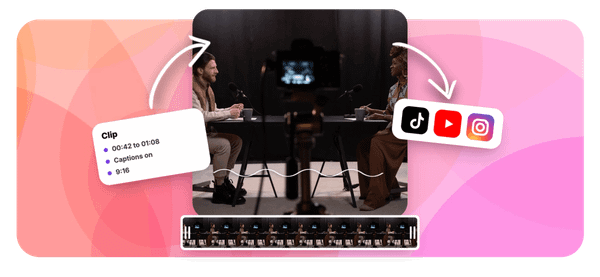
Getting started is often the hardest part, and that is where Crayo's clip creator tool becomes genuinely useful. It helps you structure and produce longer videos faster by handling the repetitive parts of the process, freeing you to focus on what actually matters: your message and your audience. Think of it as a shortcut that does not cut corners.
Table of Contents
- Why Creators Struggle to Create Long-Form Video Content
- The Hidden Cost of Assuming Nobody Watches Long-Form Anymore
- 7 Ways to Create Long-Form Video Content in 30 Minutes
- The 30-Minute Workflow to Plan and Script Long-Form Content
- Create Long-Form Content Faster With Crayo
Summary
- Long-form video is underserved, not obsolete. Videos 15 minutes or longer represent roughly 8% of content produced while capturing close to half of all YouTube audience engagement. That gap signals a supply-demand mismatch that most creators have never stopped to measure.
- The revenue case for long-form is more concrete than most creators realize. According to SkipTheWatch's 2026 analysis, 70% of creator revenue depends on long-form content, and 73% of total YouTube watch time is still long-form. Creators running a short-form-only strategy are not just missing views. They are structurally limiting their income from the start.
- Short-form and long-form serve different functions in a content system, and treating them as competitors creates friction. Short-form operates as a discovery layer, reaching new viewers who have not yet subscribed. Long-form is where trust gets built, and monetization runs higher, with RPM figures that can make a 40,000-view long-form video more valuable than a 200,000-view short-form one.
- The most common reason long-form content loses viewers is not the format itself. It is the absence of planned structure. Without a clear throughline, distributed retention checkpoints, and sections that each carry one defined point, even genuinely interesting content starts to feel like a conversation that lost its direction. These structural decisions need to happen before filming, not during editing.
- AI tools have meaningfully changed the production time calculation for solo creators and small teams. Woman Around Town reports that AI tools can reduce video production time by up to 80%, which shifts what is actually realistic when weighing long-form against a short-form production schedule. The math that once justified avoiding the format no longer holds.
Crayo's clip creator tool addresses the post-production side of this directly, handling subtitles, voiceovers, and short-form clip formatting from existing long-form footage so that the clipping and repurposing work gets done rather than deferred.
Why Creators Struggle to Create Long-Form Video Content
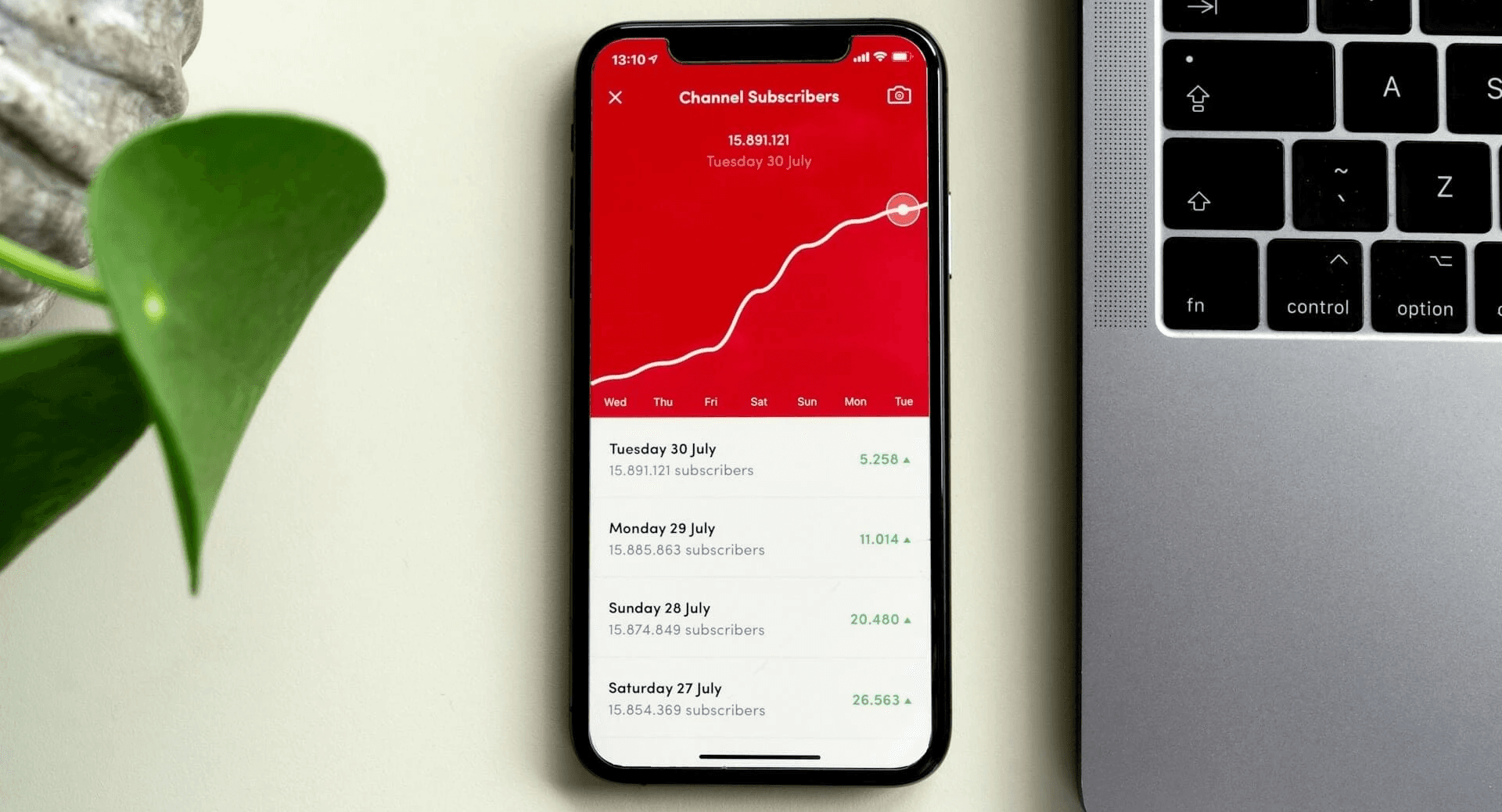
Most creators avoid long-form video not because it stopped working, but because they stopped checking whether their assumption was ever true. Industry data published in 2026 shows videos of 15 minutes or longer capture roughly half of all YouTube audience engagement while representing only about 8% of content actually produced. That gap is not a warning sign about long-form. It is an open door.
The belief that short-form has replaced long-form entirely is understandable. Short-form's reach numbers are loud, visible, and constantly discussed. When every content strategy conversation centers on 60-second clips, it is easy to conclude that longer video formats have been quietly retired, when the data shows the opposite: long-form is underserved, not abandoned.
What Short-Form and Long-Form Actually Do
The two formats serve genuinely different functions in a content system.
- Short-form works as a discovery layer, the mechanism by which new viewers find you.
- Long-form is where trust gets built once interest is established.
Treating them as competitors is like choosing between a storefront sign and the product inside. You need both, and they work in sequence, not in opposition.
Mastering Long-Form Structure Over Extended Duration
The failure point for most creators is not motivation or audience size. It is an unlearned skill.
- Short-form rewards a tight, front-loaded hook.
- Long-form rewards something harder:
- Sustained structure
- Paced payoffs
- A clear throughline that keeps a viewer present across 15 or 20 minutes
Creators who have only made short-form content often stretch their first long-form attempt by simply talking longer about a 30-second point, and the result drags. The bottleneck is planning discipline, not platform potential.
Sustaining Pacing Through Planned Content Architecture
Most creators handle this by defaulting to what they already know, which is reasonable. But as the runtime grows, the absence of planned pacing checkpoints becomes obvious. Viewers sense when a video has no architecture. Tools like Crayo's clip creator address a related problem from the other direction: they handle the formatting and production work of turning structured long-form content into short-form clips, so creators can focus on building the source material well rather than spending hours on post-production mechanics.
Unlocking Revenue Potential With High-RPM Long-Form Content
There is also a revenue dimension that rarely gets discussed. Long-form video's revenue per thousand views runs meaningfully higher than short-form RPM according to 2026 industry data, which means creators avoiding long-form are not just missing an audience. They are leaving a real monetization gap open, one that compounds quietly over time for every video series they never started. And the cost of that assumption turns out to be far more specific than most creators expect.
Related Reading
- Short Form Content Ideas
- Short Social Media Videos
- How To Make Videos For Social Media
- How To Increase Video Engagement
- Video Storytelling
- Social Media Content Ideas
- Emotional Hooks
- How To Get More Comments On Youtube
- YouTube Average View Duration
The Hidden Cost of Assuming Nobody Watches Long-Form Anymore

That monetization gap compounds in a specific, measurable way. According to SkipTheWatch's 2026 analysis, 70% of creator revenue depends on long-form content, which means a short-form-only strategy isn't just leaving views on the table. It's structurally capping income from the start. The belief driving this gap is rarely examined directly. Creators see short-form dominating content strategy conversations and conclude long-form must be shrinking by comparison. The logic feels reasonable until you check what the engagement data actually shows. Long-form views and total watch minutes both grew year over year in 2026, meaning the narrative of decline is a story about visibility, not reality.
Where the Assumption Breaks Down
The failure point is usually a supply-demand mismatch that creators never stop to measure. Videos 15 minutes or longer represent roughly 8% of content produced while capturing close to half of all engagement. That's not a saturated format. That's an underserved one, and the difference matters enormously for a creator deciding where to invest production time.
Repurposing Long-Form Raw Material to Bridge Reach and Trust
Most creators handle this by defaulting to short-form for everything, treating it as both the discovery layer and the trust-building layer simultaneously. As a channel grows and audience expectations deepen, that approach creates real friction. Short-form drives reach but rarely builds the kind of sustained viewer relationship that converts casual watchers into loyal subscribers or paying customers. Crayo addresses this by treating long-form as raw material rather than a destination, letting creators clip, reformat, and repurpose longer content into short-form without rebuilding production from scratch each time.
What the Revenue Data Actually Signals
73% of YouTube watch time is still long-form, which reframes the entire short-form-versus-long-form debate. The question was never which format wins. It was always which format serves which purpose, and whether creators were using both intentionally or abandoning one based on an assumption they never tested.
The smartest content strategies treat long-form as the upstream source, the place where depth gets built, trust gets earned, and RPM runs higher, while short-form handles discovery and reach. That's not a complicated system. It's just using each format for what it actually does well instead of asking one to do both jobs. And the real surprise isn't that long-form still works. It's how little production time it actually takes to start.
7 Ways to Create Long-Form Video Content in 30 Minutes

These seven techniques work because they treat long-form video as a system, not a sprint. Each one removes a specific decision or bottleneck that would otherwise slow you down, and together they compress what feels like a multi-hour commitment into something far more manageable.
1. Start With What Your Audience Already Told You
When short-form content generates strong engagement on a specific topic, that signal is doing real work for you.
- The comment section
- The shares
- The watch-through rate on a 60-second clip
All of that is your audience voting with their attention. A validated short-form topic gives you a long-form starting point that isn't a guess. You're extending proven interest, not betting on instinct.
The failure point is usually the opposite: creators pick long-form topics based on what they personally find interesting, then wonder why retention drops after the first few minutes. Interest without validation is just hope. Validation turns it into a plan.
2. Build Your Structure Before You Touch a Camera
Long-form video requires a throughline, a clear thread that pulls viewers from the opening to the close. Without one, even genuinely interesting content starts to feel like a conversation that forgot where it was going. Three to five sections, each with one main point and a rough time allocation, is enough structure to keep a 10 to 15-minute video coherent. This is the discipline short-form doesn't demand, because the tight runtime does the structural work automatically. In long-form, you have to build that container deliberately before filming, not discover it in the edit.
3. Place Retention Checkpoints Throughout, Not Just at the Start
The same issue surfaces in podcast production and documentary filmmaking: front-loading all the value creates a strong opening and a slow bleed afterward. Long-form video is no different. Viewers need distributed reasons to stay, not a single compelling hook followed by 12 minutes of unbroken content. A checkpoint doesn't have to be dramatic. It can be a preview of what's coming next, a callback to something you established earlier, or a moment where you explicitly name the payoff still ahead. Three or four of these, spaced evenly through the runtime, do more for retention than any amount of opening polish.
4. Let the Topic Set the Runtime, Not the Other Way Around
Targeting a specific length before you know what the topic needs is how padding gets built in. It's a subtle trap: you hit 12 minutes and realize the content ran out at nine, so you add a section that exists only to fill space. Viewers feel that. They don't always articulate it, but they feel it, and they leave. According to Storyy, YouTube videos between 10 and 20 minutes in length see up to 40% higher watch time retention. That's a range, not a mandate. Let your outline tell you where the content naturally ends, then check it against that range as a reference point, not a hard target.
5. Batch Production Stages to Make the Time Investment Sustainable
Most creators who abandon long-form don't quit because the format stopped working. They quit because they tried to script, film, and edit a 15-minute video in one sitting, compared it to how fast they could produce a short clip, and decided the math didn't work. The math does work, but only if you separate the stages. Scripting one week, filming the next, editing in batches. That rhythm makes long-form feel like a manageable layer on top of your existing short-form cadence, rather than a competing obligation that eats your entire production day.
6. Use AI Tools to Compress the Production Gap
The production time gap between short-form and long-form used to be significant enough to justify avoiding the format entirely. That calculation has shifted. Woman Around Town reports that AI tools can reduce video production time by up to 80%, which changes the math on what's realistic for a solo creator or small team.
Most creators who produce long-form still handle the clipping and repurposing side manually, which is where the real time drain lives. Crayo handles the formatting and production work on the short-form end, generating subtitles, voiceovers, and clip-ready cuts from your long-form footage so you can focus on finding the moments worth surfacing rather than rebuilding each clip from scratch.
7. Use Short-Form as a Deliberate Discovery Layer
Publishing long-form content without any short-form support is like opening a restaurant with no sign outside. The content exists, but the mechanism for finding it is weak. Short-form clips pulled from your strongest long-form moments do a specific job: they reach new viewers who haven't subscribed yet, then point them toward the full video for depth.
This isn't a bonus step. It's the architecture of how both formats work together. Short-form handles reach. Long-form handles trust and monetization. Treating the clip as an afterthought breaks the system.
Track RPM, Not Just Views
View count is a visibility metric. RPM is a revenue metric. They measure different things, and confusing them leads to decisions that look rational but aren't. A short-form video with 200,000 views and a $0.80 RPM generates less revenue than a long-form video with 40,000 views and a $6.00 RPM.
The comparison only becomes visible when you pull both numbers and put them side by side. Creators who skip that step often underinvest in long-form because the view counts look smaller, without ever seeing what the format is actually returning per thousand impressions. But knowing the techniques is only part of the equation. The part most creators skip entirely is what happens in the 30 minutes before filming even starts.
The 30-Minute Workflow to Plan and Script Long-Form Content

Structural planning is what separates long-form content that holds attention from long-form content that quietly bleeds viewers after the first three minutes. The 30-minute workflow below treats planning as the actual work, not the warm-up.
Minute 0-5: Validate Your Topic Against Short-Form Performance
Start with your analytics, not your instincts. Pull your short-form data and identify the topic that already has proven audience interest, then ask whether it has enough depth to sustain 10 to 15 minutes of genuine content. This step alone eliminates the most common waste in long-form production: investing editing hours into a topic the audience never signaled it wanted. The failure point is usually earlier than creators expect. A topic that felt compelling in the moment often collapses under the weight of a longer runtime because it was chosen by gut feel rather than by what the data already confirmed. Short-form performance is the clearest signal you have, and most creators scroll past it.
Minutes 5-15: Build a 3-5 Section Structural Outline
Before writing a single line of script, map the skeleton. Each section gets one clear point and a rough time allocation, nothing more. Think of it the way a documentary editor thinks before touching footage: the structure determines whether the story lands, and no amount of good footage rescues a broken structure.
A practical example looks like this:
- Section 1 frames the problem (2 minutes)
- Section 2 explains why common approaches fall short (3 minutes)
- Section 3 delivers the core solution (5 minutes)
- Section 4 shows application (3 minutes)
- Section 5 closes with results and a takeaway (2 minutes)
That outline takes ten minutes to build and saves an hour of re-editing later.
Minutes 15-20: Place Retention Checkpoints Across the Outline
Long-form videos receive three times more comments than shorter videos, which signals that audiences are completing them and engaging with the full argument. But that engagement does not happen by accident. It requires distributing reasons to keep watching throughout the runtime, not just loading value into the opening hook and hoping momentum carries the rest.
Mark three to four specific moments in your outline where you reintroduce a payoff or preview something the viewer has not yet received. These checkpoints function like chapter markers in a well-edited book: they remind the audience that the next section is worth staying for.
Minutes 20-25: Script the Sections and Cut What Does Not Fit
Write the full script following your outline, and treat the outline as a filter. Any sentence, story, or tangent that does not map to a planned section is filler, and filler is what makes long-form content feel padded rather than substantive. The frustration creators feel when they watch their own videos back and sense the pacing drag almost always traces to content that survived the scripting phase without a structural home. Cutting during scripting is faster and less painful than cutting during editing. The outline makes the decision obvious: if it does not belong to a section, it does not belong in the video.
Automating Post-Production
Most creators handle post-production by manually trimming footage, adjusting subtitles, and piecing together short clips from the finished video as a separate project after the fact. That process is where hours disappear. Crayo handles the formatting and production work directly, generating subtitles, voiceovers, and short-form clips from existing footage so the clipping strategy gets executed rather than deferred.
Minutes 25-30: Identify Short-Form Clips From the Finished Script
The final five minutes of planning are not about the long-form video at all. They are about the discovery layer that determines whether anyone finds it. Mark one to two moments in the script that can stand alone as short-form clips, and do it now, before filming, so those moments get the delivery and framing they need to work independently.
Videos over 10 minutes generate more than 50% of YouTube's ad revenue, which means the long-form piece is already carrying significant monetization weight. Treating it as raw material for short-form discovery is not a compromise; it is the most efficient way to make the whole system work together.
Why the Sequence Matters
The order of these five steps is not arbitrary.
- Validation before outlining prevents wasted structure.
- Outlining before scripting prevents wasted words.
- Retention checkpoints before scripting ensure they are built into the content, not retrofitted.
- And clip identification before filming means the short-form support is planned, not improvised.
The problem was never a shortage of long-form ideas. It was skipping the planning discipline that long-form specifically requires. A 30-minute investment before filming changes what gets produced, and more importantly, what gets finished.
Related Reading
- How To Do Text To Speech On Tiktok
- Tiktok Retention Rate
- What Is Brainrot Content
- How To Make Tiktok Videos More Engaging
- Italian Brainrot Quiz
- How To Make Brainrot Videos
- How To Create Pov Videos
- Long Form Video Content
- Tiktok Content Strategy
- Sludge Content
Create Long-Form Content Faster With Crayo
The structure is already built. The outline exists. The retention checkpoints are mapped. What stops most creators at this stage isn't strategy; it's the manual production time that turns a solid plan into a postponed project. That gap between planning and publishing is where long-form content dies, not in the idea phase. Creators who treat long-form as raw material rather than a finished destination move faster. Open Crayo, paste your structured outline, and generate each section as a scripted, produced unit.
- No manual scripting from scratch.
- No filming required to test whether the structure holds.
Unifying Long-Form and Short-Form Content
The long-form video becomes a content system, and the short-form clips you identified before filming become the distribution layer that makes the whole thing worth producing. The creators building sustainable output right now aren't the ones with the most production time. They're the ones who stopped treating long-form and short-form as separate workloads and started treating one as the source of the other.
Related Reading
• YouTube Hooks
• Best Video Format For Tiktok
• Scroll Stopping Hooks
• Social Media Hooks
• Viral Hooks For Instagram
• Brainrot Examples
• How To Make A Good Hook
• Best Tiktok Hooks
• Pov Ideas For Tiktok