

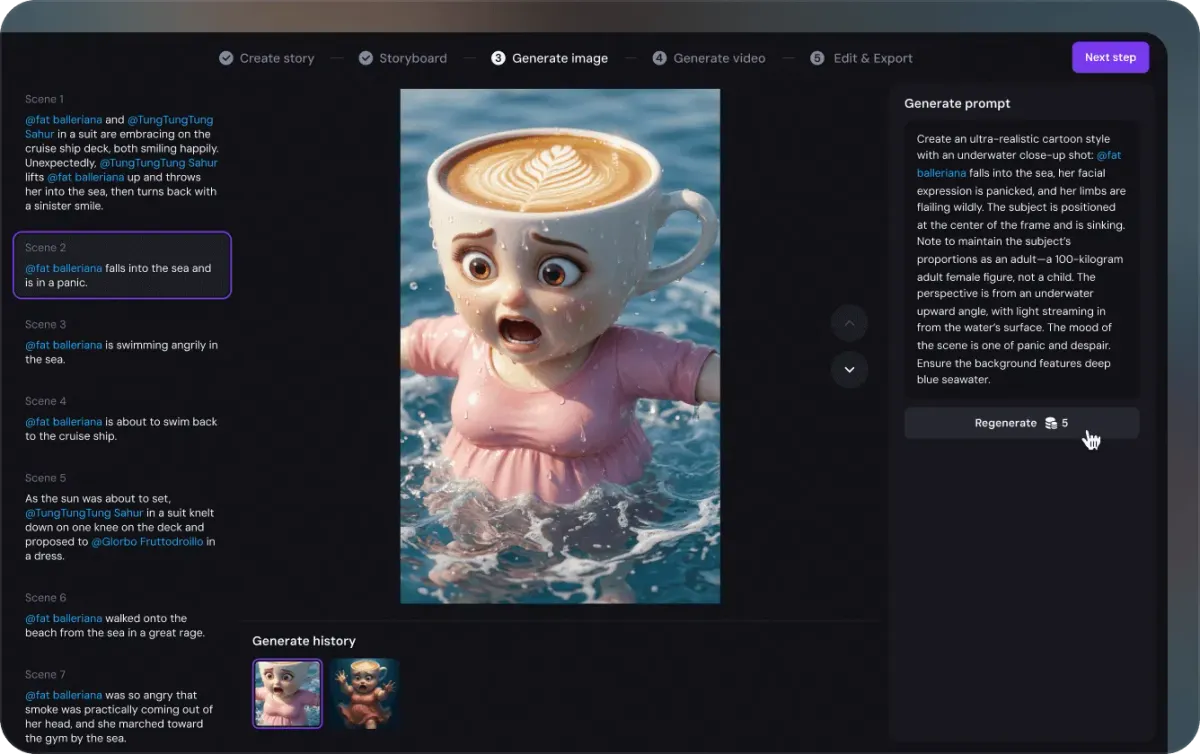
If you've ever spent an hour scrolling through TikTok brain rot content, watching chaotic clips layered with random gameplay, absurd audio, and fast cuts, you already know why this style of video is pulling millions of views. People can't stop watching it, which means creators who know how to make brainrot videos are sitting on a real opportunity right now. This article breaks down exactly how to create this type of content in under 30 minutes, even if you've never edited a video before.
That's where Crayo's clip creator tool comes in. Instead of spending hours stitching together split-screen footage, captions, and background sounds manually, Crayo lets you build a complete brainrot video fast, handling the heavy lifting so you can focus on ideas rather than editing. Whether you want to post daily or just test the format, this tool makes the whole process feel less like work and more like something you can actually stick with.
Table of Contents
- Why Creators Struggle to Make Brainrot Videos That Actually Perform
- The Hidden Cost of Treating Brainrot Videos as One-Shot Generations
- How to Make Brainrot Videos in Under 30 Minutes
- The 30-Minute Workflow to Produce a Batch of Brainrot Videos
- Make Brainrot Videos Faster With Crayo
Summary
- Attention spans have dropped sharply, with average screen attention now sitting at just 47 seconds, down from 2.5 minutes in 2004 according to research from the University of California, Irvine. Brainrot content is built around this reality. Every second of a video has to earn the next one, which means a hook that lands even four seconds in is not a slow build but a structural failure.
- Volume and iteration outperform careful single-video production in this format. One AI brainrot platform alone has processed over 59,000 videos, which signals how compressed the competitive window has become. Creators who publish and learn faster consistently outperform those who publish less but invest more effort in each individual video.
- The biggest time loss in brainrot production happens before generation, not during it. Vague prompts force multiple regeneration cycles that a specific, detailed prompt written in 90 seconds would have avoided. Each step in the production process needs a defined exit condition; otherwise the workflow expands to fill whatever time is available.
- Structured evaluation criteria catch fixable problems that intuitive review misses. Checking hook speed, visual escalation, and payoff clarity as three separate criteria takes under five minutes per draft and identifies exactly which scenes need regeneration rather than leaving a vague sense that something is off. Sunk-cost attachment to a weak scene is one of the most common reasons a 30-minute session stretches past an hour.
- Batching concepts before generating anything is what separates a productive session from a slow one. Preparing 3 to 5 detailed prompts upfront, generating all drafts in sequence, and evaluating them against the same criteria in one pass produces multiple publish-ready videos in the same time most creators spend on one. Research on Italian Brainrot content found engagement rates exceeding 25%, a benchmark built through structural consistency across many videos rather than through a single polished outlier.
- Oxford University Press named "brain rot" its 2024 Word of the Year, reflecting how mainstream and competitive this content category has become. In a format this saturated, the creators scaling fastest are not necessarily more creative. They are running more iterations in less time and using each published video as a data point on what hooks, pacing, and characters their specific audience responds to.
Crayo's clip creator tool fits into this workflow by consolidating script generation, AI voiceovers, subtitle styling, and visual sequencing into one platform, which removes the tool-switching friction that pushes production time past the 30-minute window.
Why Creators Struggle to Make Brainrot Videos That Actually Perform

Brainrot videos fail not because the tools are wrong, but because creators apply the wrong mental model to the format. The instinct to perfect a single video before publishing works in plenty of content categories. In brainrot, it actively works against you. The format runs on layered novelty and rapid escalation. According to Vox and researcher Gloria Mark at the University of California, Irvine, average screen attention spans have dropped to just 47 seconds, down from 2.5 minutes in 2004. That number reframes everything about how brainrot content needs to be built: you are not crafting something to be savored. You are building something that earns its next second, constantly. A hook buried four seconds in is not a slow burn. It is a miss.
Why the One-Shot Approach Feels Logical but Breaks Down
Most creators treat their first AI-generated output as a draft to polish rather than a scene-by-scene structure to interrogate. The failure point is specific: they judge the whole video on a vague does this feel chaotic enough basis instead of checking three concrete things:
- Whether the hook lands immediately
- Whether the visuals escalate in intensity
- Whether there is a clear payoff at the end
When those checks are skipped, weak segments survive into the final cut simply because cutting them feels like admitting the generation failed. That is a sunk-cost trap dressed up as quality control.
Navigating Saturation Through Speed and Workflow Discipline
The saturation problem makes this worse. One AI brainrot platform alone has processed over 59,000 videos through its system, a single data point that shows just how compressed the competitive window has become. Speed and workflow discipline matter as much as creative concept here, because a slow, single-take process means either publishing after a trend has already peaked or rushing under pressure and skipping the checks that would have caught the weak segments anyway.
Overcoming Bottlenecks with Rapid Generation and Iteration
Most creators handle this by spending more time on the prompt, believing a better input will produce a publish-ready output. Crayo's clip creator tool is built around a different assumption: that the goal is to move through the generation and iteration cycle fast, with AI voiceovers, subtitle styling, and optimized gameplay handled automatically so creators spend their time on concept and selection rather than formatting. The bottleneck is not the generation. It is the workflow that surrounds it.
Outperforming the Market via Volume-Driven Trend Testing
The fix is not complicated, but it does require treating brainrot production the way the format actually works: as a volume-driven testing process where five rough videos that get checked against real criteria will outperform one carefully perfected video almost every time. NBC News reports that Oxford University Press named "brain rot" its 2024 Word of the Year, which signals just how mainstream and competitive this content category has become.
In a format that is saturated, the creator who publishes and learns faster wins, not the one who publishes less but tries harder on each attempt. And that gap between trying harder and iterating smarter turns out to carry a cost most creators never stop to calculate.
Related Reading
- Short Form Content Ideas
- Short Social Media Videos
- How To Make Videos For Social Media
- How To Increase Video Engagement
- Video Storytelling
- Social Media Content Ideas
- Emotional Hooks
- How To Get More Comments On Youtube
- YouTube Average View Duration
The Hidden Cost of Treating Brainrot Videos as One-Shot Generations
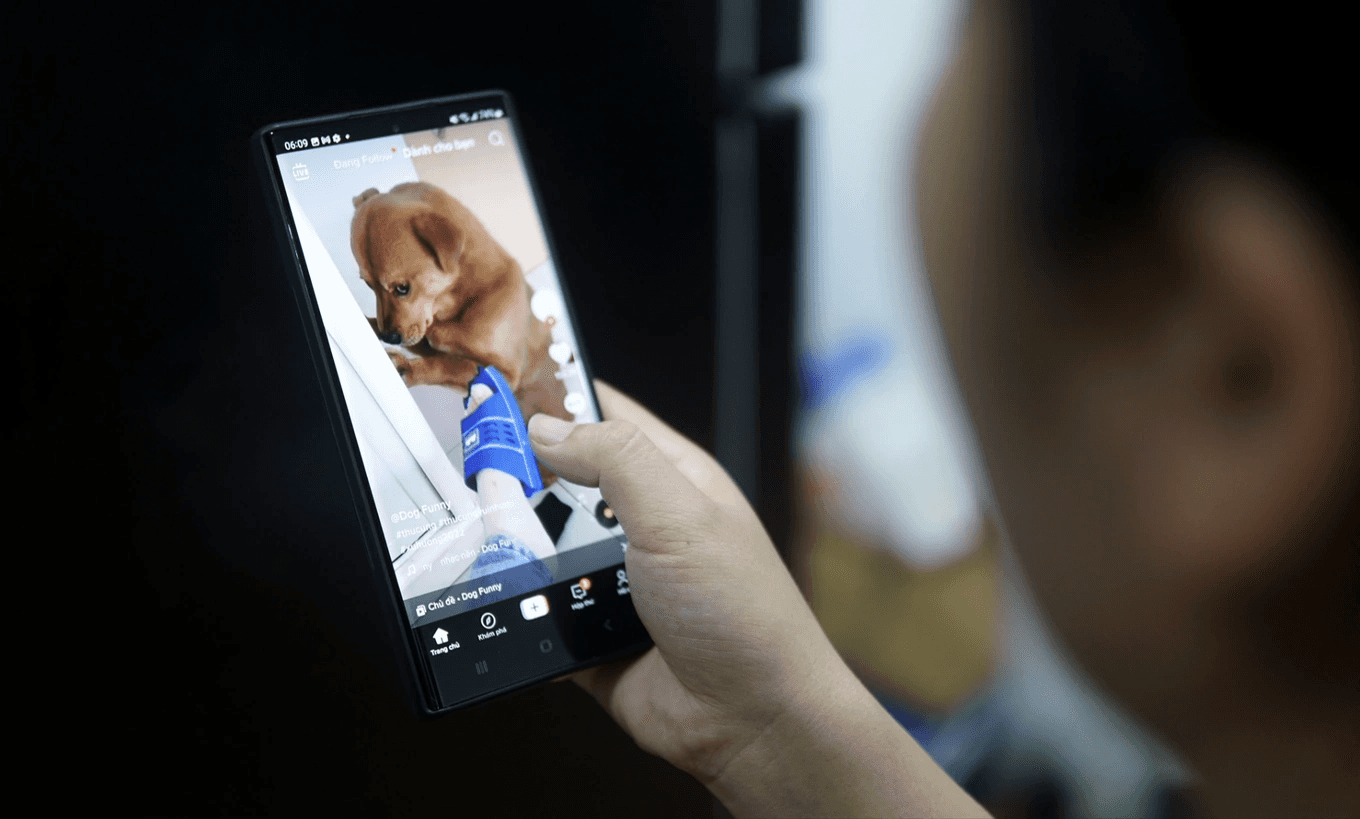
Treating your first AI-generated brainrot video as a finished product is the single most expensive mistake in this format, not because the tools fail, but because the workflow assumption does. The production guidance built around this format is explicit: the first generation is a scene-by-scene draft meant to be checked and tightened, not published as-is.
Where the Time Actually Goes
The failure point is usually invisible until you track it. A creator who spends 20 minutes perfecting a single prompt before generating anything is not being thorough. They are front-loading effort into a stage that cannot guarantee results, because no amount of prompt refinement eliminates the need to check whether the hook lands in the first two seconds, whether the visuals escalate, or whether the ending pays off. Those checks only happen after generation, not before it. The creator who writes a rough prompt in five minutes, generates immediately, and spends the remaining time checking specific scenes will almost always finish with a stronger video in less total time.
Adapting Content to the Rapid Consumption Rate of Youth Audiences
According to Brain Sciences, brain rot primarily affects adolescents and young adults, a demographic that spends an average of seven or more hours per day consuming short-form digital content. That audience processes and discards content at a speed most creators underestimate. A video with a buried hook or a flat payoff does not get a second chance because the viewer felt it was almost good. It just disappears. Structured checks, not intuition, are what catch those fixable problems before publishing.
Evaluating Videos via Structural Checks Rather Than Vague Intuition
Most creators handle evaluation by watching the video back and asking, does this feel right? That approach sounds reasonable until you realize it misses the specific structural problems that kill performance. Without checking hook speed, visual escalation, and payoff clarity as separate criteria, a vague overall impression can pass a video that has one broken scene dragging everything down. A targeted regeneration of that single scene takes less time than rebuilding from scratch, but only if you identified it precisely.
Accelerating Iteration With Integrated Production Workflows
This is where the production workflow matters as much as the tool. Crayo is built around exactly this kind of fast, iterative process:
- Generate a rough version quickly using AI voiceovers
- Subtitle overlays
- Background removal already integrated
- Then check and refine specific elements rather than restarting the whole video
That all-in-one structure removes the friction that makes iteration feel expensive, which is the friction that pushes creators back toward the one-shot approach in the first place.
Leveraging High Output to Shorten Content Feedback Loops
Sify reports that TikTok users spend an average of 95 minutes per day on the platform. That is 95 minutes of competing content flowing past your audience every single day. In a category that dense, a slow single-take production process does not just cost you one video. It costs you the feedback loop; fewer published videos means fewer data points on what hooks, what pacing, and what characters your specific audience actually responds to.
The creators scaling in this format are not more talented. They are simply running more iterations in the same amount of time. The math on this is uncomfortably simple, and once you see it clearly, it changes how you think about every minute you spend before hitting generate.
How to Make Brainrot Videos in Under 30 Minutes

The draft-and-refine process described earlier gives you the structure. What determines whether that structure actually fits inside 30 minutes is how you handle each step's decision points, specifically, where you stop thinking and start generating.
Start With a Full, Specific Prompt
Vague prompts are the single biggest time thief in brainrot video production. When you write "funny subway chaos video," the generator fills in the gaps with generic choices, and you spend the next 15 minutes regenerating scenes that a more specific prompt would have gotten right the first time. Write out the concept fully: the setting, the escalation points, the tone, the payoff moment. That level of detail costs you 90 seconds upfront and saves you multiple regeneration cycles later.
According to the StoryShort AI Brainrot Study Tool, brainrot videos can be created in under 30 minutes using AI tools, but that timeline assumes you're feeding the generator enough to work with from the start. A detailed prompt is not extra effort. It's the variable that makes the 30-minute window realistic rather than aspirational.
Match Your Format to Your Concept Before Generating
The failure point is usually format mismatch. A concept built around a slow reveal doesn't fit a rapid-cut trend template, and forcing it there produces pacing that fights the idea at every scene. Before you generate anything, check whether your concept fits a trend format, a story arc, or a reaction structure, and pick the closest template available. If nothing fits cleanly, adjust the concept slightly rather than fighting the template during editing. This decision takes under two minutes and eliminates one of the most common causes of a draft that needs full regeneration rather than scene-level fixes.
Generate a Multi-Scene Draft, Then Stop
Treat the first output as a draft, not a deliverable. Generate the full multi-scene sequence, then move immediately into checking rather than watching it through with the instinct to publish. The psychological shift here matters: creators who treat the first generation as almost done spend more total time than creators who treat it as raw material. Most creators handle this by watching the draft once and making a general judgment call about quality. The problem is that general impressions miss the specific structural failures that kill retention:
- A hook that lands three seconds too late
- A middle section that plateaus
- An ending that dissolves rather than lands
Collapsing Refinement Friction in a Unified Workspace
Structured checking against specific criteria is faster than intuitive review because it tells you exactly which scenes to fix rather than leaving you with a vague sense that something's off. Crayo addresses this directly by consolidating the generation and refinement steps into one platform, with AI voiceovers, subtitle styling, and gameplay backgrounds available without switching tools. The friction that usually appears between draft done and video ready collapses when those elements are already in the same workspace.
Check Hook Speed First, Then Escalation, Then Payoff
Time the hook. If the actual tension or hook moment lands after the first two seconds, flag it immediately and regenerate or trim the opening. This is not a judgment call; it's a measurement. The same applies to escalation: watch specifically for whether intensity builds across scenes or stays flat, and flag any section where the energy plateaus. Finally, confirm the payoff is distinct and lands before the video ends rather than dissolving into the surrounding content. These three checks, run in sequence, take under five minutes on a draft you've already generated. They replace the vague does this feel right review with a checklist that produces a specific list of scenes to fix.
Cut Weak Scenes Without Negotiating With Yourself
The pattern that kills the 30-minute timeline is not weak scenes. It's the time spent justifying weak scenes. A scene that fails the hook, escalation, or payoff check gets regenerated immediately, regardless of how long it took to produce the first time. Sunk-cost attachment to a bad scene is the most expensive habit in this format because it compounds: you spend time defending the scene, more time trying to fix it incrementally, and then often regenerate it anyway.
According to the Framesurger Blog's AI Brainrot Video guide, finished videos export at up to 1080p resolution, which means the output quality ceiling is already high. The limiting factor is never the export quality. It's the decision speed inside the draft stage.
Why This Process Produces a Finished Video, Not Just a Faster Draft
The 30-minute window works because each step has a defined exit condition.
- The prompt is done when it includes specific escalation points.
- The format is chosen when it matches the concept's structure.
- The draft is done when it's generated.
- The review is done when all three criteria are checked.
Each scene is either kept or regenerated, with no middle ground. When you remove the open-ended deliberation from each step, the process stops expanding to fill available time. That's the actual mechanism behind the 30-minute claim, not faster typing or better prompts, but a workflow where every decision has a clear endpoint. But knowing the seven steps is only half of what separates creators who scale from those who stall, because the real leverage isn't in one video.
The 30-Minute Workflow to Produce a Batch of Brainrot Videos
Batching is where the format's actual speed advantage lives. One concept at a time is how most creators default, but it's also why sessions stretch past an hour with only one publishable video to show for it.
Minute 0–5: List 3–5 Concepts Before Generating Anything
Write out 3–5 rough concept ideas before touching any generation tool. The goal isn't polish; it's options. When your first draft lands flat, you move to concept two instead of spending ten minutes trying to rescue concept one. This single habit removes the session's biggest time sink. Most creators don't lose time during generation; they lose it during the moment of indecision after a weak draft appears and they have no backup plan.
Minutes 5–10: Write Full Prompts for Every Concept Upfront
Write a detailed prompt for each concept before generating any of them. Include specific visual details, the escalation sequence, and the intended payoff for each. Preparing all prompts in one focused window keeps the session moving without stopping to write between generations. The failure point here is partial preparation. A half-written prompt for concept three means you'll pause mid-session to figure out what you actually want, and that pause is where momentum dies.
Minutes 10–15: Generate Multi-Scene Drafts for All Concepts in Sequence
Run all 3–5 concepts through generation back-to-back, treating every output as a draft. Resist the urge to evaluate while generating. The moment you stop to judge concept two before generating concept three, you've broken the batch and returned to the slow single-video loop. Batching the generation step is what separates a 30-minute session from a 90-minute one. The work isn't harder; the sequencing is just different.
Minutes 15–25: Check Every Draft Against the Same Three Criteria
Run each draft through hook speed, visual escalation, and payoff clarity checks in sequence, flagging specific scenes rather than making general judgments. Checking all drafts against the same criteria in one pass is faster than switching between generating and evaluating for each video individually.
According to Revista Latina de Comunicación Social's analysis of Italian Brainrot content, engagement rates for this format exceed 25%, significantly surpassing high-performing influencer and branded content benchmarks. That number is earned through structural consistency across many videos, not through one heavily polished outlier. The three-criteria check is how reliably you replicate that structure.
Replacing Gut-Feel Review With Structured Draft Evaluation
Most creators handle this evaluation step by gut feel, watching each draft once and deciding loosely whether it works. That approach isn't wrong for a single video, but it breaks down when you're assessing five drafts in one session. Without specific criteria applied consistently, you end up with five videos you feel uncertain about rather than two you're confident in.
Tools like Crayo address exactly this kind of friction; by consolidating AI voiceovers, subtitle generation, and scene sequencing into one workflow, they remove the formatting decisions that slow down the evaluation step and keep your attention on the creative criteria that actually determine performance.
Minutes 25–30: Regenerate Only Flagged Scenes, Then Finalize
Regenerate only the specific scenes that failed the three checks. Don't revisit scenes that passed. The discipline here is surgical: fix what's broken, leave what works, and finalize whichever videos clear all three criteria. The same research that documented the 25% engagement benchmark also analyzed 300 short TikTok videos across the 10 most popular Italian Brainrot characters, 30 videos per character. That sample size reflects exactly the kind of iterative, high-volume production this workflow is designed to support. You're not trying to make one perfect video; you're building a body of work where the format's mechanics do the heavy lifting.
Why Batching Changes the Output, Not Just the Speed
The before-and-after here isn't subtle. A single-video session ends with one heavily invested output and no data on whether a different concept would have performed better. A batched session ends with 3–5 checked drafts, specific scenes already regenerated, and multiple videos ready to publish and compare against each other.
That comparison is the real asset. When you publish two or three videos from the same session, you learn which concept, hook, or escalation structure your audience responds to. That feedback loop is what scales a channel; not producing one video faster, but producing enough videos consistently to know what works.
Aligning Production Systems With Volume-Driven Format Mechanics
The improvement isn't about generating content faster in isolation. It's about matching your production structure to the format's documented mechanics, which rewards iteration and volume over singular perfection. But knowing the workflow is only part of the equation, because the tool you run it through determines how much of that 30 minutes you spend creating versus managing logistics.
Related Reading
- How To Do Text To Speech On Tiktok
- Tiktok Retention Rate
- What Is Brainrot Content
- How To Make Tiktok Videos More Engaging
- Italian Brainrot Quiz
- How To Make Brainrot Videos
- Italian Brainrot Quiz
- How To Create Pov Videos
- Long Form Video Content
- Tiktok Content Strategy
- Sludge Content
Make Brainrot Videos Faster With Crayo
The tool you run your workflow through is not a minor detail. Most creators piece together brainrot content across three or four separate apps, and by the time the script, voiceover, and visuals are stitched together, the trend window has already closed. That gap between production time and publishing speed is where most channels stall.
Crayo removes that friction by handling script generation, AI voiceovers, subtitles, and visual sequencing in one place. You write your detailed concept prompts, generate multi-scene drafts for several concepts in a single session, and check each one against the hook, escalation, and payoff criteria without switching between tools. The batch-and-refine workflow this entire post describes only stays under 30 minutes when your production environment is built for it.
Related Reading
• Best Tiktok Hooks
• Social Media Hooks
• How To Make A Good Hook
• Viral Hooks For Instagram
• Brainrot Examples
• YouTube Hooks
• Pov Ideas For Tiktok
• Scroll Stopping Hooks
• Best Video Format For Tiktok