
Video editing is a valuable skill in the digital economy, where platforms such as YouTube, TikTok, and Instagram require engaging, professionally crafted content. A solid grasp of types of video editing—from social media clips to corporate projects—opens doors to diverse income opportunities. Emerging editors can build portfolios showcasing creative storytelling and technical expertise, positioning themselves for paid projects.
Breaking into the industry does not require a high-end studio or years of experience; modern tools make professional results attainable. Accessible resources enable editors to streamline their workflows, focus on client needs, and sharpen their skills. Using Crayo's clip creator tool can simplify production and help secure paid work more quickly.
Summary
- Most video editors don't struggle to make money because they lack skill. They struggle because they don't know how to turn their editing ability into a business. The gap between learning and earning isn't about skill level. It's about the willingness to sell before you feel ready. Editors who spend months perfecting their craft while avoiding client outreach stay skilled but broke.
- Clients trust specialists more than generalists. A "YouTube Shorts Editor" is hired faster than someone who says, "I edit anything." The video editing AI sector is growing at an annual rate of 17.2% and is expected to hit US$4.4 billion by 2033. That growth creates opportunity, but only for editors who can clearly articulate the specific problem they solve. The market rewards depth, not breadth.
- Free clients rarely convert into paying work. Freelance platform data shows that over 60% of beginners who rely primarily on unpaid work never transition those relationships into long-term paid clients. Free work attracts people who don't value editing. You gain experience, but the wrong kind. You learn how to work with clients who don't pay, but that doesn't teach you how to run a business.
- Production workflow studies show that template-based and automated systems cut editing time by 40 to 70%. Speed isn't just about practice. It's about structure. Editors who build repeatable workflows finish projects in a fraction of the time, even with less experience. Slow editors can't scale. Fast editors earn more because they complete more projects.
- Short-form content is in massive demand. According to Wyzowl's 2024 Video Marketing Report, 73% of consumers prefer short-form videos when learning about products or services. Creators who post daily need reliable editors more than they need cheap ones. When you deliver consistently, you become part of their production system. You can earn $200 to $1,000 per month from a single client who posts 20 to 30 videos.
- Crayo's clip creator tool compresses repetitive tasks such as subtitle generation, voiceover syncing, and background removal from hours to minutes, allowing editors to focus on creative decisions and client communication rather than tedious technical work.
Why Most Video Editors Struggle to Make Money

Most video editors don't struggle to make money because they lack skill. They struggle because they don't know how to turn their editing skills into a business. Instead of viewing video editing as a service that solves clients' problems, they see it as a hobby that rarely pays.
As a result, months pass, and their skills improve, but their income remains zero. This cycle happens in every freelance community. Editors spend months watching tutorials, trying out effects, and "perfecting" their style. They keep telling themselves they're not ready yet and that they need to learn more.
This idea is reinforced by the visibility of highly edited content with millions of views, which creates fear of negative feedback. No one teaches how to start selling, so waiting seems like the safer choice.
You don't get paid for potential; you get paid for results. Clients prefer a decent editor who delivers work over a perfect one who never takes action. The gap between learning and earning isn't about skill level; it's about being willing to sell before you feel ready. Our clip creator tool can help streamline your editing process, making it easier to take that first step.
Ultimately, you might stay skilled but broke.
What happens when you lack a strong portfolio?
Many editors lack a strong portfolio. They often show weak, random clips or older projects. These submissions usually do not impress employers. New editors often think that once they get a client, they will build their portfolio. However, clients generally want to see evidence of skills before hiring someone.
Your portfolio acts like your sales page; without it, you might become invisible. The difference between being hired and being passed over often depends on your ability to provide three strong examples that align with the client's needs.
When editors create portfolios, they often focus on what they consider impressive rather than what clients want. For example, a montage of fancy transitions is not useful for a business owner who just wants their product demo edited neatly within 48 hours. With Crayo’s clip creator tool, you can easily tailor content that meets your clients' needs.
As a result, you may be overlooked.
Are you falling into the flexibility trap?
The flexibility trap catches almost everyone. Editors try to manage everything: music videos, weddings, YouTube, ads, and gaming. This lack of focus weakens their expertise.While being "flexible" may seem smart, it often leads to fewer successes. More options don't always mean more chances.
Clients usually trust specialists more than generalists. A title like "YouTube Shorts Editor" gets hired faster than one that says, "I edit anything." When an editor claims to edit everything, they may unintentionally signal a lack of mastery in a specific area.
The video editing AI sector is growing at an impressive 17.2% annual rate and is expected to reach US$4.4 billion by 2033, according to Electro IQ. This growth offers significant opportunities, but only for editors who can clearly explain the specific problems they solve. The market rewards depth, not breadth.
What happens when you wait for clients to find you?
Most editors wait for clients to find them. They post once on Instagram and hope for the best. Outreach often feels uncomfortable, and the fear of rejection can lead many people to avoid it entirely. No outreach means no income.
The math is simple: if you don't ask, you don't get. Successful editors send 10 to 20 personalized pitches each week, while most beginners send fewer than two.
The difference isn't talent; it's volume and consistency. Every "no" brings you closer to a "yes," but only if you're actively sending messages. Waiting to be discovered is a strategy that rarely works.
In the end, you stay unseen.
Are you pricing yourself too low?
Beginners often charge $5, $10, or $15 for projects that should be priced at $100 or more. They think that setting lower prices will bring in clients, but this usually ends up bringing in the wrong clients. These clients often waste time, and as the saying goes, time is money.
For example, if you charge $10 for a three-hour video, you're earning just $3.33 per hour. This isn't something you can keep doing; it's more like volunteering with some extra steps.
Clients who are willing to pay well are usually looking for reliability, speed, and quality. They aren't just looking for the cheapest deal; they want someone who understands their needs and delivers results smoothly. Pricing yourself too low sends a message of inexperience, not value.
You work hard, but you still find yourself struggling.
Are you editing inefficiently?
Many editors spend four to five hours on a one-minute video. They often don't have templates, automation, or workflow systems. Because they have not been taught efficient methods, they edit everything from the beginning each time.
Slow editors find it hard to grow their businesses, while fast editors make more money. The problem isn't creativity; it's efficiency. When each project means reinventing the wheel, editors limit how many clients they can work with and how much they earn overall.
Platforms like Crayo's clip creator reduce work hours to minutes by automating repetitive tasks such as creating subtitles, syncing voiceovers, and removing backgrounds. This change allows editors to focus on creative decisions and client communication rather than routine technical work. The result is that they can complete more projects, work more quickly, and earn higher effective hourly rates. Additionally, using our clip creator tool can significantly enhance your editing workflow.
You stay busy, but you're broke.
Related Reading
- Types of Video Editing
- Long Does It Take to Edit a YouTube Video
- How Long Does It Take to Edit a Music Video
- What Is an Overlay in Video Editing
- Is CPU or GPU More Important for Video Editing
- Can I Edit a YouTube Video After Posting
- Is Video Editing a Good Career
- Beginner’s Guide to Video Editing
- Video Editing Basics
The Hidden Cost of Practicing Video Editing the Wrong Way

Practicing the wrong way doesn't just waste time; it builds habits that actively block income. Spending months perfecting skills that clients don't value or learning workflows that slow you down means you aren't preparing for success. Instead, you're training yourself to stay broke.
The damage adds up quietly. Each hour spent on the wrong approach reinforces patterns that make real client work harder, not easier. To combat this, using a robust clip creator tool can streamline your editing process and enhance your workflow.
How does unpaid work affect your career?
Beginners often take unpaid jobs because they believe that it will help them gain credibility. This idea makes sense: work for free now and get paid later. Schools often encourage internships, and experienced editors remember their own unpaid starts. This advice is common in the industry.
Unfortunately, free clients rarely become paying clients. They often won't refer you to others, and they don't meet deadlines. When they finally have money to spend, they usually hire someone else. Research based on data from freelance platforms shows that over 60% of beginners who rely primarily on unpaid work never convert those relationships into long-term paid clients, according to a Facebook report.
For instance, you might edit 10 videos for a small brand that says thank you. But three months later, they hired a paid editor and did not mention you. The right tools can make a difference; our clip creator tool streamlines the editing process, allowing you to deliver high-quality content efficiently.
This trend continues because free work attracts clients who do not value editing. They view it as a favor rather than a service. While you might gain experience, it is often the wrong kind. You learn to deal with clients who do not pay, which does not really teach you much about running a business.
Why do editors delay monetizing their skills?
Many editors take a long time to start making money from their skills because they compare themselves to top professionals on social media. Every time they scroll, they see someone who seems more successful. This can lead to a paralyzing fear of getting negative reviews. Deciding to wait before charging feels responsible and safer.
Clients don't look for perfection. They want reliability. Research on the creator economy shows most freelancers begin earning consistently at a "competent" level, much earlier than they believe they are ready. A creator who has to choose between a perfect editor who replies slowly and a decent editor who meets deadlines will always choose speed and good communication. Our clip creator tool can help streamline your editing process, ensuring you deliver high-quality content efficiently.
Are you addicted to tutorial learning?
Watching feels productive. YouTube offers endless content, and courses promise mastery.
TikTok delivers quick tips, making learning resources feel abundant and progressive.
However, passive learning does not yield significant improvement compared to project-based practice. Adobe's research on creative skill development shows that structured creation outperforms watching tutorials by a lot. Although you might understand the techniques while watching, applying them under pressure is still challenging.
You’ve watched "How to Edit Reels" twenty times, but when a client needs one finished in an hour, you freeze. The gap between knowing effective editing and being able to produce it quickly becomes painfully clear. Our clip creator tool makes it easier to turn your knowledge into action.
Does posting work guarantee client discovery?
Beginners often post their work once and wait, hoping for a big break.Success stories highlight creators who were discovered, creating a great story: post good work, get noticed, and start earning.
Reports from freelancers show that successful editors actively pitch 10 to 20 prospects each week during their early months. Organic discovery only works for a very small number of people. For most, silence means being invisible. Our clip creator tool can help you create engaging content that stands out to prospective clients.
Think about two editors with the same skills. One sends 15 personalized messages each week, while the other sends none. Three months later, one has secured four clients, while the other has none.
How does pricing impact client relationships?
New editors often think that price is their only competitive advantage. They might charge $15 per video because they believe that low rates will help them get work. The reasoning seems simple: if you're not well-known, compete by charging less.
Very low prices attract the wrong clients. Data from platforms like Upwork show that low pricing often leads to lower repeat-client rates and more change requests.Cheap clients tend to ask for more and appreciate the work less. When you charge $15 for a three-hour project, the client may request five revisions. As a result, you might earn less than minimum wage while working harder than editors who charge $100.
How does editing speed affect your earnings?
Low pricing signals inexperience, not value. Clients who want quality look at portfolios, response time, and how well you communicate. They're not searching for the cheapest option; they want someone who understands their needs and won't cause problems. Charging the lowest prices shows that you don't understand your own value.
Slow editing may seem normal at first; beginners often think that speed just comes naturally over time. Because of this, they accept taking four hours per clip without using templates or automation. Each project starts from the beginning, which reduces efficiency.
Production workflow studies show that template-based and automated systems cut editing time by 40 to 70%. Speed isn't just about practice. It's about having a good structure. Editors who create repeatable workflows complete projects much faster, even if they have less experience.
Can automation help you scale?
It takes you four hours to edit a one-minute clip. In contrast, another editor using structured tools finishes in 45 minutes. Both deliver similar quality; however, the first editor can serve eight clients per day, while you can only serve two.
Platforms like Crayo's clip creator speed up repetitive tasks, such as making subtitles, syncing voiceovers, and removing backgrounds, from hours to minutes. This change isn’t about taking away creativity; it’s about eliminating the tedious delays that hinder growth.When you stop placing every subtitle by hand and let automation do it, you free up time to take on more clients and focus on the creative choices that really set your work apart. With our clip creator tool, you can further enhance your editing speed and efficiency.
Slow editors struggle to keep up. Fast editors earn more because they finish more projects. The problem isn’t talent; it’s efficiency. Waiting for speed to develop on its own means watching other editors get ahead of you while you stay stuck at two projects per week.
Is struggle a normal part of the process?
Many editors believe frustration is universal. They see their colleagues struggling and assume it is normal. This idea can be comforting; if everyone's struggling, then being stuck doesn't seem like failing.
However, struggling without making progress does not mean you're growing; it's actually just being stuck with a story. For instance, two editors might start working simultaneously. One uses structured systems and starts earning money within weeks, while the other "just practices" and stays unpaid for three months.The difference isn't about talent or luck, but how they approach their work. Our clip creator tool streamlines the creative process, ensuring consistent progress.
Believing that struggle is normal can give people a reason to stay stuck. When people say to themselves, "everyone goes through this," they might stop looking for better ways to improve. They may come to accept slow progress as something they can't change, rather than asking why others are moving faster.
What misconceptions keep beginners broke?
The advice that keeps beginners broke often sounds responsible: work for free first, learn more, wait until you're perfect, and let clients come naturally. These ideas feel safe because they are common. However, the market does not reward common approaches. Instead, it favors clarity, speed, and the willingness to sell before feeling fully ready.Our clip creator tool streamlines content creation, enabling faster delivery of your work. Understanding what doesn’t work is important, but it only matters if you also know what does.
10 Proven Ways to Make Money with Video Editing in 30 Days

You can make money from video editing by demonstrating how your skills solve business problems, rather than just saying you're "just editing videos." Clients pay editors to help them gain more views, increase sales, and drive greater engagement. The methods below explain how to turn your editing skills into income in 30 days.
Each approach is intended for a different type of client, each with its own needs, budget, and level of urgency. Important points include picking one or two methods that fit your current skills and focusing on how much you reach out rather than waiting to be perfect.
1. Short-Form Video Editing for Creators
Target TikTok, Reels, and YouTube Shorts creators who post daily. These creators need volume, not perfection. They're looking for someone who can quickly and consistently turn raw footage into engaging clips. Our clip creator tool streamlines this process.
To find creators who post daily, search for niche-specific hashtags. Look for signs of weak editing, such as poor pacing, missing captions, and dull thumbnails. Reach out via DM with samples that demonstrate your understanding of their content style. Offer a trial edit for one video to show your value.
The demand for short-form content is huge. According to Wyzowl's 2024 video marketing report, 73% of consumers prefer short-form videos when learning about products or services. Creators who post daily need reliable editors more than they need cheap ones. By delivering consistently, you can become part of their production system.
You could earn $200 to $1,000 per month from a single client who posts 20 to 30 videos per month. The math is simple: if you charge $10 per video and edit for three daily creators, that results in $900 monthly from reliable work.
2. Ad Editing for Small Businesses
Help local and online businesses create promo videos that drive sales. These clients prioritize conversion over aesthetics. Our clip creator tool helps craft videos that capture attention and clearly present offers in just three seconds.
Search Instagram and Facebook ads in your area or niche to find examples of low-quality ads. Look for ads with shaky footage, unclear messages, or amateur editing. Contact them with a specific suggestion for improvement: "I noticed your ad for [product]. I can improve the pacing and add captions to make it more engaging."
Businesses focus on sales, not just looks. When viewed as a way to increase revenue, editing simplifies pricing. A business earning $5,000 each month from ads will readily pay $150 for better creative.
You can charge between $50 and $300 per ad, depending on complexity and turnaround time. For example, if one local gym, one e-commerce store, and one service provider each order two ads, that can add up to $600 in monthly spend.
3. Content Packages with AI-Assisted Workflows
Bundling script generation, editing, and captions into a single service offers significant advantages. Clients prefer done-for-you solutions to piecemeal options because they reduce decision fatigue and coordination hassle.
Many editors spend hours developing scripts before editing begins. This slows down their ability to handle clients. Platforms like Crayo help speed up script generation and repetitive tasks, such as placing subtitles, reducing them to minutes. This efficiency allows you to focus on creative decisions and client communication. By eliminating tedious delays, complete content packages can be delivered in the same time it used to take to edit alone.
Consider offering packages such as "10 Reels per month: scripts, edits, captions" for $400. Clients like having one price, one deliverable, and one point of contact. You manage the workflow while they deliver steady content, eliminating the need to work with multiple freelancers.
As a result, higher fees and repeat clients naturally follow. A single package client paying $400 per month is worth more than four one-off clients paying $100 each because coordination costs decrease and trust builds.
4. Monthly Editing Subscriptions
Offering ongoing packages instead of project-based pricing provides a consistent pitch. For example, a client might receive "12 videos per month for $250." Clients appreciate this predictability; they know how much they are paying, what they will get, and when it will arrive.
Also, recurring income is more stable. One monthly client is as reliable as twelve one-time projects. This model lessens the need to always search for the next job. Instead, you can concentrate on delivering, invoicing, and repeating the process.
Subscriptions also help you plan your capacity more effectively. If you know you are editing 36 videos monthly for three clients, you can organize your week around production batches rather than a chaotic mix of one-offs.This steady monthly income transforms freelancing from a side hustle into a real business. Our clip creator tool can further enhance your productivity by simplifying the editing process.
5. YouTube Video Editing for Monetized Channels
Creators who earn from ads, sponsorships, or memberships are great partners. These channels already have capital available; they are not just experimenting but running established businesses.
Look for monetized channels in niches you know well. Search for creators with 10,000 to 100,000 subscribers who upload videos weekly but have uneven editing quality. When you pitch to them, include samples from your portfolio that match their content style and demonstrate an understanding of pacing, retention, and thumbnail psychology.
These creators have the money to pay for services. For example, a creator earning $2,000 a month from ads might pay $300 to $500 for editing that increases retention and watch time. Quality editing directly affects their revenue, so they view it as an investment, not just a cost.You can find specific details about the payment structure here. Additionally, using our clip creator tool can streamline the editing process and improve video quality.
Depending on the length and frequency of the videos, you can earn $300 to $1,000 per client. If you work with two YouTube clients who post weekly, this could earn you $1,600 a month from eight videos.
6. User-Generated Content (UGC) Editing for Brands
User-generated content is important for advertising. Brands use UGC because it works better than polished studio content. Being real and authentic often outperforms high production quality in direct-response advertising.
Working with influencers and brands that have UGC campaigns can be helpful. By offering to turn raw footage into ad-ready clips with captions, hooks, and calls to action, you can help fill an important need. Many brands collect UGC but lack in-house editors to quickly turn it into usable ads.
UGC is known for having strong conversion rates. Brands running paid ads typically need a lot of content, testing 10 to 20 variations per campaign.If you can provide clean, fast edits, you become a key part of their testing process. Our clip creator tool streamlines the process, helping you produce high-quality edits efficiently.
Video editing rates range from $50 to $150 per video. If you complete five UGC edits per week at an average rate of $75, you can earn about $1,500 monthly.
7. Podcast and Webinar Editing
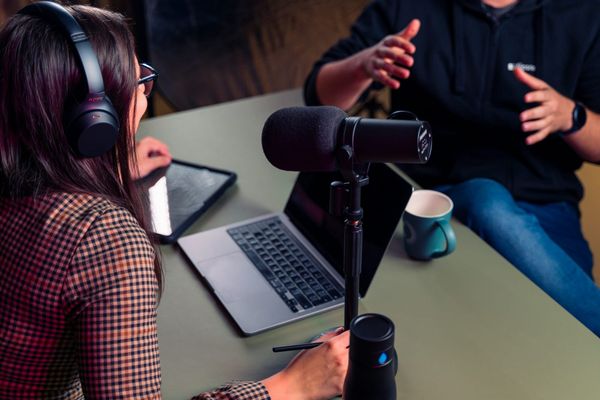
Editing long videos into clips is important for sharing on social media.Podcasters and webinar hosts often need to repurpose their content; they might record hour-long episodes, but need 10 short clips for better promotion.
Look for podcasters with strong audiences but weak social media presence. Offer highlight packages, such as "I'll turn your episode into 10 shareable clips for $150." Show examples that demonstrate how to find strong moments, add captions, and optimize content for specific platform requirements.
There is a high demand for repurposing content. While recording can be tough, editing is even harder. Finding the best moments requires a deep understanding of the content and how platforms behave.By offering this service, you can help solve a real problem for creators. Our clip creator tool simplifies transforming lengthy videos into engaging snippets.
This method can lead to steady long-term work. Since podcasters typically release new episodes weekly, if you consistently deliver high-quality clips, you will become an essential part of their production process.
8. Selling Templates and Presets Online
Create reusable templates for transitions, lower thirds, captions, or effects. You can sell them on platforms like Gumroad, Etsy, or Creative Market. One product can generate revenue multiple times without additional work.
Focus on creating templates for popular editing software, including Premiere Pro, Final Cut, and CapCut. Concentrate on high-demand categories such as YouTube intros, podcast templates, and Instagram Reels packs. Set your template prices between $10 and $50, depending on complexity.
Since a single product can sell multiple times, you only need to produce it once. This setup allows you to earn money even while you sleep. For instance, if a $20 template sells 10 copies per week, that adds up to $800 in monthly passive income. Furthermore, tools like our clip creator can streamline the design process for these templates.
Passive income can help support active client work. While it won't replace client work, it can help balance your income when client work fluctuates.
9. Joining Editing Agencies or Production Teams
Apply to agencies that work with multiple clients. They bring the clients while you do the work. Agencies need reliable editors who can meet deadlines without any issues.
Send your portfolio and CV to video production agencies, marketing firms, and content studios. Focus on your turnaround speed, communication skills, and area of expertise. Agencies value dependability more than creativity, since they manage client relationships and deadlines.
Agencies bring clients, helping you avoid sales and administrative tasks. They handle invoicing, changes, and client communication, allowing you to focus solely on editing.Our clip creator tool can streamline your editing process and help enhance the quality of your work. Once you demonstrate reliability, steady contracts often follow. Agencies with regular clients need ongoing editing help. If you show you can be trusted, you might become part of their core team.
10. Building a Personal Editing Brand
Post your edits publicly. Share before-and-after clips on TikTok, Instagram, and Twitter. This way, you can showcase your process, your thinking, and your results.
When people see your work consistently, inbound leads grow. Each post acts as a portfolio piece and shows that you're active, skilled, and available. Clients are more likely to contact you first when they see proof of your capability in their feed. Our clip creator tool helps streamline the process, making your edits shareable and engaging.
The change from outbound pitching to inbound inquiries changes the power dynamic. When clients reach out to you, they're already interested; they have seen your work and trust your style. As a result, pricing discussions begin from a position of credibility, not desperation.
However, knowing the methods is helpful only if you can execute them faster than the competition.
Related Reading
- Video Editing Workflow Checklist
- PC Specs for Video Editing
- How To Start Editing Videos
- How To Practice Video Editing
- Mac Vs Pc For Video Editing
- How To Make A Video Editing Portfolio
- Video Editing Tips And Tricks
- Best Free Video Editing Apps For Android
- How To Organize Video Files For Editing
- How To Edit Video In Google Drive
- Creative Video Editing Techniques
30-Day Roadmap to Your First Video Editing Income
You don't start making money from video editing by waiting until you're good enough. You begin by building proof, pitching daily, and packaging your skills effectively for 30 days. This roadmap shows the exact steps to take.
The structure removes confusion. Each week focuses on a specific goal: foundation, visibility, outreach, and scaling. Instead of wandering through tutorials and hoping for income, you follow a system that turns your editing skills into paying work. In particular, using clip creator tools can help streamline your projects and make your work stand out.
Week 1: Build Your Foundation
Create three sample projects using stock footage and clear positioning. Pick one niche: short-form creators, business ads, YouTube editors, or podcast clips. Specialists get hired faster because clients trust depth over breadth.
Set up profiles on Fiverr, Upwork, Instagram, and LinkedIn with 'Video Editor for [Niche]' in your bio. Package your service into three options: Starter at $50 for two videos, Standard at $150 for eight videos, and Pro at $300 for 20 videos. Clients prefer clear choices to vague 'contact me' pages.
Your portfolio shows your skills before anyone asks about your experience. Three strong samples that match what clients really want will do better than ten random clips that only show what you think is impressive.
Week 2: Generate Visibility
Post daily content to show off your work, including before-and-after edits, speed edits, and client-style videos. Every post works as both a portfolio piece and proof that you're active, skilled, and available.
Many editors spend hours generating content ideas before editing begins. This slowdown limits how often they can post and makes it harder to reach clients. Platforms like Crayo speed up script creation and repetitive tasks to just minutes.This lets you focus on creative decisions and consistent output. By eliminating boring slowdowns, you can post daily without getting tired. Create a message template for outreach: "Hi, I edited this sample for your page. Can I send it?" Make the first line personal while keeping the rest the same.You're building a repeatable system, not writing custom essays for strangers.
Week 3: Execute Outreach
Send 10 DMs, five emails, and three platform proposals every day. The math is simple: more outreach leads to more conversations, which in turn create more clients. Most beginners send fewer than two pitches each week and then wonder why nothing happens.
On day 17, offer trial edits. Edit 15-30 seconds for free to help clients feel less worried. Clients who see your work in their content are more likely to buy than those who see generic samples. Our clip creator tool can streamline the editing process, making it easier to showcase your skills effectively.
Close your first deal by giving a discount: "First month 20% off." Pricing concerns usually go away when clients see quick value and a time-limited offer. One paying client can prove your entire approach works and help fund the next step.
Week 4: Scale Your Income
Improve workflow using templates, presets, and automation. Faster delivery allows you to serve more clients without working longer hours. Speed isn't about rushing; it's about removing unnecessary steps.
Create subscription offers like "12 videos per month for $250." This approach changes freelancing from a hustle into a business.Clients value predictability, which gives you stable revenue and better planning.
Ask current clients for referrals with "Do you know anyone who needs edits?" Every happy client knows other creators or businesses. Referrals come pre-sold, as trust is established through their recommendation.
Track what works by seeing which niches respond, which clients pay on time, and which offers convert. Double down on trends that produce results and remove what wastes time.
The difference between editors who earn and editors who don't lies in talent, but in execution volume, consistency, and the willingness to sell before feeling ready. A focused 30-day action plan generates more income than 6 months of passive learning.
Related Reading
- Best Drone Video Editing Software
- Best Video Editing Software For Music Videos
- Best Video Editing Software For Sports Highlights
- Best Video Editing Software For Content Creators
- Best Video Editing App For Pc
- Best Paid Video Editing Software
- Best App for Video Editing on iPad
- Best Songs For Video Editing
- Best Video Editing Software For Vlogging
- Autopod Alternative