
You're scrolling through your feed and notice something. The businesses getting attention aren't posting polished ads anymore. They're creating quick, authentic videos that stop thumbs mid-scroll. Whether you're exploring TikTok content ideas for business or focusing on Instagram Reels, the same truth applies: short-form video content drives real engagement when you know what to create. This article breaks down 7 Instagram Reels content ideas to get views in 15 days, giving you a clear roadmap to transform your social media strategy with content that actually connects with your audience.
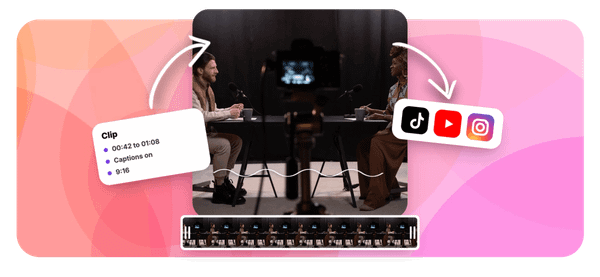
But creating engaging reels consistently takes time you probably don't have. That's where a clip creator tool like Crayo becomes your secret weapon. Instead of spending hours filming, editing, and formatting video content, you can quickly generate professional-looking reels that align with proven content formats. Think of it as your production assistant that handles the technical work while you focus on your message and brand storytelling.
Table of Contents
- Why Creators Struggle to Get Views on Instagram Reels
- The Hidden Cost of Posting Reels Without a Content System
- 7 Instagram Reels Content Ideas to Get Views in 15 Days
- The 15-Day Workflow to Get Views on Instagram Reels Consistently
- Create Instagram Reels Faster With Crayo AI
Summary
- Short-form video content drives engagement because it matches how audiences consume information today, but most creators fail because they structure content around what they want to say rather than what stops viewers from scrolling. Instagram rewards retention above all else, and 65% of viewers decide whether to keep watching within the first three seconds.
- Posting reels without a repeatable system creates a cycle where every video starts from scratch, and mistakes repeat invisibly. Instagram Reels receive 22% more engagement than regular video posts, but only when they're built to hold attention. Creators who change their approach constantly never establish a baseline to measure what actually drives retention versus what kills it.
- The gap between effort and results widens when creators focus on polishing individual videos instead of testing structural elements that affect retention. Spending three hours on a single reel doesn't guarantee better performance than spending thirty minutes if the content wasn't designed to retain viewers from the first frame.
- Successful reels follow proven formats that grab attention immediately and deliver focused value without overloading the message. Problem-solution structures, mistake-based content, and hook-and-reveal formats work because they create immediate relevance and curiosity gaps that keep viewers watching past the critical first few seconds.
- Growth accelerates when creators build a testing framework that identifies what holds attention and then scales successful formats, rather than abandoning them. According to performance data, 50% of reels views occur within the first 24 hours, suggesting Instagram decides quickly whether content deserves distribution.
Crayo's clip creator tool addresses the production bottleneck by handling scripting, voiceover generation, caption timing, and formatting in under 10 minutes, allowing creators to focus on testing hooks and analyzing retention data instead of manual editing.
Why Creators Struggle to Get Views on Instagram Reels
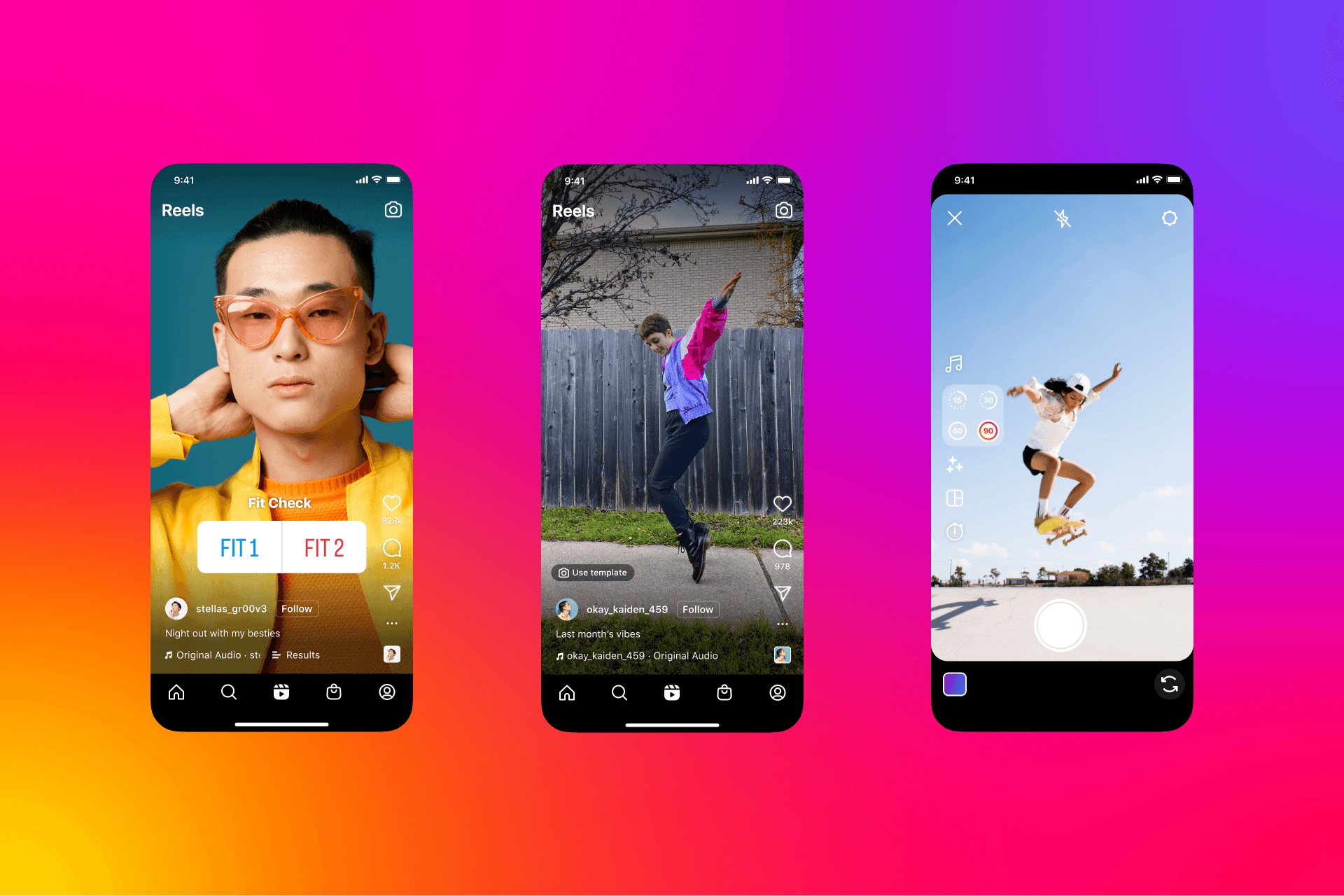
Creators struggle to get views on Instagram Reels because they upload content without structuring it for attention, retention, and platform behavior. The reel exists, but it doesn't hold people long enough for Instagram to push it. Without a clear hook, focused message, or retention strategy, even well-produced content disappears into the feed unnoticed.
The Missing Content Direction
Most creators begin posting reels without deciding what they want to be known for. They follow trends one day, share behind-the-scenes footage the next, then pivot to product demos without connecting the dots. This scattered approach confuses both the audience and Instagram's recommendation algorithm. When your content lacks a consistent thread, the platform struggles to understand who should see it, and viewers don't know what to expect when they encounter your profile. The result is content that gets uploaded but not amplified. Instagram rewards clarity. When your reels consistently address a specific topic, solve a recognizable problem, or deliver a predictable type of value, the algorithm learns who wants that content and serves it accordingly.
The First Three Seconds Problem
Many reels take too long to deliver value. Creators introduce themselves, add context, or build up to the point while viewers are already deciding whether to scroll. 65% of viewers decide whether to keep watching within the first three seconds. That narrow window determines whether your reel gets retained or abandoned. Opening slowly is not a creative choice. It's a structural flaw that kills reach before the value even appears. The best performing reels start with the payoff, the surprising insight, or the visual hook that makes stopping worth it. Context can come later, once attention is earned.
Overloading the Message
Trying to say too much in one reel dilutes the impact. Creators pack multiple tips, jump between ideas, or layer too many concepts into 30 seconds. The viewer can't follow, can't remember, and can't share what they just watched. Complexity creates friction, and friction reduces retention. One clear idea, delivered simply, performs better than five half-explained concepts. When the message is focused, viewers stay longer, rewatch to absorb it, and share it because they can explain what it's about. Simplicity is not dumbing down. It respects the format and the viewer's limited attention.
Automated Production and Strategic Iteration
For creators who want to scale reels production without spending hours on technical editing, tools like Crayo handle formatting, subtitles, and visual polish in seconds. Instead of getting stuck in editing software, you can focus on structuring your message and testing what holds attention. The workflow shifts from manual execution to strategic iteration.
Related Reading
- TikTok Content Ideas for Business
- What Does Content Under Review Mean on TikTok
- YouTube Shorts Ideas Without Showing Face
- Viral YouTube Shorts Ideas
- Why Is My Content Under Review on TikTok
- Creative Instagram Reels Ideas
- YouTube Shorts Content Ideas
- YouTube Shorts Ideas For Beginners
- How Long Can A Reel Be On Instagram
- Instagram Reels Ideas For Business
- What Does Promotional Content Mean on TikTok
- Instagram Reels Ideas For Beginners
- How Much Do Content Creators Make on TikTok
- Instagram Reels Content Ideas
The Hidden Cost of Posting Reels Without a Content System

Posting without a system doesn't just limit your views. It creates a cycle where every reel starts from scratch, mistakes repeat invisibly, and effort never compounds. You're not learning what works because you're not tracking patterns. You're not improving retention because you're not analyzing where people drop off. The real cost is building a content library that teaches you nothing.
When Every Post Resets Your Progress
Creators who change their approach constantly never establish a baseline. One week, they test trending audio, the next, they try educational carousels, then they pivot to behind-the-scenes clips without measuring what actually moved the needle. This feels like experimentation, but it's closer to guessing. Without a repeatable format, you can't isolate what drives retention versus what kills it.
Performance becomes random. A reel gets 5,000 views, so you try to recreate it, but you're not sure if it was the hook, the pacing, the topic, or the time you posted. The next version flops. You adjust three variables at once, and now you have no idea which change mattered. Research on skill acquisition shows that improvement requires structured repetition with feedback, not random variation. When your format shifts constantly, you're not iterating. You're starting over.
The Retention Gap No One Tracks
Most creators focus on posting frequency, assuming consistency alone will build reach. But Instagram Reels receive 22% more engagement than regular video posts because the format rewards retention, not just uploads. If viewers leave in the first five seconds, Instagram stops showing your content. The algorithm doesn't care how many takes you take or how polished the edit looks. It cares whether people watched.
Without planning for retention, you're creating content that the platform won't distribute. You skip the hook because you want to build context first. You add a slow intro because it feels more natural. You assume good information will hold attention, but viewers decide to scroll before they know what you're offering. The cost isn't posting less. It's posting content designed to lose viewers before the value appears.
Why More Effort Doesn't Improve Results
Spending three hours on a reel doesn't guarantee better performance than spending thirty minutes on it. Creators record multiple takes, adjust lighting, refine transitions, and then watch the video underperform. The time investment felt productive, but without a system, effort just repeats the same structural mistakes more carefully. You're polishing content that wasn't built to retain attention in the first place.
For creators who want to test ideas quickly rather than get stuck in editing loops, platforms like Crayo handle subtitles, formatting, and visual polish in seconds. This shifts time from technical execution to strategic testing. You can produce three versions of a hook and see which one holds viewers, rather than spending all your time perfecting one version that might not work. The workflow becomes about learning faster, not working harder.
The Missing Feedback Loop
Most creators post and move on. They don't check retention graphs, don't compare performance across similar topics, and don't study where viewers drop off. They assume posting more will naturally improve their skills, but repetition without analysis just locks in bad habits. 91% of Instagram users watch reels weekly, which means the audience is there. The problem isn't a lack of opportunity. It's creating content without understanding what keeps people coming back. Growth slows because you're not compounding knowledge. Each reel is an isolated event instead of a data point. You can't identify patterns if you're not tracking them. You can't fix retention issues if you don't know where they happen. The cost isn't posting more. It's not learning from what you've already posted.
Related Reading
- Instagram Reel Hook Ideas
- How To Create A Reel On Instagram
- Instagram Reel Caption Ideas
- Tiktok Content Ideas For Beginners
- Best Time To Post A Reel On Instagram
- Best Content For Tiktok
- How To Analyze Tiktok Video Content
- How To Schedule A Reel On Instagram
- Instagram Story Vs Reel
- Best Content Strategy Tiktok
- How To Make Looping Content For Tiktok
- Ai Tools for TikTok Content Creation
7 Instagram Reels Content Ideas to Get Views in 15 Days

1. Problem-Solution Reels
Start with a specific problem your viewer recognizes instantly, then deliver the fix before they can scroll. The format works because it mirrors how people search for help. They're not looking for entertainment. They're looking for relief from something that's frustrating them. Your reels aren't getting views because you're starting with context instead of value," hits harder than a slow introduction about Instagram's algorithm. The problem creates immediate relevance. The solution keeps them watching to see if you actually solve it. When someone feels seen in the first three seconds, they stay to see if you understand their situation well enough to fix it. This format attracts the right audience because it filters by pain point. People without that problem scroll past. People experiencing it stop, watch, and often save the reel for later reference. Instagram sees that retention and completion rate, then pushes your content to more people searching for similar solutions.
2. Mistake-Based Reels
People pay closer attention when you tell them they're doing something wrong. Not because they enjoy being corrected, but because they want to know what's blocking their progress. The curiosity gap between "I'm making a mistake" and "here's what it is" keeps them watching past the hook. Three mistakes are killing your reels' growth work because they trigger self-assessment. Viewers mentally check whether they're making those mistakes as they watch. That active engagement increases retention. They're not passively consuming. They're diagnosing their own approach against your framework.
The format also builds credibility fast. When you accurately name mistakes people recognize but couldn't articulate, they trust you understand the problem deeply enough to solve it. That trust converts viewers into followers who come back for more corrections.
3. Hook and Reveal Reels
Build tension in the first frame, then make people wait for the answer. The structure mimics a question they're already asking themselves, which is why it stops the scroll. This is why your reels get 200 views instead of 20,000: it creates a knowledge gap that viewers want closed. The retention comes from delaying the payoff just long enough to keep them curious, but not so long that they get frustrated. Three to five seconds of setup, then the reveal. If you stretch it out too long, you're testing patience instead of building anticipation. The best performing hook and reveal Reels deliver the answer at the 12 to 18 second mark, right when curiosity peaks.
Viewers who watch to the end often replay to catch details they missed the first time. That replay behavior signals strong engagement to Instagram's algorithm, which increases distribution. You're not just holding attention. You're creating content people choose to watch twice.
4. Quick Tip Reels
One clear, actionable insight delivered in under 20 seconds. No setup, no backstory, just the thing they can use immediately. Add captions to your reels to increase watch time by 40% gives them something to test today, not a concept to think about later.
The format's power is in its simplicity. You can create one daily without burning out because you're not building complex narratives or filming elaborate setups. For creators who want to test ideas quickly without getting stuck in editing loops, tools like Crayo handle subtitles, formatting, and visual polish in seconds. Instead of spending 30 minutes manually adding captions, you generate the reel and move on to testing the next tip. The workflow becomes about volume and learning, not perfecting each individual post.
Quick tips also have high completion rates because viewers know the commitment is small. They'll watch a 15-second tip even if they're only mildly interested. That completion rate compounds over multiple reels, training the algorithm to show your content to more people.
5. Before and After Reels
Show the transformation, not the process. People want proof that change is possible, and visual contrast delivers that faster than explanation. "Before fixing this one thing" next to "after" creates immediate curiosity about what changed and whether they can replicate it.
The format works across industries because transformation is universally compelling. A cluttered desk becomes organized. A confusing caption structure is becoming clear. A reel with 100 views is becoming one with 10,000 views. The specificity of the change matters more than the scale. Viewers connect with relatable starting points, not aspirational endpoints they can't imagine reaching.
Before-and-after reels also encourage saves and shares by serving as reference points. Someone sees your transformation, saves it to try later, and Instagram interprets that save as high-value content worth distributing further.
6. Trend Plus Value Reels
Use trending audio or formats, but layer in something useful instead of just participating. The trend gets you initial reach because Instagram pushes trending content to more feeds. The value keeps people coming back and following because you gave them something beyond entertainment.
Trends already have built-in attention. You're not fighting to stop the scroll. You're fighting to make your version worth remembering after the trend fades. When you add a clear tip, insight, or solution to a trending format, you separate your content from the dozens of other creators using the same audio for jokes or dances.
The mistake most creators make is treating trends as pure entertainment plays. They participate but don't differentiate. Your version should make someone think, "I've seen this trend ten times today, but this is the first one that taught me something."
7. Loop-Based Reels
Create a reel whose ending seamlessly connects back to the beginning, so it replays without a visible break. The loop increases total watch time because viewers often don't realize it restarted. They keep watching, expecting new information to come, and that extended retention signals strong engagement on Instagram.
The format requires precise editing. The last frame needs to match the first frame visually and contextually so the transition feels invisible. When done well, loop-based reels can generate 3x to 5x the watch time of standard reels because each replay counts toward total retention metrics.
Loops work best with visual content or rhythmic pacing. A process that repeats. A pattern that cycles. A statement that leads back to its own premise. The content needs to feel complete in one loop but interesting enough to watch multiple times.
The 15-Day Workflow to Get Views on Instagram Reels Consistently

Getting views on Instagram Reels in 15 days requires a system that removes guesswork and builds momentum through daily testing. You're not waiting for luck. You're creating conditions where the algorithm can identify your audience, and you're learning fast enough to double down on what works before motivation fades.
Days 1 to 3: Define Your Testing Parameters
Pick two content formats from the previous section. Not five. Not whatever feels right that day. Two formats you'll test repeatedly so you can measure what actually drives retention versus what just feels productive. Write down your niche in one sentence. If you can't explain in ten words what you help people do or understand, your content will confuse the algorithm and viewers equally. "I help small business owners create reels that convert" is clear. "I post about marketing, productivity, and lifestyle tips" is scattered.
Generate seven reel ideas before you film anything. This removes the daily decision fatigue of "what should I post today?" When you wake up, you're executing a plan, not inventing one. Write the hook for each idea first. If the hook doesn't make you want to keep reading, the reel won't make people want to keep watching.
Days 4 to 7: Post Daily and Prioritize Speed
Create one reel every day. Not when you feel inspired. Not when conditions are perfect. Daily. The goal right now is not viral content. It's building a dataset large enough to spot patterns. Focus every second of filming and editing on three elements: a hook that stops the scroll in the first frame, a message so focused a distracted viewer can follow it, and pacing that doesn't let attention wander. Everything else is optional. Most creators spend 80% of their time on elements that contribute 20% to retention.
Operational Efficiency and Iterative Testing
Many creators waste hours manually adding captions, adjusting timing, and formatting clips when they should be testing hooks and analyzing what holds attention. Tools like Crayo handle subtitles, visual formatting, and technical polish in seconds, letting you produce three reels in the time it used to take to finish one. The workflow shifts from perfecting individual posts to testing multiple approaches and learning which structures actually retain viewers. Resist the urge to judge performance during this phase. You're collecting data, not proving your content works yet. Post, move on, repeat.
Days 8 to 10: Analyze What the Data Shows You
Open Instagram Insights for each reel you posted. Ignore vanity metrics like total views for now. Look at the average watch time and the retention graph that shows exactly where people dropped off. Identify your top two performing reels by retention percentage, not view count. A reel with 500 views and 70% retention teaches you more than one with 2,000 views and 30% retention. The first one held attention. The second one got initial reach but lost people quickly.
Pattern Recognition and Retention Analytics
Study what those top performers have in common.
- Did they start with a question?
- Did they promise a specific outcome in the first three seconds?
- Did they use a particular pacing or visual style?
Write down the pattern. This is your retention formula, built from real behavior, not assumptions. Now look at where viewers dropped off in your lower-performing reels. If 60% leave in the first five seconds, your hook failed. If they stay through the hook but leave halfway through, your pacing dragged, or your message got confusing. The retention graph tells you exactly what to fix.
Days 11 to 13: Double Down on Proven Formats
Stop creating new types of content. Take your best-performing format and create three variations. Same structure, different topics. Same hook style, different specific problems. According to Socialinsider, 50% of reel views occur within the first 24 hours, suggesting Instagram decides quickly whether your content deserves distribution. When you repeat a format that has already proven it retains viewers, you're giving the algorithm content it knows how to distribute instead of asking it to evaluate something completely new.
Strategic Iteration and Scalable Repetition
This is where most creators quit the system. They assume repeating formats means boring their audience, so they pivot to something fresh. But your audience hasn't seen this format yet. You tested it on a small sample. Now you're scaling what worked.
Growth comes from repetition with small improvements, not constant reinvention.
- Refine your delivery with each variation.
- Tighten the hook by one second.
- Cut the middle section that didn't add value.
- Test a different closing statement.
You're not starting over. You're iterating on a structure that already worked.
Days 14 to 15: Optimize for Retention and Replay
Strengthen every opening. The first frame should communicate value before the viewer hears a word. Text overlay that names the problem. A visual that shows the transformation. Something that makes stopping feel worth it before the video even plays. Remove every unnecessary element. The transition looks cool, but it adds two seconds. The context that felt important when you scripted it, but doesn't change comprehension. Every second that doesn't actively hold attention is a second that risks losing viewers. Cut it.
Loop Structures and Engagement Retention
Add loop-style endings that either callback to your opening statement or pose a question that makes people want to rewatch. That's why your reels aren't getting views, which connects back to the problem you opened with, creating a satisfying close that also works as a seamless loop if someone replays. Test one reel with a loop structure. Make the last frame visually match the first frame so it replays without a visible break. When viewers don't realize it restarted, they keep watching, and that extended retention signals strong engagement to Instagram.
What This System Actually Fixes
You're no longer posting randomly and hoping something works. You have a testing framework that identifies what holds attention, and a scaling method that multiplies successful formats rather than abandoning them. You're not overthinking the content because you're following a structure that has already proven it retains viewers. The decision isn't "what should I create today?" It's "which proven format should I apply to this topic?"
Feedback Integration and Learning Compression
You're improving with real feedback instead of guessing what went wrong. The retention graph shows you exactly where people lost interest. You fix that specific moment in the next version, rather than changing everything and hoping for different results. This workflow compresses months of random posting into 15 days of structured learning. By day 15, you know which formats work for your niche, which hooks stop your specific audience, and how to structure content that Instagram actually distributes.
Create Instagram Reels Faster With Crayo AI
The problem isn't your ideas. It's the gap between concept and published reel. Most creators spend hours scripting, recording multiple takes, manually syncing captions, and adjusting timing when they should be testing hooks and analyzing retention data. Production friction kills momentum before you can learn what actually works.
Faster Reels, Faster Testing
Crayo removes that friction by handling the technical execution in seconds. You input your idea, and the platform generates a structured script with a retention-focused hook, converts it to a clean voiceover, adds captions automatically, and exports a ready-to-post reel. What used to take 45 minutes now takes under 10, meaning you can produce three variations of a hook and test which one holds viewers, rather than perfecting one version that might not work.
Less Editing, More Iteration
This isn't about doing more. It's about removing the steps that slow down learning. When production becomes instant, your workflow shifts from manual editing to strategic iteration. You spend your time analyzing what retains viewers and doubling down on proven formats, not adjusting caption timing or re-recording voiceovers. The system you built over 15 days only compounds if you can execute it without burning out on production. Crayo makes that possible.
Related Reading
- Tiktok Content Ideas Without Showing Face
- Tiktok Content Creation Tips
- How to Become a Content Creator on TikTok
- Best Social Media Content Creation Tools
- Later Alternative
- Sprout Social Alternative
- Buffer Alternative
- Ai Tools For Social Media Content Creation
- Hootsuite Alternative
- ContentStudio Alternatives