

You've posted three TikTok videos this week, but which one actually moved the needle for your business? When you're developing TikTok content ideas for business, creating content is only half the battle. Understanding what resonates with your audience, what drives engagement, and what converts viewers into customers requires analyzing your video performance with precision. This article will show you 7 ways to analyze TikTok video content in just 10 minutes, giving you actionable insights that transform guesswork into strategy.
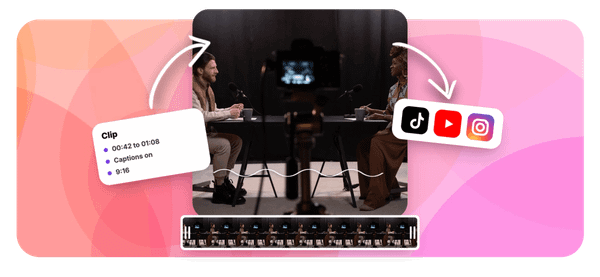
The good news is you don't need to spend hours manually tracking metrics or juggling multiple analytics dashboards. Crayo's clip creator tool streamlines the entire process by helping you identify patterns in your top-performing videos, understand engagement trends, and replicate what works. Instead of drowning in data, you'll quickly spot which video formats, hooks, and topics deserve more of your attention and budget.
Summary
- Only 30% of TikTok creators consistently track their video performance metrics, meaning most are making content decisions based on incomplete signals. Views measure exposure, not impact. They don't reveal why people stayed, where they dropped off, or whether the content can be replicated.
- Seventy percent of creators misinterpret their data largely because they lack a framework for comparing content. Creators who analyze videos individually miss the patterns that separate consistent performers from one-off hits. When you stack ten videos side by side and filter by completion rate, the winning formula becomes visible.
- Retention is one of the strongest signals for algorithmic performance. When viewers complete your video, the platform interprets that as quality worth distributing further. When they bail at the 8-second mark, the algorithm stops showing it. High completion signals strong content that held attention from the hook to the CTA, while early drop-off signals a weak opening or pacing that lost momentum.
- The first three seconds operate under different rules than the middle or end of a video. Viewers decide whether to invest attention before they know what you're offering. When 70% of viewers leave before the three-second mark, the problem isn't your topic; it's how you opened. A strong hook doesn't just grab attention; it sets up a promise the rest of the video delivers on.
- Shares and saves measure different types of value. High shares mean your content felt relevant enough to send to someone else, while saves indicate viewers found it useful enough to revisit. People share content that makes them look informed or helpful. They save content they plan to use.
Crayo's clip creator tool surfaces structural patterns across multiple videos in seconds, showing which hook styles, pacing rhythms, and CTA placements consistently drive retention, rather than requiring manual comparison of retention curves and engagement ratios.
Why Creators Struggle to Analyze TikTok Video Performance Correctly

Creators misread their TikTok performance because they chase vanity metrics, analyze videos in isolation, and react emotionally instead of structurally. They see high views and assume success, then watch engagement collapse without understanding why. The result is repeated mistakes, wasted effort, and content that underperforms for the same reasons.
Views Don't Explain What Happened
Most creators check view counts first. A video hits 50,000 views, and it feels like validation. Another gets 2,000, and it feels like failure. But views only measure exposure, not impact. They don't reveal why people stayed, where they dropped off, or whether the content can be replicated. According to Socialinsider, only 30% of TikTok creators consistently track their video performance metrics, meaning most are making decisions based on incomplete signals.
When creators stop at view counts, they miss the mechanics behind the result. A video with 10,000 views and 8% average watch time performed worse than one with 3,000 views and 45% completion. The first got pushed broadly but failed to hold attention. The second resonated deeply with a smaller, more engaged audience. Without comparing these patterns, creators optimize for the wrong outcome.
Metrics Read Separately Tell Incomplete Stories
Many creators review likes without checking retention curves. They celebrate comments without noticing completion rates. They track shares but ignore the hook that drove them. Each metric lives in its own column, disconnected from the others. This creates confusion. A video can rack up likes while losing viewers at the 3-second mark. High comments might signal controversy, not connection. Strong shares could mean the first five seconds worked, but the rest didn't.
The relationship between metrics reveals what actually happened. When watch time is high, but likes are low, the content held attention but didn't inspire action. When shares spike but completion drops, the hook worked, but the payoff didn't. Platforms like Crayo's clip creator help creators spot these patterns across multiple videos, turning disconnected numbers into a system that shows which combinations of hook, pacing, and CTA actually drive results.
Emotional Analysis Replaces Structural Thinking
Creators often judge performance based on effort, not evidence. They assume a video failed because it didn't get views, not because the first three seconds lost 60% of viewers. They feel proud of a post they worked hard on, even when retention data shows people left early. This emotional lens makes it harder to see what the hook did, where the pacing lagged, or whether the CTA landed. Analysis becomes personal instead of measurable.
I've watched creators post the same weak hook structure five times in a row, each time convinced the idea was the problem, not the execution. They never compare the opening seconds across videos. They never test whether starting with a question outperforms starting with a statement. Without structure, they're guessing rather than learning.
Patterns Stay Hidden Without Comparison
One strong video feels like a breakthrough. One weak video feels like bad luck. But growth comes from identifying what keeps working across multiple posts. Creators who analyze videos individually miss the patterns that separate consistent performers from one-off hits. They don't notice that videos starting with "Here's why..." hold attention 20% longer than those starting with "Today I'm going to...". They don't see that their 15-second videos outperform their 45-second ones by every metric.
InfluenceFlow reports that 70% of creators misinterpret their data, largely because they lack a framework for comparing content. When you stack ten videos side by side and filter by completion rate, the winning formula becomes visible. The hook style, pacing rhythm, and CTA placement that drive results stop being mysterious. They become repeatable.
The real cost isn't just poor insight. It's the time spent creating content without learning from it fast enough to adjust before the next post. That gap between effort and understanding is where momentum dies.
Related Reading
- TikTok Content Ideas for Business
- What Does Content Under Review Mean on TikTok
- YouTube Shorts Ideas Without Showing Face
- Viral YouTube Shorts Ideas
- Why Is My Content Under Review on TikTok
- Creative Instagram Reels Ideas
- YouTube Shorts Content Ideas
- YouTube Shorts Ideas For Beginners
- How Long Can A Reel Be On Instagram
- Instagram Reels Ideas For Business
- What Does Promotional Content Mean on TikTok
- Instagram Reels Ideas For Beginners
- How Much Do Content Creators Make on TikTok
The Hidden Cost of Not Understanding Your TikTok Content Data

When you don't understand your TikTok data, you don't just post blindly. You repeat the exact mistakes that killed your last video, waste hours building content around weak ideas, and misread success signals that lead you further off track. The cost compounds with every upload because you're not learning, you're guessing.
Repeating What Already Failed
Creators post a video with a slow hook, watch viewers drop off within the first three seconds, then reuse the same opening structure for the next five videos.
- They assume the topic was wrong or the timing was off.
- They never check retention curves to see where the breakdown happened.
Without that feedback loop, the same structural flaw reappears in different packaging. The hook that lost 70% of viewers in two seconds gets recycled because it felt strong when they recorded it.
Feedback Loops and Intentional Improvement
I've watched accounts post ten videos in a row, starting with "So I wanted to talk about..." while their analytics screamed that nobody stays past the first sentence. They reuse weak CTAs, keep pacing that drags, and repeat formats that consistently underperform.
The belief that volume fixes everything masks the fact that they're practicing the wrong thing. Improvement requires feedback and correction, not repetition alone. Posting more without analyzing what went wrong just trains you to make the same mistakes faster.
Optimizing for the Wrong Signal
High view counts feel like validation. A video hits 40,000 views, and creators assume they nailed it. They study that video, try to replicate the topic, and wonder why the next one flops. But views measure exposure, not effectiveness.
According to the Kleene.ai Blog, most TikTok content isn't worth your attention because creators chase metrics that don't correlate with actual engagement. A video with 40,000 views and 12% average watch time performed worse than one with 8,000 views and 55% completion. The first got pushed broadly but failed to hold attention. The second resonated deeply with a smaller, more engaged audience.
Metric Alignment and Compound Errors
Creators optimize for likes without checking whether those likes came from people who watched the whole video or bailed after three seconds.
- They celebrate comments without noticing that the completion rate dropped.
- They track shares but ignore the fact that the hook worked while the middle section lost everyone.
When you optimize for the wrong metric, every subsequent decision compounds the error. You build content around what got views, not what actually worked.
Wasting Effort Without Direction
- Planning
- Scripting
- Recording
- Editing a TikTok video takes time
When that effort doesn't connect to insight, it becomes expensive repetition. Creators spend hours building content around ideas that already underperformed because they never analyzed which formats actually drive retention. They choose topics based on what feels interesting, not what the data shows their audience completes. Time spent without learning doesn't compound. It just accumulates into a pile of content that performs inconsistently for reasons they can't identify.
Actionable Insights and Compressed Learning
The pattern shows up everywhere. Creators invest in better lighting, new editing software, and trending sounds while ignoring the fact that their first five seconds consistently lose 60% of viewers. Inefficient task processes increase time cost without improving outcomes. Effort feels like progress, so creators assume improvement will follow.
But without understanding what's working and what isn't, that effort just produces more content with the same structural flaws. Platforms like Crayo's clip creator tool help creators compress that learning cycle by surfacing patterns across multiple videos in seconds, turning scattered data into actionable insights that make the next video smarter than the last.
Missing the Growth Pattern
Growth accelerates when you identify what works and repeat it. Creators who don't analyze their data miss the patterns that separate one-off hits from consistent performers.
- They don't notice that videos that start with a question hold attention 25% longer than those that start with a statement.
- They don't see that their 12-second videos outperform their 40-second ones across every metric.
- They don't realize that certain CTAs drive shares while others get ignored.
Without comparison, every strong video feels like luck, and every weak one feels like bad timing.
Pattern Scalability and Structural Analysis
The opportunity cost isn't just slower growth. It's missing the chance to scale what already works. When you identify a winning hook structure, pacing rhythm, or CTA placement, you can apply it to the next ten videos. Performance improvement research shows that identifying and repeating high-performing patterns accelerates results faster than posting blindly and hoping something sticks.
But most creators never reach that point because they analyze videos individually rather than structurally. They react to outcomes without understanding the mechanics that produced them. The real question isn't whether you can analyze your content. It's whether you can do it fast enough to adjust before momentum stalls.
7 Ways to Analyze TikTok Video Content in 10 Minutes
Analyzing TikTok content requires focusing on the right metrics and understanding what each one reveals about your video's structure. These seven steps help you identify what worked and what needs to improve without drowning in dashboards or second-guessing every decision.
1. Check Watch Time and Completion Rate First
Start with how long people stayed and whether they finished. High completion signals strong content that held attention from hook to CTA. Early drop-off points to a weak opening or pacing that lost momentum. This metric separates videos that got pushed broadly but failed to engage from those that resonated deeply with a smaller, more invested audience.
Retention is one of the strongest signals for algorithmic performance. When viewers complete your video, the platform interprets that as quality worth distributing further. When they bail at the 8-second mark, the algorithm stops showing it. You can spot this pattern in under 60 seconds by comparing completion rates across your last five videos.
2. Analyze the First 3 Seconds Separately
Your hook decides whether viewers continue or scroll. Check whether people dropped immediately or stayed long enough to understand your premise. A strong hook doesn't just grab attention. It sets up a promise that the rest of the video delivers on. When 70% of viewers leave before the three-second mark, the problem isn't your topic. It's how you opened.
According to Aggero, 7 proven strategies for TikTok video analysis include isolating hook performance from overall retention. The first seconds operate under different rules than the middle or end. Viewers decide whether to invest attention before they know what you're offering. If your hook structure consistently underperforms, every other optimization becomes irrelevant because nobody stays long enough to see it.
3. Compare Likes to Views
Engagement relative to reach shows how people felt about your content. High views with low likes mean the video got distributed but didn't inspire action. A strong ratio signals that viewers connected enough to engage, not just watch passively. This comparison reveals whether your content resonated or just got seen.
Likes reflect emotional response. When a video holds attention but doesn't generate likes, the content is informative without inspiring. When likes spike relative to views, you've hit something that made people want to signal agreement or save the idea. That difference guides whether to optimize for information delivery or emotional connection in your next video.
4. Read Comments for Audience Insight
Comments provide direct feedback about what people care about. Look for repeated questions, specific reactions, or requests for follow-up content. This isn't about counting comments. It's about reading what viewers actually said and using that to guide your next three videos.
Creators often describe frustration with analytics that show contradictory data, such as high retention but low completion, making it difficult to understand true video performance. Comments cut through that confusion. When five people ask the same question, you've identified a content gap. When viewers request a deeper explanation of something you mentioned briefly, you've found your next topic. This takes three minutes and delivers more actionable insight than staring at engagement graphs.
5. Track Shares and Saves Separately
Shares and saves measure different types of value. High shares mean your content felt relevant enough to send to someone else. Saves indicate viewers found it useful enough to revisit. Both signal deeper engagement than passive viewing, but they reveal different strengths in your content structure.
People share content that makes them look informed or helpful. They save content they plan to use. When a video racks up saves but few shares, you've created a resource, not a conversation starter. When shares spike, but savings stay low, you've made something relatable in the moment but not actionable long-term. Knowing which pattern your content follows helps you decide whether to optimize for virality or utility.
6. Identify Drop-Off Points in the Middle
Find the exact moment where viewers stop watching. TikTok's analytics graph shows where attention declines. Those drop-off points reveal weak pacing, confusing transitions, or moments where the content stopped delivering on the hook's promise. This isn't about guessing what went wrong. It's about seeing exactly where it happened.
Micro-Retention and Structural Refinement
Most creators assume poor performance means the entire video failed. But when 60% of viewers drop at the 18-second mark, the first 17 seconds worked. The problem lives in a specific moment, usually a pacing shift, an unclear transition, or a section that felt like filler. Fixing that one point improves the next video's retention without rebuilding everything.
Platforms like Crayo's clip creator surface these patterns across multiple videos in seconds, turning scattered drop-off data into a repeatable structure that shows which pacing rhythms actually keep viewers engaged.
7. Compare Across Your Last Ten Videos
Patterns emerge when you stack videos side by side. Look for repeated strong hooks, consistent high-performing formats, and common weak points. Growth accelerates when you identify what keeps working and apply it to the next batch of content. Single-video analysis feels productive, but it's pattern recognition that compounds into momentum.
When you filter your last ten videos by completion rate, the winning formula becomes visible. Videos that start with a question might hold attention for 20% longer than those that start with a statement. Your 15-second videos might outperform 45-second ones across every metric. Certain CTAs might drive shares while others get ignored. These insights don't appear when you analyze videos individually. They surface when you compare structure across volume.
Why These Steps Work Together
These seven steps focus on the most important metrics while simplifying analysis into a clear direction. Instead of guessing what worked, you read the data, understand performance, and improve intentionally. Each step isolates a specific element, hook quality, pacing structure, emotional resonance, or audience interest, so you know exactly what to adjust.
Targeted Metrics and Iterative Speed
The workflow takes ten minutes because it eliminates the noise. You're not tracking follower growth, profile visits, or demographic breakdowns. You're measuring what keeps people staying, engaging, and sharing. That focus turns analysis from an overwhelming task into a repeatable process that gets faster every time you run it.
Most creators spend more time recording retakes than analyzing what made their last video work. That imbalance keeps them guessing instead of learning. The real advantage isn't just knowing what happened. It's knowing it fast enough to adjust before you post again.
The 10-Minute Workflow to Analyze and Improve TikTok Content Consistently

Improving TikTok content means following a repeatable system that isolates what worked, identifies what failed, and applies one specific fix to your next video.
This workflow compresses analysis into ten minutes by focusing only on metrics that reveal structural problems:
- Retention curves
- Engagement depth
- Drop-off points
Skip everything else.
Review One Video at a Time
- Pick your most recent video.
- Open the analytics.
- Look at three numbers:
- Total views
- Average watch time
- Completion rate
These tell you whether the video got distributed, whether it held attention, and whether people stayed until the end. Nothing else matters in the first 60 seconds of analysis.
When you analyze multiple videos simultaneously, patterns blur. You can't tell if low retention came from a weak hook, slow pacing, or unclear messaging because you're comparing different structures at once. Single-video focus isolates the variable. You see exactly where this specific video succeeded or failed before moving to the next one.
Check Retention First
Pull up the retention curve. Find the exact second when viewers started leaving. If 60% dropped in the first three seconds, your hook failed. If they stayed past ten seconds but bailed at the 18-second mark, your pacing broke down. The graph doesn't lie. It shows you the moment your content stopped delivering value.
Retention reveals whether your structure worked.
- High completion rates mean the hook set up a promise that the video delivered.
- Early drop-offs mean the opening didn't justify continued attention.
Mid-video declines point to pacing issues, filler content, or transitions that confused viewers. This single metric tells you more than likes, shares, and comments combined because it measures actual behavior, not emotional response.
Evaluate the Hook
- Watch the first three seconds again.
- Forget what you intended to communicate.
- Ask whether those opening frames would stop you from scrolling if you saw them in your feed.
Be honest. A hook works when it creates immediate curiosity, tension, or value. It fails when it requires context, builds slowly, or starts with setup.
Strong hooks don't ease viewers in. They drop you into the middle of something already happening. Weak hooks explain what's coming instead of showing it. When your retention curve shows 50% or more viewers leaving before the three-second mark, the hook structure needs to be rebuilt, not tweaked. Most creators assume the topic was wrong. Usually, the opening was just slow.
Check Engagement Signals
- Look at likes
- Comments
- Shares
- Saves together
High views with low engagement mean the video got distributed but didn't resonate. Strong engagement relative to views signals that people are connected enough to take action. This comparison reveals whether your content was informative without inspiring, or hit something that made viewers want to respond.
Saves and shares measure different value types. Saves indicate utility. Shares signal relatability. When a video racks up saves but few shares, you've created a resource. When shares spike, but savings stay low, you've made something people want to send to friends but won't revisit themselves. Knowing which pattern your content follows tells you whether to optimize for practical value or emotional connection next time.
Identify One Key Fix
Choose a single element to improve:
- Hook strength
- Pacing rhythm
- Clarity of message
- CTA placement
Not all four. One. When you try to fix everything at once, you can't tell which change caused the result. Focused iteration compounds faster than scattered optimization.
The fix should target your biggest drop-off point. If 70% of viewers left in the first three seconds, rebuild the hook. If retention stayed strong until the 20-second mark, then collapsed, tighten your pacing or cut filler. If completion was high but engagement stayed low, test a stronger CTA. The data points to the weakest link. Address that before touching anything else.
Apply the Fix to Your Next Video
Use the insight immediately. If your last video lost viewers at the hook, open your next one with a question instead of a statement. If pacing dragged, cut your script by 30% before recording. If your CTA got ignored, move it five seconds earlier and make it more specific. Test one structural change, then measure whether it improved retention or engagement.
Speed matters here. The longer you wait between identifying a problem and testing a solution, the more variables change. Trends shift. Your audience evolves. Timing affects distribution. When you apply fixes within 24 to 48 hours, you can determine whether the change succeeded or failed. That feedback loop accelerates learning faster than any amount of research or planning.
Pattern Recognition and Analytical Compression
Many creators spend hours manually comparing videos, trying to spot patterns across retention curves, engagement ratios, and hook performance. As volume increases, that process becomes unsustainable.
Platforms like Crayo's clip creator tool compress this workflow by surfacing structural patterns across multiple videos in seconds, showing which hook styles, pacing rhythms, and CTA placements consistently drive retention. Instead of rebuilding analysis from scratch every time, you see what's already working and apply it to the next batch of content.
What This Workflow Fixes
- You stop guessing why a video underperformed.
- You stop repeating the same structural mistakes.
- You stop optimizing for metrics that don't reveal what actually happened.
- Instead, you follow a clear system that isolates problems, tests solutions, and builds momentum through focused iteration.
This approach moves you from random results to predictable improvement. Every video becomes a test. Every test produces data. Every data point sharpens your next decision. That compounding effect separates creators who post consistently from those who grow consistently.
Why Ten Minutes Is Enough
Most analysis time gets wasted on metrics that don't change behavior. Follower growth, profile visits, and demographic breakdowns feel important, but they don't tell you what to fix. Retention curves, engagement depth, and drop-off points do. When you focus only on metrics that reveal structural problems, ten minutes becomes more than enough.
The workflow works because it eliminates noise. You're not tracking everything. You're tracking the three or four signals that explain why people stayed, engaged, or left. That focus turns analysis from an overwhelming task into a repeatable process that gets faster every time you run it. After analyzing ten videos this way, you'll spot weak hooks in 30 seconds and identify pacing problems without checking the graph.
How This Compounds Over Time
The first time you run this workflow, it feels methodical. The fifth time, it feels automatic. By the tenth video, you've internalized the patterns. You know which hook structures hold attention. You recognize pacing rhythms that keep viewers engaged. You've tested enough CTAs to know which ones drive action and which ones get ignored.
That accumulated knowledge turns into instinct. You start building better videos before you record because you've trained yourself to see content through the lens of retention, not effort. The analysis becomes part of your creative process, not a separate task you dread. When that shift happens, improvement stops feeling like work. It becomes the natural outcome of paying attention.
Related Reading
- Instagram Reel Hook Ideas
- How To Create A Reel On Instagram
- Instagram Reel Caption Ideas
- Tiktok Content Ideas For Beginners
- Best Time To Post A Reel On Instagram
- Best Content For Tiktok
- How To Schedule A Reel On Instagram
- Instagram Story Vs Reel
- Best Content Strategy Tiktok
- How To Make Looping Content For Tiktok
- Ai Tools for TikTok Content Creation
Analyze and Improve TikTok Content Faster With Crayo AI
The problem isn't that analyzing TikTok content takes too long. It's that most creators analyze the wrong things, in the wrong order, without a system that turns insights into immediate action. You check metrics that don't reveal structural problems, then guess which element to fix next. That gap between understanding and execution is where momentum dies.
Traditional workflows force you to manually compare retention curves, track engagement patterns across multiple videos, and rebuild your analysis from scratch every time. As your content volume increases, that process becomes unsustainable. You spend more time reviewing what happened than planning what comes next.
Pre-Production Analysis and Cycle Compression
The delay between identifying a weak hook and testing a stronger one stretches from hours to days, introducing variables that make it impossible to know whether your fix actually worked.
Crayo compresses that entire cycle. Drop your video idea or transcript into the platform, and it breaks down your content into hook strength, structural clarity, and engagement points in seconds. Instead of manually hunting for drop-off patterns, you see exactly where attention breaks and which elements consistently drive completion. The system surfaces weak hooks, pacing issues, and ineffective CTAs before you record, turning analysis into a pre-production step rather than a post-mortem task.
Predictive Iteration and Compounding Improvement
The shift isn't just speed. It's certain. When you can test three hook variations, compare pacing structures, and generate improved script versions in under ten minutes, iteration stops feeling like guesswork. You're not wondering whether starting with a question outperforms a statement. You're seeing which structure held attention across your last twenty videos and applying that pattern to the next batch. That feedback loop turns scattered insights into repeatable systems.
Growth stops being about posting more and hoping something sticks. It becomes about knowing what to fix, testing the solution immediately, and measuring whether retention improved before the next upload. When that cycle runs fast enough, every video teaches you something you can apply within 24 hours. That's when improvement compounds faster than volume ever could.
Related Reading
- Tiktok Content Ideas Without Showing Face
- Tiktok Content Creation Tips
- How to Become a Content Creator on TikTok
- Best Social Media Content Creation Tools
- Later Alternative
- Sprout Social Alternative
- Buffer Alternative
- Ai Tools For Social Media Content Creation
- Hootsuite Alternative
- ContentStudio Alternatives