

You're scrolling through your phone, watching short-form videos rack up thousands of views while your own content barely makes a ripple. The competition for attention on platforms like Instagram and TikTok has never been fiercer, and many businesses struggle to crack the code on what actually works. If you've been exploring TikTok content ideas for business, you already know that Instagram Reels operates on similar principles, yet each platform has its own rhythm and audience behavior. This article breaks down proven Instagram Reels content ideas that grab attention and keep viewers coming back, while also helping you understand a crucial question: Which performs better over a 15-day period, Instagram Stories or Reels?
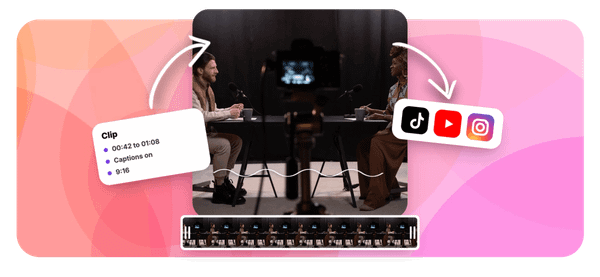
Creating consistent, engaging content can feel overwhelming when you're juggling multiple responsibilities. That's where a clip creator tool like Crayo becomes your secret weapon, streamlining the production process so you can focus on strategy instead of getting bogged down in editing. Whether you're testing different content formats or comparing how Stories stack up against Reels in terms of reach and engagement, having the right tools lets you produce more videos in less time and gather the data you need to make informed decisions about where to invest your energy.
Summary
- Instagram Reels deliver significantly more reach than Stories because they're designed to surface content to non-followers through the Explore feed and recommendation algorithm. Reels can reach up to 10 times as many people as Stories, according to platform distribution data, while Stories maintain an average engagement rate of 32%, driven by direct replies and interactive features like polls and questions.
- Most creators fail with both formats because they post without assigning each a clear strategic role. When you treat Reels like casual updates and Stories like mini-Reels, you work against what each format was built to accomplish. Reels require hooks that stop strangers from scrolling in the first second, while Stories require authenticity and interaction that invite conversation.
- Over a 15-day period, reels accumulate views as the algorithm continues surfacing them to new audiences, while stories generate most of their engagement within the first 12 hours before expiring. A creator with 300 followers can post a reel that reaches 10,000 people if the content hooks viewers immediately, but that same creator's Stories will likely reach only 50 to 100 people.
- More than half of all Instagram ads ran in Reels during 2025, signaling where the platform is pushing both attention and advertising opportunities. When creators misuse formats by posting valuable content exclusively to Stories or sharing Reels without optimizing for discoverability, they're choosing the distribution path with the smallest possible ceiling while the format built for growth sits underutilized.
- Production speed becomes the bottleneck when testing multiple content approaches across both formats. The ability to produce Reels faster through automated formatting, subtitles, and voiceovers eliminates repetitive editing tasks and creates bandwidth to focus on testing hooks, analyzing retention metrics, and refining what actually drives reach beyond your existing follower base.
Crayo's clip creator tool addresses this production bottleneck by automating subtitle generation, AI voiceovers, and vertical video formatting, allowing creators to test multiple Reel hooks in the time it used to take to edit a single video.
Why Creators Struggle to Choose Between Instagram Stories and Reels

Creators struggle to choose between Instagram Stories and Reels because they treat both formats as interchangeable content buckets instead of understanding their distinct purposes. Stories exist to deepen connection with people who already follow you. Reels exist to get discovered by people who don't. When you blur that line, you end up posting the wrong content to the wrong format, wondering why your effort isn't translating into views or growth.
The Format Confusion That Kills Momentum
The mistake starts with assuming both formats serve the same audience. Stories reach your existing followers, the people who've already opted in to hear from you. According to Instagram Reels vs. Stories: Which drives better engagement in 2025?, Reels receive 22% more engagement than Stories on average, largely because they're designed to surface in Explore feeds and recommendation algorithms where non-followers discover you.
When you post a Reel expecting intimate conversation or share a Story hoping for viral reach, you're working against how each format actually distributes content. The algorithm isn't broken. You're just using the wrong tool for the job.
Why Posting More Doesn't Fix the Problem
Volume without direction creates noise, not results. Creators often respond to inconsistent performance by posting more frequently across both formats, thinking consistency alone will unlock growth. But when you haven't defined what each format is supposed to accomplish, more content just adds to the confusion.
A common pattern emerges: Stories are treated like mini-Reels, complete with trending audio and hashtags, while Reels are posted without optimizing for discoverability because they feel like casual updates. Neither approach works because neither respects what the format was built to do.
The Time Cost Nobody Talks About
Effort invested without strategic clarity doesn't just slow growth; it also undermines it. It creates a cycle where you're filming, editing, and posting constantly, but seeing minimal return on that energy. Sensor Tower reported that more than half of all ads on Instagram ran in Reels in 2025, signaling where the platform is pushing both attention and opportunity.
When you misuse formats, you're not just missing views. You're spending time creating content that the algorithm deprioritizes, while the format designed for discovery sits underutilized or misapplied.
What Happens When You Don't Assign Clear Roles
Without assigning a distinct purpose to each format, creators switch between them randomly, posting wherever it feels convenient in the moment. Stories become a dumping ground for leftover Reel ideas. Reels get posted without hooks, captions, or optimization because they're treated like throwaway content. The result isn't just inconsistent performance. It's the inability to measure what's actually working because nothing has a clear goal attached. You can't improve what you haven't defined.
Operational Efficiency and Strategic Volume
When you streamline production with tools like Crayo, you free up time to focus on strategy instead of repetitive formatting tasks. Creators testing different content approaches need volume to gather data, but that volume has to be intentional. Automated features like optimized subtitles and AI voiceovers let you produce more Reels faster, giving you the bandwidth to test hooks, experiment with discovery tactics, and refine what actually drives reach without getting stuck in the editing weeds.
But knowing the difference between formats only matters if you understand what happens when you ignore it.
Related Reading
- TikTok Content Ideas for Business
- What Does Content Under Review Mean on TikTok
- YouTube Shorts Ideas Without Showing Face
- Viral YouTube Shorts Ideas
- Why Is My Content Under Review on TikTok
- Creative Instagram Reels Ideas
- YouTube Shorts Content Ideas
- YouTube Shorts Ideas For Beginners
- How Long Can A Reel Be On Instagram
- Instagram Reels Ideas For Business
- What Does Promotional Content Mean on TikTok
- Instagram Reels Ideas For Beginners
- How Much Do Content Creators Make on TikTok
The Hidden Cost of Using Stories and Reels Without a Clear Strategy
Using Instagram Stories and Reels without a clear strategy feels productive, but it creates invisible costs that compound over time. You're not just missing reach. You're training the algorithm to deprioritize your content, fragmenting your effort across formats that serve different purposes, and building habits that prevent you from learning what actually works.
When Reach Dies in the Wrong Format
Posting valuable content exclusively to Stories guarantees it reaches only people who already follow you. The format wasn't built for discovery. It exists in a closed loop, visible to your existing audience for 24 hours, then gone. When creators share their best hooks, most compelling ideas, or timely observations in Stories, they're choosing the format with the smallest possible ceiling.
Reels can drive up to 67% more reach than regular posts, precisely because the algorithm surfaces them to non-followers through Explore feeds and recommendation systems. Stories can't do that. They were never designed to.
Discovery Optimization and Engagement Gaps
The inverse problem happens just as often. Creators post Reels without optimizing for discoverability, treating them as casual updates.
- No hook in the first second.
- No caption is designed to stop scrolling.
- No consideration for whether the opening frame makes someone who doesn't know you want to keep watching.
The format built for growth gets used like a diary entry, and then creators wonder why views plateau at 200 when they have 5,000 followers.
Splitting Effort Without Defining Outcomes
Posting to both formats without assigning each a distinct role creates the illusion of momentum.
- You're active.
- You're consistent.
- You're showing up.
But activity without direction doesn't build anything measurable. One creator I know posted three Stories and two Reels daily for six weeks, tracking only total views.
Strategic Benchmarking and Feedback Loops
When engagement stayed flat, she couldn't identify which format underperformed or why, because she'd never defined what success looked like for each. Stories were supposed to drive DMs and deepen connection. Reels were supposed to attract new followers. She measured neither, so she optimized for nothing.
Without clear outcomes, every format becomes interchangeable. You post wherever feels convenient, using whatever content is ready. That approach doesn't just dilute results. It prevents you from building a feedback loop. You can't improve what you haven't defined, and you can't measure progress toward a goal you never set.
Missing the Strengths Each Format Was Built For
Reels exist to get you discovered. Stories exist to build trust with people who already opted in. When you ignore these strengths, you waste the unique advantage each format offers. Reels perform best when they hook strangers in the first second, deliver value fast, and end with a reason to follow. Stories perform best when they invite interaction, share behind-the-scenes context, or create intimacy through polls, questions, and unpolished moments. Treating both as generic content buckets means neither does what it's supposed to do.
Creators testing different content approaches need volume, but that volume has to serve a purpose. Tools like Crayo let you produce Reels faster with automated subtitles, AI voiceovers, and optimized formatting, freeing up time to focus on strategy instead of repetitive editing tasks. When production isn't the bottleneck, you can test hooks, experiment with discovery tactics, and refine what actually drives reach without getting stuck reformatting the same clip over and over.
No System Means No Pattern to Improve
Posting without a repeatable system turns every piece of content into a one-off experiment. You try something, see what happens, then move on without capturing what worked or why. That's not iteration. It's guessing. Real improvement requires structure.
You need to know:
- Which format did you use?
- What goal did you set?
- Whether the content moved you closer to that goal.
Without tracking those variables, you're just producing more content, not better content. But understanding format differences only matters if you know what happens when you actually test them against each other.
Instagram Story vs Reel: Which Gets More Views in 15 Days

Reels will consistently deliver more views than Stories over a 15-day period, but that's only half the answer. The real question is whether you're optimizing for reach or engagement, because each format serves a fundamentally different purpose. Reels are built to surface your content to people who don't follow you yet. Stories are built to deepen connection with people who already opted in.
How Reels Push Beyond Your Follower Count
Reels are distributed through Instagram's recommendation algorithm, which means your content appears in Explore feeds, the Reels tab, and suggested content streams. According to Elysian Digital Services, Reels can reach up to 10x more people than Stories. That multiplier exists because the platform actively pushes Reels to non-followers based on watch time, retention, and engagement signals. A well-optimized Reel doesn't stop at your follower count. It scales beyond it.
The distribution difference is structural, not accidental. When you post a Reel, Instagram tests it with a small audience segment first. If people watch it, share it, or engage with it, the algorithm expands its distribution. Stories don't get that treatment. They sit at the top of the app for 24 hours, visible only to your existing followers. Then they disappear. No Explore placement. No recommendation engine. No scaling mechanism.
Why Stories Still Matter Despite Lower Reach
Stories deliver something Reels can't: intimacy and immediacy with people who already trust you. OnRanko Digital Stats reports that Stories boast an average engagement rate of 32%, driven by direct replies, poll responses, and question stickers. That interaction happens because Stories feel unpolished, temporary, and conversational. They invite participation in a way that Reels, with their polished hooks and edited pacing, often don't.
The format creates a different relationship with your audience. Stories let you share behind-the-scenes moments, ask questions, run polls, and respond to DMs in real time. That back-and-forth builds trust faster than passive viewing. When someone replies to your Story, they're initiating a conversation. When someone watches your Reel, they're consuming content. Both matter. Neither replaces the other.
The 15-Day View Trajectory Looks Different for Each Format
Over 15 days, Reels accumulate views as the algorithm continues surfacing them to new audiences. A Reel posted on day one can still gain views on day 14 if it's performing well. Stories, by contrast, generate most of their views within the first 12 hours, then expire. If you post one Story per day for 15 days, you're creating 15 separate opportunities for engagement, but each one resets. There's no compounding effect.
The creator who posts three Reels over 15 days might see 50,000 total views if those Reels hit the Explore feed. The creator who posts 15 Stories to an audience of 2,000 followers might see 600 views per Story, for a total of 9,000 views. The Reel strategy wins on volume. The Story strategy wins on depth of connection with the people who actually showed up.
When Small Accounts See Reels Outperform Stories Faster
Accounts with fewer than 5,000 followers benefit disproportionately from Reels because the format doesn't require an existing audience to generate views. A creator with 300 followers can post a Reel that reaches 10,000 people if the content hooks viewers in the first second and holds their attention. Stories, for that same creator, will reach maybe 50 to 100 people. The gap is structural. Reels reward content quality and retention. Stories reward audience size and loyalty.
This creates a clear strategic choice. If your goal is growth, Reels are the only format that scales past your current follower count. If your goal is nurturing the audience you already have, Stories create the conversational space that Reels can't replicate.
Why Most Creators Misuse Both Formats
The mistake occurs when creators treat Reels as casual updates and Stories as polished content. Reels require hooks, pacing, and optimization for discoverability. Stories require authenticity, interaction, and immediacy. When you post a Reel without a strong opening or a Story that feels overproduced, you're working against what each format was designed to do.
Automated Production and Strategic Differentiation
Tools like Crayo let you produce Reels faster by automating subtitles, voiceovers, and formatting, which means you can test hooks and optimize for discovery without spending hours in editing software.
When production speed isn't the bottleneck, you can focus on the strategic question: what hook stops a stranger from scrolling? That's the question Reels demand. Stories demand a different one: what makes my existing audience want to reply?
The Compounding Effect of Combining Both Formats
Using Reels to attract new followers and Stories to convert them into engaged community members creates a feedback loop. A viewer discovers you through a Reel, then follows you, then sees your Stories. Over time, they move from passive viewer to active participant. That transition doesn't happen if you only post Reels, because you never create space for conversation. It also doesn't happen if you only post Stories, because you're not surfacing new people into your ecosystem.
The creator who posts two Reels and five Stories per week is building both reach and relationships. The Reels bring in new people. The Stories turn those people into participants. Over 15 days, that strategy compounds in a way that choosing one format over the other never will.
What Happens When You Optimize for the Wrong Metric
Chasing views without defining what those views should accomplish leads to content that performs well algorithmically but doesn't move your goals forward. A Reel with 100,000 views that attracts an audience uninterested in your niche creates vanity metrics, not growth. A Story with 50 views that generates 3 qualified leads or 5 meaningful conversations delivers more value than a viral Reel that attracts the wrong people.
The question isn't which format gets more views. The question is which format gets you closer to the outcome you actually need. If visibility is the outcome, Reels win. If it's trust and conversion, Stories win. If it's both, you need a system that uses each format for what it's built to do.
The 15-Day Workflow to Use Stories and Reels for Maximum Views

You need a system that assigns each format a specific job, then tests and refines based on what the data tells you. Over 15 days, Reels should bring in new viewers while Stories deepen connection with the audience you already have. This workflow gives you a repeatable structure that eliminates guessing and builds momentum through intentional testing.
Days 1-3: Define What Each Format Should Accomplish
Start by deciding what success looks like for each format before you post anything. Reels exist to attract people who don't follow you yet, so their goal is reach and discovery. Stories exist to engage people who have already opted in, so their goal is to elicit replies, poll responses, and conversation. Write these roles down. When you know what each format is supposed to do, you stop posting randomly and start building toward measurable outcomes.
Choose two to three Reel content formats you'll test during this period. Maybe it's educational hooks, behind-the-scenes insights, or quick tutorials. Pick formats that align with what your audience searches for or struggles with. Don't overthink this. You'll refine based on performance, but you need a starting point that's specific enough to measure.
Days 4-7: Post Reels for Reach, Stories for Connection
Post one Reel per day during this window. Each Reel should open with a hook that stops someone scrolling in the first second. The opening frame and first line of text determine whether a stranger keeps watching or swipes away. According to funnl.ai, Instagram's algorithm prioritizes content that hooks viewers immediately, so your first second carries more weight than the rest of the video combined. Keep Reels short, focused, and built around one clear idea.
While you're posting Reels, use Stories to share what's happening behind the content. Show your workspace. Talk about what you're testing. Ask your audience what topics they want you to cover next. Stories don't need polish. They need authenticity and interaction. When someone replies to a Story, respond. That back-and-forth builds trust faster than any Reel ever will.
Days 8-10: Analyze Performance and Strengthen Engagement
Stop posting for a moment and look at what's working. Open Instagram Insights and check which Reels generated the most views, highest watch time, and strongest engagement. Those three metrics tell you what's resonating with people who don't yet know you. If one Reel format consistently outperforms the others, you've found something worth repeating.
On the Stories side, track which posts generated the most replies, poll votes, or question responses. High engagement in Stories signals that your existing audience cares about the topic. Use this period to respond to every reply you received over the past week. Ask follow-up questions. Turn one-line responses into conversations. This isn't busywork. It's the foundation of community.
Days 11-13: Double Down on What's Proven to Work
Take your best-performing Reel format and create two more versions. Don't copy the exact video. Repeat the structure, hook style, or topic angle that drove results. If a tutorial-style Reel with a question hook performed well, make another tutorial with a different question hook. You're not chasing virality. You're building a repeatable pattern that the algorithm rewards.
Cross-Format Synergy and Production Automation
In Stories, reference your top Reels directly. Share a screenshot of a Reel that's performing well and ask your audience what they thought of it. Use Stories to guide people back to your Reels, creating a loop where discovery (Reels) feeds into engagement (Stories) and engagement amplifies discovery. This is how small accounts grow faster than larger ones that post without a strategy.
Production speed becomes the bottleneck when you're testing multiple Reel formats in a short window. Tools like Crayo eliminate repetitive formatting tasks by automating subtitles, voiceovers, and aspect ratio adjustments, letting you produce three Reels in the time it used to take to edit one. When you're not stuck reformatting clips, you can focus on testing hooks, refining openings, and identifying which content structures actually drive reach.
Days 14-15: Optimize Retention and Amplify Through Stories
Your final push focuses on retention. Go back to your Reels and watch the first three seconds. Does the hook make someone who doesn't know you want to keep watching? If not, rewrite it. Cut any unnecessary setup. Remove filler words. The goal is to make every second count, because the algorithm measures how long people watch relative to total video length.
Use Stories to highlight your best Reels one more time. Add a swipe-up link if you have it, or tell people to check your grid. Direct your engaged audience toward the content designed to attract new followers. This creates a compounding effect where your most loyal viewers help surface your Reels to a wider audience through shares and engagement.
What This Workflow Actually Fixes
Most creators post to both formats without defining what success means for either. They treat Reels like casual updates and Stories like mini-Reels, then wonder why neither format delivers consistent results. This workflow forces clarity. Reels bring in new people. Stories turn those people into participants. When you assign each format a specific role and measure whether it's fulfilling that role, you stop guessing and start improving.
The 15-day window isn't arbitrary. It's long enough to gather meaningful performance data across multiple posts, but short enough to maintain focus and momentum. You're not committing to a strategy forever. You're testing a hypothesis, measuring the outcome, and adjusting based on what you learn.
Why Volume Without Strategy Creates Noise, Not Growth
Posting more frequently doesn't fix poor performance if you're repeating the same mistakes at a higher volume. The creator who posts 30 Reels in 15 days without analyzing which hooks work or which topics resonate will see the same flat results, just multiplied. Volume matters, but only when it's paired with intentional testing and clear measurement.
This workflow gives you structure without rigidity. You know what to post, when to analyze, and how to refine. That clarity eliminates the paralysis that comes from staring at a blank screen, wondering what to create next. You're not chasing trends. You're building a system that works regardless of what's trending.
But having a workflow only matters if you can execute it without spending all your time editing instead of strategizing.
Related Reading
- Instagram Reel Hook Ideas
- How To Create A Reel On Instagram
- Instagram Reel Caption Ideas
- Tiktok Content Ideas For Beginners
- Best Time To Post A Reel On Instagram
- Best Content For Tiktok
- How To Analyze Tiktok Video Content
- How To Schedule A Reel On Instagram
- Instagram Story Vs Reel
- Best Content Strategy Tiktok
- How To Make Looping Content For Tiktok
- Ai Tools for TikTok Content Creation
Create Reels Faster and Use Stories Better With Crayo AI
The problem isn't choosing between Reels and Stories. It's the time it takes to produce Reels optimized for discovery while maintaining the consistent Story presence that keeps your existing audience engaged. When production becomes the bottleneck, strategy suffers. You spend hours editing instead of testing hooks, refining openings, or analyzing what actually drives reach.
Turn One Idea Into Both Formats in Minutes
Drop your topic into Crayo and let it generate a Reel script built around a strong hook that stops scrolling in the first second. The platform creates optimized subtitles, generates AI voiceovers, and formats everything for vertical video without manual editing.
That same core idea becomes the foundation for your Story content. Share the behind-the-scenes process, ask your audience what they think of the topic, or run a poll testing different angles. You're not creating twice. You're using one concept across two formats, each serving its distinct purpose.
What Changes When Production Speed Stops Limiting Testing
When you can produce three Reels in the time it used to take to edit one, you gain the bandwidth to test multiple hooks against each other. Try a question-based opening on one Reel, a bold statement on another, and a pattern interrupt on a third. Track which opening drives the highest watch time and strongest engagement. That data tells you what resonates with people who don't yet know you. Without fast production, you're stuck guessing instead of measuring.
The workflow becomes repeatable.
- Post a Reel optimized for discovery.
- Use Stories to engage the people who found you through that Reel.
- Respond to replies.
- Ask follow-up questions.
- Turn passive viewers into active participants.
When editing doesn't consume your day, you have time to build the relationships that convert followers into a community. That's the difference between content that scales and content that just accumulates views without momentum.
Related Reading
- Tiktok Content Ideas Without Showing Face
- Tiktok Content Creation Tips
- How to Become a Content Creator on TikTok
- Best Social Media Content Creation Tools
- Later Alternative
- Sprout Social Alternative
- Buffer Alternative
- Ai Tools For Social Media Content Creation
- Hootsuite Alternative
- ContentStudio Alternatives