


Instagram creators often face the challenge of turning views into reliable revenue while deciding what to sell on Instagram. Choices between handmade goods, digital downloads, apparel, dropshipping products, or beauty kits may seem overwhelming against a backdrop of the best AI Instagram accounts. Clear guidance on niche selection and audience targeting eases the transition from casual browsing to a profitable strategy.
Engaging visual content and smart pricing boost the potential for viral success as creators refine their approach. A well-structured strategy transforms social media impressions into tangible results. Crayo's clip creator tool simplifies content creation by offering easy templates, witty captions, and music choices that drive engagement.
Summary
- In-app buying is mainstream, with 70% of Instagram users reporting they have purchased through Instagram Shop, showing discovery to checkout inside the app is now standard behavior.
- Shortening the funnel matters; Instagram Shops' in-app checkout has increased sales by 30% for small businesses, indicating smoother payment paths materially lift revenue.
- Shoppable content produces measurable engagement; over 130 million Instagram users tap on shopping posts every month, so tagging Reels and Stories turns discovery into direct interactions.
- The platform’s scale makes niche audiences reachable. Instagram has over 1 billion monthly active users, and 80% of users follow at least one business, making followers an addressable pool for repeat offers.
- Creative operations create an apparent bottleneck as catalogs grow, with update cycles stretching from days to weeks when teams rely on manual tagging and editing, resulting in inconsistent PDPs and lost clicks.
- Product selection is a signal strategy. The article outlines 10 product idea categories and notes behavioral patterns, such as customers keeping devices for 5 to 7 years, so merchants must design tellable moments and tolerant checkout flows to prevent abandonment.
- This is where Crayo's clip creator tool fits in: it addresses production bottlenecks by converting brief prompts into batch-ready short videos with templates, captions, and music, compressing creative update cycles from days to hours.
Key Features of Instagram Shop
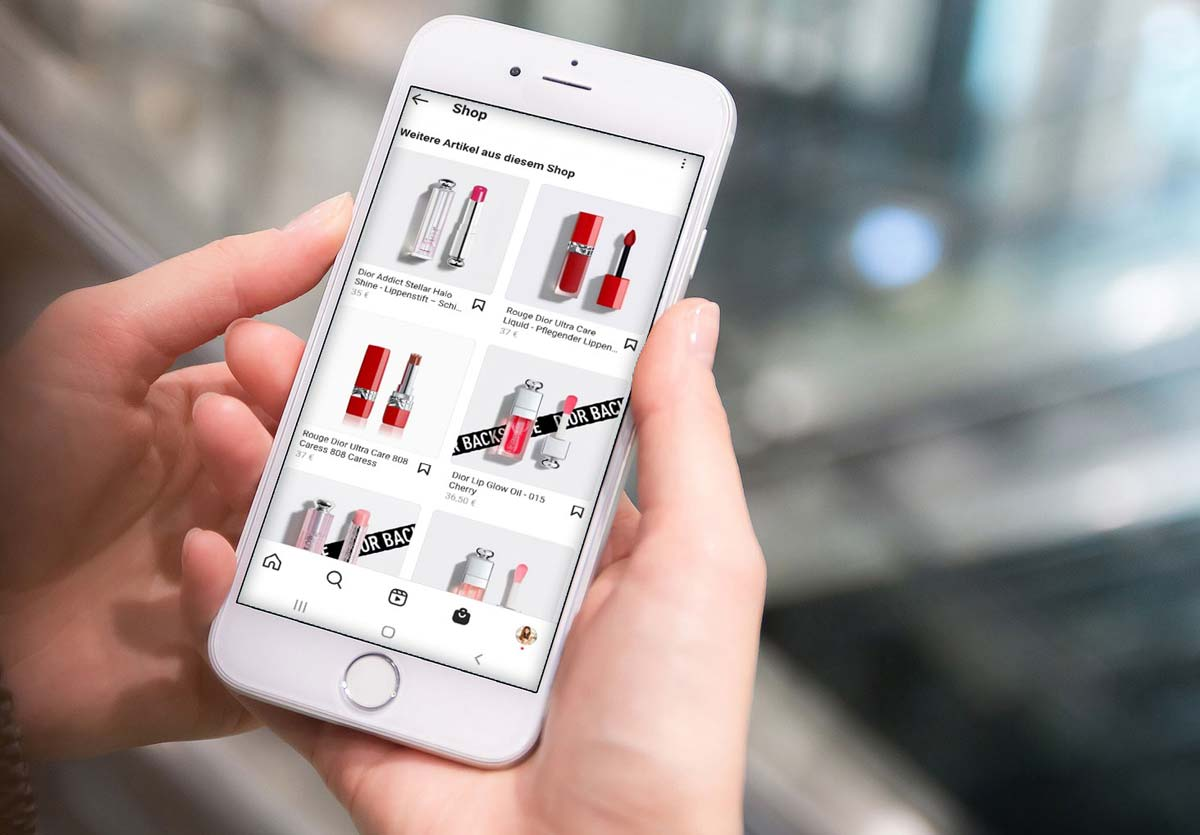
Instagram Shop packages the shopping experience into four functional building blocks. This makes it easier for businesses to sell where users already scroll, tap, and shop. Each feature helps smooth out a different step of the journey, from finding products to checking out. Together, these parts turn feed content into a real sales channel.
According to Capital One Shopping, 70% of Instagram users have purchased through Instagram Shop. This shows that buying within the app is now an everyday activity. One tool that can help create engaging content for these features is our clip creator tool, which streamlines the video production process. Below are the specific features and their real-world uses.
1. How do posts and short-lived content become stores?
Shoppable posts, along with Stories, Reels, and feed tags, let creators link product tags to images and videos. When users tap these tags, they can see the price, available options, and a direct link to the product page. This feature changes each piece of content into a clickable product window. Because of this, a lifestyle photo or a quick demo can lead to fast sales.For creators and small brands, this change eliminates the need for a 'link in bio' detour and adds an inline buying cue. This way, it reduces lost attention and greatly increases impulse purchases of items like clothes, accessories, special-edition drops, and handmade goods.
2. Why does each product need its own page?
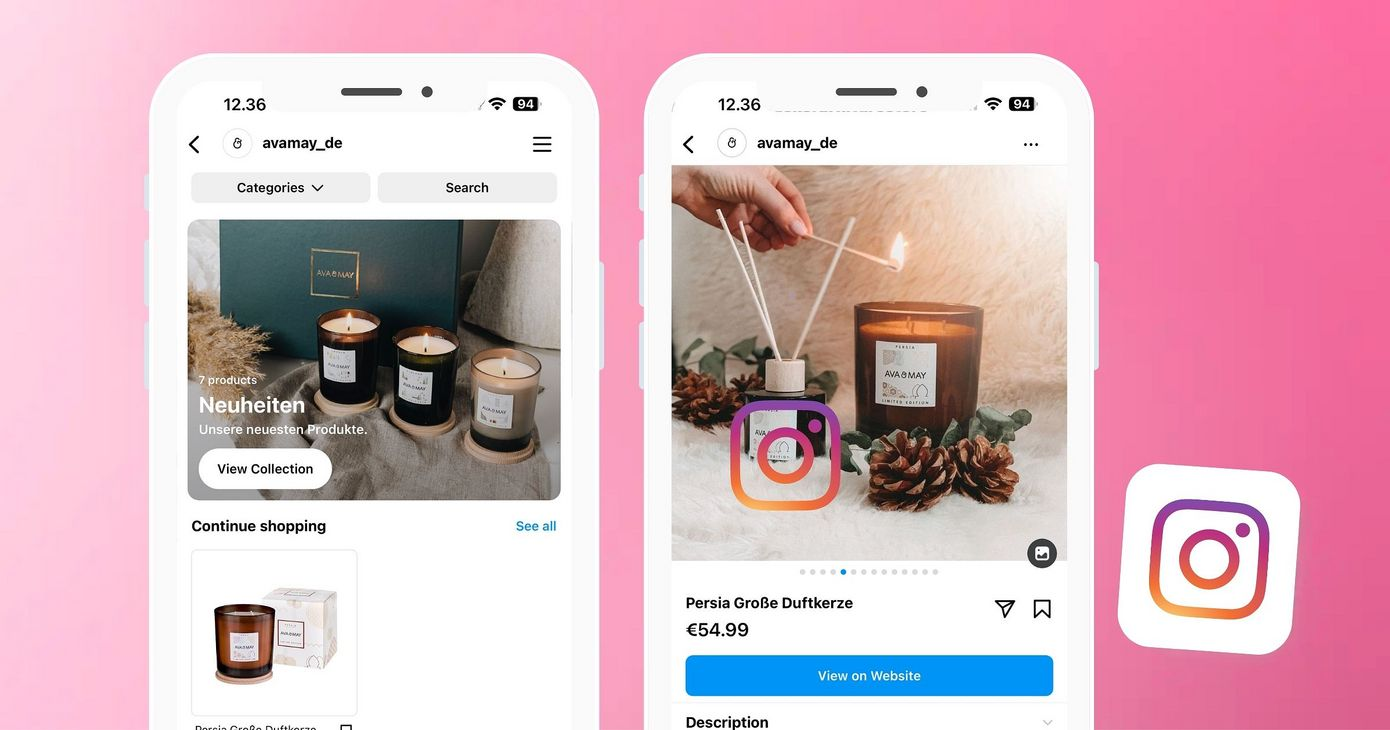
Product detail pages are made just for mobile shopping. When users tap a product, they are taken to a special page that displays the description, price, images, size or color options, and either a checkout button or a link back to your site. These pages serve as simple product listings optimized for mobile viewing. They have essential purchase signals and trust cues that help customers feel confident they are not being sent to a random URL.When thinking about what to sell on Instagram, product detail pages (PDPs) are crucial for turning scroll-based interest into purchase intent for items like DTC apparel, personalized gifts, or small-batch home goods.
3. What if your shop needs to reflect a brand, not just listings?
A customizable shopfront you control. You can design the look and order of your storefront, curate collections, and highlight seasonal or high-margin items. This flexibility helps you share a consistent brand story and group products by theme.It also makes it easier for niche buyers looking for handmade goods, digital downloads, or curated bundles to find what they're looking for. In practice, this reduces decision fatigue and helps repeat customers find related items faster. This can increase the average order value for curated sellers and boutique DTC brands.
4. How does checkout get simpler for buyers?
In-app checkout, where available. In supported regions, customers can complete payment without leaving Instagram. This speeds up the buying process and reduces the risk of cart abandonment. This feature avoids the hassle of going to an outside cart and keeps users in a familiar space. This is especially helpful for quick purchases and special drops. According to Capital One Shopping, Instagram Shop increased sales by 30% for small businesses in 2025. That result shows how having smoother ways to buy can really boost the income for sellers with small teams.
How to automate product tagging?
Most teams initially tag products by hand because it seems simple. However, as product catalogs grow and collections change, inconsistent tags and outdated product detail pages (PDPs) begin to degrade the customer experience. This can result in missed clicks and longer update times.Platforms like Crayo automate tag mapping, keep PDP content aligned across different channels, and reduce update times from days to hours. This helps sellers grow without making product updates a weekly struggle.
Why is emotional friction necessary in checkout?
This pattern appears among makers who run giveaways and buyers who don’t upgrade their phones often: collectors value authenticity, while customers usually keep older devices for five to seven years. Because of this, checkout processes need to be quick and tolerant of different types of hardware; if not, trust falls, and this can cause cart abandonment. This emotional friction can be easy to miss, but it is expensive when businesses rely on repeat customers and smaller audiences.
What to keep in mind about shop features?
Many people overlook that shop features serve as tools for shaping behavior rather than just plumbing. It is essential to monitor conversion metrics and evaluate how your shopfront and product detail pages (PDPs) demonstrate value.Neat layouts and correct tags are very important; they change casual interest into returning buyers.
What happens when shoppers compare brands?
This straightforward setup works until you see what happens when shoppers start comparing experiences across multiple brands in a single session.
Benefits of Instagram Shop
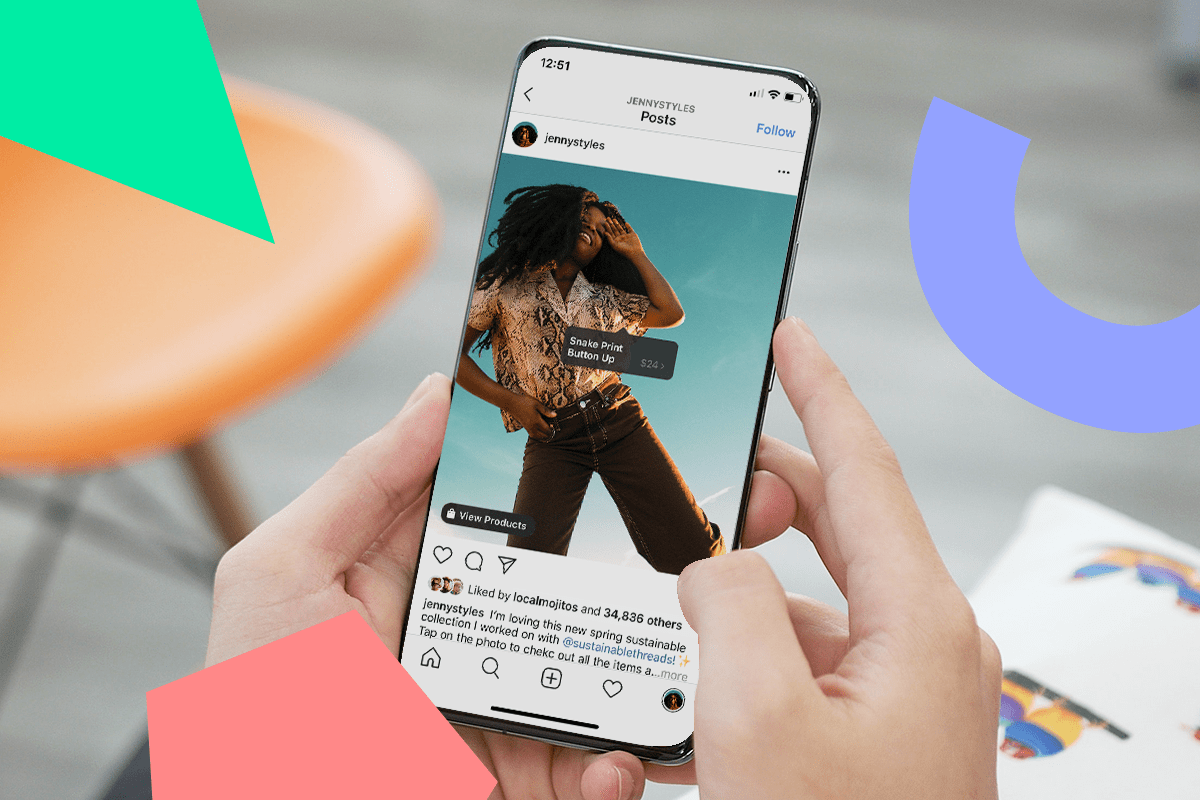
Instagram Shop changes how we sell on social media by combining discovery, storytelling, and shopping into one smooth experience. This way, your content acts like a live catalog instead of just an advertisement. Because of this, it makes shopping easier, helps you test offers more quickly, and moves marketing from just trying to get clicks to understanding consumer intent in the feed. Additionally, tools like our clip creator tool can further enhance your content strategy.
1. Why is a smooth purchase flow significant?
A smooth buying process that understands short attention spans is crucial to success. Customers scroll quickly, and asking them to leave the app can break their flow.This is clear with independent makers and local cafes: when a user is redirected, fewer people finish their purchases, and quick buys decrease. Treating content as a clear path to buy results in fewer abandoned sessions and better returns on investment for each post.
- Create content that highlights one product benefit and includes a clear call to buy, ensuring attention turns into action on the same swipe.
- Track micro-conversions, not just clicks, to see how often a tagged post converts viewers into buyers in a single session.
- Use short videos and transparent text overlays to make it easier to understand, as simpler options usually connect better when attention is short.
2. How can promotional content become discoverable?
Promotional content can become discoverable commerce when creators effectively engage their audience. The familiar tactic of “click the link in bio” works when discovery is rare, but it stops being effective as content volume increases and followers expect immediacy. Creators who add shoppable cues directly into Reels and Stories usually see steadier engagement. Their promotional efforts feel more like a service, rather than just asking for sales.
Evidence shows that this approach pays off. According to Capital One Shopping, over 130 million Instagram users tap on shopping posts every month. People actively engage with in-app shopping instead of just passively scrolling.
- Design promotions to look natural: Use product-first shots, candid demos, and captions that answer common questions to encourage conversions.
- Treat each post like an experiment: Change the creative, the caption, or the tag mapping, then measure which version gets more taps and follow-through.
- Keep product metadata consistent across your catalog; mismatched titles or poor images can hurt conversions, showing it's not just about demand.
What are the hidden costs of DIY content operations?
Most teams manage product promotions with ad-hoc tools and manual edits because they are used to them and find them flexible. However, as the catalog grows, manual tagging and batch video edits can turn into a daily grind. The time it takes to make updates can stretch from days to weeks, and errors can sneak into product descriptions.Solutions like the clip creator tool bring together creative production in one place. They automatically add consistent captions and overlays while keeping product tags synced across batches. This dramatically reduces update times from days to just hours, while still ensuring reliable creative quality.
3. How does better-targeted exposure work?
Better-targeted exposure scales with signals. Today, reach is defined by quality, not just quantity. Gaining visibility in Shopping Explore or relevant discovery feeds depends on matching signals effectively through consistent tagging, accurate category choices, and content that encourages quick engagement.A common mistake is relying on random hashtags, hoping the algorithm notices them. This method may bring short-term success, but it soon fails as the background noise grows.
- Optimize product titles and short descriptions for natural language. The platform’s matching system likes explicit, relevant metadata when deciding which shoppers to show.
- Prioritize early engagement windows. Posts that get strong reactions in the first hour are more likely to be shown widely. So, planning the posting schedule to capitalize on these opportunities is essential.
- Use promotional R&D: Test two creative pieces against the same product tag, measuring not just clicks but also retention and repeat purchases.
4. What evidence shows that exposure converts to revenue?
Proof that exposure converts to revenue: According to Capital One Shopping, Instagram Shop has increased sales by 30% for small businesses in 2025. This shows that better in-app exposure can really boost small business revenue when systems and creative efforts work together.
Crayo AI is the fastest way to create short videos. It automatically generates captions, effects, backgrounds, and music, letting you create unlimited clips in just minutes.Try Crayo’s free clip creator tool today: just click the ‘Try Now’ button on our homepage to get started, no account needed.
What factors affect who sees your posts?
This may seem decisive until one considers how product choice and listing details quietly affect who sees your posts.
Related Reading
- Can You Sell On Instagram
- How Much Money Can You Make On Instagram
- Is It Legal To Sell On Instagram
- How To Promote A Book On Instagram
- How To Do Collaboration On Instagram
- How To Sell Directly On Instagram
- How To Get Clients On Instagram
- How To Get Approved For Instagram Shopping
- How To Sell Things On Instagram Without A Website
- How To Sell Earrings On Instagram
What To Sell On Instagram (10 Product Ideas)
Sell items that look good in photos, solve minor everyday problems, or create a feeling that people want to show off. Fashion, beauty products, home items, special gadgets, and digital goods are the most reliable categories because they align with how Instagram users browse and shop. Aim for products that can easily be demonstrated, shown in a before-and-after comparison, or captured in a quick, inspirational moment in a Reel or photo.
1. What kinds of clothing and accessories actually convert on Instagram?
Fashion, Apparel & Accessories. When testing capsule collections, everyday staples that look easy on camera sold more consistently than runway pieces. It's helpful to focus on versatile outfits, athleisure, and accessories that people usually tag in selfies. Key items include sunglasses, crossbody bags, simple rings, and layered necklaces.Whether you choose clean minimalist pieces or bold statement items, make sure they photograph clearly. It's essential to understand why this approach works emotionally: followers come to Instagram for style tips and social value, making your product a symbol of identity.
Practical ways to boost sales include showing fit on different body types, sharing exact measurements, and creating try-on videos. Also, being transparent about the returns and exchanges process helps make impulse purchases feel safe.Attention to inclusive sizing is essential; local brands that expanded sizes found that returns dropped and repeat buyers grew as customers became more trusting of the fit.
2. Which beauty products turn scrolling into a purchase?
Beauty & Personal Care Products. Small, clear wins sell best: targeted serums, lip oils, compact tools, and curated kits for men. The winning format is short demos and repeatable results, not long feature lists. We found that honest ingredient calls and visible before/after moments reduce skepticism and increase conversions.Here are some tips for execution: Use Reels to show a one-minute routine, pin customer transformations, and label active ingredients clearly so shoppers trust what you claim. For higher-priced serums, offer a small trial size and a clear refill path to make it easier for customers. Additionally, consider how a clip creator tool can enhance your product presentations, making your demos even more engaging.
3. How should you present decor so people want to re-share it?
Home Decor & Aesthetic Lifestyle Items. Treat each item as a mood-maker: candles, textured cushions, unique frames, compact lamps, and decorative organizers can change how a room feels. Photograph these products in real homes, mixed with everyday objects, because staged authenticity works better than showing products alone. Bundle similar items into styled sets and show a quick before-and-after of a shelf or corner to encourage saves and shares.To enhance your visual content, consider how our clip creator tool can help you produce engaging videos that showcase your decor effectively.
4. Which fitness items create social proof and drive repeat purchases?
Fitness and wellness products create social proof and encourage repeat purchases. Portable, straightforward gear such as mats, resistance bands, wearable supports, and small recovery tools can sell well. Items that really help people feel or perform better are inherently shareable, as progress posts become essential on social media.Including short tutorials that show desired outcomes, like better posture, improved mobility, and increased stamina, can make people more interested. Offering quick workout variations for users to copy on camera increases the likelihood they will share their results.
5. Why do one-off and customized pieces punch above their weight?
Custom-made goods have a special appeal; personalization transforms a product into a memorable experience. Items like custom jewelry, embroidered pieces, bespoke phone covers, and handcrafted gifts are valued for their uniqueness and giftability.For example, when a maker offered personalization options and provided clear lead times, the average order value increased, even with slightly higher prices. It’s important to share the maker’s process, offer simple customization options at checkout, and clearly communicate production windows to ensure expectations stay aligned.
6. What makes sustainable goods trustworthy on Instagram?
Eco-Friendly & Sustainable Products: Shoppers are skeptical about vague green language. It's essential to sell items made from explicit materials and with real impact, like recycled-fabric bags, bamboo home goods, zero-waste starter kits, and compostable packaging.Brands that provided details about sourcing and cost trade-offs kept customers better than those that only used buzzwords. Practical steps include:
- Showing the supply chain briefly
- Disclosing certifications or artisan wages
- Matching packaging to the sustainable claim and ensuring the first physical interaction supports the promise.
7. Which novelty items are likely to go viral?
Niche trend products, especially in tech, pets, and specialty items, are ready to go viral. Products that are clickable, cute, or clever sell fast. Some examples include phone accessory upgrades, stylish water bottles, smart pet collars, and small gadgets with a clear visual hook.These items do well when people discover them; just one fun Reel or a pet wearing the product can grab a lot of attention. To get the most impact, keep the writing short, show the newness in the first two seconds of the video, and make sure that unboxing or use of the product is easy to repeat for creators who want to duet or stitch.
8. How do you position intangible goods so people trust an instant purchase?
Digital Products (High Margin, No Shipping): Digital goods that deliver an immediate result convert effectively because they are delivered instantly and yield high profits. Examples include presets, templates, micro-courses, and downloadable planners. These products act like keys that unlock a specific, quick win. For example, a preset can fix a bad photo in seconds, while a template can save a whole afternoon of formatting.To build trust, offer a free micro-sample and show a short case study of someone who successfully improved their output with the product. Also, make things easier by establishing clear refund or exchange rules, even for digital purchases.
9. What hobby supplies create community and repeat business?
Hobby and creative items that invite a process often do well. Examples include art kits, journaling bundles, baking tools, and starter packs for new hobbies. These categories make use of ritual and visible progress, which makes them attractive to consumers.To increase engagement, create short process videos, offer beginner bundles with clear steps, and provide a hashtag for customers to share their progress. This way, you can build user-generated content that helps with discovery.
10. How do you sell items rooted in place or heritage without tokenism?
Local or Cultural Niche Products Authenticity is essential. Traditional jewelry, regionally printed clothing, and cultural artwork do well when they come with a true story about where they came from and how they were made. Research shows that when brands explain who made the item, how they chose the materials, and what specific patterns mean, buyers often feel pride instead of just curiosity.It’s essential to highlight craftsmanship, provide clear care instructions, and be transparent about permissions and cultural context. This way, the product honors its origins while also building trust.
What Can Good Product Selection Reveal About Sellers?
One clear image to remember is that good product selection is about more than just demand. It’s about the tellable moments captured on camera and the small scenes buyers can consider for themselves as they look through.
What sellers choose next will show not just whom they attract, but also how loyal those buyers will be.
15+ Tips to Sell on Instagram
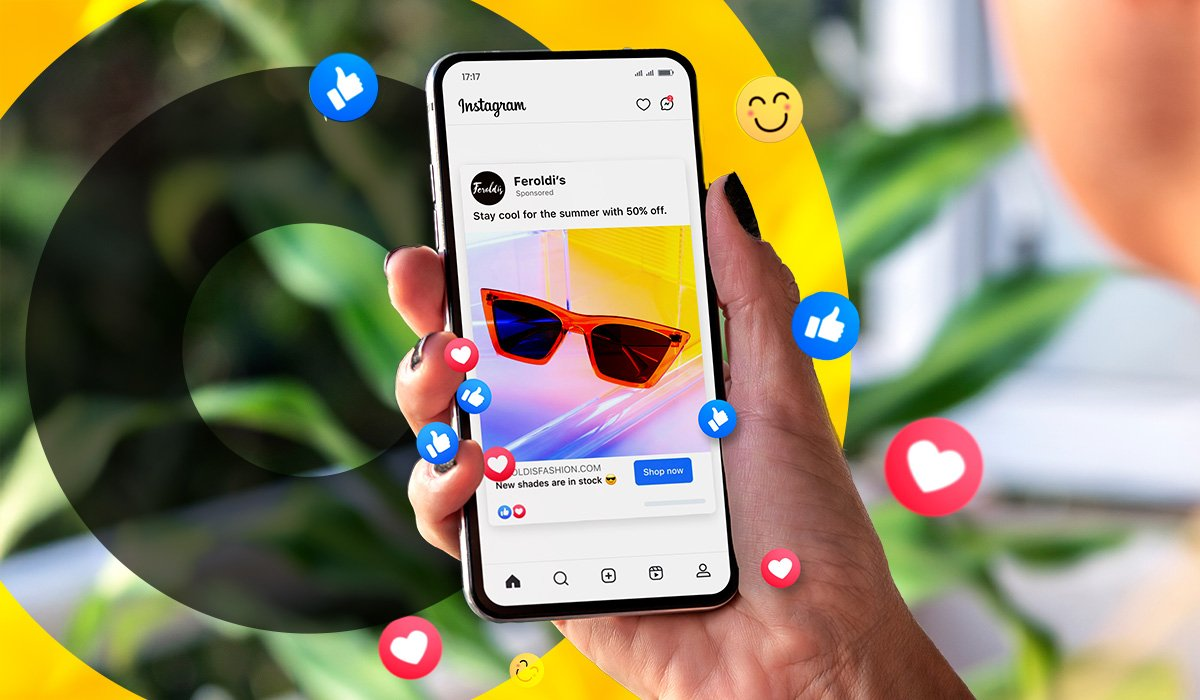
Selling on Instagram requires a clean commerce setup, eye-catching short creatives, and a friendly service that helps turn interest into purchases. Below are 16 practical tactics that you can start using right away to change scrolling into buying.
1. How can Crayo AI help with shorts?
Crayo AI makes short videos quickly. It changes small ideas into complete clips in seconds: users just write a brief prompt, pick a look and voice from free templates, and then export ready-to-post shorts with captions, effects, and music added. Try Crayo’s free clip creator tool today: just click the ‘Try Now’ button on our homepage to get started, no account needed; this offers a direct way from idea to money-making short videos.
2. What should I include in my business profile?
Maintain a professional business profile. Treat your profile like a storefront, not just a social page. Use a clear business name and a short bio that describes what you sell, along with your business hours and contact options. By using tools meant for commerce, customers can easily find buying signals without any guesswork.
3. Why is catalog organization important?
Keeping your product catalog organized and synced is very important. Structure product metadata with consistent titles, short descriptions, and standardized variant names.This helps ensure listings fit nicely into tags and ads. Connect using Commerce Manager or Shopify and automate syncs to prevent problems like mismatched SKUs or outdated inventory, which can hurt sales.
4. How do I comply with Instagram's commerce rules?
To comply with Instagram's commerce rules proactively, verify your domain. Also, add accurate contact and return information using a template like this one, and make sure to document product policies before starting promotions.If your policies are unclear, you might quickly face rejection and disabled features. Treat compliance as quality control; it helps stop sudden shop interruptions that can hurt your momentum.
5. Why should I attach product tags?
Attach product tags to every compatible creative. Place product tags and preview images in Reels and posts so viewers can move from discovery to the product page in a single tap. It's important to test where the tag preview appears visually. Adjust thumbnails and captions to ensure the purchase cue reads naturally, not like an afterthought.
6. How can I use Stories for sales?
Use Stories with link stickers for fast checkout options. Stories are the best way to create a sense of urgency and to demonstrate quickly. By using link stickers, users can go directly to checkout, making the buying process easier.If you're looking to create engaging clips, consider our clip creator tool to enhance your Stories. It's helpful to change the sticker text often, check how many people swipe up, and keep the most successful story as a profile highlight for future viewing.
7. What should I include in Highlights?
Save and curate Highlights for persistent buying cues. Create highlights for categories like Best Sellers, How to Buy, Size Guide, and Reviews. This way, important information will stay easy to find beyond a 24-hour story. Keep each cover simple so new visitors can scan the offers in 5 seconds.
8. How can I demonstrate products effectively?
Show products in action with short demos. Film quick, outcome-focused clips that show the actual use, result, or change in under 20 seconds. For each product, try to answer the one question a buyer has in the first five seconds: what does this do for me? Using our clip creator tool can enhance this process by making it easier to create engaging clips.
9. What type of imagery should I use?
Favor lifestyle imagery instead of standalone shots.Show products in real-life settings with different models and genuine contexts, helping buyers consider ownership.Use inclusive sizing and diverse faces in main images; audiences can tell when representation is lacking, which can hurt trust.
10. How do I write compelling captions?
Write clear and concise buying captions with direct instructions. Use persuasive microcopy that tells people exactly what to do next, like Tap to shop, Select your size, or Use code X at checkout. Keep the call-to-action at the beginning or end, and include one strong reason to act now, such as limited stock or a bundle value.
11. How can I encourage user-generated content?
Encourage and refeed user-generated content. Ask buyers for permission to repost their photos and tag them when shared. Create a repeatable UGC request workflow to gather social proof without chasing people down. UGC converts faster because it looks like real use, and customers who earn featured spots often become evangelists.
12. What should I look for in influencer partnerships?
Partner with influencers who reflect your buyers. Choose partners whose audiences fit your customer profiles. Negotiate for real formats like try-ons, honest reviews, and carousel tutorials, rather than staged ads. Track early engagement metrics to identify which partners drive profile visits and product taps.
13. How important is customer communication?
Responding to DMs and comments with quick, helpful replies is very important. Setting goals for responses and using saved replies for common questions can help keep conversations going smoothly.Most buyers send messages before they make a purchase, and a fast, clear answer often helps close the sale. On the other hand, slow replies can cause doubt and lead to lost momentum.
14. How can I create urgency in sales?
Use limited-time promotions and countdowns to speed decision-making. Show scarcity with clear signs of timing and amount, like 'X hours left' or 'Y items left.'Using countdown stickers in Stories, along with a pinned post, makes sure the offer shows up in both temporary and permanent areas.
15. What posts should I highlight?
Pin your top three sales-focused posts. Highlight the three posts that tell your best buying story, whether that is a hero product, an ongoing offer, or a firm brand promise. This ensures visitors see right away what you want them to buy.
16. How can I measure success on Instagram?
To measure success well, focus on important metrics. Track product taps, saves, profile visits, and checkout rates as your north-star metrics. Next, put more effort into creative formats and distribution times that show measurable increases. Running short A/B tests helps with quick evaluations, allowing teams to move media spending around within the same week when a variation does well.
What slows growth in creative operations?
Status quo disruption is a significant reason for the slow growth. Most teams create shorts and edits manually because this way feels more controllable. This method can work at first, but problems come up as SKUs and promotional cycles grow. Editors might manage many versions, and updates can take days.Platforms like Crayo centralize batch clip creation, auto-generate captions and overlays, and keep styles consistent. This efficiency reduces production time from hours to minutes while maintaining brand alignment and tag mapping.
What are practical steps for selling?
Practical steps should align with real human behavior. When sellers offer larger sizes or a wider variety of models, return rates usually decrease. This happens because shoppers increasingly trust the product representation and fit guidance. So, it's smart to invest in inclusive options early.For creators selling their original work, it's crucial to set up pricing and product pages properly. This helps international buyers find and buy their products easily. Also, providing clear information about royalty or usage terms ensures that artists feel they are being paid fairly.
How does reach affect buyer behavior?
A note on reach and buyer behavior: According to the Social Champ Blog, "Instagram has over 1 billion monthly active users." This large number helps niche products find loyal customers by matching creative strategies with specific buyer types. Also, as the Social Champ Blog reports, 80% of Instagram users follow at least one business. Businesses can see their followers as a group they can target with ongoing, relevant offers, rather than just a one-time audience.
What final operational tips should I consider?
Here are some final operational tips that may be unexpected. Use alt text for product images to make them easier to understand and improve search results. Also, add short pricing rationale lines in captions so buyers can quickly see the value. It is a good idea to make a simple post-launch checklist for each product.
This will help ensure that:
- The asset set is uploaded,
- Tags are mapped,
- The story is queued,
- UGC request is seeded, and
- Reply templates are ready.
This checklist helps prevent the slow loss that often happens from unplanned launches.
What challenges do sellers face?
That simple momentum feels stable. However, the production and distribution chain often presents challenges that trip up most sellers, making it essential to utilize a clip creator tool for effective content management.
Related Reading
- How To Sell Merch On Instagram
- How To Sell Jewelry On Instagram
- How To Sell Products On Instagram
- What Are Instagram Badges
- Does Instagram Pay Creators
- What Is Exclusive Content On Instagram
- Affiliate Programs For Instagram
- Affiliate Marketing On Instagram For Beginners
- How Does Instagram Live Work
- How To Make Money As A Photographer On Instagram
- Instagram Dropshipping
Create Viral Shorts In Seconds With Crayo
Attention spans are brief, and production backlogs can hinder growth. Therefore, a solution is needed to batch-produce short clips without adding hours to the workweek. Crayo turns a simple prompt into unlimited, monetizable shorts with auto-generated captions, effects, background videos, and music.You can try the free clip creator without an account by clicking the Try Now button on the homepage. Start making viral videos for Instagram and TikTok while earning creator-fund revenue.
Related Reading
- How To Make Money As A Content Creator On Instagram
- How To Do Affiliate Marketing On Instagram
- How To Sell Art On Instagram
- How To Earn Money From Instagram By Posting
- How To Drive Traffic From Instagram
- How To Sell Digital Products On Instagram
- How To Sell Clothes On Instagram
- How To Set Up Instagram Shop
- Best Instagram Accounts To Follow