


Instagram is evolving from a static photo catalog to an active marketplace where visual storytelling drives direct sales. Creators shift from relying solely on likes to using innovative techniques to convert views into purchases. Many now ask how to sell directly on Instagram, drawing inspiration from successful approaches used by top Best AI Instagram Accounts. Strategic content integration that pairs engaging visuals with smooth shopping features drives higher conversion rates.
Integrated features such as Instagram shops, product tags, and shoppable posts are redefining commerce on the platform. Enhancing captions, hashtags, reels, and stories not only boosts engagement but also encourages followers to take decisive action. AI innovations are at the forefront of this transformation, helping creators refine their approach and connect more effectively with audiences. Crayo's clip creator tool streamlines video production with AI enhancements, offering an efficient way to craft captivating content.
Summary
- Instagram reaches over 1 billion monthly users, 80% of whom follow at least one business, and average sessions exceed 30 minutes per day, creating frequent discovery windows for product content.
- Clickable product tags and shoppable overlays drive high-intent actions, with about 130 million Instagram users tapping shopping posts every month.
- Creator commerce and UGC outperform many broad broadcast tactics, with creator tests across three DTC brands over eight weeks showing creators with 10k to 75k followers delivered the best cost-per-engagement and authentic conversions.
- Creative velocity is a bottleneck for scaling shops, so teams should dedicate resources to testing, for example, allocating at least 10% of ad spend to creative experiments and testing two CTA styles per Reel to find what converts.
- Structured shop work delivers measurable results: reports of a 20% increase in sales after optimizing Instagram Shops and a 50% rise in engagement since Shops were introduced.
- This is where Crayo's clip creator tool fits in: it turns product shots and short clips into publish-ready reels with AI edits, caption suggestions, and music, so teams can produce and test creative at scale.
Benefits of Selling on Instagram

An Instagram Shop turns a profile into a store, allowing people to discover, research, and buy within the same app. It provides visual marketing, targeted exposure, and easy checkout options, making it easier for browsing to lead to purchase.
1. Key points for using the platform include reaching the right audience.
Instagram has a vast audience, allowing products to be seen where customers already spend their time. This is especially true for small fashion and beauty sellers. The platform’s large user base, along with users spending over 30 minutes per day browsing, increases the likelihood that potential buyers will see photos and videos. This regular exposure is better than just relying on search or email for people to find products.
2. The next benefit is turning attention into a second source of income.
An Instagram Shop can serve as a separate sales channel, different from a website or marketplace listings. With product catalogs, tagged posts, and in-app checkout for eligible sellers, sellers can earn revenue directly from content. This approach captures short-term buying interest and diversifies revenue streams, reducing the impact of any downturn in social media on total sales. Our clip creator tool can help you develop content that resonates with your audience and enhances your shop's appeal.
3. Additionally, it helps engage shoppers as they research and decide.
The feed is not just a billboard, but also a research tool. Many users browse Instagram specifically to check out products, so product pages on profiles function like mobile-friendly product detail pages. This setup allows shoppers to compare, save, and come back without leaving the platform, changing how product images and captions are designed from promotional to informative.
4. Convert higher with native shopping interactions.
Clickable tags, shoppable stickers, and product detail overlays make it easier for users to buy items. When users tap shopping posts, they are already thinking about buying, and that small commitment makes it easier to complete the purchase compared to sending them to an off-platform store link. This leads to more effective sales funnels and more precise tracking of social media sales. For proof, consider that 130 million instagram users tap on shopping posts every month.
5. Use visual storytelling to show fit and value on instagram.
Instagram rewards strong images and short videos, so you can visually showcase product fit, materials, or ways to use the product instead of relying on extensive text. Think of an Instagram Shop as a pop-up that never closes: you can set up merchandise, change seasonal displays, and quickly test different visuals to see what gets more saves and taps.
6. What are the advantages of influencer collaboration?
Use social proof and creator commerce. Product tags work in grid posts, Reels, and collaborations with creators, enabling shoppable influencer placements.This direct connection from endorsement to product page makes it easier to see how trust drives purchases. It also simplifies measuring which creators actually drive sales, compared to those that only generate vanity metrics.
7. How can analytics assist in targeting customers?
Get practical data and retargeting signals. Built-in insights show which posts got product views and which items were saved or clicked. These signals help with remarketing and ad audiences, enabling businesses to reach warm prospects with tailored messages rather than targeting cold traffic. Use these metrics to improve imagery, pricing, and shipping messages quickly.
8. Lower the friction for mobile-first buyers.
Most Instagram sessions happen on phones, and shops are set up for easy thumb navigation, quick swipes, and one-tap product saves.Designing for this immediacy, short videos, clear CTAs, and mobile-friendly descriptions, reduces the chance of users leaving when they have to switch to slower desktop checkouts.
9. How to manage inventory and scale effectively?
Simplify scale and inventory syncing. If catalogs are managed across multiple channels, manual syncing often results in errors and outdated listings. Most teams maintain a single product feed and reuse it because this approach is easy and cost-effective.However, as SKUs increase, this method can lead to issues: price errors, sold-out items appearing as in stock, and missed promotional tagging occur regularly.
Platforms like Crayo bring catalogs together, automate tagging, and send updates. This automation helps teams avoid inventory errors and reduces manual work, allowing staff to focus on creative merchandising rather than constantly correcting listings.
10. Test and iterate product-market fit faster.
Posting requires little effort, and feedback comes quickly. This allows teams to review new SKUs or bundles by analyzing taps, saves, and checkout starts before committing to large production runs. The feedback loop reduces risk and provides clearer signals about what images, copy, and prices really attract customers.
11. How does Instagram improve international sales?
Reduce barriers for international customers. Currency, language, and shipping messaging can be shown at the product level within the app. This method makes it easier for people to buy from other countries. Showing different prices, estimated delivery times, and local descriptions in a way that feels natural rather than forced helps build trust among buyers outside the primary market.
Enhance lifetime value through engagement features. Collections, saved product lists, and shoppable Reels encourage users to come back to the profile. When combined with timely DMs, product restock alerts, or targeted offers, the Shop becomes a tool for retaining customers and attracting new ones.
12. What marketing strategies can be used on Instagram?
Capture intent signals that inform broader marketing. The actions users take in your Shop, such as saves and taps, are early indicators that they might want to buy something. You can use these insights in email flows, paid audiences, and CRM segmentation. By using these signals, you can focus on high-intent prospects with messages tailored to them, rather than treating everyone the same.
Make discovery measurable and repeatable. You don't have to rely on luck to get noticed. By organizing posts, tags, and creative content around repeatable tests and quantifiable KPIs, you can change Instagram from a marketing guessing game into a repeatable sales path. This careful approach turns social media from noisy branding to predictable revenue.
13. Challenges of Managing an Instagram Shop?
When teams set up shops with ad campaigns, they often handle catalog updates, creative approvals, and tagging manually because it seems easy at first. While this usual way works in the beginning, as SKUs and stakeholders grow, manual processes become disorganized, and mistakes increase. This disruption delays launches and wastes valuable creative time.Solutions like Crayo automate catalog syncs, enforce tagging rules, and provide review workflows. By reducing manual effort, teams can speed up product launches from days to minutes while maintaining consistency.
Early success is just the start. What really decides growth is how to turn clicks into loyal customers.
The following section outlines surprising tactics that change how selling on Instagram feels.
Related Reading
- Best AI Instagram Accounts
- Can You Sell On Instagram
- How Much Money Can You Make On Instagram
- What To Sell On Instagram
- Is It Legal To Sell On Instagram
- How To Promote A Book On Instagram
- How To Do Collaboration On Instagram
- How To Get Clients On Instagram
- How To Get Approved For Instagram Shopping
- How To Sell Things On Instagram Without A Website
- How To Sell Earrings On Instagram
How To Sell Directly On Instagram in 14 Ways
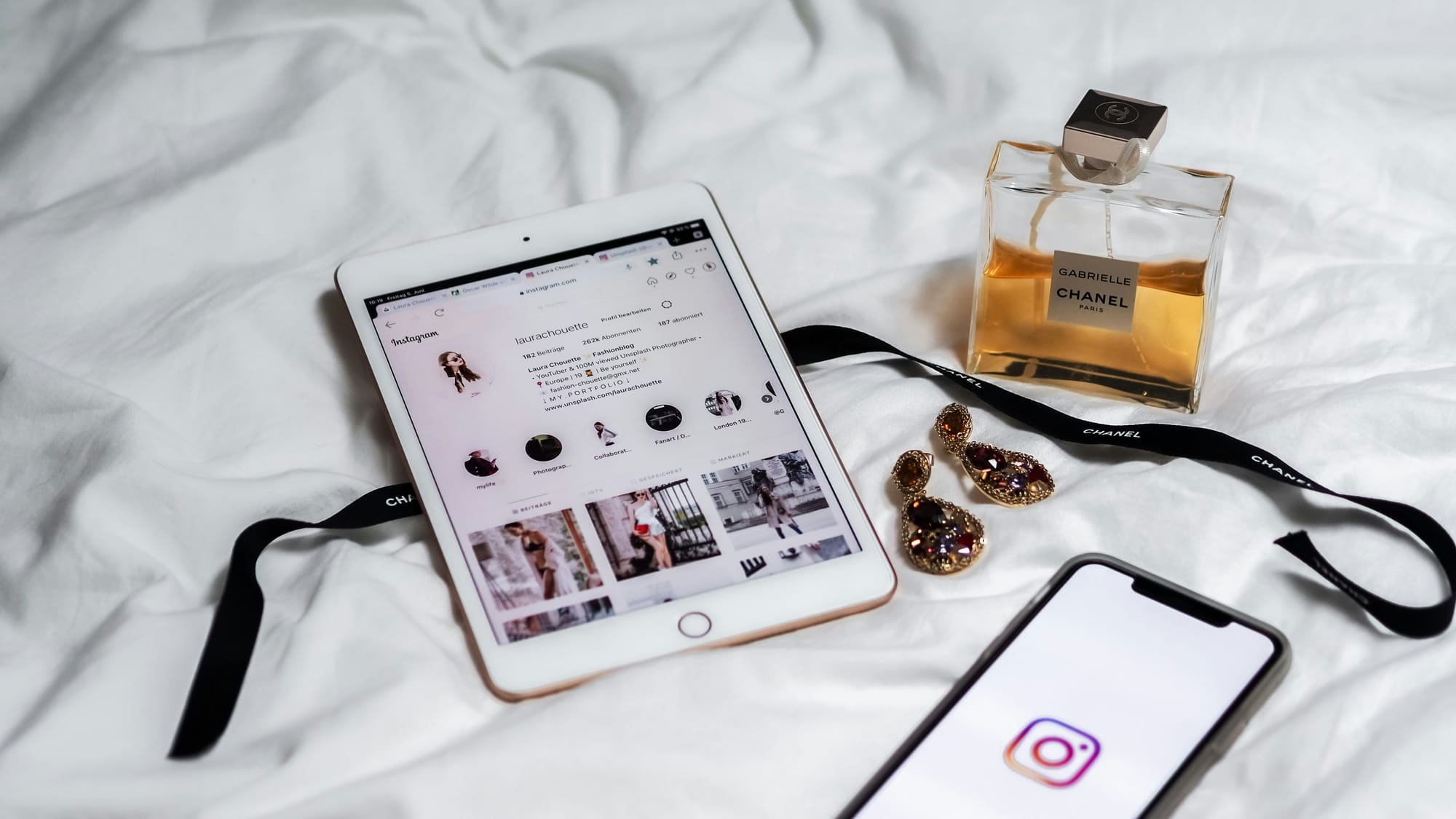
Selling directly on Instagram means creating a predictable sequence. Make engaging, eye-catching short videos with shoppable tags and a simple checkout process. Amplify your efforts by working with creators and running targeted ads.Then, convert and keep customers through direct messaging and special broadcasts. Run this loop with repeatable tests, clear KPIs, and quick creative changes to turn discovery into real purchases.
1. Crayo AI for rapid short-form video production.
Make short videos quickly and at scale to ensure you always have fresh creativity. Write a one- or two-line prompt, select a visual style, and export: Crayo automatically generates captions, effects, background footage, voice narration, and music, letting you skip manual editing. Use the tool to create different cuts for A/B tests, then share the best ones in Reels and Stories.Try Crayo’s free clip creator tool today. Click the Try Now button on their homepage to start; no account required.
2. Partner with influencers and affiliates smartly.
Focus on micro-influencers who specialize in your niche. Create a clear brief that specifies a specific, measurable outcome, such as clicks to a tagged product or a trackable promo code.In tests with three DTC brands over eight weeks, a clear pattern showed: creators with 10k to 75k followers had the best cost-per-engagement and genuine conversions, often in exchange for products or small fees. Use Instagram’s affiliate tools, which let creators tag products directly and earn commissions, aligning incentives for honest promotion.
3. Run narrowly targeted Instagram ads.
Avoid casting a wide net. Build ad sets around specific buyer intent signals, such as product viewers, saved posts, and previous engagers.Add lookalikes of high-value customers. Use catalog-based shoppable ads for items with strong margins, and set aside at least 10% of ad spend for creative testing to identify which cut, caption, and thumbnail best drive purchases. Measure ROAS by cohort, not by campaign, to understand how acquisitions perform over 30, 60, and 90 days.
4. Tag products with tactical placement and timing.
Place product tags where attention naturally goes, and time the tags to match the story's flow.For example, in a 30-second demo, show the problem within the first 6 seconds, display the product solving it at the 10-second mark, and put the product tag where the benefit shows on screen.Track which tag positions receive taps, and save the best pattern as a template for future posts.
5. Make Reels shoppable and conversion-focused.
Plan Reels like short commercials with a single explicit action. Insert product tags at reveal, not at the start.Use short captions that create urgency or show social proof. Test two CTA styles per Reel: one that directs to product details and another that offers a limited-time code to measure pull-through. If discovery is your primary goal, focus on creative that encourages shares and saves; if sales is your goal, aim to measure click-to-checkout speed.
How to handle video production?
Status quo disruption: Most teams make short videos by piecing together clips in simple apps because it is something they know how to do. This method is acceptable when they publish only a few posts each month. However, when they post more frequently and have more creative options, producing videos takes longer, and the review process slows. This can cause them to miss trends and lead to inconsistent branding.Teams find that platforms like Crayo can help by centralizing clip creation with their clip creator tool, automatically adding captions and creative options, and reducing production time from hours to minutes. This allows them to test more ideas without hiring additional staff.
6. What to do with user-generated content?
Curate and activate user-generated content (UGC). Create a system to manage UGC by tracking mentions, requesting permissions, and repurposing the best customer videos as Reels and Stories with product tags.Run a monthly UGC contest with an easy entry process and promote the winners in feed ads. When brands make customers the creative engine, authenticity goes up, and creative costs go down.
7. How to choose hashtags effectively?
Choose hashtags that help with product discovery. Use a layered hashtag strategy: include one broad tag for reach, two niche tags for intent, and one branded tag to gather submissions. Update the tags on each post to avoid penalties for duplicate tags, and identify which tag groups drive actual product taps rather than just vanity impressions.Keep an ongoing list of hashtags and stop using ones that don't perform well after three uses. Additionally, consider how our clip creator tool can streamline your content creation and ensure your chosen hashtags are highlighted effectively.
8. What kind of content addresses buyer objections?
Design product videos to address the buyer's top objections. Treat each short video as an answer to a specific buyer question, such as fit, durability, or a how-to. Scripts should start with the objection, show how the product solves it, and end with a clear CTA. This method usually works better than demos that only show the product.Testing both spoken and text-based versions can help improve views when the sound is off.
9. How to leverage Stories for sales?
Use Stories to sell time-sensitive products and gather feedback—pair story sequences with interactive stickers to find out what people want. For example, run a quick poll to separate curious viewers from buyers. Then, send a DM-only offer to people who show purchase intent.Also, use countdown timers and link stickers for special promotions. Collecting this data enables you to retarget viewers of the story who didn’t make a purchase.
10. How to engage with customers effectively?
Engage actively in comments and DMs to close deals. Assign a small team or use automated systems to handle incoming sales conversations within 15 minutes. Write quick replies to common questions, but send complex inquiries to a human.When Crayo tightened DM response SLAs from 12 hours to 1 hour for a seasonal launch, conversion from DM to sale rose noticeably. Customers appreciate rapid, helpful answers.
11. What are the best practices for live shopping?
Host live shopping events with measured scripts and clearly defined roles. Run live events with a tight show flow: one host demonstrates items, a second person monitors comments and captures product requests, and a third person manages immediate checkout links. Pre-announce exclusive bundles available only during the stream to create urgency. Additionally, record the live session for later use in shorter clips.
12. How to optimize your business profile?
Optimize your business profile to reduce buyer friction. Use short, easy-to-read bio text that starts with what you sell, and then add one link that directs buyers to the right landing pages.Keep your highlight covers consistent so returning visitors can easily find product categories. Try different CTAs in the bio every month, and check which wording gets the most link clicks and DMs.
13. How to Utilize Chatbots for Engagement?
Deploy a pragmatic Instagram chatbot for scale. Automate FAQs responses, such as sizing, shipping, and returns, while giving customers the option to speak with a human.Set up the bot to collect an email address and product SKU when someone shows interest in a purchase, enabling you to follow up with messages to recover their cart. Chatbot interactions can boost average order value by suggesting complementary items during the checkout conversation.
14. How to build a loyalty engine?
Build a broadcast channel to create loyalty. Treat this channel like a VIP list: share limited-stock releases, early access, and honest product development notes. Use short, personal updates and direct discounts to strengthen membership value. Keep an eye on which broadcast messages drive quick sales and which build long-term customer loyalty.
What are common patterns for success?
When advising brands, a clear pattern emerges across categories: product tags and shoppable Reels drive purchase conversion more reliably than random posting. Also, creators with smaller followings usually provide the best cost-to-engagement tradeoff. This pattern influences how brands allocate their spending and pace their creative.
The following section outlines tactical, step-by-step moves that turn these strategies into repeatable sales.
10 Tips to Sell on Instagram

Focus on tactics that remove doubt, shorten the path to purchase, and create a personal, immediate experience. Blend immersive tech with credible creators, easy buying points, and quick feedback loops. Each post should explain what to do next.
1. How can augmented reality help with sales?
Augmented reality lets you try on items realistically. Think of AR as a personal dressing room in your pocket, not just a fun trick. Create quick, straightforward filters that address the most common customer questions, such as fit or color. Make the try-on experience available at the highest moments of intent, such as when showing a product in a video.During a three-week AR test for a specific accessory brand, time spent on the site increased significantly. Visitors who used the filter spent considerably more time on product pages, indicating that this method reduces uncertainty. Keep the filters focused, ensure they work well on older phones, and link them to a single call to action so the try-on goes directly to a tagged product or checkout.
2. Why should you work with creators as storytellers?
Work with creators as long-term storytellers. Creators are most convincing when they act like ambassadors, not just advertisements. It is important to have agreements for multiple posts with clear goals, like increasing product saves, getting user-generated content (UGC) submissions, or tracking promo-code sales, and to pay for results when possible.This method changes the focus from single shoutouts to building trust over time. It also highlights real product moments that can be reused in ads and Reels.
3. How to make live shopping more effective?
Make live shopping actionable and efficient—script live events with clear roles, exact timings, and quick checkout links. One host should display products, while another tracks orders; a third can handle logistics such as promo codes and shipping details.It’s best to limit the catalog to a few products per session, offering an exclusive bundle or limited-time deal that runs only during the live event. This method helps keep conversion times short and encourages customers to act fast.
4. What should you do for personalized recommendations?
Push personalized recommendations inside Instagram flows. Use in-app behaviors, saved items, and engagement patterns to show tailored product suggestions in Stories and DMs. When users save a product or continue viewing a catalog item, send a private message suggesting related SKUs or fit tips. To enhance this process, consider leveraging our clip creator tool to craft engaging video snippets for your suggestions.Personalization should feel conversational, not algorithmic. Short, specific suggestions work better than generic "you might also like" lists.
5. How can you create time-limited offers?
Time-limited offers should feel earned, not spammy. Run short promotions tied to clear signals, like product restocks or post-purchase follow-ups. To improve these offers, add an on-screen countdown or a Story sticker.Pairing flash deals with a bit of extra value, such as free expedited shipping or a complimentary sample, ensures that urgency drives action rather than just pressuring customers. Consider leveraging our clip creator tool to enhance your promotional content.
6. How to communicate your brand values effectively?
Tell your values through ongoing actions. Customers want brands that act consistently, not just say what they believe.Share short, documentary-style videos that show your process, sourcing, or community efforts. Highlight these videos on product pages and Stories to ensure your values and business go hand in hand. This method lowers doubt and gives mindful shoppers real reasons to choose your brand, especially when using our clip creator tool.
7. How can you turn customers into content creators?
Turn customers into your creative bench using UGC systems. Create a simple UGC funnel with a prompt, an easy upload option, and clear permission steps.Highlight and tag contributors, then use the best customer clips in Reels and ads. Setting up a monthly UGC prompt with clear themes and small rewards increases usable submissions and lowers creative costs while keeping high authenticity.
8. How to add playfulness to your content?
Add play through interactive, gamified formats. Use quizzes, polls, and choose-your-own-adventure stories to engage and qualify buyers. A two-question flow that asks about size or use case quickly narrows choices and can direct users to the correct product tag or private offer. Gamified paths also create micro-commitments that prepare people to buy.For instance, using our clip creator tool can enhance your interactive content strategy.
9. What is an intentional hashtag strategy?
Using product tags with a clear hashtag strategy is essential. Tag products exactly where a feature appears on-screen, while changing hashtag groups to keep discovery both broad and focused.Match tags to the creative beat of the clip, not just to the caption, so taps feel like a natural next step. Keep hashtag lists organized by including one brand tag, two niche-intent tags, and one seasonal tag, which you update for each campaign.
10. How should DMs be automated?
Automate DMs for speed, but ensure there are human escalation options. Automated replies should address the top five purchase friction points and capture intent signals, such as SKU interest or cart questions. For more complex situations, route inquiries to a human quickly per the service level agreement (SLA).You can also use automation to suggest size guides, complementary items, or give quick checkout links. Fast, helpful replies create an experience that really boosts repeat business.
How to streamline the creative review process?
Most teams handle creative review and clip variants via email threads because it is familiar and easy to get started. However, as posts increase and approval rounds accumulate, feedback gets lost, and launch timing slips. This leads to wasted creative cycles and inconsistent messaging.Platforms like the clip creator tool integrate versioning, automate caption and effect variants, and reduce review cycles from days to hours. As a result, teams can keep up with trends while maintaining quality.
What should you know about Instagram's audience?
Remember, over 1 billion users are active on Instagram each month. And because 80% of Instagram users follow at least one business. You are reaching an audience that is already interested in brands, so your job is to connect with them quickly and clearly.
How can Crayo AI enhance video creation?
Crayo AI offers the fastest way to create short videos, enabling users to create unlimited clips in batches. Captions, effects, background footage, and music are all auto-generated, making the process easier.Try Crayo’s free clip creator tool today: just click the ‘Try Now’ button on our homepage to get started, no account required, and go from prompt to viral short videos in minutes.
What is the single operational shift for better performance?
While progress is being made, the next focus spotlights the single operational shift that separates occasional wins from consistent shop performance.
Related Reading
- How To Sell Merch On Instagram
- How To Sell Jewelry On Instagram
- How To Sell Products On Instagram
- What Are Instagram Badges
- Does Instagram Pay Creators
- What Is Exclusive Content On Instagram
- Affiliate Programs For Instagram
- Affiliate Marketing On Instagram For Beginners
- How Does Instagram Live Work
- How To Make Money As A Photographer On Instagram
- Instagram Dropshipping
How to Optimize an Instagram Shop in 10 Steps

Optimize your Instagram Shop by treating each step as a measurable conversion point. Run quick tests to replace guesses with actual results. Begin with high-impact copy and effective routing, then build templates that scale. Here are ten focused actions with practical details you can implement this week.
1. Optimize Profile Bio
Make your bio a conversion funnel, not just a description. Start with a one-line benefit statement, then add a short proof point, such as shipping, sustainability, or bestseller status. Include one clear CTA that links to a link-in-bio landing page aligned with your shop structure.Make sure each link includes UTM parameters to track which bio copy drives sales. Set your business category, turn on contact buttons, and add brief, alt-text-friendly phrases to make your profile easy to find and accessible. Test two CTA versions for 14 days and select the best based on link-click conversions, not just clicks for show.
2. Arrange Posts with a Defined Visual System
Start by mapping out three main ideas for your content. Then create a nine-post template for each week so the layout looks like both a catalog and a story. Choose one color scheme and two fonts for overlays. This way, creative reviewers can focus on agreeing with the messages rather than debating the style.Set aside specific days to record and edit a week's worth of content in one go. Also, track how many saves and follows each template receives to help improve the mix of product close-ups and lifestyle images.
3. What are carousel posts, and how to use them?
Carousel posts can serve as mini lookbooks, presenting a single idea across slides: hook, context, close-up, proof, and action. Start with the strongest picture, and use the fourth slide to tackle the buyer’s main worry about fit or material.It's key to keep the carousel short to the number of slides needed to tell the story clearly. Consider A/B testing both 3-slide and 6-slide versions to determine which keeps viewers engaged and reduces drop-off rates. Always finish with a final slide that points to the next step, including a short caption CTA, and SKU for quick reference in DMs.
4. How to effectively use shopping tags?
Add shopping tags with quality assurance and naming rules. Treat tags as product metadata and standardize their labeling. Set up a naming rule that matches your catalog SKU. Check the catalog daily to avoid mismatches.Place tags immediately when a product is shown, ensuring taps feel natural. It's essential to monitor how often tags are tapped and remove or replace tags for images that underperform. If shoppers report broken links or incorrect prices, track the issues and resolve the source feed within 24 hours.
5. What hashtag strategy should I follow?
Use hashtags with purposeful rotation. To manage your hashtag strategy well, create three hashtag groups: discovery, niche intent, and community. Rotate these groups weekly to ensure the algorithm receives diverse signals and to prevent your reach from plateauing.Aim for 5 to 12 relevant tags, and test whether placing them in the caption or the first comment affects saves and product taps. Also, keep a rolling spreadsheet that maps tag groups to product taps, and stop using any tags that don't drive shopping actions.
6. How to leverage user-generated content?
Leverage User-Generated Content with a Permission System. Create a simple submission flow that includes a prompt, a permission checkbox, and a compensation model that features a small discount. Vet user-generated content (UGC) using a quality checklist and ask for raw files when possible; offer short-form release agreements to enable reuse of clips in advertisements.
Tracking conversion rates for UGC compared to studio shots is essential. UGC usually reduces buyer hesitation by addressing practical questions in the buyer’s language.
7. What storytelling techniques drive sales?
Create stories that move people to act by using short, three-step selling sequences: tease, show, and convert. Place the product link or sticker right at the moment when you reveal it. Use an on-screen prompt directing viewers to the link, rather than hiding the call to action in the caption. Save successful story sequences as Highlights, organized by collection, so returning visitors can quickly find checkout paths.Measure story tap-through and exit points. Then shorten or change the format of sequences that lose viewers before the link.
8. How can I use Reels, IGTV, and Stories effectively?
Use Reels, IGTV, and Stories with Role-Based Scripts. Assign each format a specific job: Reels for reach and quick demonstrations, IGTV for detailed tutorials, and Stories for immediate conversion nudges.
Standardize a Reels script template that includes a 6- to 8-second hook, a 10- to 15-second demo, and a clear 2- to 3-second CTA.Create two sound versions for each Reel: one with voiceover and one designed for captions.
Finally, promote the best-performing option in targeted paid experiments targeting previous engagers.
9. What are the best practices for Instagram ads?
Run Instagram ads as a structured test suite. Start your ad testing with a meaningful budget and let it run for 10 to 14 days. This gives the system enough time to optimize effectively; short runs can yield inconsistent results. Make sure pixel or server-side tracking is set up correctly before increasing your budget.
Use catalog-based dynamic ads for products with stable profit margins. Divide your return on ad spend (ROAS) by group, tracking 30- and 90-day periods. Finally, use the creative winners in your organic posts to boost what has already been shown to be persuasive.
10. How to partner effectively with influencers?
Partner with Influencers Using Clear KPIs and Rights: Brief creators with a single measurable task, like product-tag taps or tracked code redemptions, while including usage rights for the content they create.Favor multi-post arcs or month-long partnerships to build durable trust instead of choosing one-off shoutouts.Whenever possible, pay for results and include creator content in ad tests, allowing the best-performing endorsements to become repeatable assets.
What challenges do teams face in optimization?
When auditing teams struggle, the pattern is clear: most handle tagging, approvals, and caption variants through ad hoc spreadsheets and chat threads because this method feels familiar and is low-cost.Initially, it works well. However, as catalogs and stakeholders grow, these threads become fragmented, review processes stall, and errors can slip into live posts, wasting both time and trust.
Teams discover that centralized creative platforms can automate tagging, maintain version history, and route approvals. This shifts review cycles from days to hours while preserving consistency and audit trails.
What evidence supports the importance of optimization?
For those needing a final nudge to prioritize optimization, consider the significant conversion upside that companies are reporting. According to Stack Influence, businesses have reported a 20% increase in sales after optimizing their Instagram Shops. This shows a clear return on investment from structured shop work.The engagement opportunity also remains unusually strong; Stack Influence reports that Instagram Shops have seen a 50% increase in engagement since their introduction. This trend explains why improvements focused on capturing attention are particularly rewarding.
What are the next steps for implementation?
The steps above are tactical; teams should select three to implement this week, set appropriate metrics, and build on them.The frustrating part is that achieving the creative speed needed to capitalize on the opportunity is where most teams struggle.
Why is a centralized creative process advisable?
The predictable bottleneck in the creative process is precisely what makes the next section impossible to ignore.
Create Viral Shorts in Seconds With Crayo
Speed determines if a Reel becomes a sale. Crayo lets users change a prompt into publish-ready clips that can be uploaded to Instagram Shop, Reels, and ads in just minutes.Try Crayo’s free clip creator tool today by clicking 'Try Now' on the homepage, and you don’t need an account. Start turning product ideas into shoppable shorts that capture your audience's attention and drive sales.
Related Reading
- How To Make Money As A Content Creator On Instagram
- How To Do Affiliate Marketing On Instagram
- How To Sell Art On Instagram
- How To Earn Money From Instagram By Posting
- How To Drive Traffic From Instagram
- How To Sell Digital Products On Instagram
- How To Sell Clothes On Instagram
- How To Set Up Instagram Shop
- Best Instagram Accounts To Follow