


You post a great photo or reel, get likes and comments, but it does not pay the bills. On Best AI Instagram Accounts, creators use AI to generate income through sponsored posts, affiliate marketing, brand partnerships, product promotion, and digital sales.
This guide shows clear tactics to raise your engagement rate, grow followers, land paid collaborations and influencer deals, and create viral reels and tiktoks with AI so your posts start to earn real Instagram income. Ready to turn attention into sponsored content and steady revenue?To make that happen, Crayo's clip creator tool helps you turn raw clips into short reels and tiktoks optimized for shares and retention, so you can attract brand deals, boost affiliate sales, and publish high-performing content without complex editing.
Summary
- Posting alone rarely converts attention into revenue; brand partnerships are the primary monetization channel, with over 500,000 influencers earning income through collaborations (Sprout Social, 2025).
- Micro influencers with 10,000 to 50,000 followers can earn between $100 and $500 per sponsored post, which shows brands value audience fit and conversion more than raw follower totals.
- The most reliable creators mix revenue streams rather than rely on one, as illustrated by the article's catalog of 12 monetization methods that can be combined for recurring income.
- Instagram still offers massive reach and commerce potential, with over 1 billion monthly active users and 70% of shopping enthusiasts turning to the platform for product discovery, making product-led and shoppable formats more effective.
- Manual partnership workflows cause real leakage, as negotiation cycles can stretch from days into weeks and asset tracking fragments across spreadsheets, increasing missed deliverables and payment disputes. Data-driven content routines accelerate monetization, for example, run two-week A/B experiments, treat the first 90 days as an experimentation window, follow a weekly cadence of two discovery posts, one case study, and one direct-conversion CTA, and maintain a 48-hour reply rule for DMs.
- This is where Crayo's clip creator tool fits in; it helps teams turn raw clips into short reels and tiktoks optimized for shares and retention.
Can You Make Money By Posting on Instagram?

Yes, you can earn money from Instagram posts, but not because Instagram pays for likes or views. Real income comes when posts connect to precise monetization mechanisms, not from posting alone.
Why posting alone does not pay
It feels logical to assume that steady posting equals steady pay, yet that belief breaks in practice. This pattern appears across hobbyist creators and small agencies: they follow a strict posting calendar for months, engagement ticks up, and bank balances do not. It is exhausting when you pour time into daily Reels and still see zero revenue; the missing link is a conversion path that turns attention into money.
1. Brand deals and sponsored posts
Brands pay creators to reach audiences that match their customers, and when executed well, those deals fund entire creator businesses. According to Sprout Social, "Over 500,000 influencers on Instagram are making money through brand partnerships." Brand partnerships are widespread and a primary source of income for many creators. Payment scales with audience size, niche, and demonstrated conversion rates; for example, Micro-influencers with 10,000 to 50,000 followers can earn $100 to $500 per post. That range reflects how brands prioritize a tight audience fit and reliable engagement over raw follower totals.
2. Affiliate marketing
Affiliate links pay you a cut when followers buy through your links or codes. This model rewards persuasion and trust, not vanity metrics. Niche creators who build credibility in a specialized area often turn modest audiences into recurring affiliate income because their followers act on recommendations. The income stream depends on conversion rates and the product’s margin; you can scale it without needing a million followers, as long as your content nudges people toward purchase.
3. Selling your own products or services
Use Instagram as a traffic engine that funnels people to something you sell. That might be a digital course, a set of presets, freelance consulting, or physical goods. The post is the invitation, not the paycheck; revenue arrives when followers move to checkout. Creators who treat captions and link placements as direct sales copy see far better returns than those who treat posts as mere social proof.
4. Instagram’s built-in creator features
Instagram offers direct monetization tools like subscriptions, live badges, and occasional Reels bonuses, but these are limited, region-specific, and often invite-only. Treat these features as supplemental income, not the foundation of your business. Relying on platform payouts alone is risky because eligibility and bonus programs change without notice.
How the usual approach quietly fails
Most people manage growth by increasing post frequency because it feels productive. That familiar approach works early on, but as creators scale it, it exposes a hidden cost: hours spent creating content that never converts are hours taken from building product, outreach, or partnership strategy. As stakeholders multiply — brand contacts, collaborators, service providers — the friction of ad hoc deal tracking and inconsistent pricing steals momentum and compresses margins.
What platforms like Crayo change
Most creators manually manage monetization because it is familiar and requires no new tools, which is understandable. That method breaks down when you start juggling offers, tracking campaign deliverables, and proving results to brands, leading to missed payments and inconsistent rates. Platforms like Crayo centralize partnership tracking, automate deliverable reminders, and surface performance metrics, cutting negotiation time and reducing campaign errors while keeping a clear audit trail for payouts.
Three practical behaviors that matter right now
Focus on converting attention into transactions, not just accumulating impressions. Prioritize scalable, repeatable offers, such as a signature digital product or an affiliate funnel, because they compound: one strong funnel can convert future posts without a redesign. Finally, price and package deliberately; inconsistent rates erode perceived value and make long-term deals harder to secure.
A single sharp rule to remember
Stop treating posting as the product; treat posts as distribution for products, partnerships, or conversion paths that actually pay.
The frustrating part? This is only the first puzzle to solve — what comes next will change how you turn attention into predictable income.
Related Reading
- Best AI Instagram Accounts
- Can You Sell On Instagram
- How Much Money Can You Make On Instagram
- What To Sell On Instagram
- Is It Legal To Sell On Instagram
- How To Promote A Book On Instagram
- How To Do Collaboration On Instagram
- How To Sell Directly On Instagram
- How To Get Clients On Instagram
- How To Get Approved For Instagram Shopping
- How To Sell Things On Instagram Without A Website
- How To Sell Earrings On Instagram
12 Methods of Instagram Post Monetization

You can generate revenue from Instagram posts in many ways, and the most reliable creators combine several methods rather than relying on a single one. Below, I list twelve monetization paths, each with practical steps you can use immediately, pricing or measurement tactics, and common pitfalls to avoid.
1. Sponsored Posts & Brand Collaborations
What it is
Brands pay you to create content that features their product or service, often under a short campaign brief.
How it earns
Charge per deliverable, but split your pricing into three parts: creative fee, usage rights, and performance incentives. Ask for a flat post fee plus a bonus tied to measurable outcomes like click-throughs or tracked sales.
Best for
Creators who can demonstrate clear audience fit and predictable engagement.
Tactical next steps
Create a one-page rate card with audience demographics, three recent campaign results, and clear usage limits; require a signed scope that defines deliverables and reuse rights. Negotiate exclusivity only when the premium matches the commercial risk.
2. Affiliate Marketing
What it is
You recommend products and earn a commission when followers make purchases through your link or code.
How to use
Map your content calendar to conversion funnels: use a Reel to show the product in action, a Story highlight for reviews, and a pinned post with a tracked link or landing page. Use UTM parameters and conversion pixels to measure which post types convert best.
Why it works
This scales without inventory; the lever is trust plus an optimized funnel, not follower count.
Practical tip
Negotiate higher commission tiers as you hit volume thresholds and avoid sending traffic to generic retailer pages, because conversion drops when the path to purchase is unclear.
3. Selling Your Own Products
What it is
Sell physical or digital goods directly, using your feed as the storefront.
How to sell
Use product tags, shoppable posts, and a focused landing page that converts visitors into buyers. Test a low-friction product first, like a $9 digital asset, to validate demand before building inventory.
Why it converts
Instagram still functions as a discovery and impulse platform, so product imagery and a one-click checkout matter more than a long catalog.
Operational pointers
Plan fulfillment, returns, and customer support before you scale; fulfillment failures erode trust faster than a pricing mistake.
4. Brand Ambassador Programs
What it is
A recurring, often multi-month agreement to represent a brand and co-create content.
Why it’s valuable
Steady retainer income and predictable deliverables make long-term planning possible.
How to structure
Propose clear monthly responsibilities, measurable KPIs, and a renewal cadence. Include clauses for creative approval and a fixed monthly deliverable count to avoid scope creep.
When to accept
Choose brands whose products you use and would recommend anyway, because authenticity sustains long-term partnerships.
5. Live Badges (Live Monetization)
What it is
Viewers buy badges during live streams to show support; you receive a share.
How it earns
Design live events with explicit prompts to purchase badges, such as Q&A tiers, shout-outs, or mini-workshops.
Eligibility and optimization
Check platform thresholds in your region and treat lives like product launches, promoting them ahead of time and creating a simple agenda so viewers know the value of showing up live.
6. Creator Bonuses & Incentives
What it is
Occasional platform payouts for hitting specific performance goals.
How to capture them
Experiment with short-form formats and maintain a test calendar; platforms reward sustained experimentation and high retention rates.
How to measure
Track which topics and hooks trigger algorithmic boosts, then double down on formats that generate the fastest lift in view-through and saves.
7. Subscriptions & Exclusive Content
What it is
Monthly paid access to gated posts, stories, or communities.
How it works
Build tiered benefits: early access, exclusive behind-the-scenes content, and private Q&A sessions. Use one paid perk that is easy to deliver weekly, such as a members-only short video.
Retention strategy
Make the first 30 days feel generous, then create recurring micro-commitments so subscribers feel momentum and continued value.
8. Reels & Video Monetization
What it is
Platform programs that reward high-performing short-form video.
How to optimize
Focus the first three seconds on an emotional or utility hook, then deliver a clear outcome. Repurpose the same asset across vertical platforms to multiply earning opportunities.
Measurement
Track view-to-action ratios and allocate production budget to concepts that consistently push those ratios up.
9. Sell Photos & Videos
What it is
License your visual content to brands, agencies, or stock libraries.
How to price
Offer tiered licenses: social-only, paid-media, and full commercial use, each with escalating fees and time limits.
Practical workflow
Keep uncompressed masters, model and property releases, and a simple pitch deck showing where the asset might run and for how long.
10. User-Generated Content (UGC) Creation
What it is
Brands hire you to produce authentic content that they will run in ads or organic channels.
Key difference
You are selling the creative work, not endorsement; structure fees accordingly.
How to sell it
Pitch a short creative test, two to three concepts, and a usage license. Use a clear rights table and request client feedback windows to avoid endless revisions.
11. Offer Services
What it is
Turn your expertise into billable work like coaching, photography, or social media management.
How to package
Productize services into clearly defined offerings with outcomes, timelines, and deliverables. For example, sell a 90-minute content audit, a 30-day content plan, or a four-post production bundle.
How clients find you
Use highlight case studies, client testimonials, and a “Book” CTA that routes to a scheduling tool.
12. Digital Products, Courses & Workshops
What it is
Sell knowledge at scale, from one-off guides to multi-module courses.
Why does this scale best
Once you create a quality curriculum, each additional sale has near-zero marginal cost.
Launch mechanics
Validate with an email waitlist or presales, use PSAs in Stories, and run a time-limited launch with clear transformation outcomes. Break the course into small modules so students get quick wins early.
A typical pattern I see across creators and small teams: they mix these paths but leave value on the table because workflow and rights management are manual. Most creators handle negotiations, deliverable tracking, and asset reuse through spreadsheets because it feels familiar. That works at first, but as campaigns and partners increase, the spreadsheet fragments, deadlines slip, and income becomes lumpy.
That hidden cost can be real, stretching negotiation cycles from days into weeks and costing creative momentum. Platforms like Crayo provide campaign templates, automated deliverable reminders, and centralized usage logs, cutting administrative time and reducing disputes over reuse and payments.
When we tested a centralized workflow for creators, tasks that previously required multiple email threads were consolidated into a single approval, improving clarity and both turnaround and client satisfaction. Think of it as moving from scattered index cards to a ruled ledger that everyone agrees on.
Pricing and legal details that many creators overlook
Create standard clauses for usage length, geographic scope, and exclusivity, and add them to every contract—price usage separately from the creative fee. Treat reposts, paid ads, and long-term commercial use as distinct budget items; brands expect it, and so should you.
A short analogy
Selling a single post without specifying rights is like selling a photograph, only to discover the buyer printed it on billboards—unexpected scale and unexpected fees.
Finally, keep in mind that over 1 billion users are active on Instagram each month. That scale, Mighty Networks, 2023, means your best content can reach enormous new pockets of demand if you design offers that convert attention into transactions. Also, remember that 70% of shopping enthusiasts turn to Instagram for product discovery. Mighty Networks, 2023, which explains why product-led strategies and shoppable formats convert better than vague inspiration alone.
That solution feels complete, until you realize the next problem is not how to make money, but how to make money predictably — and that is where the next section becomes essential.
8 Tips on How To Earn Money From Instagram By Post
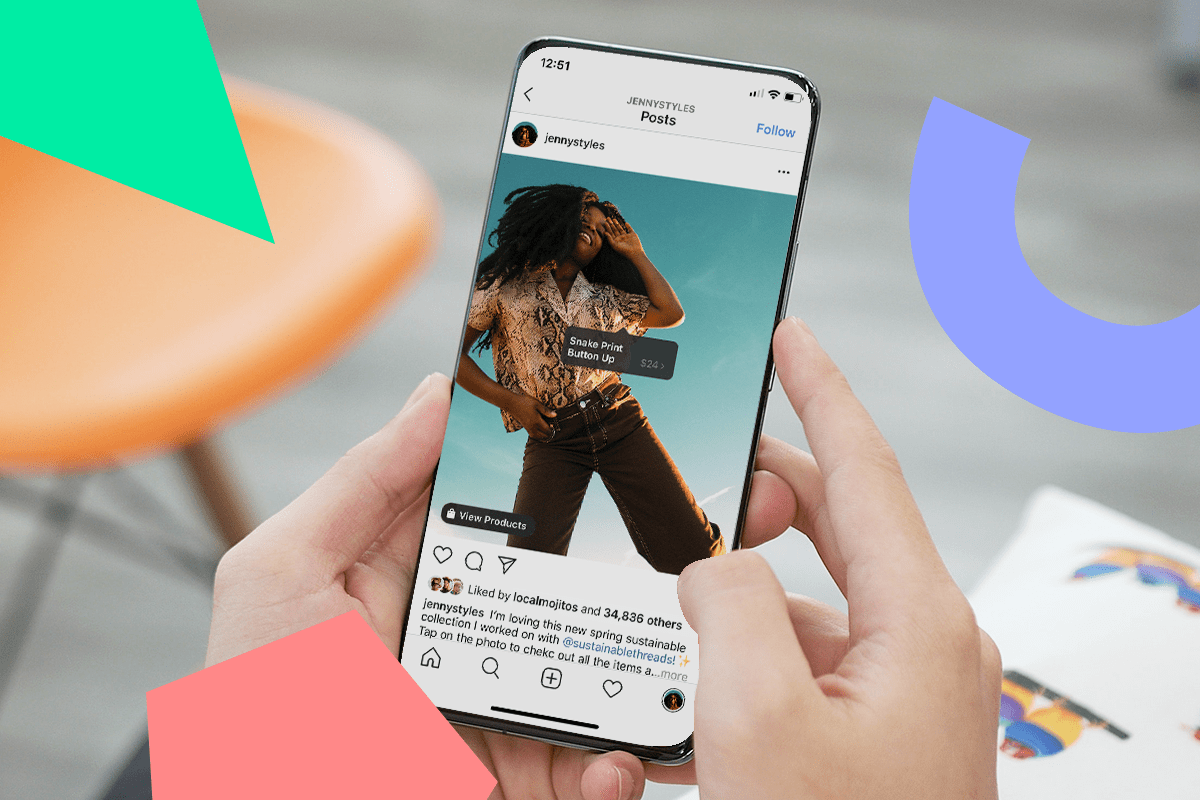
You make money on Instagram by turning followers into measurable actions, not by posting more for its own sake. Focus your energy on growing the right audience, crafting content that converts, tracking what actually drives clicks and purchases, and tending the relationships that drive action.
1. How do you build a reliable audience that actually matters?
Treat follower growth as an audience-engineering problem, not a vanity contest. Start with a tight targeting rule: identify the single customer persona most likely to buy from you and design three repeatable hooks that solve their specific pain within 30 seconds. Use content sequencing, where one post primes for the next, and invite a low-friction action every time, such as saving a post or tapping for a quick tip.
Run two-week experiments that vary only one element, such as the thumbnail or opening line, and measure the follow rate per 1,000 impressions to determine which hook scales. Because Instagram has over 1 billion monthly active users, the opportunity to find new pockets of demand is significant, but only if you find the right door.
2. What does a content plan that actually converts look like?
Move from ad hoc posting to a calendar that maps content to conversion stages: discovery, trust, and close. Assign each day a single objective, batch-produce assets for that objective, and schedule A/B tests on captions and CTAs. Reserve at least one weekly slot for a trackable conversion event, for example, a free micro-training that routes people to a landing page with UTM tracking. Use simple cadence rules, like two discovery posts, one case study, and one direct-conversion CTA per seven-day cycle, then let performance decide tweaks.
3. How do you raise the perceived quality of every post?
Quality is a conversion multiplier, not decoration. Focus on three production elements that consistently move metrics: a compelling first three seconds, clean audio or readable text overlays, and a thumb-stopping cover image. Use a short production checklist before publishing, including checks for aspect ratio, caption hooks, and an accessibility alt text line. When creators follow this checklist for 30 days, the pattern usually shows: saves, shares, and click-throughs rise faster than impressions, which is what pays.
4. How should you use hashtags and discovery mechanics without wasting time?
Stop treating hashtags like magic; treat them as targeted channels. Create three hashtag groups: one for reach, one for niche conversations, and one for community tags you invent and seed among followers. Rotate groups by post type and track hashtag-driven impressions for 60 days to identify which sets genuinely reach your audience. Pair hashtags with another discovery lever, such as a partner shoutout or a localized caption, to amplify impact.
Most teams coordinate partnership logistics via email and spreadsheets because they are familiar with them. That works at first, but as offers, deadlines, and usage rights multiply, the familiar approach creates friction, missed deliverables, and revenue leakage. Solutions like the clip creator tool centralize campaign briefs, automate deliverable reminders, and maintain clear usage logs, cutting administrative cycles from days to hours while keeping a clean audit trail.
5. Which metrics and tools should you use to know whether your posts are earning?
Measure outcomes that link to money: click-through rate to your sales page, conversion rate on landing pages, saves per impression as a proxy for purchase intent, and cost per acquisition if you run ads. Use a single dashboard that pulls in Instagram insights, link clicks from your bio page, and landing page conversions so you stop guessing. Spend time configuring two things properly: tags and attribution. Poor attribution makes good posts look useless, and bad decisions follow.
6. How do you build engagement that actually moves people toward buying?
Engagement that pays is directional, not polite. Design interactions that lead to a measurable next step: a Story poll that seeds a DM where you offer a mini-consult, a comment prompt that funnels people to a link, or a limited-seat DM-first offer. Commit to a 48-hour reply rule for DMs and comments during launches, and measure how many replies convert to a sales conversation. This creates a small but high-value channel that compounds as trust grows.
7. How do you sharpen your niche so your offers convert more often?
Niche clarity reduces friction and raises price tolerance. Audit your audience segments, then remove any content that targets people outside your highest-value segment for 30 days. Swap ambiguous broad posts for two focused case studies demonstrating specific outcomes, and track conversion lift by segment. That discipline feels risky at first, but tight positioning turns a weak, wide net into a narrow funnel that converts.
8. Why you must be patient, and how to use that time well
Patience without a plan becomes procrastination; make waiting productive. Treat the first 90 days of any new tactic as an experimentation window: run controlled tests, gather clean data, and only change one variable at a time. Reinvest early wins into the two highest-return activities you identify, then document the process so it scales. It is exhausting when effort does not translate to income, but structuring patience as iterative testing transforms time into compoundable progress.
When you combine these moves, you stop mistaking activity for income and start building scalable, predictable monetization paths. That pattern sounds simple, but what comes next requires you to be creative with the content itself.
That next step reveals the specific post ideas that actually turn attention into action, and it changes how you script every single caption.
15 Content Ideas for Instagram Posts

Use a mix of human moments, quick utility, and interactive hooks that invite action; each post should have a single, obvious purpose and an easy next step for the viewer. Keep formats tight, vary tempo across the week, and treat every piece of content as an invitation rather than an announcement — remember, over 1 billion people use Instagram every month.
1. Behind-the-scenes Stories and Reels
When we filmed short daily stories for ten working days during a product prep cycle, followers started treating our feed like a backstage pass; engagement became conversational instead of transactional. Show raw processes, early sketches, setup fails, and quick voiceover notes about why you chose a detail. Execution tip: record vertical clips in 10 to 30 seconds, add a human caption, and pin the best bits as a highlight labeled “Backstage.”
2. Meet-the-person Shorts (Introduce the team)
The pattern I see across teams is this: personal introductions reduce friction when people decide to interact. Post a 30-second clip where an employee names their role, the weirdest part of their job, and one tip for followers. Format: single-take selfie, caption with a one-line bio, and a CTA to ask a question in the comments. Rotate staff monthly, so the series feels fresh, not forced.
3. Two-Option Polls and Decision Posts (Surveys)
If you want genuine signals, ask followers to choose between two concrete options rather than an open question. Use Stories polls for quick wins and a pinned post for the final tally and takeaways. Measure success by responses per 1,000 impressions, then repeat the winning format twice more to build a predictable engagement loop.
4. Highlight Real Words from Customers (Share customer feedback)
Create a templated visual for testimonials that reads like social proof, not bragging. Include the customer’s short quote, a thumbnail photo or avatar, and a micro-story about the problem solved. Avoid a feed full of praise by interspersing one testimonial for every four non-testimonial posts.
5. Quick Answer Clips (FAQs)
Record short videos answering one frequent question at a time, then compile them into an FAQ highlight. This works best when each clip is titled with the exact question and closes with the same CTA, such as “Tap the link for details.” If your DMs end up repeating the same five questions, convert those into a five-part FAQ week.
6. Feature-Focused Demos (Product presentation)
Show a single feature in use, not a list of features. Pick the smallest demonstration that proves the benefit in under 20 seconds and film it from the user’s perspective. Use captions that state the problem, then show the moment the feature resolves it, and finish with a simple next step.
7. Short Humour Pieces (Funny videos)
Comedy refreshes a feed and makes the brand feel human, but keep it low-stakes and authentic. Repurpose an in-office blooper, a staged reaction clip, or a playful staff bit. Test formats in Stories first; the ones that get shares are the ones worth expanding into Reels.
8. Event Follow-Ups and Invitations (Team events)
When an event is public, treat posts as an opportunity to enroll followers into the experience: preview, live snippets, and a post-event recap. Empathize: most teams coordinate event promotion across email and chat because it feels familiar. That works early on, but as events scale, logistics and asset reuse become more complex, leading to missed posts and mixed messages. Platforms like the clip creator tool centralize event assets, automate publishing windows, and maintain reuse permissions, compressing coordination time from days to hours while preserving context.
9. Practical Daily Tips (Everyday hacks and tips)
Offer tips that people can use within 24 hours, for instance, a five-step productivity short or a seasonal checklist. Keep each tip visually distinct so followers can scan and save them. A helpful rule: one actionable tip per post, with a one-line follow-up idea in the caption.
10. Timely Meme Adaptations (Memes)
Adapt current meme formats to your voice, but make the twist industry-specific. Memes that nod to shared frustrations or inside jokes earn saves and shares. Swap text or swap characters rather than overproducing; speed matters more than polish.
11. Tool Picks and Mini-Reviews (Introduce tools)
Share the tools you actually use, with a one-line why and a quick demo clip. This is a repeatable series: “Tool Tuesday” or “Tool of the Month.” When you name the tool and show a 20-second use case, you create discoverable content for other professionals and spark DMs that often lead to deeper conversations.
12. Job Notices with Culture Proof (Job postings)
Turn hiring posts into culture stories: a day-in-the-life clip, a short quote from a teammate, and the role’s top three responsibilities. That format attracts applicants who already feel aligned, reducing the number of unqualified applicants. Pin the role to your profile until it fills.
13. Simple Giveaways and Participation Prompts (Competitions)
Run contests that require followers to do one explicit action, such as tag a friend or submit a photo. Keep rules short, clearly state eligibility, and show the prize visually. That clarity prevents confusion and reduces admin time later.
14. Short Explainers and Industry Alerts (Infoposts)
When laws change or a tool updates, post a visual with three bullets: what changed, who it affects, and one recommended action. Use a consistent template so followers can scan quickly and forward to colleagues.
15. Serialized Content (Start a series)
Design a predictable sequence, published on the same day each week, so followers form a habit. Examples include “Monday Mistake,” “Wednesday Workflow,” or a five-part beginner’s guide released over five consecutive days. Treat each episode as an installment that teases the next, so people come back.
A quick analogy to make this concrete: think of your feed like a neighborhood market, not a megastore; people come for different stalls on different days, and your job is to keep the stalls interesting, easy to find, and worth returning to.
I recommend testing one new format each two-week sprint, measuring saves, shares, and DM volume rather than judging by impressions alone; if a format shows repeated lifts in at least two tests, scale it. Also, consider using a lead magnet in a single evergreen post, for example, one offering a free course, such as the 120-day Free Digital Marketing Course, to capture interested followers with low friction.
That simple insight changes everything about how you plan content, and the next part is where the real challenge reveals itself.
Related Reading
- How To Sell Merch On Instagram
- How To Sell Jewelry On Instagram
- How To Sell Products On Instagram
- What Are Instagram Badges
- Does Instagram Pay Creators
- What Is Exclusive Content On Instagram
- Affiliate Programs For Instagram
- Affiliate Marketing On Instagram For Beginners
- Instagram Dropshipping
No consistent Reels = no Instagram income — Crayo fixes that in minutes.
I know slow editing and inconsistent posting are the gap between your ideas and actually earning money on Instagram by post, so I recommend trying Crayo’s clip creator to turn simple prompts into polished, captioned Reels with music in minutes. Use the free clip creator to post reliably, sharpen offers that convert, and spend your time closing brand deals and affiliate sales instead of wrestling with edits.
Related Reading
- How To Make Money As A Content Creator On Instagram
- How To Do Affiliate Marketing On Instagram
- How To Sell Art On Instagram
- How To Earn Money From Instagram By Posting
- How To Drive Traffic From Instagram
- How To Sell Digital Products On Instagram
- How To Sell Clothes On Instagram
- How To Set Up Instagram Shop
- Best Instagram Accounts To Follow