

AI-driven short videos are reshaping product promotion on Instagram. Affiliate marketing on Instagram for beginners benefits from clear strategies that focus on selecting the right niche, choosing promising products, and crafting hooks that convert views into clicks. Techniques showcased by the best AI Instagram accounts highlight how targeted messaging and data insights turn creative reels into practical marketing tools.
Innovative strategies combine creative storytelling with practical analytics to boost engagement and sales. A measured approach to video content not only enhances viewer engagement but also simplifies conversion tracking. Crayo's clip creator tool transforms ideas into engaging, shareable videos by providing AI-generated hooks, captions, and clever edits.
Summary
- Affiliate marketing on Instagram is a low-friction path to long-tail income, since you do not hold inventory, and a single post can continue earning, supported by research showing that over 70% of Instagram users make purchase decisions based on what they see on the platform.
- Instagram’s scale and engagement make discovery efficient, with the platform exceeding 1 billion active users and an engagement rate reported to be 4 times that of Facebook.
- Beginner failure often traces to poor measurement, so standardize UTM tagging and treat the first 30 to 90 days as a learning sprint to identify what actually converts.
- Production and format matter at micro timescales: keep most product reels under 30 seconds, open with a 1- to 2-second visual hook, and shoot at 1080p to avoid losing attention within the first two 2 seconds.
- A narrow niche focus pays off: run three micro-experiments in 30 days and double down on the angle with the highest click-to-link rate instead of chasing broad categories.
- Consistent cadence drives measurable improvement: a 30-day pilot that posted five times per week produced an 18% increase in saves, turning erratic posting into predictable traffic.
- This is where Crayo's clip creator tool fits in: it converts a single prompt into ready-to-post short videos with auto-generated hooks, captions, and clever edits, enabling teams to publish rapid short-form tests and link clips to affiliate offers.
Importance of Affiliate Marketing On Instagram For Beginners

Affiliate marketing on Instagram is one of the fastest and easiest ways for beginners to start making money from their content. You don’t need to create or maintain stock; a single well-made post can continue generating revenue long after it is shared. This method is essential because Instagram encourages strong engagement and real buying actions.This means your recommendations can significantly influence people's choices and financial transactions with minimal additional effort. To further enhance your content, consider using our clip creator tool to streamline the process.
1. Promote existing products, not build your own
Promoting existing products rather than building your own is an easy entry point. You don’t have to invent anything; you can simply join affiliate programs, select products that match your niche, and direct followers to links or codes that track sales. This approach allows you to focus on storytelling, testing creative, and learning what converts rather than on product development, fulfillment, or customer service.
Beginners can run a straightforward test campaign over a weekend, measure click-through and conversion rates, and then double down on what works.
2. Passive income potential
Passive income potential<br>How one post can keep earning<br>A single useful Reel, guide, or evergreen carousel can keep attracting views and clicks for months. When affiliate links are added to a high-value piece of content, it turns the post into a revenue-generating asset that requires minimal maintenance once it starts attracting your audience's attention. This isn't just a guess; creators grow by reusing formats that work well and updating links, making creative successes into long-term income.The compounding effect underscores Instagram's influence, as noted by Typof Blog. Research shows that “over 70% of Instagram users have made a purchase decision based on something they saw on the platform.” This clearly shows the path from content to conversion.
3. Builds audience trust
Building audience trust is vital because being real is often better than just selling hard. Your value as an affiliate stems from your credibility. When you honestly recommend something, your followers remember and follow your advice. If you put out too many promotions or chase every offer, that trust fades away quickly.This is a common failure for new creators; they try to grow by promoting everything at once, making their message sound like background noise. A better approach is to choose wisely, test one offer per content series, and treat promotions as a service rather than a series of ads.
4. Flexible and scalable
Flexible and scalable: How can you expand without reinventing? Affiliate marketing allows you to promote multiple brands within the same niche without limits. Start with one trusted partner to understand conversion metrics, then add offers that meet related needs for the same audience. Instagram supports this method because it rewards engagement and repeat interaction.Platforms with higher engagement make affiliate content more effective. This benefit is shown by Typof Blog, which states, "Instagram's engagement rate is 4 times higher than Facebook." This highlights why a focused, multi-offer strategy can grow faster on Instagram than on many other networks.
What do most beginners do, and where does it break?
Status quo pattern: what most beginners do, where that breaks, and a better bridge. Most beginners manage affiliate links and creatives through ad-hoc spreadsheets and random Link-in-Bio tools because that approach is familiar and requires no new platform commitments. This works at first, but it becomes more difficult as you track multiple programs, monitor different conversion metrics, and try to link sales to specific posts. This process is time-consuming and confusing.Teams and creators discover that solutions like Crayo can centralize link management, tracking, and creative workflows. This reduces bookkeeping headaches and allows you to focus on driving innovation and building audience relationships rather than on manual monitoring.
What are standard failure modes among new creators?
A practical note on focus and failure modes: this pattern occurs frequently among new creators. They often feel overwhelmed, which leads to scattered effort. When too many programs and formats are used, testing suffers and progress slows.The discipline that works best involves focusing on one area, running repeatable creative tests for 30 to 90 days, and keeping a steady promotion schedule. This method helps followers trust your recommendations. Additionally, utilizing a clip creator tool can streamline your content creation process, helping you focus and optimize your efforts.
What tradeoffs should you accept?
Minor, real tradeoffs exist. You give up some control for speed; affiliates earn less than they would if they sold their own products. However, they get quick access to the market, lower risks, and faster feedback. If you value speed and learning over owning everything, Instagram affiliate marketing is the more brilliant first move.
What deeper advantage awaits?
That simple advantage is decisive. Yet something more profound and unexpected lies ahead.
Related Reading
- Best AI Instagram Accounts
- Can You Sell On Instagram
- How Much Money Can You Make On Instagram
- What To Sell On Instagram
- Is It Legal To Sell On Instagram
- How To Promote A Book On Instagram
- How To Do Collaboration On Instagram
- How To Sell Directly On Instagram
- How To Get Clients On Instagram
- How To Get Approved For Instagram Shopping
- How To Sell Things On Instagram Without A Website
- How To Sell Earrings On Instagram
Challenges of Affiliate Marketing on Instagram for Beginners

Affiliate marketing on Instagram offers numerous opportunities. However, beginners face several practical problems that can slow their progress if not handled carefully. Below are eight common obstacles, each explained with why they occur, the challenges they create, and specific steps to overcome them. Using our clip creator tool can streamline your content creation and enhance engagement.
1. Lack of Knowledge and Experience
Description: New creators often start without a clear idea of how affiliate systems track sales, how commissions are set up, or which promotional formats actually work.
Causes: Limited access to current training, too much information from various blogs and videos, and the belief that making affiliate income is immediate lead people to overlook the basics.
Impact: Time is wasted on programs that don't fit, low-quality or misleading posts can undermine credibility, and missing technical skills, such as basic link management or setting up a landing page, can slow progress.
What to do: Consider the first 60 to 90 days as a learning sprint. Map out one affiliate program from start to finish, learn how to use its dashboard, and run one controlled test post to learn about tracking, attribution, and payout timelines.
2. Choosing the Wrong Niche or Programs
Description: Picking a niche without the right mix of demand, competition, and personal interest can result in low earnings and quick burnout.
Causes: Ignoring market research, pursuing broad, popular categories because they seem easy, or accepting programs with short cookie windows and small commissions exacerbate this problem.
Impact: Strong competition for attention can develop, requiring significant volume to earn substantial commissions and exposing partners who pay slowly or limit promotions.
What to do: Confirm niche demand with small tests, choose programs with clear terms, and go for areas that can be sustained for months, since consistency is more important than chasing trends.
3. Generating Consistent Traffic
Description: Beginners often find it hard to attract regular viewers and buyers because they lack multi-channel traffic plans and the skills to maintain each channel.
Causes: Expecting SEO or algorithm virality to happen quickly, posting inconsistently, and not understanding how platform algorithms reward certain behaviors can hurt them.
Impact: Low discoverability leads to few clicks and delays in earnings; depending on a single traffic source can create fragile income when algorithms change.What to do: Develop at least two traffic channels, like Instagram Reels and an email sign-up. Conduct repeatable creative tests over 90 days to discover reliable boosts in engagement and conversions.
4. Creating High-Quality, Engaging Content
Description: Making content that informs, persuades, and converts requires skills in writing, visuals, and short videos, which many beginners have not developed yet.
Causes: Limited experience with SEO-friendly writing, limited design or editing capabilities, and the challenge of balancing valuable content with promotion can slow progress.
Impact: Low-quality posts do not engage or convert; overly promotional content can damage trust; inconsistent output can stop algorithms and audiences from recognizing one’s voice.Practical fixes: Use free tools like Grammarly for better copy and Canva for eye-catching visuals. Follow a repeatable review template for product reviews (hook, use case, pros/cons, clear CTA), and batch-create content with a simple Trello calendar to ensure regular publishing.
5. Building Trust and Credibility
Description: Trust is crucial for conversions; beginners often lack the reputation or brand signals that help followers click through and buy.
Causes: Not having a clear personal brand, failing to disclose affiliate relationships, or promoting low-quality products for quick commissions hurt trust. Impact: Followers may hesitate to act, leading to lower conversion rates, and search engines may penalize unreliable or untrustworthy content in sensitive areas.
What to do: Share case examples, show real usage or test results, clearly disclose affiliations, and focus on recommending products one would personally use to keep long-term credibility.
6. Unrealistic Expectations and Lack of Patience
Description: Many newcomers expect quick profits and may give up if early returns are small or nonexistent.
Causes: Hype-driven online promises, underestimating the time required for SEO and audience growth, and confusion about conversion delays can lead to disappointment.
Impact: Promising strategies may be dropped, creating a temptation to spam or promote anything that pays, creating a cycle of short-term tactics that harm reputation.
What to do: Set goals for 30, 60, and 90 days that focus on learning metrics instead of income; think of the first quarter as a time for gathering data, not a profit period.
7. Compliance and Program Restrictions
Description: Program rules, platform policies, and legal disclosure requirements create a compliance challenge that beginners often misunderstand or miss.
Causes: Not reading or poorly understanding terms of service, ignoring FTC disclosure, and using banned tactics, like unsolicited private messages, can cause problems.
Impact: Accounts or affiliate partnerships might get suspended, payments could be delayed, and public trust can drop due to non-compliance.
What to do: Read partner rules before promoting, place clear affiliate disclosures where clicks happen, and avoid prohibited tactics; keep a compliance checklist for each program to remove uncertainty.
8. Tracking and Analytics Challenges
Description: Knowing which content drives sales needs tracking is something that beginners often fail to implement or understand properly.
Causes: Limited experience with analytics tools, broken UTM links, or poorly set-up dashboards, along with interference from cookies or ad blockers, can distort data.
Impact: Figuring out which posts to scale becomes hard, missing optimization chances, and there’s a risk of pursuing the wrong creative ideas or channels.
What to do: Standardize UTM tagging for every campaign, use the affiliate dashboard with a simple analytics view, and treat tracking errors as serious issues to address; mistakes in tracking can cost commissions that can't be recovered.
How can a 90-day commitment improve results?
A typical pattern observed is that when creators commit to a clear 90-day experiment, focusing on one niche and one promotional funnel, they stabilize their output. This commitment allows them to learn what converts and avoid chasing shiny objects. That timeframe helps create the change needed to move from random posts to a repeatable system.
Many creators manage link lists and reporting using simple spreadsheets because this approach is familiar and requires no new tools. While it may work at first, adding programs, creative formats, and attribution needs can lead to messy spreadsheets and more mistakes. This ultimately wastes hours trying to fix mismatched metrics.In contrast, platforms like Crayo centralize links, automate attribution, and keep versioned creative assets, significantly reducing bookkeeping time. This allows creators to focus on improving their content and building relationships rather than on manual tracking.
Why is Instagram's reach significant for beginners?
Remember, Instagram’s size is essential, as Hostinger Tutorials reports that the platform now has over 1 billion active users. This broad reach is why many beginners pick it first.Also, keep in mind that Hostinger Tutorials reports that 70% of shopping fans go to Instagram to discover products. This shows why it’s essential to master discovery-format content.
What mindset should beginners adopt?
It’s exhausting when effort doesn’t turn into cash quickly. However, the hardest part is accepting that steady systems outperform frantic hacks.Understanding this idea clarifies why tactical changes to content and tracking are far more important than relying on yet another shortcut.
8 Tips for Affiliate Marketing On Instagram For Beginners
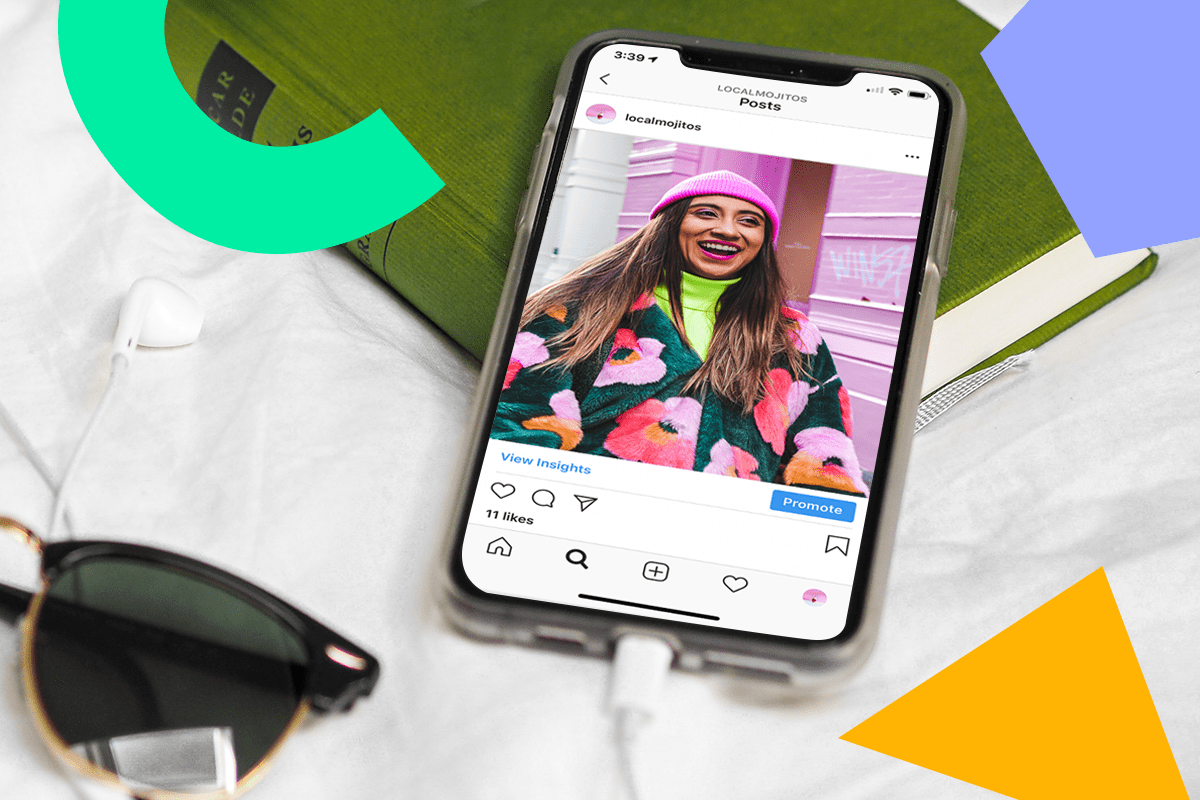
The eight basics should be treated like a checklist. Each item should be made into measurable habits that can grow over time.Key areas to focus on are: setting the right profile signals, validating a specific niche, making your profile easy to find, creating testable content, using short product demos, building repeatable ways to engage, choosing programs you can analyze, and being transparent. Once these foundations are in place, you can begin using specific tactics this week.
1. What profile settings actually move the needle?
Start with the profile fields that most people overlook and make them work for conversions. Include a primary keyword in your username and a secondary keyword in the name field so both appear in search results. Add a conversion-focused CTA button, such as Book or Shop.Connect the account to a Facebook Business Manager to get product tagging and creator analytics. Use the professional dashboard to enable shopping, affiliate tools, and payout setup so you are ready when a brand wants to tag you.
These small setup changes boost business signals and visibility because audiences follow businesses at large. According to Over 80% of Instagram users follow at least one business account — Instagram Business Insights, this is why credibility cues are essential from the start.
2. How can you validate a niche without wasted effort?
If your niche is too broad, testing can take a very long time. To validate effectively, run three small experiments within 30 days: a product comparison carousel, a 20-second reel showing one use, and a story poll that asks your followers if they would pay for the solution. Use hashtag clusters, conduct a competitor gap analysis, and allocate a simple ad budget of $50 to determine which format drives the most clicks and conversions.
Treat the results as decision rules rather than opinions: focus on the angle with the highest click-to-link rate for 90 days, and drop the others. This organized approach transforms hobby posting into reproducible market tests and is essential, given that discovery behavior prefers product-focused formats on the platform. According to 83% of Instagram users, discovering new products and services on the platform is essential (Instagram User Behavior). Using these insights can significantly improve visibility.
3. What profile SEO and link tactics actually convert?
When you optimize for search and tracking at the same time, you can avoid guessing which posts helped make sales. Use the name, bio, and highlight titles as keywords for real estate. Create two-line micro-bios that explain the primary benefit and the action you want your audience to take.
Instead of just one generic Link-in-Bio, use two short links. One link should point to a conversion-focused landing page with a clear single offer, and the second should track all affiliate clicks using UTM parameters. Also, add alt text to product images with intent keywords, and pin three posts focused on conversions so new visitors can easily see buying signals without scrolling.It’s important to track conversions for each post instead of just clicks. You should also think about removing posts that are not performing well each week.
4. What production details lift conversion rates the most?
Low production value loses viewers' attention in under two seconds. To improve conversion rates, focus on a few technical enhancements that consistently yield results. Use a clean three-point lighting setup or natural window light.Shoot at 1080p and create thumbnails featuring a close-up image and a concise text hook. For captions, include a brief 1-2 sentence opener that states the benefit, a short proof point, and an explicit call to action (CTA). Run simple A/B tests by swapping the thumbnail or CTA on a top-performing reel for seven days, then compare click and conversion rates.
Approach content creation like a testing lab rather than an art project; the most effective creative is the one that reliably encourages viewers to click.
What solutions help manage affiliate marketing tools effectively?
Most creators manage links, mockups, and campaign notes with different tools because they're familiar and don’t require switching platforms. This method may work when there’s just one program and only a few posts. However, as the number of posts increases, spreadsheets can become messy, UTM parameters may not align, and attribution can become confusing. This leads to lost commissions and wasted time.Solutions like Crayo help centralize link management, automate attribution across programs, and track creative assets. This allows teams to maintain context and shorten reporting from hours of checking to just a few minutes.
5. How should you use Reels and UGC formats to sell?
Product trust comes from believable demonstrations, not flashy advertisements. Use three easy reel templates: a quick unboxing with a clear call to action (CTA), a before-and-after demo, and a short user testimonial clip.Keep most product reels under 30 seconds, start with a 1-2-second visual hook, and add on-screen captions for viewers who watch without sound. When you hire creators for User-Generated Content (UGC), provide a 30-second brief with the exact shots you need, a usage license, and a short list of product facts so the output feels authentic and can be reused. Record 10 microclips for each product so you can change thumbnails and CTAs without rebooking creators.
6. What Engagement Flows Actually Predict Purchases?
Engagement is not just about popularity; it's a measure of how well you connect with people.Start by creating a DM funnel that begins with a public story CTA.This will save replies to product questions and end with a tracked shortlink or coupon code.Use story swipe-ups or link stickers to guide interested users to a simple, mobile-friendly landing page that collects email addresses and shows purchase intent.
Keep an eye on save and share rates as leading indicators for conversion. If someone clicks but doesn't buy within 48 hours, follow up with a two-step email sequence.These small automated touches can help turn skeptics into buyers without requiring much additional manual effort.
7. How do you pick affiliate programs you can scale?
When selecting affiliate programs to scale, think about more than just the commission rate. Consider factors such as cookie length, conversion frequency, average order value, and promotional limits. Whenever possible, request EPC or past conversion data. Avoid programs with strict creative rules that make it difficult to provide honest reviews.It's also a good idea to negotiate performance targets in advance; suggest specific goals, such as reaching X sales in 90 days to earn a higher commission. Additionally, use a combination of direct brand partnerships and networks. This helps you compare actual EPCs and focus on partners that deliver reliable returns.
8. Where and how should you disclose sponsored content precisely?
Honesty is a legal requirement and helps build trust. You should include a clear disclosure within the first two seconds of the video and in the first line of the caption. Use Instagram’s paid partnership tag when needed.Keep a record of every sponsored post, mentioning the agreement terms, publication date, and the tracking method you used. This way, you can check payments against affiliate dashboards. Use short, direct language like "Paid partnership, I may earn a commission," and don't hide disclosures at the bottom, where followers might not see them.
Related Reading
- How To Sell Merch On Instagram
- How To Sell Jewelry On Instagram
- How To Sell Products On Instagram
- What Are Instagram Badges
- Does Instagram Pay Creators
- What Is Exclusive Content On Instagram
- Affiliate Programs For Instagram
- How Does Instagram Live Work
- How To Make Money As A Photographer On Instagram
- Instagram Dropshipping
12 Instagram Affiliate Marketing Content Ideas for Beginners
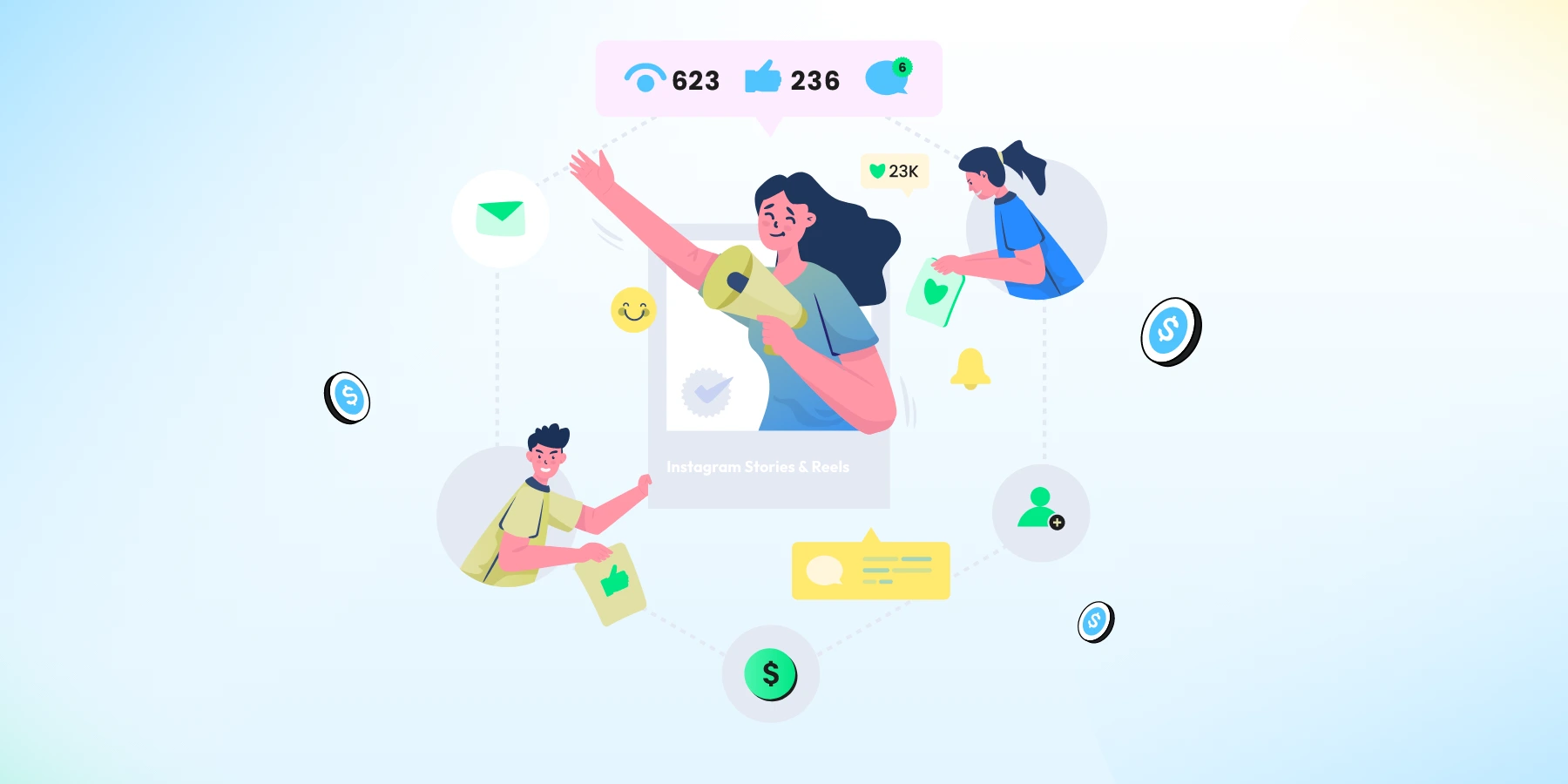
Use these 12 Instagram formats as practical guides, not just vague concepts. Each item below provides a specific creative pattern, a clear spot for affiliate links, and a single metric to measure performance.
1. Product Reviews
Create a reusable review template. This template should include a short visual demo, a one-line use case, and a measurable test metric, such as duration or battery life. After that, include a brief slide with pros and cons, followed by a call to action.For Instagram, convert that template into a catchy Reel hook, create a lasting carousel with image proof, and create a saved Guide to store the affiliate link, ensuring it works well over time. Keep track of the click-to-purchase rate for each format, treating the review as an experiment you can improve each week.
2. Product Comparisons
Create a 3-card comparison matrix carousel that starts with the central question your audience has, like, “Which cheap wireless headphone lasts longer?” Use the same visual legend for features, price, and the user scenario where each product works best. Also, make a short video that answers this question with the same comparison.Then, an A/B test to determine which call-to-action wording gets more clicks: “Buy this” versus “See the winner.” Make sure to track the conversion rate for each product, not just the clicks.
3. Knowledge-based Videos
Knowledge-based videos should consist of scripted micro-lessons that address a single, specific problem in 30 to 90 seconds. Each video should mention one product naturally, positioning it as the quickest way to achieve the desired result. Adding timestamps and a clear affiliate link in the guide or bio link will help long-form learners convert later. Also, recycle every video into a carousel summarizing the lessons for followers who prefer reading.
4. How-to Articles (Instagram-native)
How-to Articles on Instagram should present content effectively. Package this information by converting long instructions into saveable carousels and a companion Guide. Each slide should focus on one actionable step and one recommended product.
The final slide can serve as a checklist that viewers can screenshot. It's also essential to include the affiliate link in the Guide and your bio to ensure the content supports both discovery and conversion funnels.
To gauge effectiveness, measure saves and link click-through rates as leading indicators of future purchases.
5. Tutorial Videos
Tutorial Videos: Structure tutorials around a live result rather than focusing solely on features. Start with an engaging before-and-after comparison. Show the exact steps involved, and then finish with a strong call to action: “Where to get it,” and include a tracked link.To drive higher conversions, add a pinned comment or a Guide link that includes the affiliate URL and a short, one-line coupon code. It's important to measure conversion time by tracking how many viewers click the link within 24 hours of publication.
6. Educational Webinars
Use a webinar as a conversion engine by creating short pieces of content before the event that highlight a single key takeaway. Present the product as a real-life example of that takeaway.Collect email addresses during registration and follow up with a short, timed offer that includes an affiliate link and a clear scarcity element. Measure webinar-to-sales conversion rates and continue improving the pre-event content that drives signups.
7. Gift Guides
Create niche gift clusters focused on a single theme. For example, use “Under-$50 maker tools.” Make sure to use a consistent image style and include a brief rationale for each item. This will make the guide easier to read.Pin the guide and share it in Stories, using a highlights reel. Test whether using urgency language, such as “limited stock” or “editor pick,” increases click-throughs.
8. Longform Guides
Convert a detailed guide into a series of Instagram posts. Start a multi-slide 'chapter' each week, and keep a single Guide as the main hub with all affiliate links and a short email sign-up. Use this hub to find out which chapter gets the most clicks. After that, think about turning the best angle into a paid lead magnet if it deserves more promotion.
9. Seasonal Content
Seasonal Content: Make a 90-day seasonal calendar and create content that can be easily updated each year. For each seasonal post, run a mini-test with two thumbnail versions or two CTAs; keep the one that performs best over time. Additionally, track whether updates to seasonal posts continue to attract viewers after the busiest period. Consider how our clip creator tool can help you easily generate engaging seasonal content.
10. Case Studies
Case studies should be formatted as concise success stories that include the following key elements: the problem, the intervention, the measurable outcome, the product used, and a direct link. Using customer-supplied photos or short clips can enhance credibility. Include one clear metric, such as minutes saved per week.This way, the case study can serve as both social proof and a measurable test for the affiliate offer. Additionally, leveraging our clip creator tool can streamline the process of presenting these outcomes effectively.
11. Coupon or Deal Pages
Build a mobile-first deals landing page linked from your bio, using a single tracked URL per campaign. Display the coupon code or time window clearly; include a small proof point, such as “X people bought this week.” Test if countdown timers or simple scarcity messages improve conversion rates.Keeping the landing page lean helps clicks turn into purchases faster.
12. Social Media Content
Social Media Content: Create three content pillars for Instagram and schedule them to repeat. This approach ensures your feed signals reliability to both followers and the algorithm. During a 30-day pilot using category-based AI scheduling, the cadence remained consistent at five posts per week.As a result, saves increased by 18 percent, transforming inconsistent posting into predictable traffic. Utilize analytics to evaluate which pillar generates the most affiliate revenue, rather than merely focusing on engagement.
What are some rules for placement and tracking?
Status quo disruption occurs when most creators track links and campaign notes in spreadsheets. This method, even though it’s common, quickly becomes ineffective as teams add more partners, different creative ideas, and attribution needs. These problems can lead to missed commissions and wasted time.Solutions like Crayo help by bringing link management together, automating attribution across programs, and reducing reconciliation time from hours to minutes. They also ensure that creative assets remain versioned and searchable.
What strategic copy and visuals can increase conversion rates?
Practical placement and tracking rules should apply to all formats. Always use a unique UTM for each post and a short branded link for bio traffic. This method helps you link revenue to a format rather than guessing. The primary CTA should appear on the first slide or within the first three seconds of the video.The link should also be included in both the Guide and the bio to ensure discovery and conversion work together effectively. Each new format should be tested for 30 to 90 days, checking conversion for each post. After that, focus on the top 20 percent of revenue contributors.
Use bright copy and visual tricks to boost conversion rates. Begin with a real problem in the first line, then show the result.Use close-up product photos with a single text overlay explaining the benefit rather than just the feature. Also, provide micro-proof, like one user’s specific outcome. This method gives the audience an apparent reason to click.
What is the market signal for influencer marketing?
A notable market signal: according to Business Insider, influencer marketing on Instagram is projected to reach $10 billion by 2025, according to Statista.
This momentum makes disciplined testing and tracking non-negotiable for those looking to grow beyond just luck.
Most creators overlook the connection between creative reliability and revenue predictability. This gap is where many either work hard for months or create a system that pays off.
While this might sound like the start of a payoff, the catch that comes next is what most creators never expect.
Turn ideas into viral shorts in seconds.
Yes, you can grow on Instagram and TikTok without spending much time on editing. The key is to turn your ideas into a steady stream of short videos, making affiliate marketing on Instagram for beginners easier and more effective. Crayo provides a solution by turning one idea into ready-to-post Reels.These include automatically generated captions, effects, music, and clips that you can easily export. This helps affiliate marketers, faceless pages, and side hustlers post more content, test offers quickly, and grow with less technical hassle. Check out the clip creator tool.
Related Reading
- How To Make Money As A Content Creator On Instagram
- How To Do Affiliate Marketing On Instagram
- How To Sell Art On Instagram
- How To Earn Money From Instagram By Posting
- How To Drive Traffic From Instagram
- How To Sell Digital Products On Instagram
- How To Sell Clothes On Instagram
- How To Set Up Instagram Shop
- Best Instagram Accounts To Follow