


You work late sourcing niche products, testing ad creative, and editing short clips, yet conversions stay flat, and your store barely breaks even. On feeds of Best AI Instagram Accounts, some creators use simple AI tools to turn trends into steady sales, which can be frustrating.
Instagram Dropshipping now sits where ecommerce, influencer marketing, product research, and social commerce meet, and short videos like reels and TikToks drive discovery and orders. Want a straightforward way to create viral reels and TikToks with AI and turn views into customers?To help, Crayo's clip creator tool accelerates editing, suggests stronger hooks, and repurposes footage so you can create attention-grabbing reels and TikToks faster and test products with confidence.
Summary
- Start with tight product sets, not giant catalogs: the fastest wins came from three-product launch tests and keeping initial SKUs to three to five while testing creatives for three to seven days.
- Platform scale and engagement matter. Instagram reaches over 1 billion monthly users, and posts have an engagement rate of 4.21%, roughly 10 times higher than Facebook's, so on-platform storefronts can quickly reach category buyers.
- Creative must communicate value almost instantly, with videos showing the product solving a problem in the first two to three seconds and thumbnails needing to convey the single benefit in about 0.5 seconds.
- Manual supplier coordination and spreadsheets work at a pilot scale but break as orders rise, creating exceptions that lengthen resolution cycles from days to hours unless you automate routing and exception handling.
- Treat ads like experiments, not superstition: allocate around 60 percent of test budget to creative discovery and 40 percent to scaling, hold a fixed 14-day learning window, and require consistent conversion signals over seven days before calling a winner.
- Customer trust hinges on predictable operations; for example, 80 percent of Instagram users follow at least one business. Hence, publishing clear timelines, such as "ships in 7 to 12 business days," and automating three post-purchase messages reduces avoidable support tickets.
- This is where Crayo's clip creator tool fits in: it accelerates content velocity by turning one-line prompts into Instagram-ready short videos with captions, effects, and music in minutes, so teams can test creatives faster.
How Does Instagram Dropshipping Work

Instagram dropshipping pairs inventory-free order fulfillment with Instagram-first storefronts and content, letting you sell curated products without holding stock while suppliers ship directly to customers. The play is simple: pick vetted SKUs, build a shoppable Instagram presence, drive demand with conversion-focused creative, and automate order routing so fulfillment happens without manual bookkeeping.
1. Product curation and niche selection
When we ran rapid pilots, the fastest wins came from tight niches and a three-product launch test, not giant catalogs. Choose products with clear on-screen benefits, predictable margins after ads and shipping, low return risk, and short supplier lead times. Limit initial SKUs to three to five, test creatives for three to seven days, then scale winners. Think of this as selecting merchandise for a single high-traffic display in a mall, not stocking every aisle.
2. Supplier vetting and catalog integration
This pattern appears across creators and small shops: sourcing by price alone fails once fulfillment variability hits. Verify suppliers using sample orders, documented average shipping times, live inventory sync options, return windows, and a traceable dispute process. Prefer suppliers offering API or reliable CSV feeds so product attributes, images, and stock transfer automatically into your storefront and reduce manual errors.
3. Storefront setup and Instagram-native checkout
If you want the lowest friction path, use Instagram Shop and product tags where available; when native checkout is restricted, deploy a conversion-optimized link-in-bio storefront that mirrors Instagram visuals and copy. That scale matters; over 1 billion people use Instagram every month. Instagram Statistics 2025 (2025) explains why building on-platform can reach category buyers quickly. Keep product pages short, mobile-first, and pre-filled for one-tap checkout to minimize dropoff.
4. Content strategy and creative production
Low-converting posts usually fail because creatives don’t show the product solving a problem in the first three seconds. Use short demo videos, authentic user clips, and single-benefit hooks; test headline variations and thumbnail frames. Build repeatable creative templates so production moves from idea to publish in hours, not days. Swap messaging between pain-focused and aspirational hooks to see which aligns with purchase intent.
5. Audience building and organic engagement
Organic traction still pays when you treat followers like customers, not metrics. Users expect businesses on Instagram, which helps conversion: 80% of Instagram users follow at least one business. Instagram Business Insights (2025) shows why active business profiles are accepted behavior. Use consistent posting cadence, story funnels to capture DMs, and saved highlights for FAQs and shipping policies to lower friction before checkout.
6. Paid ads and conversion tracking
After testing prospecting and retargeting funnels across accounts, the consistent win was short-form prospecting creative that funnels to a retargeted carousel with social proof. Install pixel/webhook tracking, tag creatives with UTMs, and measure purchases by cohort. Run creative A/Bs in parallel and pause losers quickly; your early ad spend should prioritize creative learning over doubling spend.
Most teams assemble storefronts, suppliers, and fulfillment with spreadsheets because it feels familiar and cheap. That works at first, but as orders increase, email threads and manual routing create shipping errors, missed refunds, and reduced margins. Platforms like Crayo, the client’s Instagram-native dropshipping tools, centralize supplier catalogs, automate order routing, and provide plug-and-play storefront templates, compressing setup time from days to hours while keeping fulfillment auditable.
7. Order routing and automated fulfillment
Spreadsheets and manual emails work for pilot volume, then fail when scale introduces exceptions. Automate order routing to suppliers, push tracking numbers back to customers automatically, and handle partial shipments with clear status updates. Ensure the system can retry failed orders, surface supplier exceptions, and pause SKUs if a supplier reports stockouts.
8. Shipping, tracking, and returns management
Customers expect transparent timelines and easy returns. Publish realistic delivery windows, include tracking in post-purchase messages, and centralize returns with a self-serve portal that ties back to suppliers. Offer clear refund windows and restocking rules to protect margins, and log return reasons to spot product quality issues early.
9. Pricing, margins, and fees
Work backward from the target net margin after ads, shipping, platform fees, and refunds. Aim for a minimum viable margin that covers one complete ad learning cycle, then optimize with price anchoring, bundles, and threshold-based shipping offers. Don’t confuse low price with velocity; a higher price with clear benefit often produces healthier lifetime value.
10. Customer service and reputation
Fast, honest responses protect both repeat business and your account standing. Use templated replies for common questions, automate shipment notifications, and escalate disputes to suppliers with documented evidence. Solved well, customer service becomes a conversion lever; solved poorly, it kills repeat purchases and invites policy enforcement.
11. Compliance, taxes, and platform policies
Treat platform rules, sales tax, and customs as operational constraints, not afterthoughts. Map tax obligations by destination, exclude prohibited items proactively, and maintain clear product descriptions to avoid claim disputes. When regulations change, rapid updates to product listings and shipping disclosures prevent account suspensions.
12. Analytics and iterative optimization
Track conversion rate by creative, cost per acquisition by channel, and refund rate by SKU. Run cadence-based experiments: one creative swap per test and a fixed 7-day window. Use cohort LTV to decide whether to scale acquisition channels or double down on retention offers. Iteration should be surgical, not scattershot.
That framework helps you reach your first sales, but the next phase raises questions that seem bigger than they are.
Related Reading
- Best AI Instagram Accounts
- Can You Sell On Instagram
- How Much Money Can You Make On Instagram
- What To Sell On Instagram
- Is It Legal To Sell On Instagram
- How To Promote A Book On Instagram
- How To Do Collaboration On Instagram
- How To Sell Directly On Instagram
- How To Get Clients On Instagram
- How To Get Approved For Instagram Shopping
- How To Sell Things On Instagram Without A Website
- How To Sell Earrings On Instagram
Challenges of Instagram Dropshipping
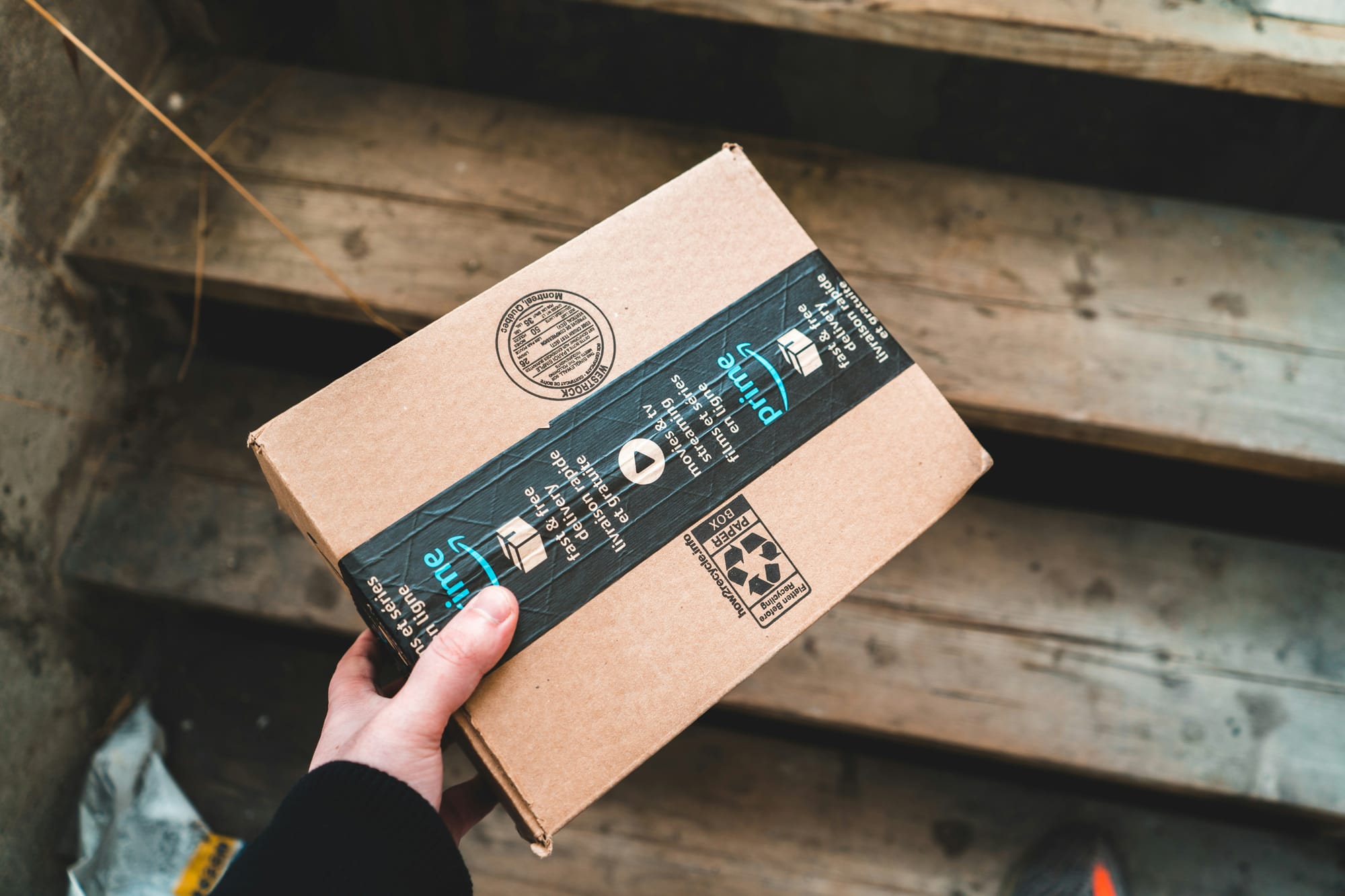
Instagram dropshipping is full of real operational and emotional friction: you face fierce rivals, visual demands you may not be ready for, and fragile supplier relationships that can undo a good campaign overnight. Below, I list the six core challenges you must manage, each reframed as a practical obstacle with concrete failure modes and what that pressure feels like in the day-to-day.
1. High competition
This is a market with a tiny barrier to entry and huge noise, so copycat stores and identical product listings proliferate fast. The predictable failure mode is commodity collapse: once a creative angle scales, dozens of sellers crowd in, CPMs and cost-per-acquisition climb, and margins erode. That creates a pressure cooker for creators, where you either outspend on ads until you burn cash or differentiate with a brand voice and distribution that most new sellers lack the patience to build. The emotional cost is real: founders feel like they are shouting into a crowded market and losing money while competitors undercut on price.
2. Dependency on visual appeal
Pattern recognition across accounts shows this consistently: polished imagery without storytelling converts poorly. Instagram rewards short, visceral visuals that show a product solving a problem in the first two to three seconds. That expectation forces a steady pipeline of photos, short-form videos, captions, and thumbnails. Because Instagram’s engagement dynamics favor visual interaction, and according to the 2025 Social Media Engagement Report, Instagram's engagement rate is 4.21%, which is 10 times higher than Facebook's, creative quality is not optional. The typical breakdown is either investing too little and getting ignored or overproducing inconsistent assets that dilute your identity.
3. Limited control over the supply chain
Problem-first: dropshipping outsources the most critical customer touchpoints to partners who prioritize throughput, not your brand experience. Suppliers will report stock, ship differently from their listings, or change packaging without warning, and those exceptions compound as order volume increases. That unpredictability manifests as one-off refund tickets that take hours to trace, angry DMs, and public complaints that harm conversion momentum. The reliable safeguard is redundancy, SLAs, and regular sample buys, but most sellers skip those steps because they cost time and upfront cash.
Platforms like Crayo are an alternative many teams find helpful here. Most teams run supplier coordination through spreadsheets because it feels familiar and low-cost, which works at a pilot scale. As orders rise, exceptions multiply across threads and spreadsheets, creating delays and lost context. Platforms like Crayo centralize supplier catalogs, automate order routing, and surface exceptions, compressing the time spent resolving a fulfillment error from days to hours while keeping full audit trails.
4. Paid advertising costs
Confident stance: buying demand on Instagram is efficient until everyone else decides the same. Competition for placements and limited inventory push CPMs higher in hot niches, and the hidden line items kill margins: creative fatigue, attribution uncertainty, returned orders, and incremental support costs. The emotional pattern I see is stress: teams watch CAC creep up and react by changing creatives too quickly, which prevents learning and wastes budget.
Remember that many users expect businesses on Instagram—Instagram Business Insights, 2025finds 80% of Instagram users follow at least one company—so ad inventory carries intent. Still, it also faces competition from advertisers that drives prices.
5. Constant algorithm changes
Constraint-based: algorithm-driven discovery works when you have consistent formats and stable hooks, but it falters when platform signals change or when the system rewards novelty over consistency. The immediate failure mode is volatility in organic reach, which causes overreliance on paid funnels to fill shortfalls.
Teams burn time chasing every tweak; that creates churn in tactics rather than durable skills in creative messaging. The healthier approach is building repeatable creative systems and owning first-party channels so you are not at the mercy of a single feed update.
6. Potential customer trust issues
Pattern recognition: trust breaks when the post-purchase experience contradicts the promise in your creative. Slow shipping, inconsistent packaging, and opaque returns are the usual culprits. Trust is repaired through predictable timelines, transparent tracking, clear return policies, and social proof that is easy to verify.
Emotionally, customers respond more to transparency than fancy assurances; a simple, honest delivery estimate often calms a skeptical buyer more than a polished ad. The typical mistake is treating trust as a marketing checkbox rather than an operational priority, which turns infrequent shoppers into lost customers.
A short analogy to hold this together: running Instagram dropshipping without these safeguards is like trying to run a pop-up store on a freeway median, where cars pass fast, conditions change without notice, and your staff is expected to fix every unexpected problem instantly.
That frustrating part? This list is practical, but it still misses the one operating assumption that breaks most stores.
6 Expert Tips for Successful Instagram Dropshipping

You can overcome dropshipping friction by treating each weakness as an operational process to be hardened, not a creative whim to hope will work. Tackle identity, innovative operations, customer-facing clarity, ad science, format diversity, and social proof with repeatable playbooks, measurable gates, and simple escalation rules so growth does not rely on guesswork.
1. How do you turn brand work from cosmetic to decisive?
Translate your brand into three concrete rules everyone follows, for example, 1) one emotional promise, 2) one color palette, and 3) one headline rhythm. These rules serve as templates for captions, thumbnails, and packaging copy, ensuring every asset reinforces the same idea without requiring a rebrand each time.
Build a one‑page Brand Playbook that lists your ideal customer, their micro-moment (what they want in the first 3 seconds), a banned-words list, and two approved photography treatments. Use that playbook to pre-approve ad creatives so scaling means more buys, not more debates.
Pattern insight: consistency reduces creative churn. When we ran a focused six-week brand sprint with a creator, enforcing three visual rules, cutting revision loops, and speeding up new ad launches by roughly half by making approvals less subjective.
2. What production system keeps visuals fast and high-quality?
Build a two-tier creative system, one for short, high-energy spots and one for static lifestyle assets, each with its own batching cadence. Produce reels in weekly blocks and statistics in monthly shoots to control costs and keep a steady supply of fresh thumbnails.
Create templated shot lists and motion frames, so videographers and remote UGC creators know exactly which angles, captions, and CTAs to capture. This converts ad creative into an assembly line, not a bespoke studio exercise.
Use a single KPI for creative readiness: if a thumbnail does not communicate the single benefit in 0.5 seconds on mute, it fails fast. That filter saves ad spend and forces clarity.
3. How should you communicate product realities without killing desire?
Publish precise, short shipping and return copy in the first line of your product caption and in the first post-purchase email. Make the timeline and a single next step obvious, for example, "Ships in 7–12 business days, tracking emailed within 48 hours." Clear expectations prevent support tickets and reduce refund rates.
Script the three most common post-purchase messages and automate them: order confirmation, expected ship date, and a progress update with tracking. These three messages alone eliminate most avoidable DMs.
Emotional note: It’s exhausting when customers escalate simple delays. Honest, predictable messaging calms buyers faster than discounts and keeps your CAC meaningful.
4. How do you run ads like an experiment, not a superstition?
Allocate your creative test budget by ratio, for example, 60 percent toward creative discovery and 40 percent toward scaling winners, and lock that split for a fixed 14-day learning window. That prevents panic-driven scaling when the algorithm initially favors novelty.
Define statistical gates before testing. Stop guessing. Require a minimum sample size and consistent conversion signal over 7 days before calling a creative a winner; treat early spikes as hypotheses, not truths.
Use cohort logic for scaling: increase spend only on creatives that improve 7‑day ROAS for customers acquired through the same funnel, not on vanity CPM dips. This ties ad spend to predictable economics instead of chasing short-term clicks.
5. Why should you vary ad formats instead of betting on one?
Set a rotation schedule: days 0 to 3 use short reels to build curiosity, days 4 to 10 use a carousel that addresses objections, and days 11 to 20 use UGC testimonial clips to seal the purchase. Each format serves a different stage in the micro-funnel and reduces creative fatigue.
Track format-specific KPIs, for example, view-to-add for reels and add-to-checkout for carousels, and optimize formats separately rather than comparing apples to oranges. This prevents killing an otherwise strong signal just because the wrong KPI was used.
Constraint rule: when your budget is below a set threshold, prioritize formats with the highest likelihood of measurable action, usually carousels and story taps, until you can fund broader experiments.
6. How do you collect honest social proof without faking credibility?
Seed early orders with an onboarding task: after delivery, send a brief, timed message asking for a one-line review, a photo, and permission to use the media in ads. Offer a small store credit for the content, not as a discount on the same order, and you preserve margin while building a library of usable proof.
Curate a "living proof" folder with short clips, two-line reviews, and screenshots, each tagged by product, geography, and shipping outcome. Use this when you change creatives so the proof aligns with the hook and the expected delivery promise.
Trust insight: when customers see precise, verifiable details in reviews, their skepticism drops faster than with generic five-star quotes; specificity beats polish.
Most teams coordinate creative approvals, supplier notes, and fulfillment details through ad-hoc channels because those methods feel familiar and low overhead. That familiarity hides a steady tax: lost context, duplicated work, and slow iteration when things break. Platforms like Crayo centralize storefront templates, automate order routing, and link creative assets to specific SKUs, reducing exception resolution time from days to hours and keeping creatives aligned with actual fulfillment status.
A quick operational tip you can use tonight: pick one recurring failure in your funnel, document the step-by-step fix as a two-sentence SOP, and assign it to someone with a 24-hour SLA; repeat until escalations stop being surprise fires.
Over 1 billion people use Instagram every month. Instagram's engagement rate is 4.21%, which is 10 times higher than Facebook's.
That sounds like progress, until you see how many stores lose momentum when they try to scale without these playbooks. The next piece digs into inspiration that shows what disciplined execution actually looks like.
Related Reading
- How To Sell Merch On Instagram
- How To Sell Jewelry On Instagram
- How To Sell Products On Instagram
- What Are Instagram Badges
- Does Instagram Pay Creators
- What Is Exclusive Content On Instagram
- Affiliate Programs For Instagram
- Affiliate Marketing On Instagram For Beginners
- Instagram Dropshipping
Best Instagram Dropshipping Accounts for Inspiration

The best Instagram dropshipping accounts for inspiration are practical playbooks in motion, each teaching a distinct creative or conversion habit you can copy and adapt. Below, I list ten accounts, rephrased and explained, so you can capture the signal, not the noise.
1. @notebooktherapy
A stationery brand that treats every post like a small scene, with calm color palettes and lifestyle shots that feel lived in. Notice how they stage everyday use, then add a single line of functional copy that turns mood into motive, which is perfect when you want product pages and captions to match instantly. For a creator launching fast, their approach shows how a predictable visual rule set reduces creative churn and raises perceived value without more complex selling.
2. @kawaiipen
This niche shop uses repetition and constrained color families to build instant recognition, so a scroll-stopper becomes identifiable in a fraction of a second. Their product frames are simple, often shot against the same backdrop, which helps small teams batch shoots and keep production tight. Copy takeaway: lean into a single visual signature and repeat it until fans recognize the product before reading the caption.
3. @meowingtons
Comedy-first merchandising, with product placement woven into jokes and memes, makes shopping feel playful instead of transactional. They use timing and punchlines to reduce purchase resistance, showing that entertainment-first content can still drive checkout when paired with clear product tags and an easy checkout path. If you want followers to convert, study how they anchor humor to a single, shoppable object in the frame.
4. @catsoncatnip
They leverage viral pet formats and add captions that invite micro-interactions, such as fill-in-the-blank lines and short polls. That tactic keeps comments high and provides small stores with inexpensive social proof you can reuse in ads and on product pages. Practically, this is a low-cost way to collect authentic reaction clips and short quotes for UGC queues.
5. @amazinglycat
Community-centered posting, with regular giveaways, reshared buyer content, and clear prompts to tag friends, keeps engagement steady and multiplies reach without paid spend. Their posts double as discovery hooks and proof engines, because followers who win or are featured become repeat promoters. For tight-margin SKUs, this is a smart way to expand reach without diluting price.
6. Status quo, hidden cost, and the bridge
Most teams stitch creative approvals and supplier notes together through email and DMs because that feels quick and familiar. That approach works at first, but as volume grows, context gets lost, shipments mismatch creatives, and resolution cycles stretch from days to hours, eroding conversions and trust. Platforms like Crayo centralize catalogs, automate order routing, and link creative assets to exact SKUs, compressing exception handling while keeping your storefront and content aligned.
7. @bluecrate
A broad novelty account that leans hard on short-form video styles and trending edits to surface low-cost, impulse items. Watch how they adapt viral audio, split-second hooks, and quick punchlines to highlight a single utility or joy point, then drop a prominent CTA. This is a template for rapid creative testing when you need cheap signals about what sells.
8. @footiessocks
Minimalist product focus, consistent framing, and direct calls to action make this account a lesson in clarity. They avoid overstorytelling and instead use crisp, repeatable shots that show the benefit plainly, which helps conversion when view-to-add metrics measure ads. If you need a baseline creative that reliably converts, their feed is a reference for restraint.
9. @freshjuiceblender
They use short demos that show the product solving a micro-problem in context, often with a single-camera take and clean overlays explaining one benefit. Those micro-demos convert because they remove ambiguity, and they are inexpensive to reproduce at scale. For stores selling functional goods, this is the easiest path from curiosity to checkout.
10. @hygo
Trend-driven account that favors rapid edits, fast pacing, and clear problem-solution hooks to ride platform momentum. Their cadence shows why having a fast production loop matters: move from idea to posted reel in a day, then iterate based on comments and saves. This teaches teams to trade perfection for velocity when testing demand.
11. @themellowdog
They blend lifestyle imagery with product mentions so the brand reads as a friend, not a storefront. The feed uses consistent tone, a steady set of on-brand locations, and candid captions that lower the social distance between buyer and product. For creators who want durable repeat customers, this offers a blueprint for turning one-time purchasers into habitual fans.
Why hashtags and business signals still matter here
When you design discovery content strategies, small decisions compound. According to Do Dropshipping, 80% of Instagram users follow at least one business account, and audiences are open to following brands, which makes consistent identity work pay off faster. Also, targeting formats around discoverability matters because Do Dropshipping reports Instagram posts with at least one hashtag average 12.6% more engagement, so simple tagging rules can lift organic reach without extra spend.
Tactical steps you can copy tonight
Start by picking one account behavior to mirror for a week, not a whole strategy. Batch-create three short demos in the style of the accounts above, tag them with two relevant hashtags each, and schedule them at the same time daily for five days to see which hook gains traction. That small experiment gives you real creative signals to scale from.
That pattern of copying one habit, measuring, and then iterating is how good accounts become great at converting followers into customers, and the next piece shows why the way you scale creative matters far more than the number of posts you publish.
Scale Faster with Automated Short-Form Videos
When we run an Instagram dropshipping store, the problem is not sourcing; it is keeping Reels and Stories full of fresh, high-quality shorts that actually convert. That edit-and-post loop fragments teams and drains ad dollars, so platforms like Crayo let you turn a one-line prompt into Instagram-ready shorts with captions, effects, music, and backgrounds in minutes. Try the free clip creator with no account, move from idea to publish in minutes, and keep your storefront fed while you scale ads and fulfillment.
Related Reading
- How To Make Money As A Content Creator On Instagram
- How To Do Affiliate Marketing On Instagram
- How To Sell Art On Instagram
- How To Earn Money From Instagram By Posting
- How To Drive Traffic From Instagram
- How To Sell Digital Products On Instagram
- How To Sell Clothes On Instagram
- How To Set Up Instagram Shop
- Best Instagram Accounts To Follow