
You post great content, but see few clicks to your site; turning attention into traffic takes a clear strategy and steady action. Many of the Best AI Instagram Accounts drive clicks by pairing short videos, strong calls to action, smart link-in-bio setups, and reels that drive viewers to a landing page. This article will show you how to drive traffic from Instagram to your website and create viral reels and TikToks with AI.
Crayo's clip creator tool makes those steps easier by turning long videos into trend-ready clips with captions and pacing that match what people watch, so your reels drive clicks and send visitors straight to your site.
Summary
- Instagram reliably drives meaningful site visits when content and links are optimized for it, accounting for 10% of all social media referral traffic (Sprout Social, 2025). This shows that visual storytelling and intentional funnels convert impressions into measurable clicks.
- Paid creative and precise targeting yield real actions, with 75% of Instagram users taking action, such as visiting a website, after seeing an advertising post, so sponsored posts plus creator partnerships can lower wasted spend and raise acquisition efficiency.
- Relying on a single static bio link rarely scales, because only 10% of Instagram users click on links in bios (Metricool, 2025), forcing teams to orchestrate Stories, DMs, and staged CTAs for repeatable traffic.
- Stories and direct outreach are practical traffic engines, especially once you hit native linking, since accounts with more than 10,000 followers see 15 to 25% swipe-up rates for Stories, and 10,000 followers unlock native Story links. Viral reach often brings attention, not intent, as typical engagement rates hover around 1% (Hootsuite, 2024), making smaller, niche audiences with tighter alignment more likely to achieve higher conversion rates per click. Discovery potential is significant but fragile, with 60% of people saying they discover new products on Instagram, yet inconsistent UTMs and manual link swaps turn that discovery into unmeasured or lost conversions unless tracking is governed reliably. This is where Crayo's clip creator tool fits in, converting long videos into trend-ready clips with captions and pacing that match viewer habits so reels are more likely to drive clicks to your landing pages.
Benefits of Driving Traffic From Instagram
Driving traffic from Instagram yields high-quality, intent-driven visits that are easier to convert and easier to scale than many other channels. It puts visual storytelling, precise audience targeting, and immediate action mechanisms in the same place, so your marketing dollars and creative effort work together rather than at cross-purposes. According to Sprout Social (2025), Instagram accounts for 10% of all social media referral traffic, indicating the platform reliably drives meaningful volume to sites when you design for it.
1. Visual appeal and engagement
Why visuals beat walls of text
Instagram is built for attention. When we ran a six-week product launch using carousel posts and short demo reels, we noticed the visual creatives held attention through the conversion funnel in ways plain links never did.
High-quality imagery and short-form video make people stop, and stopped users are far more likely to learn about an offer, click a link, or save content for later. That attention advantage translates into higher post-per-click engagement than many text-first channels, making it easier to turn impressions into site visits and conversions.
2. Targeted advertising
How precise targeting shrinks wasted spend
The platform’s ad controls let you target by location, age, interests, and behavior, so you reach the people who actually care. When teams match creative to tightly defined segments, cost per click and cost per acquisition decline as relevance increases.
Use sponsored posts to test messaging, then layer in creator partnerships for credibility; the combination reduces scatter and forces each dollar to work harder. In short, you buy fewer low-intent clicks and more visits that matter.
3. Driving traffic and conversions
Practical mechanics that send people from scroll to site
Instagram gives multiple paths to your landing page: link in bio, story swipe-ups or stickers, shoppable tags, and CTA buttons on ads. Design the path so the creative, caption, and landing page complete a single persuasive sentence.
When we coordinated story CTAs with a single landing page for a timed promotion, visits spiked during the story's run, and the conversion window tightened sharply. That responsiveness matches platform behavior, and it also explains why Sprout Social, 2025, reports 75% of Instagram users take action, such as visiting a website, after seeing an Instagram advertising post.
4. Building a community and fostering customer relationships
Why a returning audience changes everything
This is where Instagram stops being just a traffic source and becomes a revenue multiplier. Active engagement, thoughtful replies to comments, saved user-generated posts, and repeat story interactions turn one-off visitors into loyal buyers who click through without being hard-sold.
In practice, building that trust looks like daily micro-interactions: a quick DM reply, resharing a customer photo, or running a two-week giveaway that invites people to tag friends. Those small human moves keep your link-in-bio visits growing month to month.
Most teams continue to use a single static bio link and manual creative updates because it is familiar and straightforward. That works at the pilot stage, but as campaigns scale, link swaps, fragmented UTM tags, and inconsistent landing pages create measurement blind spots and lost conversions. Teams find that solutions like Crayo centralize link management, automate UTM assembly, and generate optimized landing pages, reducing the daily overhead of link updates from hours to minutes while keeping attribution intact.
5. Tracking performance and analytics
What to measure and how to act on it
Instagram Insights gives immediate signals: reach, saves, shares, and profile clicks. But raw metrics only help if you map them to outcomes. Treat profile clicks and story CTAs as leading indicators, then tying them to on-site conversion paths through consistent UTMs and short-term cohorts. That way, you can test creativity, swap underperforming variations within days, and stop sinking budgets into formats that do not move the needle.
6. Cost-effective marketing solution
How to get more with less
Because Instagram combines organic reach, creative testing, and paid distribution in one place, it lets you iterate faster and spend wiser. You can validate a product with a few boosted posts, scale winners into targeted ad sets, then convert those audiences with tailored landing experiences. That sequence lowers waste and shortens the runway from concept to profitable campaign, especially for teams that cannot afford large upfront media budgets.
Analogy to keep this practical: Instagram is a storefront window on a busy street, not a billboard at the edge of town. The people who pause at your window are already closer to buying, but the window needs arrangement, lighting, and a clear door to succeed.
That surface-level advantage is compelling, but the more complex questions—about audience size and how quickly effort turns into dependable traffic—get interesting next.
How Many Followers Do You Need for Driving Traffic From Instagram

You do not need a huge follower count to drive meaningful traffic. Focused content, repeated exposure through Stories and messages, and explicit CTAs create steady clicks; hitting 10,000 followers unlocks the native Story link, while industry baselines remind us engagement is often low, as shown by a 1% engagement rate.
1. Viral visibility versus conversion
Viral posts bring reach, not intent. The familiar pattern is a big burst of eyes, with few people actually clicking a link, because most viewers are entertained and not looking to act. That mismatch is why chasing a viral hit rarely builds repeatable website traffic.
2. Niche audiences send higher-quality visitors
When your followers are a tight fit for your offer, their clicks convert at a higher rate than broad, general audiences. Smaller, focused accounts produce fewer total clicks but more qualified ones, so your conversion per visitor improves even if raw reach stays modest.
3. Stories and DMs are the practical traffic engines
Repeated exposure through Stories, link stickers, and direct outreach generates the bulk of outbound clicks. Story sequences let you layer context and urgency, and DMs create a direct follow-up path that feed posts cannot match, so use them to warm intent and remove friction.
4. The chase-for-virality status quo, and a better path
Most creators assume the shortcut is a viral post because it feels efficient. That approach creates whiplash: unpredictable spikes, followed by long dry spells and poor attribution. Platforms like Crayo provide multi-link pages, scheduled Story posting, and automated UTM tagging, which move teams from hoping for one hit to running repeatable campaigns that conserve time and keep measurement intact.
5. Clear CTAs beat bigger audiences
A single, explicit instruction increases clicks more reliably than growing reach. Tell people exactly where to go and why now, then make the click path trivial. That tradeoff favors clarity over raw follower totals every time.
6. You can start small and scale link access
You do not need tens of thousands to begin driving traffic. Small accounts can use a single bio link, link stickers in Stories when available, and conversational funnels through DMs to convert interest into site visits; as you grow, native features like Story linking expand your options.
7. What follower counts actually mean for outcomes
Follower numbers are a rough proxy for potential reach, not guaranteed clicks. Think in terms of converting a predictable share of your active audience through repeat exposure and friction-free CTAs, not maximizing the number on your profile.
It’s exhausting when you watch a viral post fade without bringing customers, and hopeful when a steady sequence of Stories and DMs finally starts producing reliable clicks.
But the frustrating part? This isn't even the most complex piece to figure out.
Related Reading
- Best AI Instagram Accounts
- Can You Sell On Instagram
- How Much Money Can You Make On Instagram
- What To Sell On Instagram
- Is It Legal To Sell On Instagram
- How To Promote A Book On Instagram
- How To Do Collaboration On Instagram
- How To Sell Directly On Instagram
- How To Get Clients On Instagram
- How To Get Approved For Instagram Shopping
- How To Sell Things On Instagram Without A Website
- How To Sell Earrings On Instagram
Challenges of Driving Traffic From Instagram
Driving traffic from Instagram is challenging because the platform is designed to keep users scrolling rather than clicking. You can still move people off Instagram, but you must overcome structural limits, short attention windows, and a behavior gap between passive engagement and actual intent.
Why do clickable links feel so scarce?
1. Limited clickable links, made worse by user habits
Instagram confines direct links to a few places, and most people do not treat a bio URL like a call to action. According to Metricool (2025), "Only 10% of Instagram users click on links in bios." That stat explains why a single, static bio link rarely scales as a primary traffic source, forcing teams to orchestrate multiple touchpoints rather than rely on one hotlink.
How does the algorithm punish outbound-focused posts?
2. Organic reach shrinks when you try to send people away
The algorithm rewards time on the platform, so posts that look like exit ramps get less distribution. This pattern appears across content types and account sizes: engagement-first formats earn reach, while posts optimized to redirect users often perform worse, which means a direct-link post can be penalized before anyone even sees the CTA.
Why do high likes not mean high clicks?
3. High engagement, low conversion, is common
We see same-day examples where a video racks up saves and comments but produces few site visits, because most interactions are passive entertainment. Engagement metrics measure attention, not purchase intent; that emotional gap is why applause does not equal action.
What happens when content fades fast?
4. Content lifespan is brief, so clicks must be timed
Instagram content lives in a narrow window of visibility. Without repeated exposures, interest evaporates quick,ly and the click opportunity vanishes. Stories are one place this is different, in part because for larger creators they can still yield meaningful outbound action, as shown by [Metricool, 2025, "Instagram Stories have a 15-25% swipe-up rate for accounts with over 10,000 followers." That means sequence and timing matter far more than a single post.
Why do CTAs fail so often?
5. Weak or fuzzy CTAs leave people unsure what to do next
Generic prompts like "link in bio" are low work, low clarity. Click rates rise when you state a specific benefit, a short timeframe, and remove ambiguity about the landing page. Vague CTAs create friction by asking users to guess the next move.
Is your audience actually your customer?
6. Audience size does not equal alignment
Large followings mask a poor fit. When follower interests diverge from your offer, you get plenty of impressions and few qualified visitors. This mismatch creates false confidence and wastes creative effort on people unlikely to convert.
Do teams put their eggs in the wrong post type?
7. Over-reliance on feed posts limits results
Many creators post to the grid and expect traffic to follow. In practice, Stories, Highlights, pinned posts, and DMs often produce more predictable clicks because they let you layer context, urgency, and follow-up. Treat the feed as awareness, not the last step.
Where do users drop after they click?
8. Link friction makes clicks meaningless
Slow pages, confusing layouts, and weak value propositions destroy momentum after a click. Even a well-crafted CTA fails if the landing page does not answer the promise in the caption within five seconds. Reduce steps and load times before you chase more clicks.
Why does randomness kill scale?
9) Inconsistent content strategy breaks the funnel
Posting without a funnel, from awareness to trust to conversion, produces spikes and long dry spells. Repeatable traffic needs repeatable sequences, not one-off creative gambits.
How do you know what actually works?
10. Tracking and attribution are incomplete and noisy
Native analytics give signals, but not the whole story. Without consistent UTM taxonomy, short-lived link swaps, and consolidated dashboards, teams cannot tell which creative or CTA produced a visit, making optimization guesswork rather than a learning loop.
Most teams handle link changes and tracking manually because it is familiar and straightforward, especially when campaigns run fast. That approach works early on, but as campaigns multiply and UTM variants grow, link chaos creates attribution blind spots and wasted creative cycles. Platforms like Crayo provide centralized multi-link pages, scheduled link swaps, and automated UTM assembly, helping teams keep attribution intact and cutting the time spent managing links from hours to minutes.
When we map these challenges together, a familiar pattern emerges: tactics that win attention do not always create intent, and operational friction turns potential clicks into lost opportunities. That pressure feels exhausting, and it forces hard choices about where to invest creative effort and engineering time.
The frustrating part? This isn't the end of the problem; it is where the real work on scalable traffic begins.
How To Drive Traffic From Instagram to Your Website (14 Ways)
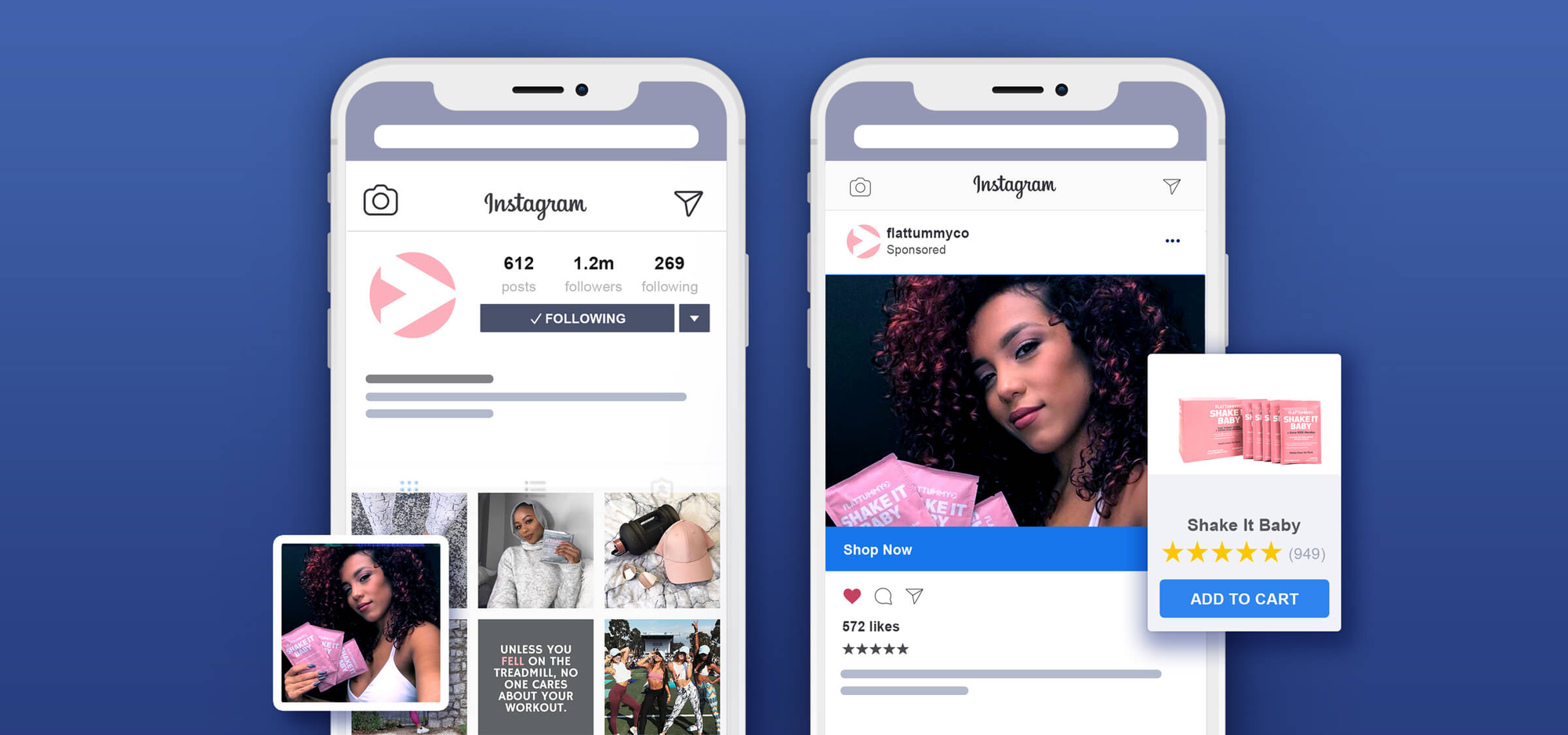
Driving traffic from Instagram is a practical choreography: position one clear link, design content that creates intent, and use measured nudges that move people from curiosity to click. Do those three things reliably, and you turn sporadic attention into steady site visits.
1. Focused bio link
Make the bio URL a single, purposeful doorway. Point it to a consolidated landing page with prioritized destinations and persistent UTM tags so every referral is traceable. Use descriptive anchor text on that page so visitors arrive knowing exactly what they’ll get, and swap destinations on a predictable cadence (for example, a Monday promotion change and a midweek resource update) so returning visitors find fresh value.
2. Stop saying “click my bio”
The platform penalizes obvious exit prompts. Instead of telling people to click the bio, give micro-actions inside the post, like “save this tip to use tomorrow” or “watch part two in Stories,” then surface the link in a follow-up Story or pinned comment. This keeps distribution healthy while still nudging users through a series of touchpoints.
3. Publish with purpose, not just frequency
Treat each post as a purposeful step in a funnel: awareness, interest, intent, conversion. Build a three-post arc for new offers—tease the problem, demo the solution, then present a low-friction next step—so repeat exposures convert better than one-off posts. For cadence, adapt by audience: smaller niche accounts win with thoughtful, momentum-building posts, larger accounts need predictable volume to test creative variables.
4. Use interactive formats to warm intent
Design polls, Q&A prompts, and sequenced Stories to move followers from passive viewers into participants. When you ask for a vote or pose a question, you convert attention into a small commitment that reduces friction for the eventual click. Structure follow-ups so the story naturally points to the resource you want them to visit.
5. Make story links look native and useful
Customize link sticker text to say exactly what the visitor gets, like “Download PDF” or “See sizes,” and match the visual framing to the story so the CTA looks like part of the experience. Add short overlays that summarize the value in one line so the sticker is an obvious next step, not an interruption.
6. Partner with the right creators
Match offers to creators whose audiences already need what you sell, then hand them a simple, goal-oriented brief: one hero image, one demo clip, one swipe-up destination with analytics. For paid and sponsored content, do the math before you buy: when you run ads or sponsored posts, remember that 75% of Instagram users take action, such as visiting a website, after looking at an Instagram advertising post. That potential is real, but it only pays when the messaging and landing page match.
7. Bookmark evergreen Stories in highlights strategically
Use Highlights as a mini navigation bar: “How it works,” “Shop,” “Reviews,” “Book.” Keep each highlight concise and up to date, and periodically replace content that references expired offers. Highlights act like a second homepage on your profile when arranged to mirror the customer’s logical path.
8. Rotate and audit bio links like inventory
Treat your bio as live inventory. Create a short checklist for each change: verify the destination loads under 5 seconds, confirm the CTA messaging matches the creative that drove the click, and confirm the UTM parameters are correct. Schedule a quick monthly audit and make link health part of operations, not an afterthought.
9. Grow followers with intent in mind
Chase relevance over raw counts. Targeted growth tactics—niche collaborations, tightly focused content series, and welcome sequences in DMs—produce a smaller audience that clicks more often. The failure mode to watch for is vanity growth that raises impressions but lowers conversion rate.
10. Use ads to expand reach and test messaging fast
Run small, rapid experiments with creative and landing pages. Keep daily budgets modest while you test variations, then scale the winners. Remember that many people discover new brands visually, so pair short product demos with clear, single-action landing pages to improve conversion from ad traffic, especially since 60% of people say they discover new products on Instagram.
11. Use tools to keep the process repeatable
Most teams handle link swaps and creative updates manually because it feels familiar. That works at first, but as campaigns multiply, manual updates fragment measurement and waste time. Platforms like Crayo centralize multi-link pages, automate UTM tagging, and schedule link swaps, reducing daily link management from hours to minutes while preserving attribution. The pattern is simple: teams keep what feels comfortable, then lose clarity as scale rises, and solutions like Crayo restore speed and consistency without adding work.
12. Make your landing pages conversion-ready
Expect the user to judge your site in three seconds. Use a single, above-the-fold promise that echoes the Instagram creative, and remove form fields that aren’t necessary for the initial conversion. If you drive traffic to content, gate only a high-value asset. If you drive to product pages, show price, shipping, and a one-click pathway to buy or request more info.
13. Turn Reels into directional signals, not just viral moments
Design short videos with a built-in micro-journey: context, a single insight, and a clear next step. Use captions and pinned comments to give the following action, and support the Reel with a Story sequence that makes clicking feel natural rather than abrupt. Think of Reels as persuasive headlines that qualify intent before the click.
14. Measure the right things and iterate weekly
Track profile clicks, story taps on links, and the conversion rate on the landing page as your primary loop. Use short cohorts, for example, a 7-day creative cohort, to see if a change in messaging affects downstream conversions. Stop investing in formats that produce engagement but not clicks, and reallocate to the innovative placements that do.
When we step back, a clear pattern emerges: simple habits scale into predictable traffic when you remove operational friction and align creative to outcome. That’s why consistent link governance, staged CTAs, and automated tagging matter as much as the creative itself.
That short-term win feels good, but the real leverage sits in a different skill set you'll want to confront next.
Related Reading
- How To Sell Merch On Instagram
- How To Sell Jewelry On Instagram
- How To Sell Products On Instagram
- What Are Instagram Badges
- Does Instagram Pay Creators
- What Is Exclusive Content On Instagram
- Affiliate Programs For Instagram
- Affiliate Marketing On Instagram For Beginners
- Instagram Dropshipping
Drive Traffic from Instagram with Engaging Reels in Seconds
You have the idea and the offer, but turning that into a scroll-stopping Reel takes time and editing you do not have. Platforms like Crayo convert your script into export-ready Instagram Reels with automatic captions, effects, music, background options, and free templates in minutes, so you can publish, drive clicks, and start turning followers into visitors. Try the free creator today with no account required.