

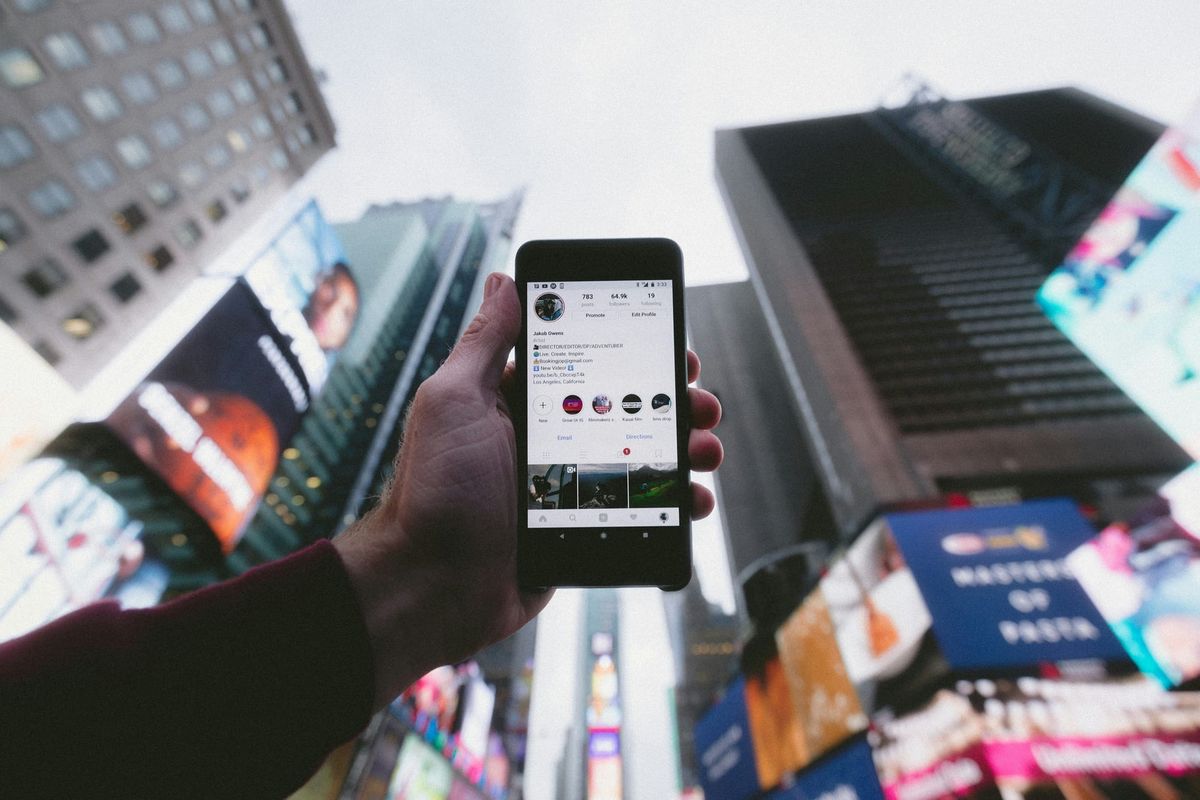
Instagram photography now demands strategic content planning, clever editing, and engaging captions to convert followers into clients. Emerging trends, including examples from the best AI Instagram Accounts, illustrate a shift toward equipping digital tools that drive revenue. Many photographers ask how to make money on Instagram, as evolving tactics create new opportunities for success.
Innovative tools are transforming how visual content converts audiences into customers. Enhanced production techniques allow photographers to secure brand partnerships and boost product sales. Crayo's clip creator tool streamlines the transformation of photos into short-form videos with music and captions, enabling creative professionals to post viral content faster.
Summary
- Over 1 billion monthly Instagram users create a large addressable market for photographers. 90% of users follow at least one business, and 83% report discovering new products and services on the platform, which explains why investing in discovery-oriented content pays off.
- Treat your grid as a curated sales portfolio, not a diary. Sequence three rows so new visitors understand your style and client tier at a glance, and answer three bio questions instantly: who you serve, what you deliver, and what to do next.
- Reels and short-form process content drive discovery and trust. In a 12-month coaching cohort of 30 portrait and wedding photographers, posts that reveal process or tangible products generated the most meaningful comments and client leads.
- High-value revenue mixes scale best: sponsored posts and workshops can command hefty fees (industry estimates put some creators near $20,000 to $23,000 per branded post), while print runs, presets, and retainers provide repeatable income without the volatility of one-off jobs.
- Operational friction is a frequent choke point, as learned over an 18-month creator coaching cycle. Inbox-based booking and spreadsheet workflows led to missed orders and slow follow-up as volume grew, underscoring the need to standardize packages, intake forms, and automated booking flows.
- A consistent content system matters, and the article’s 24 practical post prompts plus repeatable motifs like before/after edits, BTS Reels, and client-focused Stories are designed to turn fleeting attention into predictable bookings when paired with clear CTAs.
- This is where Crayo's clip creator tool fits in: it converts photos and Lives into short, captioned Reels and TikToks with music and formatting, speeding up content production and keeping clips linked to posts and booking paths.
Can You Sell Photography Services on Instagram?

Yes. You can make money on Instagram as a photographer by turning your profile into a polished sales engine: a visual portfolio that attracts ideal clients. It can be a lead machine that starts conversations and a direct checkout or booking pathway that closes sales. Use Reels for reach, and Stories and Highlights for credibility. Also, make sure your bio and CTAs help convert followers into paying customers. Consider using our clip creator tool to enhance your visual content effortlessly.
1. Visual portfolio, curated for clients
A visual portfolio should be carefully curated to attract clients. Treat your grid as a targeted portfolio, not a personal diary. Sequence images so that a new visitor can scan three rows and understand your style, typical client, and price tier.
Use captions to clarify the client brief, deliverables, and outcomes, as buyers rarely infer value from images alone.Consider tools like our clip creator tool to enhance your visual portfolio even further and showcase your work effectively.
2. Lead generation through content and CTAs
Lead generation can be successfully achieved through content and calls to action (CTAs). Sharing content that encourages a next step, like a comment that leads to a direct message, a Reel that ends with "book a consult," or a Story poll that checks interest, can be helpful.When planning booking paths, accounts that consistently convert have one clear call to action in each post and a pinned Highlight that shows how to hire them. Moreover, using our clip creator tool can enhance your content strategy by producing engaging clips that capture your audience's attention.
3. Direct sales and bookings from the profile
Direct sales and bookings from the profile are now essential for how Instagram works. Instagram helps with booking links, product tags, and easy checkout processes. Users can put a simple booking link in their bio, use shoppable posts for prints or presets, and offer quick payment options.This lets clients buy sessions or prints without leaving the app. These features make it easier and turn casual interest into immediate revenue. Plus, our clip creator tool simplifies creating engaging content that can drive even more sales.
4. Sell specific services (portraits, weddings, product shoots
Sell specific services like portraits, weddings, and product shoots. Make separate service pages or Highlights for each way you can earn money. For example, create sections for portraits, weddings, and product photography.Each Highlight should include sample deliverables, an estimated timeline, a starting price, and a brief FAQ. This setup helps buyers decide whether to contact you, and using our clip creator tool can enhance your presentation.
5. Use Reels to expand reach and storytelling
Reels are a strong tool for expanding reach and improving storytelling. They help more people discover your content and show the process rather than just the final frames. Short behind-the-scenes clips, before-and-after edits, and client reaction moments help build trust at scale.Because Reels encourage people to engage naturally, they change passive viewers into warm leads faster than regular posts. Our clip creator tool simplifies the process of creating engaging Reels.
6. Use Stories and Highlights to capture intent
Use Stories and Highlights to capture intent. Stories are where intent appears, through questions, swipe-ups, and DMs. Save decision-driving Stories into clearly labeled Highlights, such as Pricing, Packages, and Client Work.This organization helps new visitors find the information they need in seconds. Additionally, our clip creator tool can streamline the process, making it easier to highlight essential content.
7. Craft a conversion-ready bio
Crafting a conversion-ready bio is essential. Your bio must answer three questions right away: who you serve, what you deliver, and what to do next. Swap out vague phrases for specific details.By adding a direct booking link and using a branded CTA sticker in your Stories, you will ensure followers know exactly how to hire you. Our clip creator tool can showcase your offerings visually and engagingly.
8. Build community to increase repeat business
Building a community is essential for increasing repeat business. It turns one-time clients into loyal customers and helpful referral sources.By hosting monthly mini-sessions, sharing client anniversary posts, and highlighting collaborators, these small, regular activities generate referral bookings without paid ads. Incorporating a clip creator tool can enhance engagement by making it easy to share highlights and memorable moments with your audience.
9. Rely on Instagram as a primary contact channel when needed
Relying on Instagram as a primary channel for contact is common among wedding vendors and local freelancers. Many of them do not have websites and rely on Instagram as their primary channel, so optimizing your profile is critical to generating inquiries. If you rely on the platform, ensure you have systems in place to respond quickly.Think about using templated DMs, saved replies, and a straightforward intake form linked in your bio. Our clip creator tool streamlines the process of creating engaging content for your followers, making it easier to attract inquiries.
10. Pricing, packages, and conversion tactics
Pricing, packages, and conversion tactics are critical to success. Offering tiered packages with clear deliverables and add-on pricing is a brilliant idea. Creating a simple booking flow helps clients choose and pay quickly. Use urgency carefully, while still giving concrete scheduling windows, deposit percentages, and an easy cancellation policy.These parts help lower client hesitation. Our clip creator tool makes it easy to craft compelling content that matches your pricing strategy.
How to prevent inquiries from slipping through?
Most photographers use Instagram like a visual gallery. This approach can work at first, but as more people reach out, messaging becomes messy. As a result, leads can slow down, and bookings may be missed due to a lack of a consistent process for receiving and quickly sorting requests.Platforms that combine link-in-bio booking, automate inquiry tagging, and offer portfolio templates, such as Crayo, help reduce response times. This enables photographers to convert more leads into bookings without increasing their daily admin workload.
What is the impact of discovery and conversion?
Optimizing for discovery and conversion together creates a big boost. According to Sprout Social, 90% of Instagram users follow at least one business, indicating the platform's substantial business reach.Also, according to Sprout Social (2025), 83% of Instagram users find new products and services on the platform, underscoring the value of discovery content for service sellers. These trends support investing in Reels, maintaining a regular posting schedule, and adding conversion-ready profile elements.
How to approach your Instagram profile as a storefront?
It’s exhausting when great photography doesn’t lead to bookings because contact details are hard to find or pricing is unclear. These problems can be fixed, but they can be very stressful for someone who prefers client-facing work to administrative tasks.Think of your profile as a storefront window on a busy street: showcase your best work, display prices for people walking by, and make sure someone is there to greet them right away. Consider using our clip creator tool to enhance your content visually and engage potential clients effectively.
How does clarity in your profile change expectations?
That simple clarity dramatically changes expectations. It turns Instagram into a reliable way to make money instead of a frustrating puzzle.
10 Photographers on Instagram for Inspiration
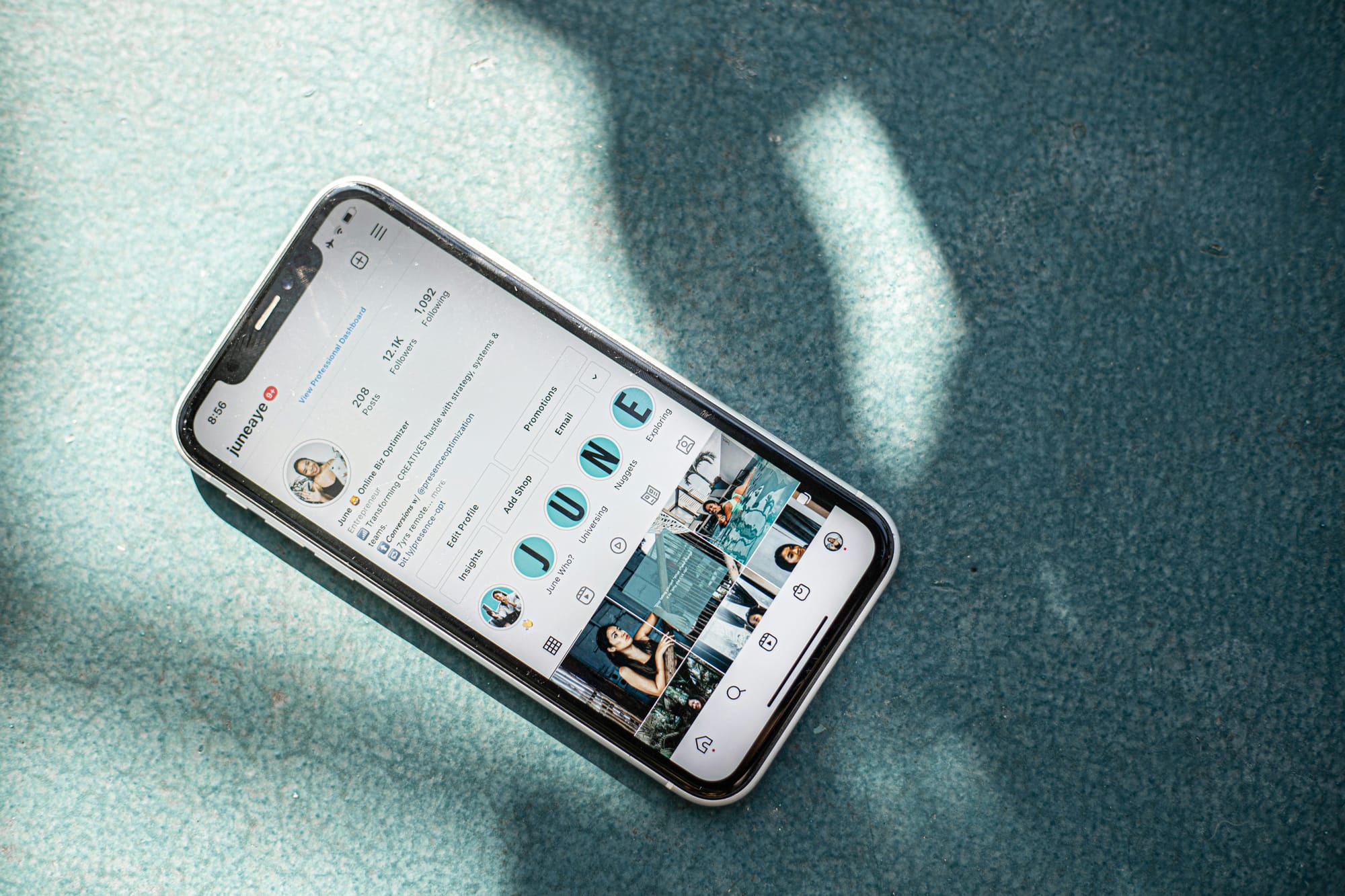
Photographers who earn a good income on Instagram combine unique work with consistent revenue streams, not just luck. They generate revenue from a mix of valuable sponsored posts, limited-edition prints, books and films, workshops, and speaking engagements. Each creator adjusts this mix based on their strengths and audience. Below, I will list ten professional photographers, rephrasing the key facts and showing how each earns money on the platform.
1. Paul Nicklen, Nature and Wildlife Photographer
He earns revenue by selling limited-edition prints of his powerful wildlife images to collectors and partnering with brands with a mission. He receives very high fees for his sponsored posts, with industry estimates placing his rate above $23,000 per branded post. He also uses magazine features and speaking engagements to reach more people.
Our clip creator tool helps content creators streamline editing and enhance storytelling, allowing them to focus on powerful visuals like those Paul shares. What makes him different is his strong advocacy, which turns followers into lifelong supporters.These supporters are willing to buy expensive prints and donate to conservation projects.
2. Chris Burkard, Adventure and Outdoor Photographer
Chris Burkard is an adventure and outdoor photographer who earns income by collaborating with outdoor gear and lifestyle brands. He sells prints, runs paid workshops, and organizes photo tours. Market estimates suggest his sponsored post rates start at $20,000. These brand deals are also improved by editorial placements in top outlets, which increase perceived value for partners.Burkard sells instruction and experiences just as much as images. This results in a revenue mix that focuses on repeatable, higher-margin products such as workshops and book sales. Our clip creator tool enhances your ability to share and engage, making it easier to showcase your own photography.
3. Jimmy Chin, Climbing Photographer and Filmmaker
Jimmy Chin, a climbing photographer and filmmaker, earns income through a mix of strategies. He works on cinematic films, has partnerships with commercial brands, signs book deals, and makes paid public appearances.His Instagram serves as a portfolio, promoting his film projects and speaking events rather than being the only thing he offers. This mix of income sources makes his earnings steadier; when film projects slow, income from speaking and brand deals helps keep his cash flow stable.
4. Murad Osmann, Travel Visuals and Creative Series
Murad Osmann, known for Travel Visuals and his creative series, built a single viral idea into a durable brand recognized for its unique images and money-making deals. He has added sponsored travel campaigns and written a book, both of which help increase his total income.Osmann is ranked among the top 100 Photography Influencers in 2025 (FeedSpot, 2025). This list shows creators with the audience and impact brands want. Such a public ranking indicates to tourism boards and fashion brands that his reach is a good business advantage.
5. Jack Harries, Documentary Filmmaker and Photographer
Jack Harries, Documentary Filmmaker and Photographer, switched from telling stories on platforms to taking on documentary commissions and working on long-term projects for brands. He uses Instagram to share completed films and generate additional revenue, such as through commissioned documentaries and major sponsorships.Jack makes money by turning visual storytelling into services he can offer repeatedly: films for nonprofits, series made for brands, and paid speaking events. Our clip creator tool can help streamline the editing process, making it easier for creators like Jack to produce high-quality content efficiently.
6. Middle paragraph: the familiar way creators handle monetization, the cost, and a bridge to a better system
Photographers often handle making money in a mixed way that includes negotiating through emails, using spreadsheets, and sending out single invoices. While this method seems simple and cheap, it can get messy as the number of income sources grows. Bookings can be missed, invoices might be late, and time is wasted sorting out details across different messages and files.Platforms like Crayo help by bringing together bookings, shoppable posts, and print sales in one place. This organization reduces the time spent on follow-ups and allows creators to use Instagram as a dependable store, instead of a mix of random transactions.
7. David LaChapelle, Conceptual and Fine Art Photographer
David LaChapelle, a conceptual and fine art photographer, uses a business model that focuses on gallery sales, expensive prints, and commercial campaigns. Instagram acts as a mass-visibility tool that helps him reach more collectors. Even when single prints sell for tens of thousands of dollars, being visible on social media creates interest from galleries and increases commercial licensing. This method improves long-term demand while still using his high-touch sales channels.
8. Petra Collins, Fashion and Portrait Photographer
Petra Collins, a fashion and portrait photographer, earns money in many different ways. She makes brand partnerships in fashion and beauty, sells art and books, and organizes exhibitions that draw in collectors who are willing to pay more for campaign work. Her special style and high engagement rates make her attractive for specific marketing campaigns.Instead of just concentrating on single posts, she effectively turns attention into paid collaborations. To enhance your own visual storytelling, consider using our clip creator tool to create captivating visual content.
9. Johan Lolos, Travel Photographer
Johan Lolos is a travel photographer who makes money from his travel images by selling prints and presets, running sponsored tourism campaigns, and offering paid workshops in different countries. Brands pay him for destination storytelling, and he earns money directly from selling prints and educational products to his audience.This mix of income sources helps keep his finances steady: campaign revenue covers expensive trips, and income from prints or workshops helps cover his production costs. Additionally, our clip creator tool can streamline the production of engaging video content to complement his stunning imagery.
10. Ruddy Roye, Documentary and Street Photographer
Ruddy Roye is a documentary and street photographer. He uses editorial commissions, nonprofit partnerships, and print sales to earn money. He also uses Instagram to promote social projects. This can lead to paid speaking engagements and institutional work.His feed attracts the attention of organizations seeking culturally relevant visual content. This approach helps him earn a consistent income aligned with his mission, rather than relying on transactional sponsorships.
11. Sam Youkilis, Everyday Life and Cultural Photographer
Sam Youkilis is an everyday and cultural photographer who primarily uses Instagram to promote his books, grants, and curated print runs. He accepts commissions that fit his work rather than worrying about follower counts. For niche photographers, audience quality is more critical than sheer follower count. Platforms that allow users to sell directly from posts are effective at turning engaged viewers into buyers.
What are the key takeaways from these photographers?
After working with creators over an 18-month coaching cycle, a clear pattern emerged.Photographers pursue sponsored posts, print sales, and brand partnerships because those channels scale best with engagement and trust.Our clip creator tool helps photographers craft impactful stories that resonate with their audiences.
The desire for a sizable, active following is the primary lever that unlocks higher-value deals. This expectation creates both pressure and motivation, which is why many creators prioritize growing reach and meaningful engagement metrics.
What is the significance of followers for monetization?
Many of the photographers mentioned operate at follower levels that go beyond industry thresholds for commercial opportunities. This is shown in collections like Over 1 million followers (StackInfluence, 2025), which show when a large audience starts to catch the attention of brands. This threshold is necessary because brands and agencies use follower benchmarks to select which partners to work with quickly, and our clip creator tool helps users achieve the engagement needed to meet these benchmarks.
How do photographers convert engagement into income?
Photographers can be viewed as businesses that identify which products their audiences are willing to buy and then develop consistent sales channels to sell those products.
One photographer may sell scarcity by having limited runs; another might provide access through workshops, while a third shares narratives through films and books. Each one acts like a storefront, displaying a variety of offerings.
However, successful photographers improve both checkout processes and follow-up strategies to ensure that interest translates into repeat revenue.Using our clip creator tool can enhance your engagement strategies, making the transition from interest to income smoother.
What will the next section discuss?
The following section will outline practical strategies for turning attention into income. It will also highlight where to focus efforts at the start.
What overlooked tactics are effective for photographers?
The surface-level list only provides a limited view of what really makes things work. The genuine surprises lie in the specific, repeatable tactics that many photographers miss. By utilizing our clip creator tool, you can easily explore different techniques and enhance your photography strategies.
Related Reading
- Best AI Instagram Accounts
- Can You Sell On Instagram
- How Much Money Can You Make On Instagram
- What To Sell On Instagram
- Is It Legal To Sell On Instagram
- How To Promote A Book On Instagram
- How To Do Collaboration On Instagram
- How To Sell Directly On Instagram
- How To Get Clients On Instagram
- How To Get Approved For Instagram Shopping
- How To Sell Things On Instagram Without A Website
- How To Sell Earrings On Instagram
How To Make Money As A Photographer On Instagram in 22 Ways

Photographers can turn Instagram into a steady income by packaging their work into distinct products and services. By optimizing delivery and margins for each income stream, they can maximize their earnings. Below are practical tactics, along with tips for execution, pricing logic, and shortcuts for operations related to each way to make money.
According to Zach Nichols Photography, "Over 1 billion users are active on Instagram every month.” That large number of users makes it easier to find specific buyer niches instead of trying to attract a lot of followers.
1. Sell high-quality prints.
Use limited runs and numbered editions to create scarcity. Set different prices based on size and finish, and standardize three print sizes to make framing and shipping predictable. Work with two fulfillment partners, one in the U.S. and one overseas, to keep delivery times short and profits healthy.Color-calibrate your files, offer proof options for collectors, and ask for a nonrefundable deposit for custom orders to avoid no-shows.
2. Offer personalized photo products.
Turn images into useful keepsakes with clear bundles: single-item gifts, themed boxes, and seasonal bundles.Use Gelato or a white-label printer for on-demand production while managing perceived value through packaging, limited seasonal runs, and add-on personalization like handwritten notes. Price in bundles to increase average order value and share the emotional story behind each collection.
3. Create photo books and themed collections
Sell small-run, high-quality books as preorders to help fund printing. Use tight themes that justify a price point, such as a 40-page travel series or a heartfelt wedding story.Numbered editions and signed copies can make more money. Sell through your site and one marketplace to simplify fulfillment, and consider getting an ISBN if you want to sell to retailers.
4. Sell digital photo downloads.
Offer different licensing options: personal, editorial, and commercial, with clear uses and prices.Automate delivery through your e-commerce platform and include recommended image sizes and usage notes to reduce support requests. Use keyword-rich titles and descriptions to improve discoverability, and consider a subscription library for repeat buyers.
5. Sell framed prints.
Standardize framing to three styles and sizes that match your usual print offerings to reduce unsold inventory. Partner with local framers for show pickup options and with drop shippers for national customers. Factor framing into your price calculations, and show mockups to help ease buyer concerns.
6. Market your photography beyond just posting.
Allocate budget to specific ad tests instead of regular boosts; run small A/B tests on ad designs targeting lookalike buyers—measure cost per sale rather than cost per click.Use UTM tracking on every link to attribute sales to a post, Reel, or Story. Focus on the audience segments that convert most, and allocate more effort to those creatives.
7. Create a YouTube channel and long blog posts.
Use videos to show both the process and the products because conversions happen when people see the craft. Turn long videos into short clips, transcriptions, and blog posts to attract organic search traffic and affiliate income.Make money through sponsorships, affiliate links, and paid masterclasses; offer a checklist or template as a simple lead magnet. Our clip creator tool helps you effortlessly turn your video content into engaging short clips.
8. License your images through stock and direct licensing.
Group content with similar themes to increase discoverability while keeping a regular upload schedule to avoid one-hit spikes. Decide when exclusivity can raise your prices and when a non-exclusive choice allows you to reach more people. For direct licensing, use standard contracts and tiered pricing to speed up negotiations.
9. Offer portrait and session work.
Create three clear packages that describe what you deliver, timelines, and rights. Use a client questionnaire to learn about style preferences, logistics, and chances to upsell.Then, automate booking confirmations and payments. Consider adding quick-turnaround rush options at a higher price with a print credit to encourage product purchases.
10. Pitch for freelance assignments and retainers.
Make industry-specific pitch decks: one for products, another for restaurants, and a third for lifestyle brands.Offer retainers for regular content at a lower monthly price to stabilize your income. Include case results and a small sample gallery to speed up decision-making.
11. Sell editing and post-production services.
Turn editing into fixed-scope packages, like hourly retouching, color-grading bundles, or subscription editing for creators. Showing before-and-after galleries and providing turnaround SLAs can improve transparency. Use batch workflows and automation tools to keep positive margins.
12. Work as an assistant photographer
Treat assisting as a paid apprenticeship by charging a daily rate plus a learning addendum that details the specific skills you will learn. Keeping a log of completed tasks and references can help you transition from an assistant role to paid work later.
13. Shoot events and offer turnkey deliverables.
For events, set clear deliverables, like quick highlights, full galleries, and print packages, and price them accordingly. Use a two-stage delivery model: provide fast, social-ready reels for organizers, then offer full-resolution galleries for clients. This strategy can help secure referrals and lead to more print sales.
14. Teach workshops, courses, and coaching.
Create a signature workshop with clear outcomes, strong attendance, and post-class support. Complement live workshops with timeless online courses and downloadable templates. Offering discounts to alumni and scheduling a private follow-up session can significantly increase the perceived value of your offerings. At the same time, tools like our clip creator can enhance the quality of your visual presentations.
15. Enter contests strategically.
Choose contests that fit your style and give you exposure to potential buyers or curators. Keep a careful track of your rights to prevent inadvertently relinquishing licensing. Use contest entries later as marketing tools when allowed.
16. Sell at local art fairs and pop-ups.
Show a range of price points, from affordable small prints to high-end framed editions, and ensure clear price anchors. Bring a simple POS system and preprinted receipts, and collect email addresses in exchange for a discount. This can help turn foot traffic into repeat buyers.
17. Run a dedicated photography blog for SEO and email funnels.
Post detailed how-to articles, gear breakdowns, and case studies that meet specific search needs. These can guide readers to product pages or courses.Keep a regular publishing schedule, turn content into newsletters, and convert readers with a gated guide or starter kit. Our clip creator tool assists in making engaging video content that captures audience attention.
18. Offer wedding photography with set options.
Package timelines, second shooters, albums, and prints into clear bundles.Set a nonrefundable retainer to secure dates. Think about offering an add-on for rush galleries or same-day highlight edits for venues and planners who need quick results.
19. Photograph homes for realtors.
Make a quick product with staged outside and inside photos, fast HDR processing, and optional virtual tours. Price is based on square footage tiers, and offers retainer deals for agencies with regular listings to lower client acquisition costs.
20. Sell presets and editing packs.
Combine presets with a brief tutorial and example gallery to help buyers see how to use them. Sell presets as part of a larger kit that includes LUTs or editing videos to boost perceived value. While presets rarely replace full income, they can grow as passive revenue when promoted along with case studies.
21. Produce and sell calendars.
Limit editions to a set number, use preorders to fund production, and offer personalization choices for small extra fees.Automate shipping when you can, and think about using print-on-demand partners for low-risk runs. Otherwise, plan fulfillment in blocks to avoid the daily shipping hassle.
22. Use affiliate marketing thoughtfully.
Choose affiliate programs that match your gear and audience. Be clear about your relationships and place affiliate links in evergreen posts, resource pages, and video descriptions. Track click-to-sale rates and remove links that aren't performing well to keep your recommendations credible.For those looking to enhance their content creation, our clip creator tool simplifies the process and boosts your marketing efforts.
What challenges might photographers face?
Most photographers handle order fulfillment, bookkeeping, and customer follow-up themselves because it feels familiar and low-cost, especially at the beginning. As their business grows, this approach can lead to issues such as missed orders, delayed shipping, and wasted hours fixing spreadsheets.Platforms like Crayo help by centralizing orders, automating fulfillment routing, and linking purchase data to Instagram posts. This transforms day-long administrative work into a few simple tasks while maintaining a consistent customer experience.
Introducing a new product line without properly aligning pricing, delivery, and promotion often leads to stagnation. This pattern is seen with portrait, print, and digital sellers. While having a great photo is essential, it is not enough; packaging and predictable fulfillment are the genuine keys that turn interest into repeat buyers. This mismatch is why creators often focus on gaining followers, even though the real advantage lies in achieving product-market fit and ensuring a smooth checkout process.
Many photographers aim to generate passive income and quit their unfulfilling day jobs, which leads to extensive experimentation.However, expect some challenges: presets only sell well after showing their look in different settings, calendars need a following or a dependable audience, and direct shipping can become too much once orders go beyond a trim level.Planning for these issues in advance is crucial to increasing revenue without adding stress, and our clip creator tool can significantly streamline the process by helping you showcase your work effectively.
Ultimately, that next step is where content becomes a tool for sales rather than just a way to get attention; the result can be both practical and surprising.
Related Reading
- How To Sell Merch On Instagram
- How To Sell Jewelry On Instagram
- How To Sell Products On Instagram
- What Are Instagram Badges
- Does Instagram Pay Creators
- What Is Exclusive Content On Instagram
- Affiliate Programs For Instagram
- Affiliate Marketing On Instagram For Beginners
- Instagram Dropshipping
28 Instagram Content Ideas for Photographers

These post ideas will make your feed engaging, easy to find, and hard to overlook for the clients you want. They turn your skills into a story and your presence into a personality.Below are the prompts you shared, rewritten with practical examples, catchy captions, and small notes for quick use. If you need help streamlining your process, consider using our clip creator tool to create content more efficiently.
24 Instagram Content Ideas for Photographers
These post ideas will keep your feed human, searchable, and impossible to ignore for the clients you want, turning craft into story and availability into personality. Below, I list each prompt you gave, reworded with practical variants, caption hooks, and small execution notes you can use immediately.
1. Favorite thrift store prop pick
Name the shop, show the prop in use, and add price and worn-in detail so followers can picture the cost and character. Quick caption idea: what the prop costs, why it works with skin tones, and one styling tip to reuse it across sessions.
2. Throwback from your early days, with a growth story
Post a dusty first frame and then the current version side by side, then tell one concrete lesson that changed how you shoot, edit, or price. When I switched one technique in 2018, my session turnaround time dropped by half, and that specific growth story demonstrates competence without sounding boastful.
3. An old family photograph that tells a story
Share a family image, name who is in it, and explain a single memory tied to the frame, then link that memory to how you approach portraits now. Emotional specificity like this builds trust faster than polished graphics.
4. Sonoma County portrait feature
Show a recent Sonoma shoot, call out exact locations and light windows, and note one logistical tip clients ask for, such as parking or the best time for soft light. Local specificity makes you discoverable to nearby clients searching for portraits.
5. Why clients choose you
List three real reasons clients book you, with short illustrative moments, for example: "I tell terrible dad jokes to loosen people up," or "Bring your dog, we always get the candid smiles then." Concrete personality beats vague claims.
6. Weekly update: what I’m shooting and why it matters
Share your calendar highlights, one fun personal plan, and a gallery you’re currently editing, with an invitation to DM for limited slots. It turns availability into urgency without a hard sell.
7. Play three truths and a lie
Write three quick career facts that reveal craft, travel, or quirks, and ask followers to guess the falsehood in comments. Use the poll sticker in Stories to capture answers and follow up with a reveal Reel.
8. Who or what keeps you motivated
Make a single-post tribute to a person, place, or habit that fuels your work, and explain how it shapes one creative choice you make every day. This center's values attract like-minded clients.
9. Share an inspiring book
Post the cover, one favorite passage, and a short line about how it changed your approach to seeing light, people, or story. End with a question like, "Which book shaped your craft?"
10. One go-to photography tip
Give a single, practical tip you actually use on shoots, then show a tiny before/after image illustrating the tip in action. Specific, usable advice earns saves and repeat views.
11. Favorite lens spotlight
Share which lens you reach for and why, plus the charts or situations where it shines. Add one sample image and a note on how clients can expect the look to feel in their delivered gallery.
12. Show a printed piece
Photograph a print on your table, describe the paper and finish, and explain why prints still matter to clients. A physical image creates tactile desire in a scroll-first world.
13. Morning coffee and the day’s plan
Post your coffee, the session or edits planned, and a small ritual you use to prepare mentally for shoots. It humanizes the schedule and sets expectations for response times.
14. Favorite shooting location story
Tell a short scene about a place you love to work, name one time-specific tip for better light there, and tag the geography so local search picks it up. That makes location-based clients more likely to find and book you.
15. Wish-list item you want to own
Post the gear, book, or art object you’re saving for, explain how it would change your work, and invite followers to vote if you should buy it or test rent first. This invites small engagement and makes you relatable.
16. Before and after edit comparison
Show raw and finished frames, annotate two or three edits you made, and mention time saved or one preset you used so followers can reproduce the look. Include one editing constraint you faced, like recovering highlight detail.
17. #MeetThePhotographer post
Write a short biography with one surprising personal detail and one professional boundary, like turnaround times or licensing rules. Clarity around logistics converts inquisitive followers into qualified leads.
18. Mini giveaway that fits your business
Offer a small session, a print, or a coupon code, explain entry rules, and add a one-line follow-up process for winners so it feels professional. Giveaways work best when they introduce a repeatable service, not just free stuff.
19. Behind-the-scenes of your workflow
Break the client journey into steps from booking to delivery, with one automation or checklist you use to keep quality consistent. This reduces friction and pre-answers common client questions.
20. Shoutout to an inspiring photographer
Feature one peer, explain precisely what you admire in one sentence, and tag them. This builds reciprocity and strengthens community without sounding performative.
21. Share a quote and your brand-colored graphic
Pick a short line that matters, design a simple graphic in your colors, and explain in two sentences why it resonates with your process. The graphic doubles as a shareable value post.
22. General Instagram post ideas for photographers
Create a bank of repeatable motifs: client reaction shots, gear closeups, micro-details, and booking-friendly testimonials. Rotate these motifs each week so your feed feels consistent without being repetitive.
23. Use Stories for quick engagement
Post candids, client prep tips, and a live Q&A prompt, then save the answers to a Highlight. Focus Stories on small decisions that move people closer to booking, like outfit choices or arrival times.
24. Reels showing editing time-lapses
Record a 20 to 60-second speed edit, caption one technique you applied, and add a short voiceover explaining the decision. Time-lapse edits teach skill and create procedural trust.
25. Styling tips for clients
Offer three outfit combos for specific session types, include color swatches, and explain why those choices photograph well under certain light. Practical styling content reduces client doubt and improves session outcomes.
26. Micro photography or closeups
Share a detail shot from nature or a session, call out the aperture and focal length, and link the detail to a broader mood you were creating. These images break up the grid and showcase craft.
27. BTS Reels of shooting and editing, aided by AI tools
Make a short sequence that shows the shoot, a quick edit, and the final frame, and name any tools that speed the cut, such as an AI editor for quick cuts. Be transparent about tools and highlight the human choices that matter most.
28. A day-in-the-life anecdote as a connective post
Tell a brisk scene about a client interaction, the unexpected weather, and the improvement that saved the session, using sensory detail to make readers feel the day. Anecdotes like this turn followers into referral-ready fans.
When coaching a group of 30 portrait and wedding photographers over 12 months, a consistent pattern emerged: posts that reveal process, show tangible products, or tell a specific personal story generate the most meaningful comments and client leads.Followers move from passive admiration to active trust when they see both skill and personality. This pattern explains why these content prompts focus on small, repeatable disclosures instead of a broad strategy.
Most creators manage content posting with various tools and manual tracking because this approach seems easy and low-cost at first. However, as calendar slots and product lines grow, that habit becomes messy, leading to missed shipments, double-booked days, and mixed messaging.Platforms like Crayo centralize ordering, booking links, and short-form content hooks, helping creators keep their personal voice in every post while cutting down on admin time and follow-up headaches. Teams find that linking print sales and session availability directly to post metadata speeds up decisions and keeps follow-ups organized.
To illustrate the method: think of your feed as a neighborhood market stall rather than a luxury gallery. Here, customers can touch prints, ask about their favorite colors, and learn the maker's story in just one quick interaction.This proximity is what turns scrolling into buying.
Over 1 billion people use Instagram every month. 90% of Instagram users follow at least one business.
There is more to do with these prompts than just post and move on; the next step changes how live content creates lasting momentum.
Turn Your Instagram Lives Into Viral Content With Crayo
Crayo helps users make money from Instagram Live content without needing to spend extra hours on editing. This platform changes long Lives into short, scroll-stopping clips that have auto captions, templates, and music.These features are made to help grow your audience and turn followers into clients. Try Crayo’s free clip creator today by clicking "Try Now" on our homepage and start changing Instagram Lives into viral Reels; no account needed.
Related Reading
- How To Make Money As A Content Creator On Instagram
- How To Do Affiliate Marketing On Instagram
- How To Sell Art On Instagram
- How To Earn Money From Instagram By Posting
- How To Drive Traffic From Instagram
- How To Sell Digital Products On Instagram
- How To Sell Clothes On Instagram
- How To Set Up Instagram Shop
- Best Instagram Accounts To Follow