


If you scroll through Best AI Instagram Accounts, you notice short, sharp videos that grab attention and get thousands of views. Have you wondered how creators turn those views into brand deals, affiliate income, subscriptions, or merch sales?
This article shows clear steps to grow followers, boost engagement with smart content strategy and analytics, and create viral reels and tiktoks with AI.Crayo's clip creator tool helps you cut long videos into attention-grabbing clips, add captions and hooks, and optimize them for reels and tiktoks so you can scale engagement, land more brand partnerships, and earn reliably without steep learning curves.
Summary
- Small followings can pay the bills, accounts with 10,000 to 25,000 followers commonly command mid-three-figure sponsored fees per post, and micro-influencers with 10,000 to 50,000 followers can earn $200 to $500 per post.
- Engagement beats follower count, because nano accounts with 1,000 to 10,000 followers still collect low double- to low triple-digit brand fees when conversion rates are strong.
- Monetization launched too early often fails, so creators should spend 60 to 90 days delivering consistent value and tracking which formats earn comments, saves, and DMs before pitching offers.
- Diversify income to lower risk, given that 60% of creators report difficulty earning a sustainable income, and only about 10% of Instagram users successfully monetize their accounts.
- Short-form and Stories remain core discovery channels, with Instagram Stories used by 500 million accounts every day, making timely, snackable content essential for engagement.
- Product-led content placement matters because 70% of shoppers look to Instagram for product discovery, so aligning format with purchase intent improves conversion odds.
- This is where Crayo's clip creator tool fits in: it addresses content fragmentation and slow repurposing by cutting long recordings into captioned, platform-ready clips, reducing repurposing cycles from days to hours.
Can You Make Money on Instagram?
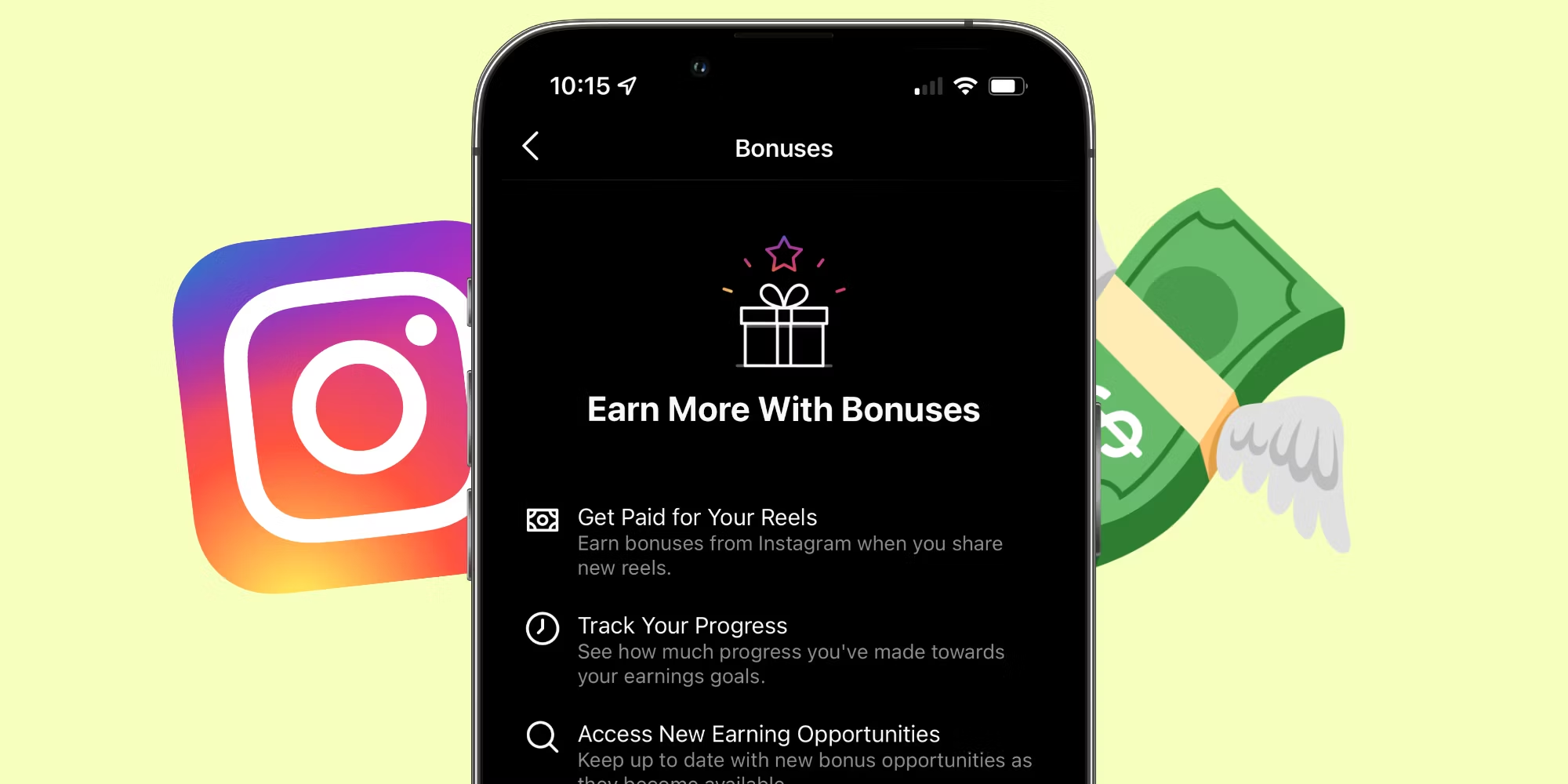
You can make money on Instagram without millions of followers. With the right niche, consistent value, and diversified revenue streams, many creators earn regular income from audiences that are small but highly engaged.
Why Instagram still pays
Instagram has an enormous reach, which creates continuous opportunity for discovery, partnerships, and product sales, according to [Instagram has over 1 billion monthly active users. (Buffer, 2025), And that scale matters when you activate even a modest audience.
1. Small followings can pay the bills
Creator income is not reserved for celebrity accounts. Accounts in the 10,000-25,000 follower range typically command mid-three-figure sponsored fees per post, and those fees compound when combined with affiliate links and product offers. This is a pattern that appears across creator niches: when you cultivate relevance and repeat interactions, brands treat you like a reliable channel, not a lottery ticket.
2. Micro-influencer rates are real and predictable
Rates for smaller creators are becoming standardized, which helps planning and negotiation. For example, Micro-influencers with 10,000 to 50,000 followers can earn $200 to $500 per post. (Buffer, 2025), a practical benchmark you can use when pricing packages or responding to brand outreach.
3. Nano accounts can still earn consistent fees
Even accounts with 1,000 to 10,000 followers collect brand payments when their audience is well-aligned. Expect lower per-post fees, often in the low double digits to low triple digits. Still, those smaller fees arrive with higher conversion expectations, making repeat campaigns and long-term partnerships common.
4. Engagement beats follower count
The decisive metric is how your followers respond, not how many there are. When engagement rates are high, brands see direct outcomes: clicks, signups, and purchases. This explains why smaller creators with active audiences often secure ongoing collaborations while larger but passive accounts struggle to convert.
5. Multiple income paths lower risk
Sponsored posts are just one lever. Creators earn through affiliate marketing, physical or digital product sales, live commerce, paid subscriptions, tips and badges, and platform bonuses. Combining several of these reduces dependence on any single deal and converts followers into predictable revenue.
6. How to package your work so brands buy it
Think like a small business. Create clear offerings with measurable deliverables: a feed post plus two stories with swipe-up links, or a product review with tracked affiliate links and a unique discount code. Brands pay for measurable outcomes, so price and present packages around conversions, not vanity metrics.
7. The common mistake most creators make
Many believe you need a huge following to attract brands. This perspective is understandable, but the hidden cost is wasted effort chasing scale at the expense of audience quality. Most teams handle outreach by counting followers, which feels objective and straightforward, but as campaign complexity grows, that approach fragments ROI and produces inconsistent results. Platforms like Crayo provide centralized campaign tracking, affiliate link management, and creator performance dashboards, helping creators move from scattershot outreach to packaged deals that scale while preserving audience trust.
8. Practical steps that actually move the needle
Focus on a narrow niche, test monetization formats for 60 to 90 days, and track revenue per follower or per email subscriber. When a format converts, double down and create an evergreen sales path. This is constraint-based thinking: if you need a steady income quickly, prioritize productized offers and affiliate partnerships; when you have time to cultivate community, invest in subscription and creator-tool monetization.
9. Emotional truth creators live with
It’s exhausting when you measure success only in follower counts. The relief for many creators comes when they shift to metrics that pay the bills: repeat purchases, affiliate conversions, and month-to-month subscription retention. That shift changes both the creative choices you make and the conversations you have with brands.
10. What to expect in negotiation and growth
Expect rates to vary by niche, conversion history, and creative format. Treat every first paid campaign as an investment: capture metrics, create a short case study, and use it to justify rate increases. Scaling income is less about a single viral hit and more about sequencing offers that deepen audience value and prove ROI to partners.
That simple shift in focus—quality over raw numbers—sounds complete, but the next section exposes the sizing, timing, and platform pitfalls that trip most creators up.
Challenges of Instagram Monetization

Monetizing on Instagram fails more often for predictable reasons, not because creators lack talent. If you understand the common missteps and correct them deliberately, you stop leaking attention and start turning true fans into reliable revenue.
1. Trying to monetize too early without trust or engagement
Monetization efforts launched before your audience trusts you usually flop. When you push links or sponsored content too soon, followers treat such offers as noise rather than guidance. Fix it by sequencing value first: spend 60 to 90 days delivering repeatable, helpful posts and track which formats earn comments, saves, and DMs before proposing anything for sale.
2. Promoting too many products or irrelevant offers
When every post feels like an ad, your credibility erodes, and followers learn to scroll past. Think of your feed as a conversation where most turns add insight, and some turns ask for a favor. The better approach is a content-to-offer rhythm, where promotional posts are clearly connected to a prior string of valuable content, so offers feel earned rather than thrust upon the audience.
3. Ignoring analytics and data insights
Guesswork kills optimization. If you do not check which captions drive link clicks, which Reels trigger profile visits, and what time windows prompt saves, you cannot refine what pays. Build a simple dashboard with three KPIs, review weekly, and run one A/B test every two weeks so you improve conversion rates instead of repeating what feels right.
4. Choosing a weak or broad niche
Accounts that try to be everything to everyone become forgettable. Specificity draws brands and a smaller, more committed audience that converts. Pick a narrow promise, state it clearly in your bio and pinned posts, and use focused content pillars so your value proposition is clear to buyers or partners.
5. Chasing follower count instead of engagement quality
Big numbers alone do not open wallets. Brands and algorithms reward people who act, not just those who follow. If you still prioritize raw reach, pivot: cultivate conversations, incentivize saves and shares, and package case studies showing conversion per engaged follower rather than total audience size.
6. Overdependence on the algorithm
Relying solely on Instagram’s feed or Reels algorithm makes your income swing with opaque changes. Protect yourself by owning channels that you control, such as an email list or a small membership site, so a single algorithm tweak does not erase your revenue for weeks or months.
7. Failing to include clear calls to action
Ambiguous posts leave money on the table. Every post should end with a simple, measurable CTA that matches the format, like asking for a save on educational carousels or a DM for a discounted consult. Track CTA conversion so you can tell which language actually moves people to click or buy.
8. Buying fake followers or engagement
Purchased followers inflate vanity metrics and distort your actual engagement rate, leading platforms and brands to devalue your profile. Think of bought metrics as dead weight; they reduce real reach and can trigger enforcement flags. Invest those dollars in content production or micro-targeted ads that bring genuine human interaction instead.
9. Poor visual quality or content consistency
Irregular posting and sloppy visuals make a profile feel abandoned, which discourages repeat visits and diminishes perceived professionalism. Commit to a production routine you can sustain for six months, not a flashy sprint you burn out on in two weeks. Good enough, consistent, and reliable beats sporadic perfection.
10. Not diversifying monetization methods
Relying on a single income source makes your business fragile when that channel falters. Combine short-term payouts like sponsored posts with longer-term assets such as digital products, affiliate programs, and repeatable services, so a lost campaign does not cut your income in half.
Most creators handle content scheduling and partnership tracking manually because it is familiar and requires no new tools. That works until deals multiply and spreadsheets fracture—then opportunities slip through, invoices lag, and you cannot show clean performance to partners. Platforms like Crayo centralize campaign tracking, affiliate link management, and creative briefs, reducing time spent reconciling outreach from days to hours while preserving the context brands need to sign repeat deals.
The difficulty of making a stable income is widespread, which should shape how you prioritize fixes: Sprout Social: 60% of creators on Instagram report difficulty in earning a sustainable income, a clear sign that income instability is the norm rather than the exception. That context matters because it changes the work you must do to move from occasional payments to steady revenue.
This struggle is deeper than poor posts or bad timing; it reflects structural scarcity on the platform, so keep that in mind as you decide which of the ten problems to tackle first: ALM Corp Blog: Only 10% of Instagram users can monetize their accounts successfully.
That solution sounds tidy, until you discover the one revenue leak most creators never measure.
Related Reading
- Best AI Instagram Accounts
- Can You Sell On Instagram
- How Much Money Can You Make On Instagram
- What To Sell On Instagram
- Is It Legal To Sell On Instagram
- How To Promote A Book On Instagram
- How To Do Collaboration On Instagram
- How To Sell Directly On Instagram
- How To Get Clients On Instagram
- How To Get Approved For Instagram Shopping
- How To Sell Things On Instagram Without A Website
- How To Sell Earrings On Instagram
How To Make Money As A Content Creator On Instagram in 16 Ways

You can turn Instagram into a steady revenue engine by picking one or two monetization channels, packaging them clearly, and designing simple funnels that move followers from discovery to purchase. Below, I list practical ways to earn, each with who it suits, why it converts, and concrete steps or pricing cues you can use to get started.
1. Sell physical products
Who it fits
Artists, makers, small brands, merch creators.
Why it works
Tangible goods convert when your visuals build desire and reduce purchase uncertainty.
How to do it
Treat the grid as a product catalog, use shoppable tags, show macro and micro shots, and document production or unboxing to build trust. Start with limited runs to test demand, price to cover cost plus 30 to 50 percent margin, then scale SKUs that hit repeat orders.
2. Set up Instagram Shopping
Who it fits
Direct-to-consumer e-commerce brands.
Why it works
Fewer clicks between discovery and checkout means fewer abandoned sales.
How to do it
Catalog-sync your store, tag products in Reels and Stories, and create highlight collections for best sellers. Track click-to-checkout conversion rates and prioritize product creatives that deliver the highest add-to-cart rates.
3. Sell digital products
Who it fits
Creators, educators, photographers, and designers.
Why it works
No inventory, high margin, and can be sold repeatedly once created.
How to do it
Package one-off tools like presets or templates with clear use cases, add a short demo Reel showing results, and use timed discounts to create urgency. Automate delivery and refunds so your time stays focused on product development.
4. Affiliate marketing
Who it fits
Niche creators who can recommend specific tools or products.
Why it works
You monetize influence without creating products.
How to do it
Promote only products you would buy, disclose affiliations, and use trackable links or codes. Test one affiliate per content pillar for 30 days and measure revenue per 1,000 impressions to know what’s worth scaling.
5. Sponsored posts and brand deals
Who it fits
Creators with engaged audiences and clear niche authority.
Why it works
Brands pay for your credibility and direct access to buyers.
How to do it
Build one or two standard deliverable packages (post + 2 Stories, or Reel + mention) with clear KPIs and pricing. Use performance add-ons, such as tracked affiliate links, to justify premium rates. According to Buffer (2025), "Instagram influencers with over 1 million followers can earn more than $100,000 per post." That shows top-tier reach still commands outsized fees, so frame pitches around outcomes, not vanity metrics.
6. User-generated content (UGC) for brands
Who it fits
Video-first creators and those starting.
Why it works
Brands need authentic ad creative and will pay for usable assets.
How to do it
Offer a batch pricing model, deliver short testing clips optimized for ads, and include usage rights. Pitch is a cheaper creative test compared to large agency spends.
7. Offer coaching or consulting
Who it fits
Professionals with measurable results, trainers, and strategists.
Why it works
High-ticket services compress income into fewer clients.
How to do it
Lead with free value on feed and convert via DMs or lead magnets to a short discovery call. Price offers by outcome, not time, and include a brief case study or past-client metric in your pitch.
8. Sell online courses or workshops
Who it fits
Specialists with repeatable frameworks or skills.
Why it works
Scale knowledge once, sell many times.
How to do it
Break your course into a teaser series of posts, collect signups with a refundable trial or money-back guarantee, and run time-limited cohorts to create urgency. Reinvest early revenue into paid ads targeting lookalike audiences.
9. Paid subscriptions
Who it fits
Creators with a loyal core audience.
Why it works
Recurring revenue smooths cash flow and increases lifetime value.
How to do it
Offer tiered benefits, keep the entry tier low to encourage trial, and deliver at least one exclusive asset per week. Monitor churn monthly and treat retention as the primary optimization lever.
10. Instagram Live badges
Who it fits
Hosts who regularly engage live and build community.
Why it works
Immediate, emotional support from fans.
How to do it
Make lives predictable, promote them in advance, and include a short, authentic ask at peak engagement. Use live-only offers to convert watchers into buyers.
11. Sell services
Who it fits
Freelancers in visual or performance fields: design, editing, social strategy.
Why it works
Instagram serves as both a portfolio and a lead-generation tool.
How to do it
Post before-and-after case studies, pin client highlights, and convert DMs into discovery calls with a clear one-page service offer and pricing ranges.
12. Dropshipping
Who it fits
Marketers and trend-focused entrepreneurs who prefer low inventory risk.
Why it works
You can test products quickly without warehousing.
How to do it
Start with a narrow collection, run small ad tests, and monitor delivery times because slow fulfillment kills repeat purchases. Have a backup supplier before scaling.
13. Paid shoutouts
Who it fits
Niche pages and accounts with strong targeting, like meme or hobby pages.
Why it works
Advertisers buy targeted exposure in tight audiences.
How to do it
Standardize pricing by audience segment and engagement, and require advertisers to provide creative that matches your voice to preserve authenticity.
14. Drive traffic to a monetized website
Who it fits
Bloggers, newsletter builders, and creators who own long-form funnels.
Why it works
Owned channels let you build repeatable monetization outside platform whims.
How to do it
Use link-in-bio tools with clear landing pages, and optimize those pages for a single conversion—track revenue per visitor to compare Instagram content formats.
15. Sell prints, art, or creative work
Who it fits
Photographers, illustrators, and visual artists.
Why it works
Emotional connection on Instagram drives purchases of one-of-a-kind pieces.
How to do it
Show the creation process, limited editions, and use numbered prints. Offer framing or shipping bundles to increase average order value.
16. Offer Instagram marketing services
Who it fits
Experienced creators who understand growth mechanics.
Why it works
Brands prefer specialists who can show measurable uplift.
How to do it
Productize services as short sprints with defined deliverables, like a 30-day Reel playbook plus two A/B-tested creatives, and show expected KPI improvements.
Status quo disruption: Most creators manage partner outreach, affiliate links, and campaign reporting across scattered spreadsheets and inbox threads, because it feels familiar and requires no extra software. As deals multiply, that approach fragments context, creates invoicing delays, and makes it hard to prove performance to repeat partners. Solutions like Crayo centralize campaign briefs, affiliate link management, and performance dashboards, reducing reconciliation from days to hours while keeping creative and conversion data connected.
Practical pricing cues and quick tests to try now,
- Simple package entry offers, at 10-25% of a customer's first purchase value, reduce friction.
- Run a one-week Reel ad drive to a single product to test creative-to-CPC efficiency before doubling ad spend.
- For services, start with a fixed-scope pilot priced to win the contract, then increase rates once you show measurable ROI.
This list builds on earlier points about diversify-and-validate, and now you should have concrete actions you can apply to each channel.
That tactic works until you realize the real multiplier is the content that drives purchase, not the channel you sell through.
12 Content Ideas for Instagram

Use these twelve reworked content formats as a practical playbook: each item includes what to create, how to package it for Instagram, and a quick production tip so you can execute without guessing. I promise you, consistent application of just three of these formats will change how people respond to your feed.
1. Repurposed podcast carousels
Treat a single episode like a harvest. Pull the five strongest takeaways, craft a one-line hook for slide one, then use clean visuals and short captions on the following slides so each swipe delivers a single idea. Production tip: transcribe, highlight timestamps for each takeaway, and export slides sized 1080 by 1350 for maximum feed real estate. End with a clear CTA, like a saved timestamp or a short link in bio, so the carousel becomes a gateway back to the full episode.
2. Blog-post micro-lessons
Pull your blog’s argument into a compact lesson sequence. Open with the problem your post solves, follow with three concise tactics, and close with a one-line action item. Design-wise, limit text per slide to one main sentence plus a small supporting visual; this keeps the carousel scannable and shareable. If you batch four posts into one design session, you cut creation time dramatically, and you preserve the original messaging across platforms.
3. Quote-and-point carousels from long-form media
Extract the most quotable lines from videos or transcripts and pair each quote with a short contextual slide that explains why it matters. Use contrast and spacing so the quote is clear at a glance, then provide one tactical follow-up on the next slide. Use an AI transcript tool to surface candidate lines, then edit for punch and clarity before designing.
4. Step-by-step how-to posts and mini tutorials
Show, don’t just tell. Break a process into 4 to 6 visual steps and use a mix of short-form video clips and labeled images so the audience can quickly reproduce the outcome. For higher value topics, include a downloadable checklist linked from your bio. Keep the language direct, and test whether a slide with a single actionable step earns more saves than a dense explainer.
5. Timely industry insights and short trend analyses
Pick one surprising data point or shift, state the practical consequence, then offer one recommendation your audience can apply that week. Make the first slide pose the tension, the middle slides explain why it matters, and the final slide gives a simple experiment to run. This positions you as a thinking resource without requiring a long-form deep dive.
6. Behind-the-scenes, humanized process posts
Show the work in progress, the raw mistakes, the tools you use, and a caption that names the emotional cost or relief of the choice. When creators reduce posting velocity to focus on intentional pieces, they report feeling less exhausted and more creative; frame BTS content as evidence of craft, not just promotion. Visual variety helps here: a mix of candid images, 15-second clips, and annotated screenshots makes the account feel reliably human.
7. Short prompts that spark conversation
Ask a single, crisp question on a bold background or short video, and invite a one-line reply or save. Keep questions specific and valuable, such as a choice between two tools or a step people struggle with. When followers answer, reply to three early responses within an hour to seed the thread and model the kind of answers you want.
8. Polls and choice-driven engagement posts
Use Story polls for instant feedback, or create a feed carousel with multiple-choice slides that force a decision and prompt explanation in comments. Stories remain a prime quick-interaction channel, with Sprout Social and Instagram Stories used by 500 million accounts every day in 2025. Design variant tests, track which question formats convert responses into DMs, and use that signal to prioritize future offers.
9. Encourage and showcase user-generated content
Run a tight, rights-cleared campaign asking followers to submit short videos or images using a hashtag, then rotate selected submissions into your grid and Stories with credit. Make the ask specific, give an easy template, and promise the winner a simple reward or feature. Always ask permission before re-posting the full asset to the feed; Story shares preserve the creator’s ownership while amplifying the content.
10. Client or customer transformation stories
Share one client before-and-after with a focused caption that lists the steps taken and the measurable result. If you name metrics, include the timeframe and the method used to get that change. Keep visuals authentic, and always request sign-off when using identifying information. These posts build credibility by translating abstract promises into tangible outcomes.
11. Infographics that compress complexity
Turn a process, comparison, or small data set into a single, scannable graphic or a short carousel that walks the viewer from problem to resolution. Use consistent color palettes and iconography, and keep the legend short so repeated infographics are instantly recognizable. For dense ideas, lead with a “tl;dr” slide, then unpack the details in subsequent slides so busy viewers can still derive value.
12. Designed quote cards for a repeatable rhythm
Create a template for quote cards—one voice, one layout—and use it as your weekly cadence piece. Pull lines from interviews, transcripts, or internal notes, refine the phrasing for clarity, and pair the card with a caption that adds practical context. These are low-friction to produce and high-utility for reinforcing tone and beliefs.
Most teams handle repurposing and asset tracking by juggling folders, spreadsheets, and ad hoc chat threads because it is familiar and feels low-cost. As volume grows, however, content fragmentation and version confusion cost hours each week, slowing publishing and undermining consistency. Platforms like Crayo centralize raw recordings, auto-generate searchable transcripts, and queue bite-sized assets for scheduled publishing, reducing the repurposing cycle from days to hours while keeping context intact.
A short production analogy: treat your content library like a bakery—episodes are the dough, carousels are the slices you sell each day, and your tools are the ovens that let you scale without burning anything.
Given how many shoppers discover products on the platform, position product-led content where purchase intent is highest—make discovery effortless by aligning format with user intent. For example, according to Sprout Social (2025), 70% of shoppers look to Instagram for product discovery.
That simple change shifts focus from chasing metrics to creating repeatable content that actually moves people.
The following section reveals the missing step that turns all this attention into sustainable income.
Related Reading
- How To Sell Merch On Instagram
- How To Sell Jewelry On Instagram
- How To Sell Products On Instagram
- What Are Instagram Badges
- Does Instagram Pay Creators
- What Is Exclusive Content On Instagram
- Affiliate Programs For Instagram
- Affiliate Marketing On Instagram For Beginners
- Instagram Dropshipping
Turn Instagram Views Into Real Income with Crayo
I know turning attention into reliable income on Instagram feels like doing two jobs at once; Crayo compresses the production grind so you can go from a straightforward prompt to a polished Reel in minutes, attracting followers, driving traffic, and converting views into brand deals, affiliate sales, or product purchases. Try Crayo’s free Reel creator now, no account required, and see whether your next Reel pays.