
You post a new painting, write a careful caption, and get a handful of likes while other creators seem to sell out overnight. The Best AI Instagram Accounts follow a different playbook: short reels, clear calls to action, standout thumbnails, targeted hashtags, and stories that move followers toward a purchase or a commission request.
Want to turn curiosity into sales and learn how to grow followers, use hashtags, optimize your bio link, set prices, and build reels and TikToks that actually get shared? This guide walks through content strategy, caption writing, post timing, collaboration ideas, and simple AI tricks to help your videos grab attention and sell originals, prints, and commissions.Crayo's clip creator tool makes it easy to turn artwork into scroll-stopping reels and TikToks with AI-driven templates for pacing, captions, and hooks so you can focus on creating and selling art.
Summary
- Instagram is now the primary discovery channel for collectors, with over 70% of art collectors using Instagram to find new artists (TheArtGorgeous, 2025).
- Instagram also converts discovery into commerce, with 50% of art sales now initiated through the platform (TheArtGorgeous, 2025), showing that built-in tagging and checkout features shorten the path to purchase.
- Engagement mechanics matter more than follower counts, for example, posts with at least one hashtag average 12.6% more engagement than those without (Social Media.
- Examiner, 2023), so targeted hashtags and clear CTAs materially boost conversion. Short-form content and Stories deliver scale, with over 1 billion users engaging with
- Instagram Stories every day, and 60% of users discover new products on the platform (Instagram, 2023), making Reels and Stories priority channels for discovery.
- Operational errors are widespread and block sales: roughly 90% of artist accounts exhibit the same seven common mistakes, such as unclear pricing and buried commission information, which explains why follower growth often does not translate into revenue.
- Small, repeatable routines move the needle, for example, committing to a sustainable cadence (three posts and five Stories per week for 12 weeks), pinning pricing and shipping in at least three Highlights, and formalizing one commission workflow to increase inquiry-to-order conversion.
- This is where Crayo's clip creator tool fits in; it addresses editing and reach bottlenecks by converting process clips into Reels with pacing, captions, and hooks, so artists spend less time editing and more time creating and selling.
Why Sell Art on Instagram
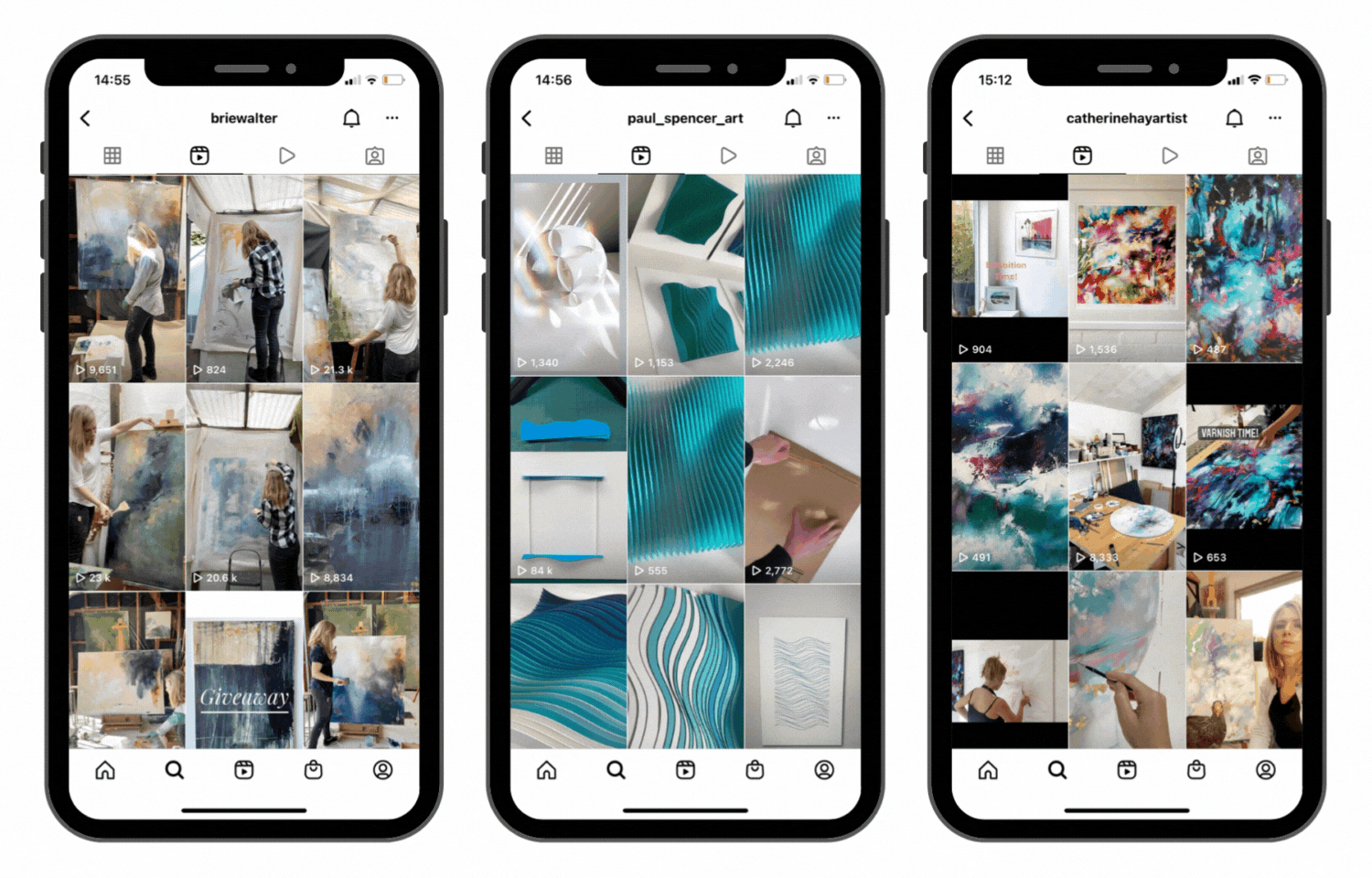
Instagram is the most direct channel for turning attention into sales because it combines a visual-first format, instant buyer contact, and commerce features in one place. It lets you reach collectors who otherwise never find you, and it funnels those encounters straight into conversations and purchases.
1. Global audience without a gallery
Instagram gives you a worldwide stage where a single post can land in front of collectors across cities and countries. That matters because you no longer need a physical show to find buyers; niche collectors find niche work, and one well-targeted caption or hashtag can create international interest overnight. According to TheArtGorgeous, over 70% of art collectors use Instagram to discover new artists. (2025), this shifts discovery from trade shows to feeds, changing who finds you and how fast.
2. A visual platform built for your work
Instagram was made for imagery, so texture, scale, and color translate better than on text-first channels. Use high-resolution photos, close-ups, Reels time-lapses, and carousels of process shots to show materiality and technique. When viewers can see how a piece was made, that reduces skepticism and speeds decisions; treat your grid like a curated display, each post arranged to highlight a selling point.
3. Direct sales conversations, not filtered leads
Buyers message you directly, ask about price, shipping, or commissions, and close without a middleman. This immediate contact builds trust because you can answer specifics in real time and tailor offers on the spot. This pattern appears consistently among independent artists: the DMs are where casual interest becomes a paid commission when you respond clearly and quickly.
4. Shape a personal brand that sells beyond the object
Your voice, process, and failures matter as much as the art itself. When you share the studio grind, inspiration, and limitations, followers attach to you as an artist and a person. That attachment increases value, because people buy stories as much as canvases; consistent visual themes plus honest context make your releases feel intentional rather than random.
5. Organic reach with genuine viral upside
A single Reel or carousel can travel well beyond your follower base through shares, saves, and recommendations. That means you can gain substantial visibility without ad spend, provided the work and the moment align. Creativity, timing, and authenticity beat budget at the early stages, so experimenting smartly is the highest-return activity.
6. Multiple formats to meet different buyers
Instagram supports finished works, behind-the-scenes clips, limited-time Stories, and pinned Highlights for pricing and testimonials. Use posts for portfolio pieces, Reels for process and personality, Stories for scarcity and quick polls, and Highlights as a shop window. Each format serves a different buyer mindset, so mix them deliberately rather than posting the same image across all channels.
7. Built-in commerce that shortens the path to purchase
You can tag products, display prices, and link to checkout, removing friction between impulse and purchase. That technical shortcut matters because emotional engagement is fleeting; the easier you make the buying process, the more likely someone is to act in the moment. According to TheArtGorgeous, 50% of art sales are now initiated through Instagram. (2025), which shows how discovery and commerce are converging on the platform.
8. Community formation that converts into loyalty
Regular interactions through comments, Q&As, and live sessions create a network that feels inclusive, not transactional. Loyal followers become repeat buyers and referral sources because they develop trust in you and your process. That long-term loyalty stabilizes income more than one-off gallery shows ever did for many emerging artists.
9. Lower cost and higher control than galleries
Galleries take commissions and control timing; Instagram lets you set price, release cadence, and presentation. That autonomy keeps more revenue in your hands and gives you the freedom to run experiments, like limited drops or tiered editions, without external approval. The tradeoff is responsibility: you handle fulfillment, returns, and marketing, but you keep strategic decisions.
10. Clear audience data to guide choices
Creator and business accounts reveal follower demographics, engagement spikes, and peak posting times. Use that data to refine captions, test pricing, and schedule launches when your buyers are most active. Pattern-based expertise shows this works: small, consistent adjustments based on insights usually outperform random posting by a wide margin.
11. Multiple income streams from a single profile
Collectors, print buyers, licensing clients, and patrons can all find you on the same account. You can sell originals, prints, digital downloads, merchandise, and commissions without moving to separate marketplaces. That flexibility reduces dependence on any single revenue line and lets you monetize attention in different ways as your audience matures.
12. A living, searchable portfolio that attracts partners
Your profile is an always-on portfolio that galleries, brands, and collaborators can browse at leisure. Because a feed evolves with new work and commentary, it shows development and range better than a static site. Think of it as a storefront window that also contains the story behind each piece, which is far more persuasive to decision makers.
Most teams handle outreach and orders through direct messages because it is familiar and immediate. That works when you sell a handful of pieces, but as interest scales, inboxes fragment, offers get lost, and fulfillment errors multiply. Solutions like Crayo centralize messages, automate tagging for inventory and commissions, and provide a unified order workflow, helping artists compress response cycles from days to hours while keeping full context on each buyer.
A short example makes this feel real: when an artist pins pricing and commission terms in Highlights and follows through with consistent Stories, inquiry quality improves and negotiation time shortens; small operational choices create outsized sales effects.
That success feels thrilling, but the next section exposes the unseen frictions that can turn momentum into chaos.
Challenges of Selling Art on Instagram
Selling art on Instagram presents predictable operational and emotional hurdles: discovery noise, inconsistent conversions, and the hidden labor of turning conversations into paid orders. Those problems are solvable, but only if you stop treating followers as the primary KPI and start fixing the concrete frictions that turn interest into a transaction.
1. The follower myth vs the absolute path to sales
Most creators assume you need tens of thousands of followers to sell, but that belief obscures the actual mechanism that makes buyers act, which is focused attention and clear buying signals. The real pattern is simple, repeatable, and smaller in scale: niche audiences who see your work often and feel a connection buy more reliably than huge, passive followings.
2. Engagement, not vanity numbers, is the conversion engine
When engagement is high, DMs, saves, and comments rise, and those interactions become the sales pipeline. Low follower counts with strong engagement outperform bloated followings because a responsive audience surfaces purchase intent and shortens negotiation time.
3. Common account mistakes that block buying intent
Many accounts repeat the same avoidable errors that keep interest from becoming income, and this problem is widespread, as noted in "90% of artist accounts show the same 7 mistakes." Those mistakes include unclear pricing, mixed visual messaging, buried commission info, inconsistent posting formats, weak calls to action, poor comment moderation, and failing to turn inquiries into documented orders.
4. The “I had followers but no sales” emotional trap
Artists can watch an account grow and still see zero orders, which is demoralizing and often leads to quitting, as captured in "My account had 1K followers and zero sales because I was doing everything wrong." That experience proves the point: follower count without aligned systems and offers produces audience fatigue, not revenue.
5. Time drain and creative burnout
It is exhausting when the platform requires daily content and constant replies; artists report spending multiple hours per day on posts, comments, and message triage, which eats into studio time. When creative labor shifts to content labor, product quality and output decline, and income becomes a function of who can sustain the social treadmill, not who makes the best work.
6. Discovery is noisy and fragile
Algorithms change, hashtags saturate, and serendipity becomes less reliable as more creators post similar content. That makes discovery a lottery when you rely solely on organic virality; predictable discovery demands deliberate audience-building tactics, not hope.
7. Operational friction after a yes
Selling a single piece is one thing; fulfilling many is another. Inventory tracking, payment links, invoicing, shipping quotes, customs paperwork, and return policies all create friction that kills momentum. Left unmanaged, these tasks turn repeatable sales into a chaotic scramble, and missed details generate disputes and lost trust.
8. Inbox chaos and lost opportunities
At low volume, DMs work. At scale, offers, shipping questions, and payment confirmations overlap and get lost in long threads. The result is lost orders and frustrated buyers, because human memory and spreadsheets fail where volume rises. Managing orders through scattered DMs feels like juggling knives while holding a sketchbook.
9. Price transparency and market pressure
Public posting invites comparison. Buyers see prints next to originals and expect clarity on editions, shipping, and value. Without consistent pricing structures and a rationale for premiums, artists get undercut or pressured into discounting, which erodes long-term pricing power.
10. Intellectual property risk and copyrighting
Images travel fast and can be replicated, resold, or used without attribution. Protecting originals, licensing, and monitoring misuse costs time and sometimes legal fees. Even when serial theft is rare, the anxiety it creates saps creative energy and shapes what you decide to post.
11. Payments, currencies, and international shipping friction
Handling different payment platforms, exchange rates, and cross-border logistics is a technical headache many artists do not plan for. Unexpected fees or slow payment confirmation can interrupt fulfillment and sour first-time buyers.
12. Inconsistent income and seasonality
Sales crush during certain periods and stall in others; that unpredictability complicates budgeting and studio planning. Reliance on social income without diversified channels makes artists vulnerable to algorithm shifts and market swings.
13. Trust and provenance challenges for higher-priced work
Collectors paying premium prices expect provenance, condition reports, and a secure transaction path. Building that credibility purely through posts takes extra effort and institutional cues that many independent sellers lack.
14. Competition with low-cost mass sellers
Mass-market print shops and merch sellers undercut price expectations. When buyers can buy a cheap print elsewhere, artists must justify higher prices via story, scarcity, or craftsmanship, which requires additional messaging and proof.
15. Conversion process breakdowns most artists overlook
This is where the routine approach fails: most artists manage inquiries through DMs and manual spreadsheets because that is familiar. As order complexity grows, context gets lost, response times slow, and buyers drop off. Platforms like Crayo centralize messages, automate tagging for orders and commissions, and connect payments to inventory, compressing response cycles from days to hours while keeping full context for each sale.
16. Practical failure modes and how they appear in practice
This pattern seems across illustrators, digital painters, and small studios: without pinned pricing, repeated templates for commission intake, and clear fulfillment steps, the conversion rate collapses. When you introduce a consistent intake form, a short turnaround promise, and a published shipping timeline, inquiry-to-order conversion improves within weeks.
17. Emotional costs that often decide careers
Artists who repeatedly face stalled sales, IP stress, or chronic admin exhaustion report shifting priorities away from ambitious projects toward survival tasks. That emotional drift reduces risk-taking and narrows artistic growth, which in turn shrinks future earnings potential.
18. Where to focus first so that effort pays off
Fix the conversion path before you try to scale reach. That means a single documented commission workflow, clear pricing, a discoverable order link, one payment method, and a fulfillment checklist. Small changes in the back office produce outsized improvements in how many inquiries become paid work.
It sounds like the end of the story, but the next part reveals the tactical, step-by-step moves that turn these problems into predictable wins.
Related Reading
- Best AI Instagram Accounts
- Can You Sell On Instagram
- How Much Money Can You Make On Instagram
- What To Sell On Instagram
- Is It Legal To Sell On Instagram
- How To Promote A Book On Instagram
- How To Do Collaboration On Instagram
- How To Sell Directly On Instagram
- How To Get Clients On Instagram
- How To Get Approved For Instagram Shopping
- How To Sell Things On Instagram Without A Website
- How To Sell Earrings On Instagram
How To Sell Art On Instagram in 22 Easy Ways
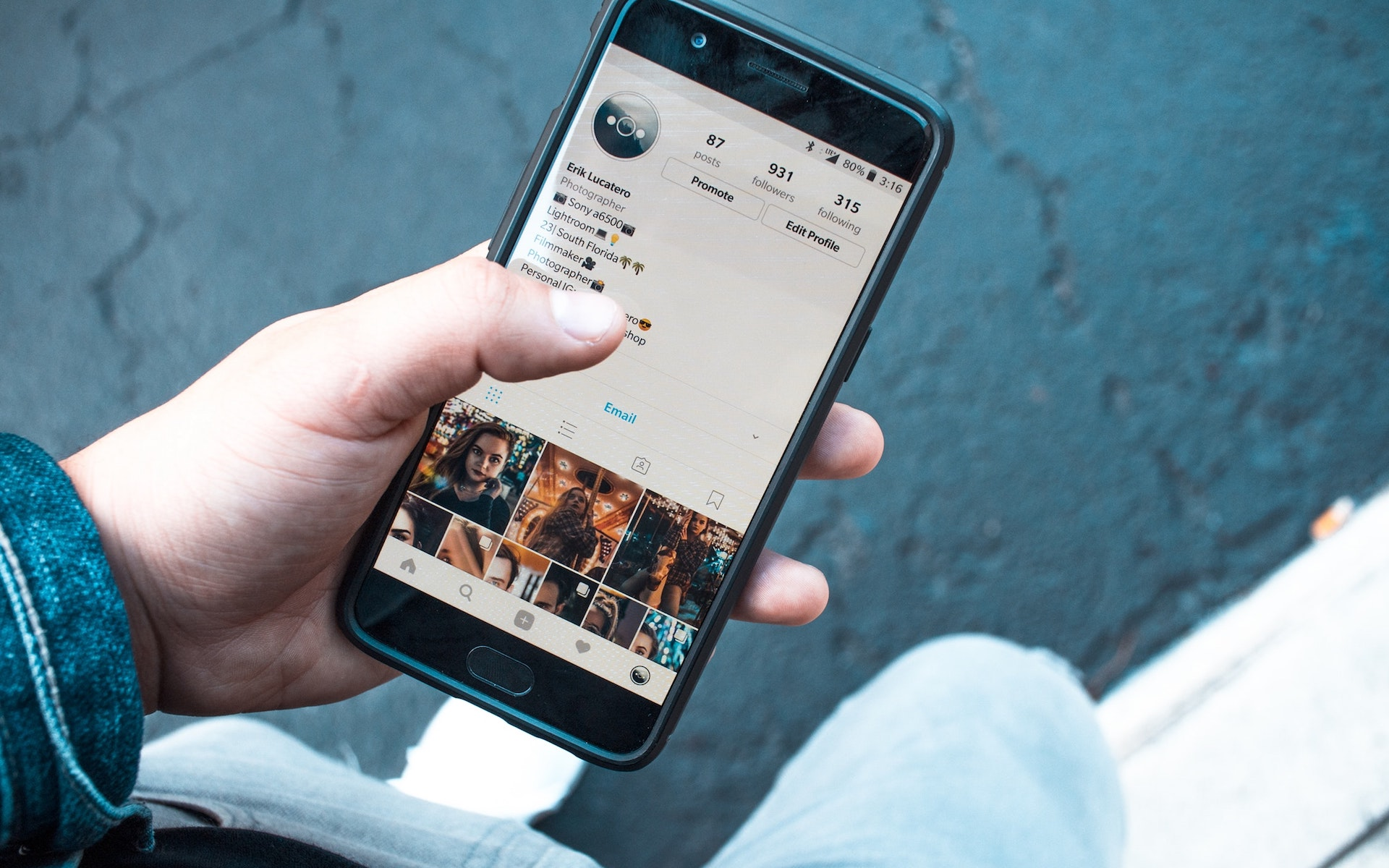
You can sell art on Instagram by treating the platform as a small, direct-commerce storefront and running it like a shop: set up professional tools, present your work with intent, and convert attention into transactions through clear flows and repeatable processes. Below I give a practical, reworded checklist with specific how-to steps for each item you asked for, focused on actions you can implement this week.
1. Switch to a Professional Account
Make the switch in Settings, choose Business or Creator, and pick a precise category for discoverability. Add a public contact method (e.g., a business email) and enable action buttons so collectors can call, email, or book directly. Confirm payment and shipping partners in Commerce Manager early to avoid surprises when demand spikes.
2. Polish your Profile for Clarity and Search
Write a keyword-rich one-line bio that tells visitors what you sell and who it suits, then follow with a short CTA. Use a crisp logo or portrait, set your profile category, and pin the exact link buyers need, whether that is a shop URL or an order form. Keep at least three Highlights: Pricing, Shipping, and About, and update them after each release.
3. Photograph like a pro, not like a snapshot
Use a gray card or color calibration when you shoot to keep colors faithful, include a scale reference in at least one frame, and capture close-ups for texture. Save originals at high resolution, then export versions sized for Instagram to avoid compression artifacts. Keep a short checklist for every upload: exposure, color, crop, and caption draft.
4. Build a consistent visual sequence
Plan posts so each new image relates to the previous three, using recurring framing and a limited palette to create rhythm across the grid. Use scheduling software to preview nine-post blocks and adjust the order until the grid reads as a curated display. Resist over-filtering; instead, edit for consistent color temperature and contrast.
5. Use storytelling frames that sell the idea, not just the object
Structure captions as a hook, a backstory, and a purchase step. Lead with a one-line emotional hook, follow with one or two sentences that add context or craft detail, and finish with a direct next step for buyers. Treat captions as mini-sales pages that build value for the piece.
6. Make Reels and Stories with intent
Open Reels with the most visually arresting two seconds, caption everything, and close with a CTA that points to your pinned link or DM. For Stories, batch a 3-frame launch sequence: teaser, detail, and how-to-buy. Reuse short process clips across formats so one shoot creates multiple assets.
7. Set engagement standards and response routines
Decide on a response SLA, for example, reply to DMs within 24 hours, and use saved reply templates for common queries. Track replies in a simple CRM or spreadsheet with columns for inquiry date, interested, agreed price, payment status, and shipping ETA. That reduces lost offers and keeps buyers feeling attended.
8. Hashtag strategy that targets intent
Rotate sets of hashtags so you mix niche community tags with broader discovery tags, and keep a private bank of 30–40 tested tags to paste from. Small, precise tags surface collectors who value your style, while broader tags help reach new eyes; measure which sets drive profile visits and save. Instagram posts with at least one hashtag average 12.6% more engagement than those without, so use them deliberately. (Social Media Examiner, 2023)
9. Plan collaborations that actually convert
Choose partners whose audiences solve a distribution gap for you, and agree on deliverables, timing, and cross-post cadence in writing. Offer value beyond exposure, for example, a limited print split, co-branded packaging, or an exclusive commission, so the exchange benefits both sides.
10. Run giveaways with an acquisition goal
Make entrants follow, tag, and sign up via a landing page to capture emails, then disqualify accounts created just for entries. Promote the giveaway in Stories and pin the rules to Highlights so the rules and winners remain visible.
11. Systematically collect and amplify UGC
When a buyer shares a photo of your piece in their home, ask permission to repost and tag them back. Build a highlight called Home Shots and occasionally offer a small discount code to anyone who posts and tags you, creating social proof and repeat traffic.
12. Configure Instagram Shopping correctly
Sync your product catalog carefully, add clear product titles and sizing, and test every tag on mobile before a launch. Make sure product pages contain SKU, variant, and shipping notes so buyers know exactly what they are ordering. With shopping set up properly, you reduce friction between discovery and checkout, which increases conversion.
13. Expand with print-on-demand the smart way
Order samples of each product to verify print quality and packaging, then list only the items that meet your standards. Price in the platform fee, production cost, and a margin that preserves perceived value, and state production lead times clearly in product descriptions.
14. Time-limited offers that don’t cheapen the brand
Use limited editions with clear start and end times, and publish an edition size and certificate format. Combine scarcity with a story about the work so buyers see why the edition is premium, not just discounted.
15. Use DMs as a high-touch sales channel, but structure them
Automate first-contact replies that set expectations and point to the shop or order form, then move qualified buyers into a structured intake, using a short form for custom work and clear deposit terms. That keeps DM threads tidy and reduces follow-up friction.
16. Batch content and publish to a schedule
Create weekly content buckets, for example, finished work, process, client story, and education, and batch shoot to fill the calendar. Use Insights to pick posting windows, then stick to those windows for at least six weeks while you test performance.
17. Launch new work like a product release
Announce a teaser, open a waitlist, reveal details with an exact release time, and use countdown stickers to build momentum. Publish a clear buying path at release time so impulse interest converts immediately.
18. Contribute to the community with consistent reciprocity
Set a small daily habit of commenting thoughtfully on five relevant posts and sharing a peer’s work in Stories once a week with a short note on why it matters. This builds authentic relationships and visibility without transactional friction.
19. Run targeted ads with tight creative tests
Start small and test one variable at a time, for example, creative image A versus B, or caption X versus Y. Prioritize audiences who have engaged with your profile in the last 30 days, then broaden only when conversion metrics remain strong.
20. Use Insights like a conversion microscope
Monitor saves, shares, profile visits, and link clicks as primary signals, not vanity likes. Track which post formats drive clicks to your shop and tie those metrics to actual orders, so you can stop making content that looks good but does not sell.
21. Craft captions that guide, not lecture
Use a three-part structure: hook, context, and a single next step. Keep the hook short, the context honest, and the call to action unambiguous, for example, "Tap the link to reserve" or "DM the code to purchase."
22. Test CTAs and iterate on language
Rotate CTAs every few posts to avoid fatigue, and measure which wording pushes more clicks or DMs. Small phrasing changes yield outsized differences in action rates; treat CTAs as conversion copies that you A/B test.
Most artists manage inquiries through fragmented DMs because it feels familiar and free, and that pattern works at low volume. As inquiries increase, however, conversations fracture, offers go missing, and stress multiplies into missed sales and late shipments. Platforms like Crayo centralize messages, offer templated intake forms, and connect payments to orders, compressing response cycles from days to hours while keeping full context for each buyer.
Visibility and content pressure wear people down, and that wears on craft. When the feed becomes noisy, you slow down, post less, and momentum stalls. To break that cycle, meet the platform with routine, not reaction. It is exhausting when your best work gets drowned out by noise, which is why operational discipline matters as much as creative energy.
That routine is the hinge between attention and commerce, and what most artists miss is how small process fixes turn inquiries into repeat buyers.
The following section will provide the creative fuel to fill that routine and sustain momentum.
30+ Content Ideas for Artists on Instagram

Start by using stories and posts that make buying feel natural: show why you make work, how you make it, who it’s for, and exactly how someone can purchase. Then pick three repeatable content formats you can sustain for months, because frequency plus clarity converts better than occasional perfection.
1. Purpose, reframed as your creative why and origin story
Tell the motive behind the work and the thread that ties pieces together. Share the reason you wake up to make art, your early memory of creating, and the specific moment the business began. Post a short video of the first sketch you still keep, a captioned carousel that walks through the name of the company, and a Stories Q&A where you answer “Why this?” in one blunt sentence. These posts make buyers value the object beyond aesthetics, which shortens negotiation and raises perceived price.
2. Philosophy, presented as operating principles
Show the values you will not compromise on and how they shape each sale. Make three posts that explain your mission in action: one showing sustainable materials in use, one showing a production standard you enforce, and one outlining how you handle returns or provenance. A pinned Highlight that explains your approach to editions, authenticity, or charitable giving is a small gesture with a big trust payoff.
3. Personality, used to humanize and differentiate
Introduce yourself as a person, not just a maker. Film a short studio tour, list three tools you can’t live without, post a “two truths and a lie” poll in Stories, and publish a micro-biography about where you find inspiration. These human posts reduce buyer anxiety because collectors buy people as well as objects; consistent personality content turns occasional viewers into repeat engagers.
4. People, defined by who your work serves
Create profiles of your ideal buyers and collaborations you want. Publish one post that sketches a “typical collector” with photos of their interior style and buying habits, another that outlines the ideal commission brief, and a third that pitches a dream collab with a specific maker or brand. That signals fit and invites the correct inquiries, which reduces time wasted on low-intent DMs.
5. Positioning, as proof you belong where you say you do
Show where you sit in the market without grandstanding. Post three pieces of social proof: a cropped feature image with a short caption about where you were shown, a testimonial from a collector paired with the purchased piece, and a side-by-side of a previous commission next to your current version to show evolution. These make the price feel justified because buyers see continuity and reputation.
6. Presentation, concrete visual, and packaging proof
Make a post series that reveals your visual identity system: logo close-ups, the evolution of the mark, the moodboard that guides palettes, and packaging snapshots with measurements. Use Stories for unboxing sequences. Prioritize Stories because over 1 billion users engage with Instagram Stories every day, which means you can build habit and urgency through lightweight, repeatable touchpoints.
7. Products, shown with buying clarity and options
Showcase finished pieces plus precise buying mechanics: a carousel with the favorite piece, a pinned post comparing the first piece to the latest, a product post that lists how to buy, and an itemized post about prints, originals, and commissions. Design one post specifically to answer “How do I buy,” and keep that link in your bio and Highlights so the path from interest to purchase is obvious.
8. Product discovery hooks and commerce signals
Craft short product-centric posts that encourage discovery, because Instagram is already where people find things to buy. Note that 60% of users discover new products on Instagram, so use product reveal templates, quick lifestyle images, and tagged posts that make it simple for curious browsers to convert.
9. Subject matter prompts collectors can search for
Make themed content series that pivot on subject and mood: one week focused on portraits, another on cityscapes, another on limited monochrome runs. For each theme, publish a visible inspiration board, a finished-piece carousel, and a caption that names who this work suits. That alignment helps new followers self-identify as potential buyers.
10. Materials and tools, as evidence of craft
Create technical shorts that show the paper, pigments, or software you use, and why those choices matter for longevity or finish. Post a macro shot of texture, a slow pan of tools in action, and a caption explaining durability or care instructions. These posts reduce buyer hesitation by answering technical questions before they arise.
11. Processes, made into repeatable formats that build authority
Turn process into predictable content: a weekly time-lapse, a step-by-step carousel of a commission from brief to delivery, and a Stories checklist of production milestones. Do this as a durable template so viewers begin to expect the rhythm. That expectation reduces the anxiety artists report when engagement is low, because the practice itself becomes the metric of progress rather than the immediate reaction count.
12. Launch and scarcity mechanics that feel honest
Show a launch sequence template: teaser frames, an open-waitlist post, and a timed release announcement, then replay the same structure for prints or originals. Be explicit about edition sizes and shipping windows so scarcity reads as quality management, not manipulation.
13. Social proof and home photography strategy
Encourage buyers to photograph pieces in situ and make a simple share kit: one short guide on lighting for phone photos, a hashtag to collect UGC, and a template message you send to new owners asking permission to repost. Use a pinned Home Shots Highlight to show real installations, which does more to close sales than a studio-only feed.
14. Micro-education and creator-led commerce
Run short educational posts that teach something useful, then tie the lesson to a product: a mini lesson on color mixing that ends with a print that exemplifies the technique, for example. Educational posts build credibility and position you as the obvious seller when a follower decides to buy.
15. Repurposing plan and asset hygiene
Create an asset template for every piece you release: three crop ratios, two short clips, one carousel caption, and one Stories sequence. Label and archive these assets so you can re-promote with minimal effort. Most artists manage content production inside camera roll folders because it is familiar, and that works at first, but as formats multiply and campaigns stack, assets scatter, deadlines slip, and you waste creative time reconciling files. Platforms like Crayo centralize scheduling, template reuse, and asset tagging, making it easier to reuse variations while keeping visual and caption consistency across releases.
16. Small, sustainable habits to protect your practice
Commit to a content cadence you can sustain for 12 weeks, for example, three posts and five Stories per week, and guard studio hours from social obligations. This prevents the burnout pattern where chasing likes replaces making work, and it keeps your output steady so discovery compounds.
Pattern note on emotion and motivation
This pattern appears consistently: when feed engagement drops, artists feel demoralized and begin chasing trends rather than building depth, which fragments their voice and reduces conversion. Counter that by treating content as a long game, with repeatable formats that reward consistency over viral luck.
Think of a content plan like a gallery wall you curate daily, not a sprint to a single viral post; each piece should point a viewer to the purchase step with small, intentional nudges.
That simple shift sets up a bigger problem that few address, and the next section pulls that thread until it matters.
Related Reading
- How To Sell Merch On Instagram
- How To Sell Jewelry On Instagram
- How To Sell Products On Instagram
- What Are Instagram Badges
- Does Instagram Pay Creators
- What Is Exclusive Content On Instagram
- Affiliate Programs For Instagram
- Affiliate Marketing On Instagram For Beginners
- Instagram Dropshipping
Struggling to turn your artwork into sales because your Instagram Reels don’t get enough reach or engagement?
If you want to stop losing studio hours to editing and start turning attention into sales on Instagram, use a tool that automates Reels from your process footage. Crayo instantly transforms time-lapses, process clips, and finished work into scroll-stopping Reels with captions, effects, and music, so you spend less time editing and more time converting views into buyers.
Related Reading
- How To Make Money As A Content Creator On Instagram
- How To Do Affiliate Marketing On Instagram
- How To Sell Art On Instagram
- How To Earn Money From Instagram By Posting
- How To Drive Traffic From Instagram
- How To Sell Digital Products On Instagram
- How To Sell Clothes On Instagram
- How To Set Up Instagram Shop
- Best Instagram Accounts To Follow