

You're building a brand, but the thought of stepping in front of a camera makes you freeze. The good news? Thousands of creators are generating income through anonymous content, leveraging video automation to produce engaging material without ever showing their face. This article walks you through 8 faceless digital marketing strategies you can learn in under 30 minutes, giving you practical methods to build an online presence while staying completely behind the scenes.
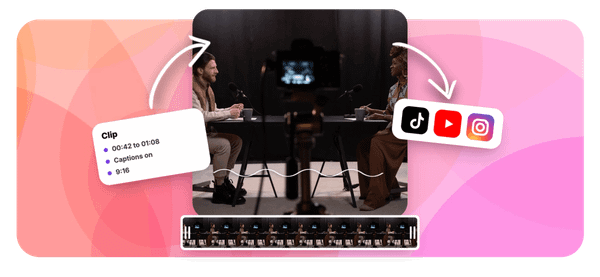
Getting started with faceless content creation used to mean hours of editing, scripting, and technical headaches. Crayo's clip creator tool changes that equation by letting you produce short form videos quickly, even if you've never edited before.
Summary
- Faceless digital marketing fails when marketers treat it as disconnected tasks instead of a connected system. The bottleneck isn't skill or effort. It's the absence of a repeatable process that turns marketing activities into predictable outcomes. Without assigned roles for each channel (lead generation, trust building, conversions, retention), campaigns feel scattered because they are.
- Starting campaigns from scratch costs more than the launch itself. 68% of businesses lack a documented marketing strategy, according to Digital Time Savers, which means they're essentially rebuilding launch processes repeatedly instead of refining what already works. The reconstruction burns hours before content creation or prospect outreach even begins.
- Organic search drives 53% of all website traffic, according to BrightEdge research, outperforming paid and social combined. SEO positions content where demand already exists, creating a sustainable lead generation channel that works without daily promotion. The traffic arrives consistently because it captures existing search intent rather than competing for algorithmic visibility.
- Marketing teams using automation see a 14.5% increase in sales productivity and a 12.2% reduction in marketing overhead, according to Salesforce research. Automation eliminates the time spent on repetitive tasks such as email sequences, lead follow-ups, and content scheduling, freeing teams to focus on strategy rather than manual execution. The critical distinction is that automation executes strategy faster; it doesn't replace it.
- Batch processing separates planning from creation, creation from distribution, and distribution from analysis. Running each phase independently, rather than cycling through them simultaneously, reduces context-switching overhead. Your brain stays in planning mode, then shifts to creation mode, then moves to distribution mode, which compresses campaign execution from 30 hours to 30 minutes.
Crayo's clip creator tool addresses the video production bottleneck by automating AI voiceovers, subtitle generation, and background removal in seconds, letting marketers focus on message testing and campaign optimization instead of manual editing work.
Why Most People Struggle to Build a Faceless Digital Marketing System

Most people fail at faceless digital marketing because they treat it as a collection of separate tasks rather than a connected system. They create content one day, chase leads the next, scramble to post on social media, then wonder why nothing compounds. The bottleneck isn't skill or effort. It's the absence of a repeatable process that turns marketing activities into predictable outcomes.
The Personal Brand Myth
Many marketers believe success requires showing your face. They see influencers building audiences through personal branding and assume visibility equals strategy. 70% of YouTube subscribers say they relate more to creators than to traditional celebrities, reinforcing this belief. But relatability doesn't automatically generate leads, conversions, or scalable growth. A face is not a marketing system.
The confusion comes from watching successful creators without seeing their underlying infrastructure. What looks like personality-driven content often runs on structured workflows:
- Content calendars
- Promotion sequences
- Lead magnets
- Email automation
The face gets attention. The system converts it. When you skip the system and rely only on presence, you end up with engagement that doesn't translate into business results.
Every Channel Needs a Defined Role
A faceless marketing system isn't just about publishing content across platforms. Each channel should serve a specific function:
- Lead generation
- Trust building
- Conversions
- Retention
Most people post without defining what each piece of content accomplishes. Blog posts appear randomly. Social media updates lack purpose. Email campaigns feel disconnected from everything else.
The workflow fragments because nothing connects to anything. You publish a video, write a LinkedIn post, send an email, but none of them guide people through a deliberate journey. Campaigns feel scattered because they are. Without assigned roles, every marketing activity becomes optional, and optional work gets skipped when time runs short.
Constant Task Switching Kills Momentum
While running campaigns, marketers jump between content creation, lead generation, email sequences, social posting, analytics review, and campaign adjustments. That creates workflow overlap. You're never fully focused on one thing because another task always demands attention. The switching itself becomes the bottleneck.
Teams building faceless brands often report this exact pattern.
- They spend Monday creating content
- Tuesday setting up lead magnets
- Wednesday scheduling posts
- Thursday analyzing metrics
- Friday adjusting campaigns
By the following Monday, they're behind again. The problem isn't working hard enough. It's rebuilding the same workflows every week instead of automating the repetitive tasks.
Tools like Crayo's clip creator compress this cycle by automatically handling the technical execution. Instead of spending hours editing videos, adjusting subtitles, syncing voiceovers, and exporting files, you focus on identifying winning content ideas and letting automation handle production. The shift moves your energy from execution to strategy, which is where faceless marketing actually scales.
Weak Systems Create Endless Campaign Cycles
A weak marketing system produces inconsistent content, irregular publishing, unpredictable lead flow, and unreliable results. When campaigns underperform, marketers restart them. They change strategies, rebuild funnels, test new platforms, then repeat the process. What starts as one campaign becomes multiple cycles of trial and error. The delay doesn't come from poor marketing capability. It comes from poor system design.
The real problem isn't running faceless digital marketing campaigns. It's manually rebuilding content, lead generation, promotion, and optimization workflows for every marketing initiative. When execution stays manual, growth expands slowly. When you structure systems that separate planning from creation, creation from promotion, and promotion from optimization, execution compresses. You stop restarting and start scaling.
Related Reading
- Top Faceless YouTube Niches
- Top Faceless YouTube Niches
- What is Voice Dubbing
- How to Do Affiliate Marketing Without Showing Your Face
- Does YouTube Monetize Ai Videos
- Turn Blog Post Into Video
- How To Create a Faceless YouTube Channel
- How To Make Faceless Content Using Ai
The Hidden Cost of Doing Digital Marketing Without a Repeatable Process

The challenge isn't that faceless digital marketing requires more effort. It's that without a repeatable process, you rebuild the same campaign infrastructure every single time. That reconstruction burns hours before you even start creating content or reaching prospects.
Starting Every Campaign as a Blank Canvas
Most marketers treat each new campaign like a standalone project. They draft fresh content calendars, rewrite promotional sequences, redesign landing pages, and reconfigure email workflows. The assumption feels logical: different products need different approaches. But when you examine what actually drives conversions (clear messaging, consistent follow-up, strategic content distribution), the framework stays remarkably similar across campaigns.
According to Digital Time Savers, 68% of businesses lack a documented marketing strategy, which means they're essentially starting from scratch each time rather than refining what already works. The cost isn't launching campaigns. It's repeatedly rebuilding the launch process.
Publishing Content Without Production Systems
Content creation without structure creates unpredictable output. You sit down to write a post, scroll through competitor feeds for inspiration, draft something that feels relevant, then repeat the process tomorrow. Some days you publish three pieces. Other weeks, nothing goes out. Audiences notice the inconsistency, and algorithms penalize it.
Clip creator tool solve this by automating video production workflows (AI voiceovers, subtitle generation, background removal) so creators shift energy from technical execution to content strategy and trend identification. When production becomes systematic, output becomes scalable.
The Mental Tax of Constant Context Switching
Marketing involves simultaneous responsibilities:
- Content creation
- Lead nurturing
- Campaign tracking
- Social engagement
- Performance analysis
Many marketers believe handling everything at once demonstrates efficiency. The reality is different. Every time you switch from writing an email sequence to analyzing ad performance to scheduling social posts, your brain needs time to recover and regain focus. That cognitive overhead accumulates. Tasks that should take 20 minutes stretch to 45 because you're mentally rebuilding context each time you return to them.
When Growth Multiplies Manual Work
Early-stage marketing feels manageable when you're running two campaigns and publishing content twice weekly. But as your business scales (more products, larger audiences, additional channels), manual processes don't just get busier. They become structurally unmanageable. Campaign launches slow down because you're coordinating more moving parts.
Lead generation stalls because follow-up sequences can't keep pace. Content production drops because creation time hasn't been compressed, even as demand has doubled. Working harder doesn't solve this. The system itself needs redesigning.
Related Reading
- How To Make Money On Instagram Without Showing Your Face
- How To Add AI Voice To Tiktok
- How To Make Money On Tiktok Without Showing Your Face
- How To Make Character AI Voice
- Faceless Content Ideas
- Faceless YouTube Channel Content Ideas
- How to Voice Over a Video
8 Faceless Digital Marketing Strategies in Under 30 Minutes

1. Response
The fastest marketers build repeatable workflows, not one-off campaigns. They use systems that generate content, attract leads, and promote offers without relying on personal visibility. The goal isn't doing more marketing. The goal is to build systems that make marketing easier to repeat.
2. Content Marketing
Use content marketing when you want organic traffic, audience growth, and long-term visibility that compounds over time.
Content continues working after publication. A single blog post, video, or tutorial can attract audiences for months or years without additional effort. The key is creating resources people actively search for, not content that requires constant promotion to stay visible.
The outcome is a repeatable source of traffic that grows as your content library expands.
3. SEO Marketing
SEO positions your content where demand already exists. Instead of chasing attention through paid ads or social algorithms, you put content in front of people who are actively searching for solutions.
According to BrightEdge research, organic search drives 53% of all website traffic, outperforming paid and social combined. That traffic arrives without daily promotion, making SEO one of the most sustainable lead generation channels available.
The difference between content marketing and SEO is intent. Content builds authority. SEO captures existing demand. Both work together, but SEO focuses specifically on search visibility and keyword targeting.
4. Email Marketing
Email gives you direct access to your audience without algorithmic interference. You build a communication channel you control, not one that changes rules every quarter.
The problem with relying entirely on social platforms is simple: you don't own the audience. Algorithm shifts can cut your reach overnight. Email subscribers, by contrast, opted in specifically to hear from you. That makes engagement rates higher and conversion paths shorter.
The outcome is more consistent engagement and repeat conversions from people who already know you.
5. Social Media Repurposing
One piece of core content can become tweets, posts, videos, emails, and short-form clips without rebuilding the creation process each time.
Most creators treat every platform as a separate workload. They write a blog post, then start from scratch for Instagram, then rebuild again for LinkedIn. Repurposing flips that model. You create once, then adapt format and length for each platform. A single video becomes ten pieces of content across five channels.
Platforms like Crayo compress this workflow further by automating video edits, adding AI voiceovers, and generating subtitles in seconds. What used to take hours of manual editing now happens in minutes, letting you focus on content strategy instead of technical execution.
The outcome is more content output without expanding your production team or time investment.
6. Lead Magnet Marketing
Lead magnets encourage people to exchange contact information for valuable resources. Checklists, templates, guides, and toolkits work because they solve immediate problems without requiring a purchase decision.
The key is specificity. Generic ebooks titled "The Ultimate Guide to Marketing" rarely convert. A checklist titled "12-Point Pre-Launch Audit for SaaS Products" targets a precise need and attracts qualified leads already interested in that solution.
The outcome is a repeatable lead generation system that builds your email list while filtering for audience fit.
7. Affiliate Marketing
Affiliate marketing allows you to earn revenue by promoting products you already recommend. You don't need to create your own products, handle fulfillment, or manage customer support.
The challenge is trust. Promoting products purely for commission damages credibility fast. The sustainable approach recommends tools you actually use and explains specifically how they solve problems your audience faces. That turns affiliate links into helpful resources instead of sales pitches.
The outcome is additional income streams from existing content and audience relationships.
8. Marketing Automation
Automation handles repetitive tasks such as email sequences, lead follow-ups, content scheduling, and campaign management without manual intervention.
According to Salesforce research, marketing teams using automation see a 14.5% increase in sales productivity and a 12.2% reduction in marketing overhead. The reason is simple: automation eliminates the time spent on repetitive tasks, freeing teams to focus on strategy and creative work.
The critical distinction is this: automation doesn't replace strategy. It executes strategy faster. You still need to define audience segments, map customer journeys, and write compelling messaging. Automation just removes the manual labor of sending each email, posting each update, or tracking each lead individually.
What Changes When You Use Faceless Digital Marketing Strategies
Before implementing these systems, most marketers:
- Rebuild campaigns from scratch
- Create content randomly
- Generate leads inconsistently
- Promote manually across disconnected channels
After building repeatable workflows, you have structured campaigns, consistent content production, predictable lead generation, and scalable marketing systems that run without constant oversight.
The difference isn't faceless versus personal branding. It's random marketing versus structured systems. Personal branding can work, but it still requires the same underlying infrastructure:
- Content calendars
- Promotion sequences
- Email nurturing
- Conversion tracking
The face is optional. The system is not. Most marketers assume the hard part is choosing the right strategies, but knowing what to do and actually executing it efficiently are completely different challenges.
The 30-Minute Workflow Marketers Use to Run Faceless Digital Marketing Campaigns

The difference between marketers who execute campaigns in 30 minutes and those who spend weeks isn't talent or budget. It's batch processing. They separate planning from creation, creation from distribution, and distribution from analysis, running each phase independently rather than cycling through all of them simultaneously for every piece of content.
Minute 0-5: Lock the Campaign Parameters
Start with constraints, not possibilities. Define the product, the audience segment, the single offer, and the conversion metric you're tracking.
For example, if you're promoting a productivity tool, your parameters might look like this:
- Product is task management software
- Audience is remote team leaders managing 5-10 people
- Offer is a 14-day free trial with onboarding support
- Outcome is trial signups tracked through a dedicated landing page
Everything else gets ignored. The tighter your parameters, the faster every decision that follows. Vague goals like “increase brand awareness" or "engage our community" create hours of debate about what to create and where to publish it. Specific goals eliminate that friction entirely.
Minute 5-10: Build the Core Message Framework
Write the headline, the value statement, the primary benefit, and the call to action. Four elements, one message.
Most campaigns collapse because marketers try to communicate multiple offers to multiple audiences through the same content. A social post mentions different features.
- An email promotes two unrelated products
- A landing page is perfect for freelancers, agencies, and enterprises alike.
That dilution destroys conversion rates. When HubSpot reports that 64% of marketers say they don't have enough time to create content, the real problem isn't time scarcity. It's message sprawl. They're creating five versions of everything instead of one focused asset that works across channels.
Minute 10-15: Generate Marketing Assets in Parallel
Create the social posts, email copy, landing page text, and any supporting visuals using your message framework as the template. Every asset should echo the same headline structure, reinforce the same benefit, and drive toward the same call to action.
The workflow fails when people treat each asset as a separate creative project. Writing a Facebook post from scratch, then switching context to draft an email, then opening a new document for landing page copy creates cognitive overhead that burns time without improving quality.
Instead, duplicate your message framework into each format and adapt the length and tone. The social post is your headline plus one benefit sentence. The email is your headline, three benefit bullets, and the call to action. The landing page is the full framework with social proof added.
AI-Powered Batch Video Creation
Platforms like Crayo compress this process further for video content. Instead of scripting, recording, editing, and exporting each video separately, you generate multiple video variations from a single input using AI voiceovers and automated subtitle placement, then distribute the batch across channels. What used to require hours of editing per video now happens in minutes across dozens of videos.
Minute 15-20: Execute Distribution Without Optimization
Publish everything. Social posts go live, emails are scheduled, landing pages are linked, and lead magnets are uploaded. Focus entirely on execution, not performance.
The instinct to optimize before launching kills momentum. Marketers spend 20 minutes debating whether the headline should say "boost productivity" or "increase efficiency," testing button colors, and rewriting subject lines. None of that matters until you have data showing what actually converts.
Distribution creates the opportunity for results. Analysis happens after you have results to analyze, not before.
Minute 20-25: Track Leading Indicators Only
Check clicks, form submissions, email opens, and traffic sources. Ignore everything else for now.
Early performance data tells you whether the campaign is reaching people and generating initial interest. It doesn't tell you whether those leads will convert into customers, whether your messaging resonates over the long term, or whether you've found product-market fit. Those insights require weeks of data, not 25 minutes.
Focused Marketing Metrics
Most marketers drown in metrics because they track everything simultaneously. Conversion rate, cost per lead, engagement rate, bounce rate, time on page, scroll depth, social shares, email forwards. HubSpot found that 70% of marketers are actively investing in content marketing, but investment without focus creates noise, not clarity.
Track whether people clicked and whether they took the first action you requested. That's enough to decide whether the campaign continues or gets paused.
Minute 25-30: Document Performance and Queue the Next Campaign
Record what worked, what underperformed, and what you'll test differently next time. Then set up the next campaign using the same workflow.
The documentation step matters more than the campaign itself. One successful campaign is luck. Ten campaigns using the same documented process is a system.
Write down the exact headline structure that generated clicks, the benefit phrasing that drove signups, the distribution channels that delivered traffic, and the offer format that converted. Those patterns become your template for the next 30-minute cycle.
Why Batch Processing Beats Continuous Workflow
The traditional marketing workflow treats every campaign as a unique creative project. You brainstorm ideas, research competitors, draft multiple versions, get feedback, revise, design assets, schedule posts, monitor performance, adjust messaging, and optimize continuously.
Limits of Launch Planning
That approach works for major launches where you have weeks to prepare and a significant budget at stake. It collapses under the demands of volume in faceless digital marketing, where you need to publish daily across multiple channels without burning out.
Batch Campaign Workflow
Batch processing separates those activities into distinct phases. You define goals for five campaigns in a single planning session. You create message frameworks for all five in one sitting. You generate assets for all five using templates and automation. You distribute everything in a scheduled sequence. You analyze performance weekly instead of hourly.
Reduced Context Switching
The separation removes context switching. Instead of jumping between planning, creating, publishing, and analyzing for each campaign, you complete each phase across multiple campaigns before moving to the next. Your brain stays in planning mode, then shifts to creation mode, then moves to distribution mode.
That's how you run campaigns in 30 minutes instead of 30 hours. Not by working faster, but by eliminating the rebuild time between each task.
But speed without direction just creates more content that doesn't convert, which is why the next step matters more than the workflow itself.
Launch Faceless Digital Marketing Campaigns Faster With Crayo
Speed without structure still wastes time. You can follow every step of the 30-minute workflow and still spend hours if you're rebuilding the same content assets manually for each campaign. The real bottleneck isn't planning or distribution. It's the creation phase, where most marketers get stuck generating video content, writing captions, and formatting assets across platforms.
Automated Video Production
The fastest way to collapse that creation window is to automate the parts that don't require strategic decisions. Most faceless digital marketing campaigns rely on short-form video content to drive engagement, but editing clips, adding voiceovers, and syncing subtitles can consume 15 to 20 minutes per asset.
That's where clip creator tool changes the equation. Instead of manually editing each video, you generate clips with AI voiceovers, automated subtitles, and background removal in seconds. The tool handles technical execution so you can focus on message testing and campaign optimization.
Faster Content Workflows
The shift isn't about doing more. It's about removing the rebuild cycle from content production entirely. When you can generate a finished video asset in under a minute, the 30-minute workflow becomes realistic instead of aspirational. You spend your time deciding what to say and where to distribute it, not wrestling with editing software.
Campaign Automation Workflow
Try the workflow on your next campaign. Define your goal, create your core message, then use automation to handle asset creation before moving to distribution. The difference between a 30-minute campaign and a three-hour one usually lives in that middle phase. Cut the manual work there, and everything else accelerates naturally.
Related Reading
- Faceless Instagram Content Ideas
- Best AI Generated Voice
- AI Tools for YouTube Automation
- Best Faceless Tiktok Niches
- Best AI Tools for Social Media Content Creation
- AI Tools for Instagram Content Creation
- Best AI Dubbing Software
- Dubbing AI
- Voice Over App