
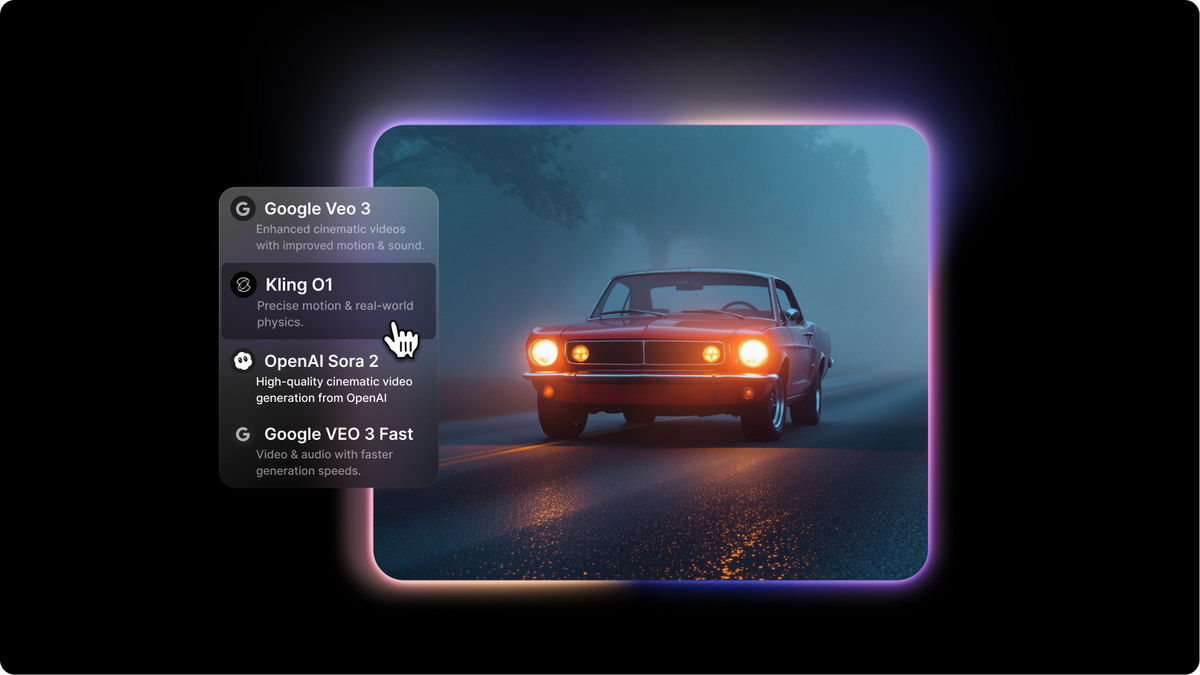
Video creation used to mean hours of editing, expensive software, and a steep learning curve. Now, video automation tools like Kling AI are changing everything, letting anyone transform text prompts into professional-looking videos without touching a timeline or learning complex effects. This guide walks you through 7 simple steps to master Kling AI for videos in just 10 minutes, showing you exactly how to generate stunning AI-powered content that captures attention and saves you countless hours.
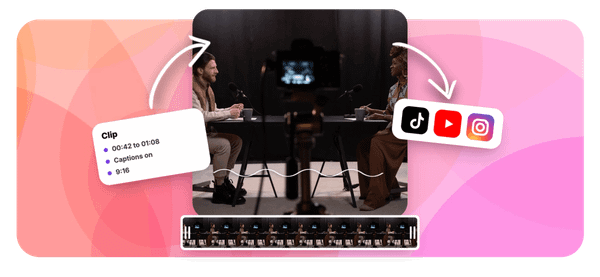
While Kling AI excels at generating videos from scratch, you might want even faster results for creating short-form content that's ready to share. That's where Crayo's clip creator tool comes in, offering a streamlined approach to producing engaging videos with automated captions, effects, and background music. Whether you're building content for social media, marketing campaigns, or creative projects, having the right tools means spending less time on technical details and more time connecting with your audience.
Table of Contents
- Why Content Creators Struggle to Produce AI Videos Consistently
- The Hidden Cost of Creating AI Videos Without Structured Workflows
- 7 Steps to Use Kling AI for Videos in 10 Minutes
- The 10-Minute Workflow Creators Use to Produce AI Videos Faster
- Produce AI Videos Faster Using Crayo
Summary
- AI video tools don't eliminate production decisions; they shift them. Creators still structure scenes, sequence transitions, adjust pacing, control the timing of narration, and manage corrections across multiple attempts. According to Alitu's Creator Craft, 73% of creators report feeling overwhelmed by the pressure to maintain consistent output, and that pressure intensifies when workflow complexity stays manual even after adopting AI generation tools.
- Small corrections compound into hours of lost production time. Regenerating a scene takes two minutes; adjusting a prompt takes three; fixing narration pacing or correcting captions; each feels minor individually. But when repeated across multiple videos, these adjustments compound, and most creators underestimate how minor fixes expand when producing content on a regular schedule.
- Segmented scene generation significantly reduces correction costs. According to Curious Refuge's guide to Kling 3.0, creators can break production into manageable segments using a 9-step workflow that separates hook, explanation, examples, and CTA sections. When a hook fails, you regenerate 15 seconds instead of 90, and when an explanation drags, you adjust one segment without rebuilding transitions that already work.
- Context switching creates hidden bottlenecks in AI video production. Constantly moving between prompting, scripting, scene adjustments, narration control, editing, and formatting creates correction fatigue and restart loops. One creator described it as trying to finish five different projects at once, none of which reach completion without dragging the others backward, making the bottleneck operational rather than creative.
- Structured workflows compress production from hours to minutes. Built This Week reports that structured workflows can compress video creation into a 10-minute workflow when repetitive decisions are eliminated upfront. The difference between creators who produce faster and those who burn hours isn't talent or tools; it's knowing which decisions to systematize so creative energy goes toward content instead of reconstruction.
Crayo's clip creator tool addresses this by automating caption sync, transitions, and formatting into a three-step workflow that reduces post-production from hours to minutes while maintaining visual consistency across uploads.
Why Content Creators Struggle to Produce AI Videos Consistently
Most content creators struggle to consistently produce AI videos because AI generation does not automatically remove workflow complexity. The problem is not AI video tools themselves. It's production overload across the workflow, where creators must still manage research, scripting, scene generation, narration adjustment, editing, and publishing within a single continuous sequence that expands rather than compresses execution time.
AI Tools Don't Eliminate Production Decisions
Creators assume AI video generation means pressing a button and receiving finished content. That expectation collapses the moment they open any AI video platform. You still need to structure scenes, sequence transitions, adjust pacing, control the timing of narration, and manage corrections across multiple attempts. According to Alitu's Creator Craft, 73% of creators report feeling overwhelmed by the pressure to maintain consistent output, and that pressure intensifies when workflow complexity stays manual. AI accelerates certain tasks, but it doesn't decide what your video should say, how scenes should flow, or when pacing feels right.
Context Switching Becomes the Hidden Bottleneck
While producing AI-generated videos, you continuously move between prompting, scripting, scene adjustments, narration control, editing, and formatting. That is workflow overlap. Your brain repeatedly reloads tasks across multiple production stages, creating correction fatigue and restart loops that slow everything down. One creator described it perfectly: constantly switching between these stages feels like trying to finish five different projects at once, and none of them ever reach completion without dragging the others backward. The bottleneck becomes operational, not creative, because you spend more time managing the process than actually creating.
Small Corrections Compound Into Hours
Regenerating a scene takes two minutes. Adjusting a prompt takes three. Fixing narration pacing, correcting captions, and rebuilding transitions each feels minor on its own. But repeated across multiple videos, they compound. One repeated correction across several workflow stages can amount to hours of additional production work. The expansion happens through repetition, and most creators underestimate how those minor adjustments multiply when you're producing Shorts, TikTok videos, AI explainers, or multi-scene content on a regular schedule. You think you're making quick fixes, but you're actually rebuilding the same workflow elements repeatedly.
Manual Workflows Break Publishing Consistency
When creators manually rebuild AI workflows for every upload, production becomes difficult to sustain consistently. That creates delayed uploads, unfinished drafts, creator fatigue, and inconsistent publishing schedules. Platforms like Crayo compress this friction by automating repetitive workflow tasks (captions, effects, background music, scene sequencing) so creators can focus on finding clips and trends rather than wrestling with technical reconstruction. The difference is structural: when repetitive production tasks stay manual, execution expands, but when those tasks become automated, execution compresses, and consistency becomes sustainable.
Related Reading
- Video Automation
- How to Make Good Tiktok Videos
- Short Form Video Production
- Can Nano Banana Make Videos
- Common Uses of AI Video Generators
- How To Create Explainer Videos
- How To Create A Faceless YouTube Channel
- Can Perplexity Ai Create Videos
- How To Use Kling Ai For Videos
- How Long Can AI-Generated Videos Typically Be
- How To Make Faceless Tiktok Videos
The Hidden Cost of Creating AI Videos Without Structured Workflows

That workflow complexity doesn't just slow you down. It quietly drains something harder to measure: creative confidence. When every video requires reconstructing the same production decisions from scratch, the mental load compounds faster than the time spent. You start second-guessing prompts, hesitating on scene transitions, and restarting sequences because nothing feels systematic.
The Iteration Tax Nobody Mentions
Athanasia Lykoudi's LinkedIn analysis highlights a pattern most creators recognize but rarely quantify: attempt #47 versus attempt #3. The difference isn't skill. It's accumulated friction from rebuilding workflow logic every single time. Each iteration carries forward the uncertainty from the last one. Did the pacing feel off because the prompt was weak, or because the scene sequencing lacked structure? You can't isolate the variable, so you adjust everything, which means testing nothing.
The real damage surfaces when you scale. One video feels manageable because the chaos stays contained. But producing three videos weekly means managing three simultaneous reconstruction projects, each with its own correction loops, pacing adjustments, and sequencing decisions. The bottleneck isn't generation speed. It's decision fatigue across overlapping workflows.
When Production Becomes a Guessing Game
Without reusable systems, every upload starts from uncertainty. You're not building on previous work because there's no structured foundation to build from. Prompt adjustments that worked last week don't transfer cleanly to this week's video. Scene transitions that felt smooth in one context feel jarring in another, and you can't pinpoint why because the underlying logic wasn't documented or systematized. Production becomes pattern matching without patterns.
That's where Crayo shifts the structure. Instead of manually coordinating captions, effects, background music, and scene sequencing for every video, the platform automates those repetitive layers so creators can focus on the creative decisions that actually differentiate content. The workflow does not compress because AI generates faster, but because the production scaffolding stays consistent across uploads.
The Confidence Erosion You Don't Track
Correction fatigue isn't just about time. It's about trust in your own process eroding with each restart loop. When you can't reliably predict how long a video will take or whether the pacing will hold together, planning becomes guesswork. Upload the schedule slip. Projects stay unfinished because you're never quite sure when they're done versus when you've just run out of energy to keep adjusting.
The hidden multiplier isn't the hours spent. It's the creative momentum lost between videos. Each one feels like starting over because, structurally, you are. And momentum doesn't compound when the foundation keeps shifting. But knowing the cost is one thing. Building the structure that eliminates it requires an entirely different approach.
7 Steps to Use Kling AI for Videos in 10 Minutes

Creators use Kling AI to compress production into repeatable execution stages, not to eliminate creative decisions entirely. The workflow reduces time spent rebuilding structure between videos by standardizing how scenes are generated, narration is sequenced, and corrections are applied. Speed comes from reusing systems, not from skipping steps. The difference between 10-minute production and hour-long reconstruction loops isn't generation speed. It's knowing which decisions to make once and which to automate forward.
1. Start With One Clear Video Outcome
Most creators open Kling AI with multiple ideas competing for attention. They test different hooks, experiment with visual styles, and revise messaging while prompts are already running. This creates scattered outputs that don't align with a single viewer's goal. Instead, define one topic, one audience action, and one content outcome before generating anything. When the outcome is clear, every prompt decision becomes faster because you're filtering options against a fixed target. Vague goals create endless revision cycles because there's no stable reference point for "done."
2. Structure the Script Before Generating Scenes
The most expensive mistake in AI video production isn't bad prompts. It's generating visuals before the narrative structure is locked. When you regenerate scenes because the script changed, you're not correcting quality. You're paying for the sequencing decisions you should have made earlier. Finalize the script flow first. Organize narration order, lock scene transitions, and confirm pacing before you write a single prompt. Pre-structured scripting removes the correction loop where visual regeneration forces script rewrites, which then require new visuals. One change no longer cascades backward through the entire project.
3. Generate Short Scene Segments Instead of Full Videos
Do not generate one continuous sequence and hope the pacing holds. According to Curious Refuge's guide to Kling 3.0, creators can break production into manageable segments using a 9-step workflow that separates hook, explanation, examples, and CTA sections. Segmented generation means that one correction affects only one section, not the entire project. When a hook fails, you regenerate 15 seconds, not 90. When an explanation drags, you adjust one segment without rebuilding transitions that already work. Full-sequence generation creates reconstruction fatigue because every fix requires touching scenes that didn't need changes.
4. Use AI Narration Before Editing Starts
Manual narration creates vocal fatigue, timing corrections, and repeated restart loops. You record multiple takes, adjust pacing, and re-record sections when energy drops. Each iteration stretches production time without improving content quality. Generate AI voice narration with structured pacing before editing begins. AI narration removes the friction of repetitive recording and produces consistent vocal energy across takes. You can test different scripts without re-recording, adjust timing without vocal strain, and maintain reusable voice workflows that transfer between projects. The time saved isn't in generation speed. It's in eliminating the restart loop that manual recording requires.
5. Use Reusable Prompt Structures
Most creators rebuild prompt formatting, visual instructions, and scene descriptions for every upload. They treat each video as a unique creative challenge instead of a repeatable production system. This approach works when you're producing one video. It collapses when you're producing ten. Reuse successful prompt systems. Standardize visual structures, maintain repeatable workflows, and document what works so you don't rediscover formatting rules every session. Teams that scale production without scaling hours do this instinctively. They recognize that most AI production delays come from repeated reconstruction work, not generation itself.
Automated Workflows and Streamlined Video Execution
Platforms like Crayo further compress this by removing the need to manage prompts manually. Instead of rebuilding scene structure and narration timing for each upload, creators select clips and let automated workflows handle visual generation, caption sync, and pacing adjustments. The 3-step process reduces production from fragmented prompt management to outcome-focused execution, letting you focus on finding trends rather than wrestling with technical formatting.
6. Automate Captions and Micro-Corrections
Manually syncing captions, adjusting pacing, and correcting transitions doesn't feel like major work in the moment. Each fix takes seconds. But micro-corrections accumulate silently across production stages, stretching 10-minute workflows into 40-minute sessions without obvious bottlenecks. Use automated caption systems, formatting tools, and pacing adjustments to remove repetitive correction loops. Automation doesn't just save time on individual tasks. It eliminates the cognitive load of remembering which corrections still need attention and prevents small fixes from compounding into workflow fragmentation.
7. Publish Before Over-Optimizing
Most AI videos don't fail because they were imperfect. They fail because creators endlessly regenerate scenes, over-correct visuals, and delay publishing while chasing marginal quality improvements. Perfectionism disguises itself as craft, but it's actually a production bottleneck that prevents you from learning what actually resonates. Consistency scales faster than perfection loops. You learn more from publishing ten videos with minor flaws than from publishing one video after 47 regeneration attempts. The goal isn't to eliminate iteration. It's to shift iteration from pre-publication guessing to post-publication refinement based on actual performance data.
Systematizing Workflows to Protect Creative Energy
These steps don't eliminate creative decisions. They eliminate the structural chaos that makes every video feel like a fresh start. The difference between creators who produce faster and those who burn hours isn't talent or tools. It's knowing which decisions to systematize so creative energy goes toward content, not reconstruction. But knowing the steps is different from executing them under real production constraints.
The 10-Minute Workflow Creators Use to Produce AI Videos Faster
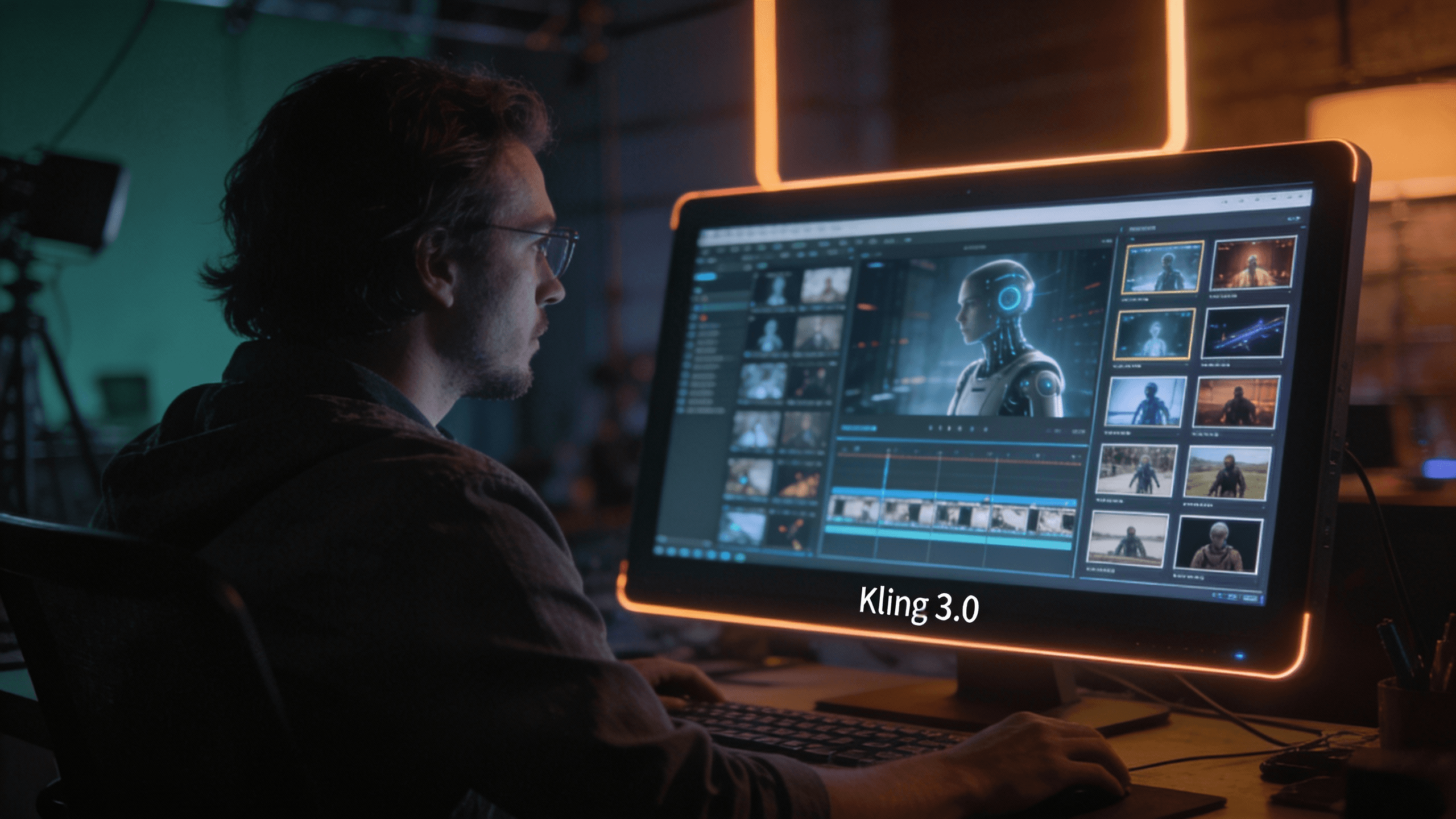
Fast AI video production isn't about generating videos instantly. It comes from reducing friction in repetitive workflows before production starts. Creators compress AI workflows by:
- Separating scripting
- Prompting
- Narration
- Visuals
- Corrections into structured execution stages
Lock the Video Structure First
- Before generating scenes, define one topic, one viewer outcome, and one content flow.
- Then structure the hook, explanation, examples, and call to action.
Most creators lose time restructuring videos during production. One creator described hitting the same wall repeatedly: "I spend more time fixing the flow than actually creating content." Structure removes pacing confusion, prompt inconsistency, and restart loops. When the framework exists before generation begins, production becomes an asset swap rather than an architectural redesign.
Generate Scripts and Narration as Separate Stages
Instead of prompting while thinking and repeatedly rewriting narration, prepare the narration flow, transition lines, and pacing structure before generation begins. Pre-structured narration reduces correction fatigue, repeated rewrites, and pacing inconsistencies. Clear structure compresses production time because you're not simultaneously inventing what to say and how to say it. According to Built This Week, structured workflows can compress video creation into a 10-minute workflow when repetitive decisions are eliminated upfront.
Generate Scenes in Small Sections
Do not generate one large continuous video. Generate short scene blocks, hook segments, and explanation sections separately. Segmented generation reduces rendering failures, regeneration loops, and reconstruction fatigue. One correction affects only one section, not the entire project. When a single scene fails, you regenerate 15 seconds instead of restarting a three-minute timeline. The difference compounds across multiple videos.
Automate Captions and Formatting
Instead of manually syncing captions, adjusting layouts, and correcting transitions repeatedly, use automated captions, reusable templates, and preset formatting systems. Most editing time comes from repeated micro-adjustments. Automation removes repetitive correction work. If you're manually timing caption placement for every video, you're rebuilding the same wheel dozens of times weekly. The task doesn't require creative judgment; it requires consistency, which systems handle better than humans.
Manual Assembly Bottlenecks and Workflow Compression
The familiar approach involves assembling each video from scratch:
- Generating scenes
- Timing captions
- Adjusting layouts
- Correcting transitions
As upload frequency increases, this manual assembly creates bottlenecks. Important formatting decisions get rushed, visual consistency deteriorates, and production timelines stretch from hours to full days. Platforms like Crayo compress this by automating caption sync, transitions, and formatting into a three-step workflow, reducing post-production from hours to minutes while maintaining visual consistency across uploads.
Export and Publish Immediately
Once pacing works, visuals align, and narration sounds clear, publish. Do not endlessly regenerate scenes, repeatedly restart production, or over-optimize every detail. Delayed publishing breaks workflow momentum. Consistency compounds faster than perfection loops. The video that ships imperfectly today builds audience trust more effectively than the flawless video that ships next month. Creators who publish consistently outperform creators who publish perfectly because algorithms reward frequency and audiences reward reliability.
The Workflow Transformation
Before structured workflows: rebuild prompts repeatedly, regenerate scenes constantly, manually correct pacing, restructure timelines mid-production.
Result: multi-hour workflows, creator fatigue, inconsistent uploads.
After structured workflows: structure first, batch narration, generate segmented scenes, automate repetitive corrections.
Result: compressed workflows, scalable AI production, faster execution consistency.
The bottleneck is not AI video generation. The bottleneck is the manual rebuilding of repetitive workflow tasks for every upload. When repetitive workflow steps are structured and automated, execution naturally compresses. The time saved isn't marginal; it's exponential because you're eliminating decision-making loops that previously consumed hours.
Related Reading
- How To Use AI To Make YouTube Videos
- Grok Ai Video Generation Capabilities 2026
- AI Composite Video
- Grok AI Video Generation Prompt Examples
- Kling AI Video Prompt Examples
- Veo 3 Maximum Video Length
- AI-Generated Video Examples
- Sora 2 Vs Veo 3
- Google Veo 3 Prompt Examples
- AI Video Prompts
- How To Create Educational Videos Using AI
- How Are People Making AI Videos
Produce AI Videos Faster Using Crayo
The workflow already exists. You don't need to rebuild it every time. Paste your idea into Crayo, generate a structured script instantly, choose a voice, add visuals, and export. That's the entire production loop. No repeated scripting, no narration restarts, no manual scene assembly from scratch.
Most creators treat each upload like a new project. They rewrite prompts, rebuild scene structures, record multiple narration takes, and repeatedly correct captions. The friction isn't in AI generation speed; it's in reconstructing the same production decisions repeatedly. When those decisions become structured and reusable, execution compresses naturally.
Crayo removes that reconstruction loop. The platform breaks your script into reusable scene sections, applies clean AI narration, automatically organizes visuals, and exports a finished video in under 10 minutes. You're not managing five disconnected tools or manually syncing captions to pacing. You're executing a workflow that already knows how to structure short-form videos.
Eliminating Friction Through Repeatable Systems
Fast production isn't about generating more scenes. It's about eliminating the repetitive friction between the idea and the finished file. When you stop rebuilding the workflow manually, you stop burning hours on tasks that should take minutes. The time saved isn't marginal, it's exponential, because you've removed the decision-making loops that previously consumed entire afternoons.
Open Crayo now, paste your first AI video idea, and generate your production workflow. Then, publish without manually rebuilding the entire system. The bottleneck was never AI capability. It was the lack of a structured, repeatable system that let you execute without starting from zero every single time.
Related Reading
- AI Product Content Creation For Ecommerce
- AI Filmmaking Tools
- Best AI for Animation
- Best AI Video Upscalers
- Best AI Video Extender
- Best AI Tools For Faceless YouTube Videos
- AI Image To Video Generator No Restrictions
- Best AI Tools For Viral Tiktok Content
- Best AI Video Enhancer For Beauty Content