


Ever notice how you open TikTok for just a minute and suddenly an hour has passed, your brain feels fuzzy, and you have watched 47 videos about raccoons stealing food? That is TikTok brain rot in action, and it has quietly become one of the defining experiences of scrolling culture today. The good news is that if you understand what makes these short, chaotic, dopamine-fueled clips so addictive, you can actually use that knowledge to create content that people cannot stop watching. This article breaks down 7 TikTok brain-rot AI tools to help you produce viral videos in 30 minutes or less.
One tool worth knowing right away is Crayo's clip creator tool, which lets you turn raw ideas into scroll-stopping, brain-rot-style content without needing editing skills or hours of free time. Instead of wrestling with complicated software, you focus on the concept and let the tool handle the heavy lifting, from captions to pacing to the kind of sensory overload that keeps viewers glued to their screens. If your goal is to tap into the short-attention-span content wave and actually get results, Crayo gives you a real starting point.
Summary
- Short-form video content has fundamentally changed how quickly creators need to move from concept to publish. TikTok users now spend an average of 108 minutes per day on the platform, more than double the time spent on Instagram, which means the algorithm consistently rewards content that earns a rewatch rather than just a first click.
- Attention, windows have collapsed faster than most creators have adjusted their production habits. The average screen attention span dropped from 2.5 minutes in 2004 to just 47 seconds today, and the average human attention span overall has fallen to 8 seconds, down from 12 seconds in 2000. Those two numbers together mean the opening two seconds of any short-form video now carry disproportionate weight relative to everything that follows.
- Most creators misread viral brain rot content and copy the wrong layer. The rapid cuts, stacked captions, and chaotic visuals are surface features, not the actual structure. High-retention brain rot follows a tight internal sequence: a provocative setup, escalating tension, and a payoff that rewards the viewer for staying. Remove any one of those three elements, and the video collapses into noise regardless of how many effects are layered on top.
- Tool fragmentation quietly destroys output consistency before most creators recognize it as the problem. Short-form video now accounts for over 80% of all internet traffic, meaning the competition for viewer attention is not slowing down. Creators who rebuild their workflow from scratch for every video, switching between separate script tools, voice generators, caption editors, and footage libraries, produce content on a slower clock than the format rewards.
- Brain rot videos can be created in under 30 minutes using AI tools, according to DomoAI's 2025 guide, which means the bottleneck was never talent or creativity. The creators publishing at high volume have standardized the repeatable parts: the caption format, the background footage, the voiceover tone, and the hook structure. Iteration on those variables compounds across videos in a way that starting from a blank page never does.
Crayo's clip creator tool addresses this directly by combining script generation, AI voiceovers, subtitle styles, and gameplay footage selection into a single workflow, eliminating the manual handoffs that cost most creators time and momentum.
Why Most Creators Struggle to Create TikTok Brain Rot Content

Chaos without structure is just noise. Most creators struggle with brain-rot content not because they lack creativity, but because they treat randomness as a strategy. The videos that actually hold attention, those that rack up replays and flood comment sections with "bro what did I just watch," follow a repeatable internal logic underneath all the sensory overload.
The failure point is usually the hook. Beginners spend the bulk of their time layering effects, swapping in trending audio, and stacking captions on top of captions, while the first two seconds of the video do nothing. According to Vox, the average screen attention span has shrunk from 2.5 minutes to just 47 seconds, which means a weak opening is not a small problem. It is the whole problem. If the hook does not create an immediate reason to stay, every effect added after it is invisible.
Why Randomness Feels Like the Right Move
The same pattern surfaces across gaming clips, meme compilations, and AI-generated content: creators see a chaotic viral video and reverse-engineer the wrong lesson. They notice the rapid cuts, the subway surfers footage running underneath, the dramatic text overlays, and they copy the surface without understanding the structure.
What looks like disorder is actually a tight sequence:
- A provocative setup
- Escalating tension
- Payoff that rewards the viewer for staying
Remove any one of those three, and the video collapses into noise.
Why Workflow Matters More Than Editing Speed
Most creators handle this by jumping straight into editing, adding effects in real time as they figure out the concept. The hidden cost is workflow fragmentation. When you are simultaneously deciding what the video is about, writing captions, choosing sound effects, and adjusting pacing, none of those decisions get made well.
Platforms like Crayo address this directly by separating the creative structure from the execution layer, allowing creators to define the concept first and then generate captions, voiceovers, and pacing in a single pass rather than cycling back through the same video 4 times.
What Actually Separates High-retention Brain Rot From Low-retention Noise
The data reinforces why getting this right matters. Users spend 108 minutes per day on TikTok, more than double the time spent on Instagram, which tells you the platform rewards content that earns the next watch, not just the first click. High-retention brain rot content creates a loop:
- The hook pulls viewers in
- The pacing keeps them disoriented in a pleasurable way
- The payoff makes them want to watch it again or share it
Creators who copy formats without building that loop produce videos that get one scroll-past, not a rewatch.
The critical difference is not talent or editing software. It is whether the creator treats brain rot as a format with rules or as a vibe with no rules. Creators who define the hook, scene order, and payoff before touching the timeline finish faster and produce cleaner, more engaging content. Those who start with effects and figure out the concept later spend hours producing something that feels busy but lands flat.
Related Reading
- Short Form Content Ideas
- How To Increase Video Engagement
- Viral Content Ideas
- Emotional Hooks
- Short Social Media Videos
- How To Make Videos For Social Media
- How To Get More Comments On Youtube
- YouTube Average View Duration
- Video Storytelling
- Social Media Content Ideas
- Why Are My Tiktok Videos Not Getting Views
The Hidden Cost of Creating TikTok Brain Rot Videos Without the Right AI Tools
Rebuilding your workflow from scratch for every video is not a creative problem. It is a systems problem that compounds quietly until the output stalls completely.
Most creators who struggle with brain rot content are not short on ideas. They are short on infrastructure. They spend the first hour searching for Subway Surfers gameplay or Minecraft parkour clips, the next hour writing a script they will rewrite three times, and the final hour stitching it together in an editor that was not designed for this format.
By the time the video publishes, the trend that inspired it has already peaked. The content arrives late, performs below expectations, and the creator assumes the concept was wrong. Usually, the concept was fine. The process was the problem.
Why Tool-switching Quietly Kills Your Output
The failure point is not using multiple tools. It is the friction between them. Every export, every format conversion, every manual copy-paste from a script generator into a caption tool represents time that does not show up in the final video. According to Sify's analysis of short-form video behavior, short-form video now accounts for over 80% of all internet traffic, which means the competition for viewer attention is not slowing down. Creators operating with fragmented, disconnected tools are producing content on a slower clock than the platform rewards.
Too Many Tools, Too Little Progress
Most creators handle this by adding another tool to the stack, convinced that the right voice generator or the right caption style will close the gap. What actually happens is that each new tool adds another handoff point, another place where momentum breaks and manual effort fills the gap. The workflow does not get faster. It gets wider and harder to manage.
Platforms like Crayo exist precisely because this pattern is predictable: when scripting, AI voiceovers, subtitle styles, and gameplay backgrounds operate within a single workflow rather than across five separate tabs, production time compresses from hours to minutes, and the consistency that algorithms reward becomes achievable rather than accidental.
What Consistency Actually Costs Without a System
The creators who publish five brain rot videos a week are not working five times harder. They have standardized the repeatable parts: the caption format, the background footage, the voiceover tone, and the pacing rhythm. The average human attention span has dropped to 8 seconds, down from 12 seconds in 2000, which means the opening two seconds of every video carry disproportionate weight. Creators who rebuild that opening from zero each time are gambling. Creators with a repeatable hook structure are optimizing.
Effects, transitions, and audio layers support a video. They do not carry it.
- The creators who prioritize visual chaos over narrative pacing produce content that feels stimulating for three seconds and forgettable by the fourth.
- Strong brain rot content moves fast because the underlying structure is tight, not because the effects are loud.
Once that distinction is clear, the next question becomes obvious: which specific tools actually close the gap between understanding the format and executing it at speed?
7 TikTok Brain Rot AI Tools for Viral Videos in 30 Minutes

The right AI tools do not just save time. They change what's possible within a single creative session, turning a scattered idea into a published video before the motivation fades.
Brain rot videos can be created in under 30 minutes using AI tools, which means the bottleneck was never talent or creativity. It was always workflow. The seven tools below each solve a specific friction point in that workflow, and together they form a production system that moves at the speed the format demands.
1. Crayo
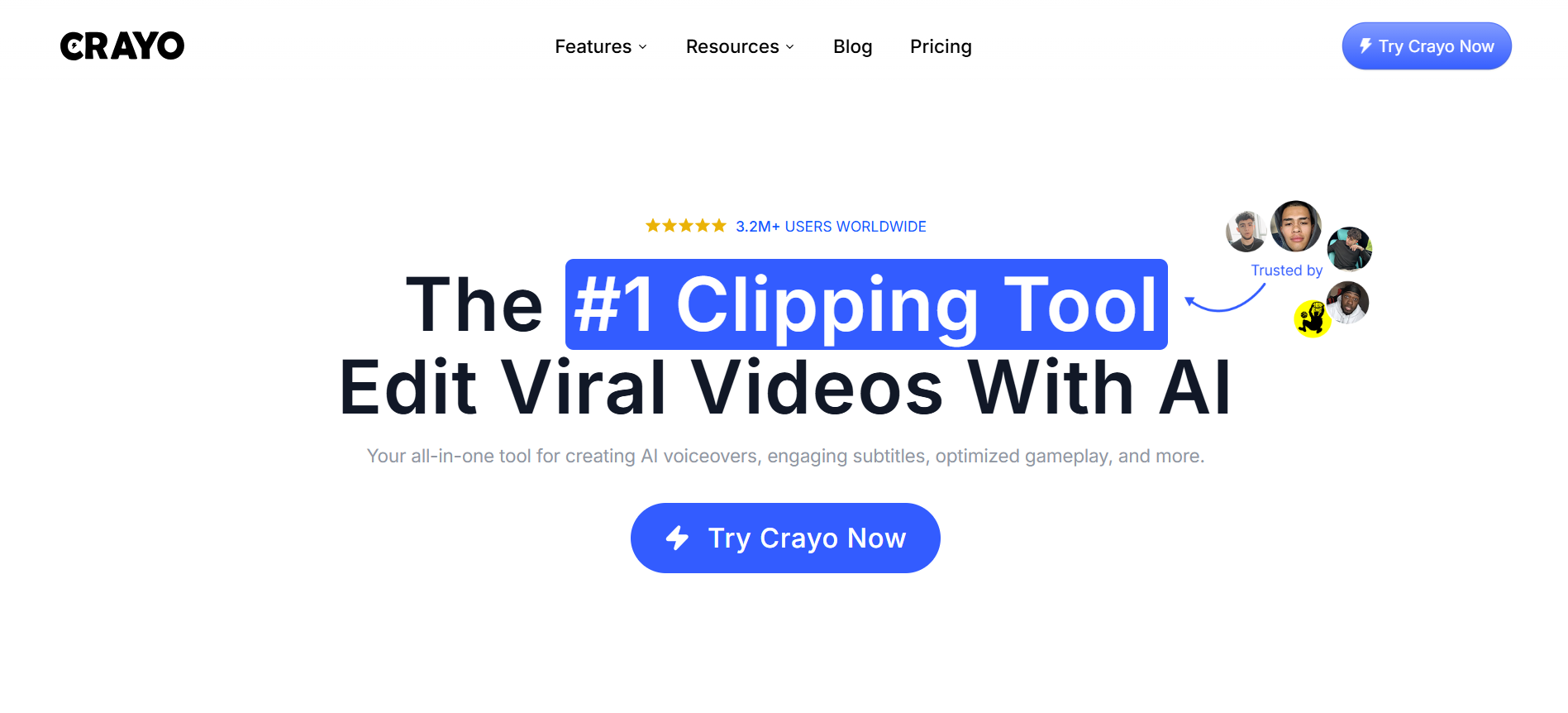
Most creators start with a blank screen and a vague idea, then spend an hour switching between a script doc, a voice recorder, a caption tool, and an editing timeline. That fragmentation is where momentum dies. Crayo collapses that entire sequence into one place, combining script generation, AI voiceovers, subtitle styles, and optimized gameplay footage into a single workflow that moves from concept to export without the tool-switching tax.
The outcome is not just a faster video. It is a repeatable system. Creators who use Crayo report being able to execute the same quality of output session after session, which matters far more than producing one great video by accident.
2. CapCut

CapCut handles the editing layer that most creators dread: transitions, pacing cuts, and automatic captions synced to audio. Its AI-powered templates are built specifically for short-form content, so the default settings already match the rhythm that TikTok's algorithm rewards. You are not fighting the tool to get the output you want.
The practical advantage is speed without sacrificing visual quality. A creator who understands pacing can use CapCut to execute that understanding in minutes rather than hours.
3. ChatGPT
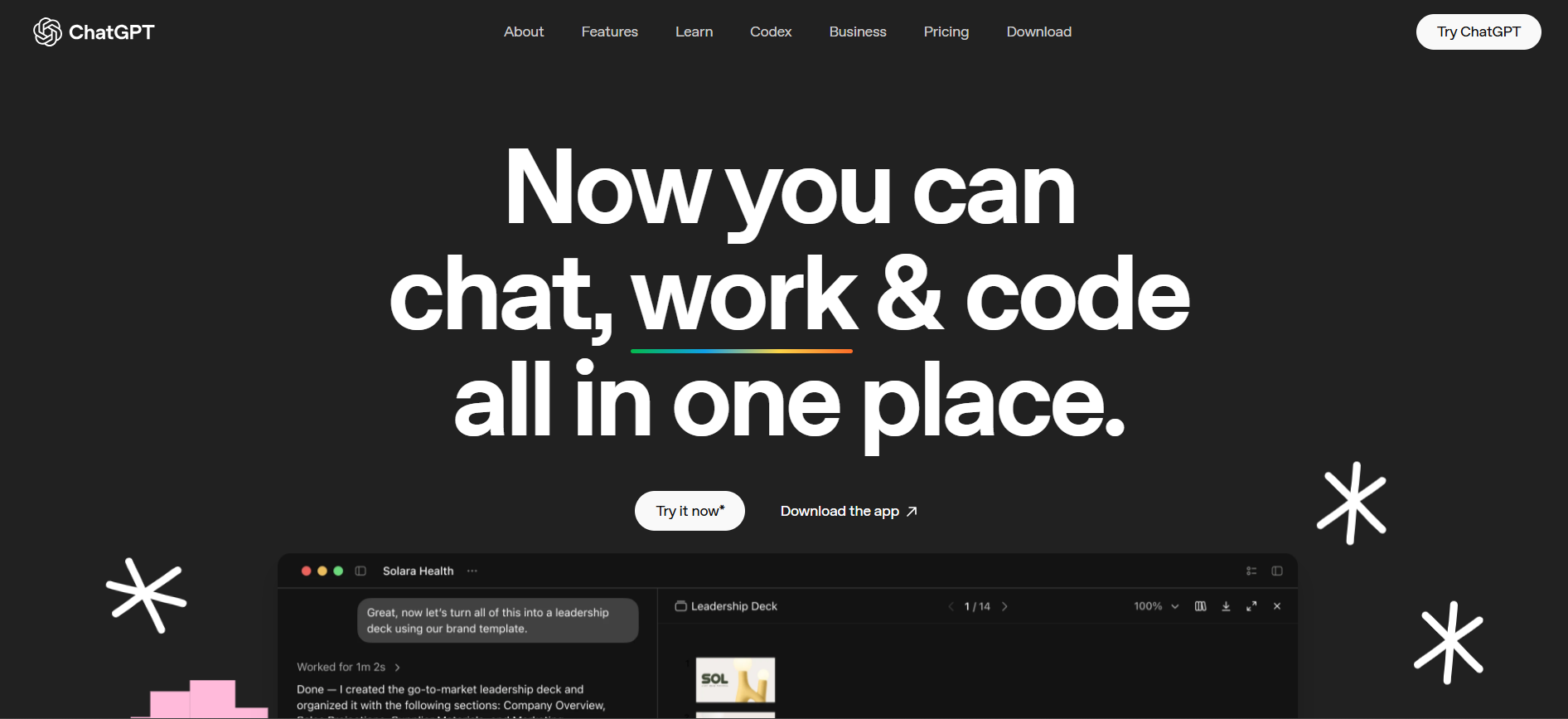
The failure point for most brain rot content is not the edit. It is the hook. A weak opening line kills watch time before the first visual transition lands. ChatGPT lets creators test five different hook angles in under two minutes, identify the sharpest one, and build the script around it before a single frame is recorded.
This is not about outsourcing creativity. It is about compressing the brainstorming phase so that creative energy goes into execution rather than ideation paralysis.
4. ElevenLabs
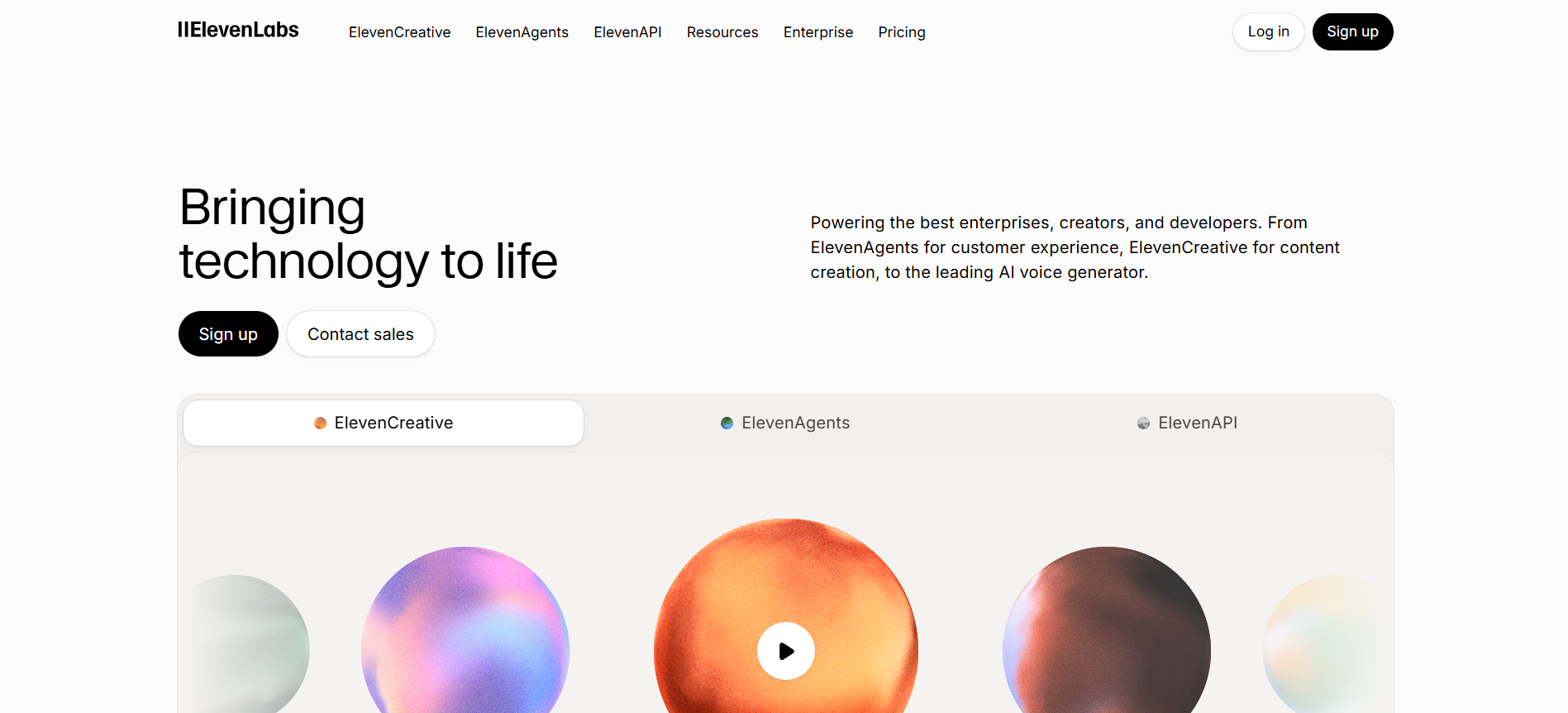
Voiceover quality is one of the most underrated variables in TikTok brain rot content. A flat, robotic narration breaks immersion even when the visuals are strong. ElevenLabs produces AI voices that convey tone, timing, and personality, so the narration layer can support the pacing structure rather than work against it.
For faceless content creators specifically, this removes the single biggest production barrier. You do not need a recording setup, a quiet room, or a voice you feel confident about. You need a script and a style choice.
5. Canva
According to Imagine.Art, 3 platforms support brain rot shorts at scale:
- TikTok
- YouTube
Each has slightly different visual expectations, and Canva makes it simple to design text overlays, meme graphics, and thumbnails that translate cleanly across all three without having to rebuild assets from scratch.
The consistency this creates matters more than it looks. Viewers recognize a creator's visual style before they register the creator's name. Canva is how you build that recognition without a design background.
6. Epidemic Sound

Background music in brain rot content is not decoration. It is a pacing signal. The right track tells the viewer's brain how fast to process what they are seeing, and a mismatched audio layer creates subtle friction that viewers feel even if they cannot name it. Epidemic Sound gives creators access to a deep library of licensed tracks organized by mood and tempo, making it easy to match audio to visual rhythm without risking copyright.
The licensed library also removes a practical headache that derails publishing momentum. Copyright strikes on audio are among the most common reasons creators lose access to their accounts or have their videos suppressed before they gain traction.
7. OpusClip

The same issue surfaces in podcast clipping, long-form YouTube content, and live stream highlights: manually scrubbing through footage to find the best moments is slow, inconsistent, and often skips content that an algorithm would have flagged as high-retention. OpusClip uses AI to automatically identify those moments, then formats them for TikTok without manual resizing or reframing.
For creators who produce longer content alongside their short-form output, this turns one recording session into five or six publishable clips. That kind of output consistency is what compounds over time into audience growth.
What Changes When the Stack Works Together
The before state is familiar: a creator with a good idea spends three hours producing one mediocre video because every step requires a different tool, a different login, and a different mental context switch. The after state is a creator who moves from idea to published video in a single focused session because each tool handles one specific job without creating friction for the next.
Build a Connected Workflow
The critical difference is not the number of tools. It is whether the tools share a logical handoff sequence.
- Script from ChatGPT feeds into voiceover in ElevenLabs.
- Audio drops into CapCut alongside gameplay footage.
- Graphics from Canva layer on top.
- Epidemic Sound closes the audio gap.
- OpusClip handles repurposing.
- Crayo ties the production loop together for creators who want that entire sequence in one place rather than seven browser tabs.
Consistency Comes From Systems
Choosing tools that fit together is a strategic decision, not a technical one. The creators publishing consistently are not the ones with the most plugins or the largest software budget. They are the ones who mapped their workflow once and stopped second-guessing it.
Related Reading
- How To Do Text To Speech On Tiktok
- Tiktok Retention Rate
- What Is Brainrot Content
- What Is Italian Brainrot
- How To Make Tiktok Videos More Engaging
- Italian Brainrot Quiz
- How To Make Brainrot Videos
- How To Create Pov Videos
- Long Form Video Content
- Tiktok Content Strategy
- Sludge Content
The 30-Minute Workflow Creators Use to Make TikTok Brain Rot Videos

Sequencing your production into tight, distinct stages is what sets creators who publish three times a week apart from those who spend three days on a single video. The workflow below is not about working faster. It is about removing the decision collisions that quietly drain every session.
Minute 0–5: Lock the Concept Before You Open Anything
The failure point is usually opening your editor before you know what you are making. When concept and execution happen simultaneously, every creative decision interrupts a technical one, and neither gets done well.
- Spend the first five minutes defining your audience, hook, goal, and target length.
- Write it down somewhere visible.
That single constraint removes at least a dozen micro-decisions from the editing phase.
A useful test: if you cannot describe your hook in one sentence, you do not have a hook yet. Brain rot content thrives on instant comprehension, the kind of scroll-stopping clarity that lands before the viewer consciously decides to keep watching. Define that sentence first, and everything downstream becomes a production task rather than a creative one.
Minute 5–10: Generate the Script With Momentum in Mind
Short-form scripts fail when they try to explain too much. The goal is one funny, surprising, or absurd idea carried across 20 to 40 seconds with no dead air.
- Use AI to draft your opening hook, narration lines, and a closing beat.
- Cut anything that does not directly serve the momentum of that single idea.
Citing research from Gloria Mark at UC Irvine, the average screen attention span has shrunk from 2.5 minutes in 2004 to just 47 seconds today. That number should sit in the back of your mind every time you write a line of narration. If a sentence does not earn its place in the first three words, cut it before it reaches the voiceover.
Minute 10–15: Build the Asset Layer
This stage is purely generative.
- Create your AI voiceover
- Pull your gameplay clips (Subway Surfers, Minecraft parkour, or whatever visual layer fits the tone)
- Generate your captions
- Collect your sound effects
The key discipline here is not creativity. It is restraint. Choose visuals that reinforce the narration rather than compete with it.
The pattern that emerges across high-performing brain rot content is consistent: the visual layer heightens curiosity, while the audio layer conveys meaning. When both fight for attention at once, completion rates drop. When they work together, viewers stay because each layer is doing a different job simultaneously.
Simplify Asset Creation
Most creators handle this asset stage by jumping between browser tabs, downloading clips from one platform, uploading voiceovers from another, and manually syncing captions in a third tool. That friction is real, and it compounds across every video. Crayo collapses that multi-step process into a single environment, combining AI voiceovers, subtitle styles, and gameplay footage selection so the asset stage does not become its own production bottleneck.
Minute 15–20: Edit for Pacing, Not Perfection
Good editing in brain rot content is not about polish. It is about momentum.
- Every cut should remove hesitation.
- Every transition should pull the viewer one beat forward.
If a scene does not increase curiosity or deliver a payoff, it does not belong in the timeline. Review your pacing by watching the edit at 1.5x speed. If it still feels slow at that rate, it is too slow at normal speed for an audience scrolling with full attention. Sound effects and background music should reinforce the rhythm of the narration, not fill the silence. Silence in brain rot content is not breathing room. It is a scroll trigger.
Minute 20–30: Publish, Then Study the Data
Vox reports that users spend an average of 108 minutes per day on TikTok. That volume of consumption creates a measurable signal inside your analytics. Watch time, completion rate, shares, and saves are not vanity metrics. They are a direct readout of which creative decisions worked and which ones lost the viewer.
The mistake is treating each video as a standalone experiment. The creators who compound their results treat every publication as a data point in a longer pattern. If one hook style consistently produces higher watch time than another, that format becomes the default starting point for the next video, not a blank page. Iteration is faster than reinvention.
Why the Stage Separation Actually Works
The problem was never the individual tasks. Brainstorming, scripting, generating assets, editing, and publishing are each manageable on their own. The overload comes from attempting all five simultaneously, which forces your brain to switch contexts every few minutes and restart its focus each time.
Separating production into five discrete stages means each stage has one job and one decision set. That structure does not just reduce friction. It makes the next session faster because you already know where you left off and what comes next. The workflow compounds across videos in the same way a well-edited script compounds across scenes: each piece makes the next one easier to execute.
Create TikTok Brain Rot Videos Faster With Crayo
The workflow you now have is only as fast as the tools you use to run it. Most creators still stitch together five or six separate platforms to handle what should be a single, connected process, and the gap between knowing the system and executing it quickly is where consistency breaks down. Crayo closes that gap by handling ideation, scripting, AI voiceovers, captions, and video generation inside a single workflow, so you move from concept to publishable short-form content in minutes rather than hours.
The creators publishing brain-rot content at volume are no more creative. They make fewer decisions per video because their tools eliminate the manual steps that slow everyone else down. Open Crayo, run the workflow once, and the difference shows up immediately: one idea becomes a finished TikTok video without rebuilding.
Related Reading
- Viral Hooks For Instagram
- Best Video Format For Tiktok
- Social Media Hooks
- Scroll-Stopping Hooks
- Best Tiktok Hooks
- Brainrot Examples
- YouTube Hooks
- How To Make A Good Hook
- Pov Ideas for TikTok