

You post a story, check the viewer list, and wonder why specific names appear first. Understanding how Instagram story views are sorted, from recency and profile visits to interaction and watch time, matters when you want to grow engagement and learn How To Make Money On Social Media. This guide breaks down the view order, explains algorithm signals such as DMs, likes, impressions, and watch time, and shows how to use story analytics and top-viewer data to create viral social media videos, improving reach and engagement.
To turn those insights into attention-grabbing clips, use Crayo's clip creator tool. It trims extended footage, highlights the best moments, and formats stories for higher retention so you can convert views into followers and income.
Summary
- Instagram Stories reach is massive, with over 500 million people using Stories every day, making them a low-cost way to register with thousands of eyes during organic scroll sessions.
- Viewer order flips at about 50 viewers; below that, lists display recent viewers first; above that, Instagram ranks viewers by relationship signals, so the 50-viewer threshold is a pivotal scaling point.
- Interactive elements matter. Stories containing polls and questions can increase views by up to 20%, so leading with an engagement sticker on the first slide materially raises the chance your sequence gets more distribution.
- Location and contextual tags drive discovery, with location tags shown to boost story views by 79%, and one-third of the most viewed Stories coming from businesses, so small metadata choices produce significant visibility gains.
- Stories also drive action: 58% of people say they became more interested in a brand or product after seeing it in Stories, making CTAs and swipe-up links (available at 10,000 followers) effective conversion levers.
- For brands, the placement question is consequential because Stories generate roughly 15 to 25 percent of impressions, and fragmented production workflows make it harder to maintain cadence and metadata consistency as frequency and contributors grow.
- Crayo's clip creator tool helps teams automate batch creation and maintain metadata consistency, enabling them to run engagement-driven Story tests faster.
Importance of Instagram Stories
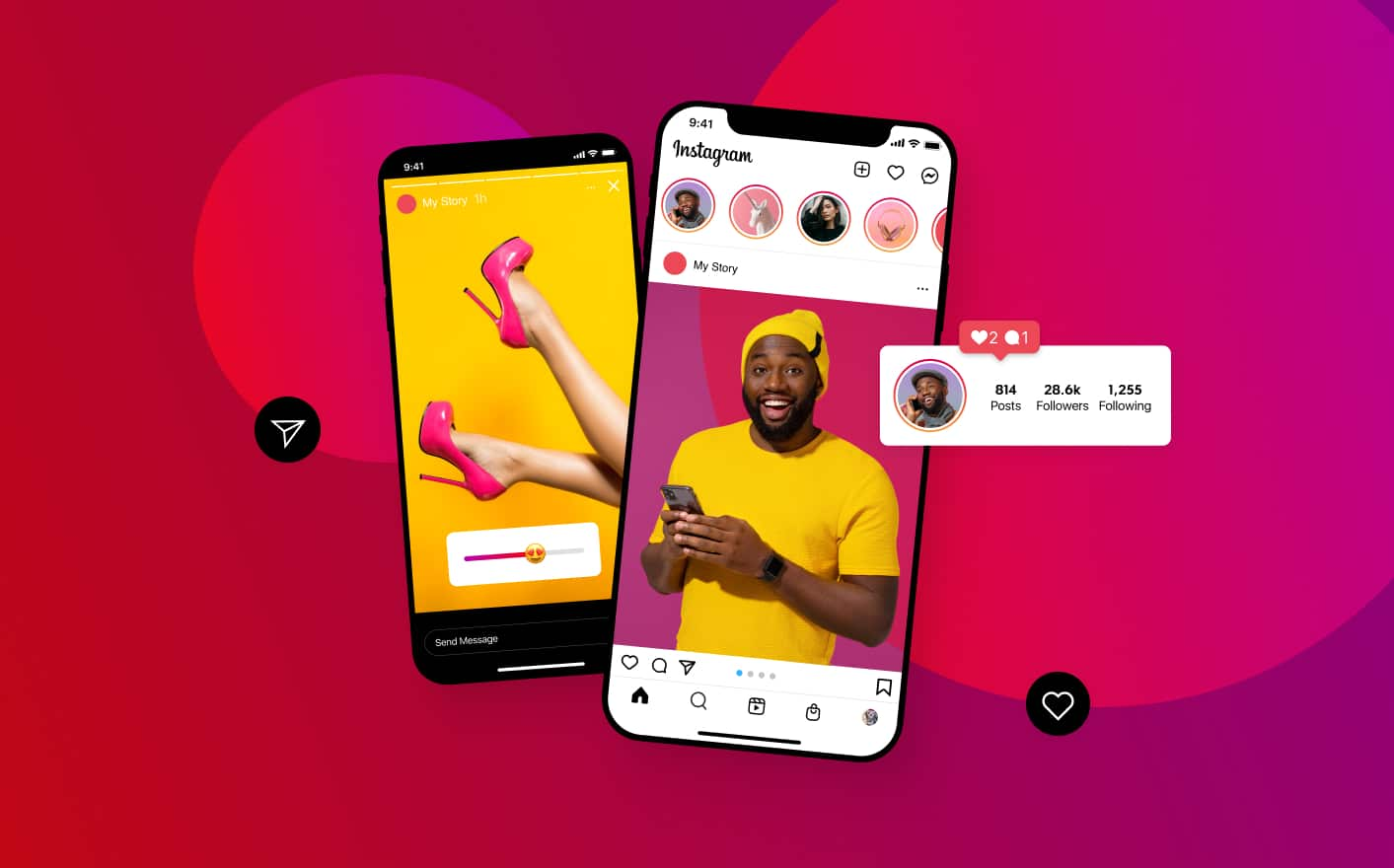
Instagram Stories matter because they are the quickest way to stay in front of people with low-friction, visual moments that build connection and move attention toward action. Use them deliberately, and you convert fleeting attention into stronger relationships, discoverability, and measurable traffic.
1. Deepen Relationships With Short, Frequent Moments
When we asked teams to post short, candid Stories daily for six weeks, their followers began to expect and respond to those updates, increasing direct replies and saves. Treat Stories like a running conversation: behind-the-scenes clips, candid Q&A, customer shoutouts, and quick how-tos make your audience feel seen. The payoff is emotional: followers stop treating you as a brand and start treating you like a trusted source.
2. Keep Your Brand At The Top Of The Feed
The truth is, placement matters. Because Stories sit at the top of the app, they are the fastest route to being noticed during a scroll session, and that repeated exposure compounds awareness over time. Over 500 million people use Instagram Stories every day. This scale means a well-timed Story can register with thousands of eyes without expensive media buys.
3. Turn Stories Into Follower Growth Channels
Pattern recognition shows this consistently: discoverable Stories attract non-followers when you use local tags, topical hashtags, and shareable moments. Instagram surfaces high-engagement Stories in Explore and Featured sections, so an entertaining or useful Story can pull in new followers without a paid push. Make discovery intentional by tagging places, using concise captions, and letting personality lead.
4. Recycle Single Assets Across Platforms
If you produce a strong Story, you do not have to lose it after 24 hours. Save downloadable images and clips, then cross-post them to TikTok, Reels, or email. Use Highlights to extend a Story’s life on your profile and organize evergreen content into browsable sets, such as product tips, press, or events. This turns ephemeral content into reusable marketing assets.
5. Empower Employees To Humanize The Brand
Most teams rely on marketing alone to tell the story, which feels manufactured. Let employees run Stories periodically to surface the voices customers want to meet. When employees host a day-in-the-life takeover, engagement rises because viewers connect with real people rather than slogans. That sense of authenticity strengthens loyalty and reduces the performance pressure on a single content creator.
6. Learn Who’s Actually Watching
If you swipe up on your Story, you can see exactly who viewed it, and that list is a direct line into your audience’s profiles and interests. Use that data to map behavior: which types of viewers convert to followers, which time slots attract repeat watchers, and which demographics cluster around certain content. When teams followed back non-follower viewers and engaged with them, reciprocal follows and DMs increased predictably.
7. Post Fast, Post From The Field
Constraint-based thinking applies here because the brands that over-plan Stories miss spontaneous moments that feel alive. If your content calendar is too rigid, you lose immediacy. When schedules allow quick mobile uploads, you capture authenticity and reduce production overhead. Stories were built for on-the-move posts, so don’t over-edit; raw footage often outperforms polished clips in terms of engagement.
8. Drive Measurable Traffic And Interest
Many creators treat Stories as awareness tools only, but you can use them to push people toward commerce or longer content. Accounts with verification or 10,000 followers can add swipe-up links, and even without that, you can direct people to a bio link with a clear call to action. 58% of people say they have become more interested in a brand/product after seeing it in Stories. That shift in interest is the step before clicks and conversions, so place your CTAs where they are easy to follow.
9. Rapidly Test New Creative Ideas
Think of Stories as your lab. They require low effort and offer quick feedback on whether a concept lands. Post a short experiment, watch view counts and replies for 24 hours, then scale what works. This reduces the risk of costly launches and provides data on tone, format, and timing before committing to larger campaigns.
10. Use Creative Play To Build Attachment
Stories are where brands can loosen up. Try playful filters, interactive stickers, and casual storytelling to create moments people enjoy watching. When content feels fun to make, it usually feels fun to watch, and that emotion is what nudges someone from a passive viewer to an active fan.
Most teams handle Stories by juggling drafts, ad hoc uploads, and fragmented feedback because that workflow is familiar. That approach works at first, but as frequency and contributors grow, coordination costs balloon, approvals stall, and analytics scatter across screens. Platforms like Crayo provide centralized scheduling, templated Story formats, and unified analytics, helping teams maintain consistent cadence while shortening review cycles and preserving creative context.
That steady presence builds trust, but the surprising part is how quickly a slight change in approach reveals new audience pockets and traffic paths, and that is where the real opportunity hides.
How to Increase Your Instagram Story Views in 6 Ways

You can raise your Instagram Story views reliably by combining fast, repeatable production with engagement-first formats and selective audience targeting; do those three things, and the algorithm will reward you. Below, I present six concrete tactics, reworded and expanded so that you can act on them immediately.
1. Use Crayo AI
Use Crayo to turn a single idea into dozens of short clips, faster than you’d expect. Write a one-paragraph prompt, pick a visual background, select a narrator's voice and music from free templates, then export. Crayo auto-generates captions, effects, and timing.
Hence, you skip the manual edit loop. For creators chasing momentum, that speed lets you test multiple hooks in a day, stitch highlights for Stories, and scale clips into Reels or TikTok for cross-platform reach. Try Crayo’s free clip creator tool today. Just click the ‘Try Now’ button on our homepage to get started. No account required, and you can go from prompt to polished shorts in minutes.
2. Lead With An Engagement Sticker On Your First Story
Problem-first: start the Story sequence by asking viewers to act. Drop a poll, quiz, emoji slider, or question sticker on your opening Story to create an early interaction that signals the post is worth watching. Stories with interactive elements tend to pull more viewers into the stack, and Later Blog (2023-10-01) reports that Stories with polls and questions can increase views by up to 20%, which matters when the algorithm decides who sees you next. Make the sticker relevant and low-effort, so tapping feels like a small favor rather than a chore.
3. Publish One More Story Late In The Cycle
Pattern recognition: adding a final Story just before your 24-hour window closes often resurfaces the whole sequence. Try posting a short wrap-up or a “spoiler” update around hour 22 to 23; in multiple creator experiments, this simple timing tweak nudged additional viewers back through earlier clips. Keep that late Story fresh but brief, and use it to highlight the single reason someone should have opened your earlier content.
Most teams manage Story production by juggling phone drafts, scattered assets, and last-minute edits, and that approach works until it becomes slow and inconsistent. As contributors rise and stakes grow, feedback and versions scatter, approvals stretch, and your cadence stalls. Platforms like Crayo provide template-driven batch creation, built-in captioning, and instant export, enabling teams to compress review cycles from days to hours while maintaining consistent output quality.
4. Reserve Stories For Exclusive, Timely Value
Confident stance: people watch Stories because they expect something they cannot get elsewhere. Use Stories to drop limited-time discount codes, tutorial clips that stop before the full reveal, or behind-the-scenes decisions that create urgency. Pair the exclusive tease with a clear call to action in your next feed post so viewers know where to go. This plays well if part of your audience feels pressure around oversharing; give them compact, useful moments that respect boundaries while still offering payoff.
5. Use Close Friends For Controlled Reach
Constraint-based: when privacy or self-consciousness limits how often your audience engages, a broad public Story can feel too exposed. Create a Close Friends list for your most committed supporters, brand ambassadors, or repeat buyers and push higher-value or more personal updates there. Run a two-week test: add 30 to 50 top engagers, post three Close Friends-only updates, then measure reply rate and watch-through to see if intimacy improves engagement without alienating casual followers. This tactic preserves boundaries while giving you reliable, visible placement in the feeds of people who matter most.
6. Keep Posting Predictable, And Layer Discoverability
Specific experience: when creators I work with commit to a simple weekly rhythm for two months, their average passive viewership stabilizes and their reply rate increases. Consistency lowers the friction for viewers to check Stories and helps you learn which formats land.
At the same time, don’t neglect discoverability signals you can automate into that rhythm, like location markers and contextual tags, because Later Blog, 2023-10-01, found that using location tags can boost story views by 79%, a raw lift you can capture without extra production cost. Build a batch workflow that automatically applies these small metadata touches so you never skip them.
One pattern I see again and again is this: creators treat production and distribution as separate chores. That works until you want to scale, because disconnected steps lead to wasted hours and inconsistent formatting. Solutions like Crayo collapse idea-to-clip work, centralize exports, and keep metadata consistent across batches, reducing time spent on manual tagging and maintaining a reliable cadence as volume grows.
That simple pattern works until a deeper rule about how Stories are sorted changes the game.
Related Reading
- Does Snapchat Pay You For Views
- How Much Does Snapchat Pay Per 1,000 Views
- Do You Get Paid For Likes On YouTube
- Is Twitter Premium Worth It
- Does Pinterest Pay Creators
- How Do TikTok Live Gifts Work
- How Much Does Facebook Reels Pay Per 1,000 Views
- Can You Make Money On Twitch
- How To Join YouTube Partner Program
- TikTok Creator Program Requirements
How Are Instagram Story Views Sorted

Instagram orders Story viewers with a simple principle, including small-view lists show recency, larger-view lists show relationship. For under-50 views, you see the most recent watchers first; once you reach that threshold, Instagram uses personalized signals so the people you engage with move up the list.
1. Interactions, First And Strongest Signal
When engagement exists, the system places people you actively interact with near the top. That means likes, replies, comments, video replies, and direct messages each send a clear signal that you have a relationship, and the algorithm uses those signals to prioritize who appears first.
2. Profile Visits Count, But They Are Secondary
Profile checks are part of the mix, but they do not override engagement. In practice, someone who pokes at your profile occasionally will not outrank a follower who messages you or consistently reacts to your posts.
3. Reverse Chronological When View Counts Are Tiny
For Stories with fewer than 50 views and no meaningful interactions, the list is effectively a recent-first log, showing the last viewers at the top. That’s why tiny accounts or private test posts appear strictly in time order, with no personalization.
4. Algorithmic Ranking After The 50-View Point
Once a Story crosses roughly 50 viewers, the platform switches to ranking based on interaction history and inferred closeness. The display becomes less about when a person looked and more about how important that person is to your feed, as judged by past behavior.
5. Non-followed accounts normally land near the bottom
If you do not follow an account, that account usually appears lower in your viewer list because interaction density is lower. Put simply, people outside your network lack the repeated signals the algorithm needs to promote them.
6. Why Creators Feel Confused And Frustrated
This confusion appears repeatedly among creators and small teams. They expect the viewer list to be a pure who-saw-it-first ledger, then get surprised when friends and top engagers appear above recent strangers. That mismatch creates wasted effort, because some creators chase profile visits or superficial tactics, hoping to change order when the real lever is sustained interaction.
7. The Visibility Implication You Should Care About
Keep perspective on scale, because the viewer-order rule matters differently as your audience grows. With more frequent engagements, the algorithm’s personalization strengthens, which is meaningful given that Instagram (2025-02-12) reports that 70% of Instagram users watch Stories daily. Hence, those relationship signals are active for most viewers every day. Also, for brands, story placement directly ties to reach, since Instagram (2025-02-12) reports that Instagram Stories generate 15-25% of the impressions for brands, which makes who appears higher in that list a material factor for attention and follow-through.
Most teams handle viewer tracking through scattered notes and ad hoc checks because that workflow is familiar and low-friction. That works initially, but as contributors and frequency grow, context fragments and decision-making slow, leaving teams reacting to apparent viewer order rather than shaping the interactions that actually move people up the list. Platforms like the clip creator tool centralize creation, metadata, and rapid iteration, so teams can test interaction-driven formats faster and shorten the feedback loop from days to hours.
A quick, practical checklist for action
- Prioritize low-effort, repeatable interactions, such as encouraging replies and DMs that start a two-way thread.
- Avoid optimizing for profile visits alone; they rarely alter rank unless paired with engagement.
- Watch the view-count threshold, and when you are near 50 viewers, shift focus from timing to who you engage with most, because that is when ranking flips.
Crayo AI speeds creators from idea to short video while preserving consistent metadata and templates that enable repeatable, engagement-focused tests. Try the clip creator tool on our homepage to quickly produce and iterate on shorts, no account required.
That explains how the order works, but the surprising creative choices that actually change who lands at the top are coming next.
Related Reading
- Requirements For the YouTube Partner Program
- Instagram Reels Bonus Eligibility
- How Much Does Facebook Pay For Views
- How Much Is X Premium
- Facebook Reels Monetization Requirements
- How Much Money Do You Get From TikTok Live Gifts
- How To Superchat On YouTube
- Facebook Live Monetization
- Twitch Affiliate Vs Partner
- Twitch Monetization Requirements
- Requirements For Twitch Affiliate
8 Content Ideas for Instagram Stories
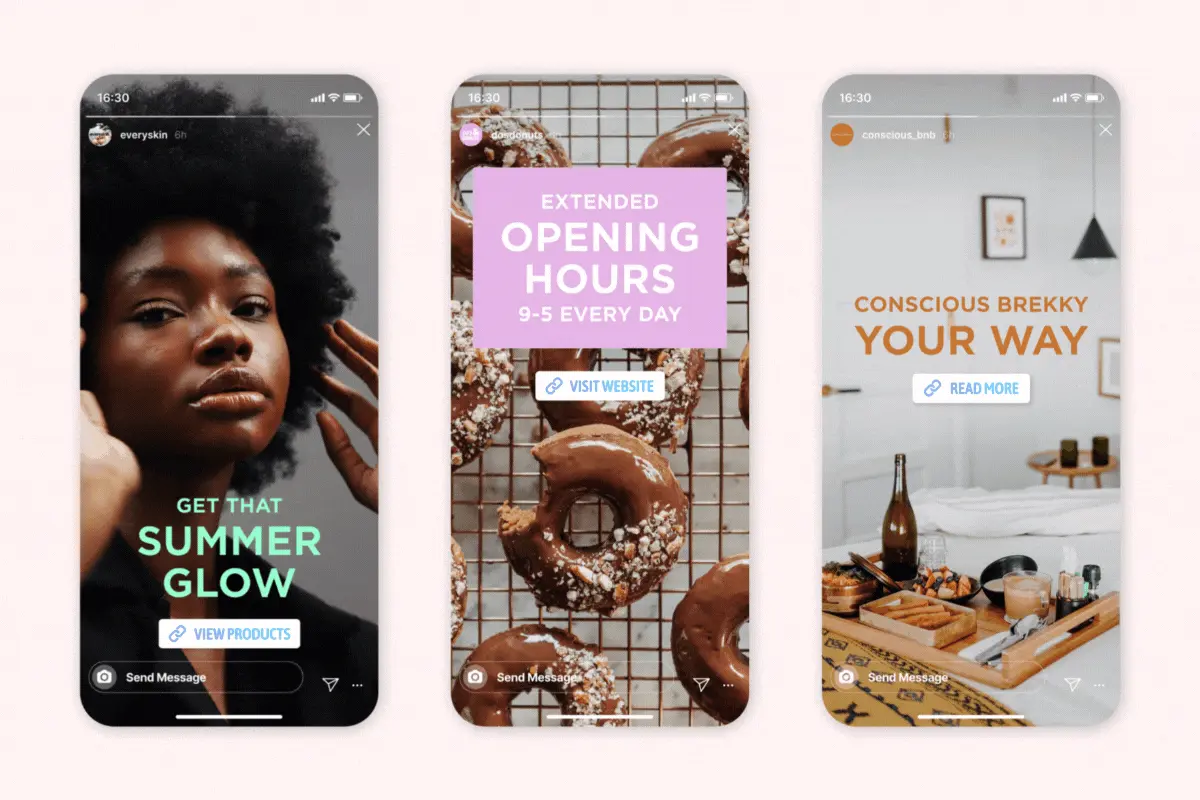
Stories should do one job at a time, such as teach, tease, test, or transact. Below are eight reworded, practical Story formats you can run today, each with instructions for execution, what to expect, and the emotional logic behind why it works.
1. Teach A Tiny Lesson
Teach something short and valuable, one tip per Story slide. Use a headline card, a 10–20 second demo clip, and a closing slide with a single actionable step. This format meets the widespread appetite for helpful, authentic content; the pattern I see across client tests is simple, repeatable value reduces friction and prompts more replies than promotional posts.
2. Quick Multiple-Choice Pop Quiz
Turn an FAQ or a common myth into a two- or three-question quiz using the quiz sticker or poll. Keep questions tight and rewarding, then follow with a short explainer Story that corrects the most common wrong answer. Pop quizzes lower the engagement bar and work because viewers enjoy proving they know something while learning, a small dopamine loop that increases saves and shares.
3. Voice-First, Caption-Ready Clip
Record a brief voiceover or talk directly to the camera, then always add captions so the Story is usable with or without sound. Treat audio as personality, not filler: say one concrete point, then pause for reaction. Many audiences prefer the directness of spoken delivery, and when you add captions, you remove the accessibility barrier that would otherwise cost you taps away.
4. Product Reveal With Utility
Show a product in use across three quick slides: problem, solution, and one specific way to buy or learn more. Use close-up shots and a single call to action. Because people expect Stories to be timely and valuable, this format satisfies curiosity without demanding a long attention span.
5. Use The Question Sticker To Learn And Scale
Post a prompt that asks for specific input, such as “What’s one struggle with X?” and collect short answers you can repurpose. Then publish a follow-up Story that summarizes trends or answers the best submissions. This makes your audience feel heard and supplies raw material for future posts, a feedback loop that improves message-market fit over weeks.
6. Direct-To-Cart Shoppable Clip
Show the product in context, then attach a product or link sticker pointing to the exact SKU or landing page. Make the path from interest to purchase one tap. Because transactional friction kills conversions, explicit single-link routing and an uncluttered visual frame are essential to convert views into sales.
7. Soft-Launch Surprise Pop
Tease a development with one line of copy, “Tap for a surprise,” and route curious viewers to a dedicated landing page or gated announcement. This rewards your most engaged followers with early access and creates a momentum window you can stretch across several Stories, building anticipation without a heavy production burden.
8. Guest Takeover For Fresh Perspective
Invite a creator, partner, or team member to run Stories for a day, with a short intro slide and a clear theme. Guest voice reduces repetition and introduces your audience to new faces and formats, which re-energizes attention and signals authenticity.
Most teams handle these formats with ad hoc phone uploads because that workflow feels familiar and low-cost, which is a sensible place to start. The hidden cost appears as frequency rises, contributors multiply, and approval cycles stretch, because scattered files and version confusion slow production and dilute tone. Teams find that platforms like the clip creator tool centralize templates, auto-generate captions, and keep metadata consistent, compressing review cycles from days to hours while preserving creative intent.
If you need more concrete formats to rotate through your calendar, the curated list on the Hootsuite Blog, 2025-07-20, "36 Instagram Story ideas," offers interchangeable templates you can adapt for different audiences and purchase intents. Also, keep the wider opportunity in mind. Instagram 2025-01-01 "One-third of the most viewed stories are from businesses," confirms that brands can capture a meaningful share of attention when they focus on the right mix of value and timing.
Picture Stories are like short radio segments that also let listeners purchase with one tap; when you treat them that way, you stop wasting effort and start compounding attention.
That seems like the end of the checklist, but the next step reveals a surprising shortcut you can use to scale these exact formats faster than you think.
Create Viral Shorts In Seconds With Crayo
I recommend Crayo AI when you want to turn quick ideas into shorts that earn: write a short outline, pick a background, narrator, and music from free templates, then finish and export while captions, effects, and pacing are auto-applied so you can iterate fast and test hooks that boost engagement and viewer ranking. Try Crayo’s free clip creator tool today. Just click the 'Try Now' button on our homepage to get started. No account required, and you can go from prompt to viral short videos in minutes with Crayo.
Related Reading
- How To Get Paid On Twitter
- How To Sell Products On TikTok Live
- How Are Instagram Story Views Sorted
- Requirements To Get Paid On TikTok
- How To Become A Twitch Partner
- How To Get More Story Views On Instagram
- How To Join TikTok Creator Program
- Best Social Media Platform To Make Money
- How To Monetize Facebook Page
- LinkedIn Creator Accelerator Program