
You post a short Reel that gets views and comments but no payout — so how do you turn that attention into reliable income? If you’ve ever searched for how to make money on social media, you already know that the answer isn’t just “go viral.” Understanding Facebook Reels monetization requirements sits at the heart of any sustainable earning plan, because eligibility rules, follower thresholds, watch time, original content standards, ad revenue share, and account standing determine who gets paid. Which metrics matter most, and what content moves you past the payout threshold?
This guide outlines clear steps for eligibility, content guidelines, in-stream ads, Reels Play bonus rules, brand partnerships, and creator tools, enabling you to create viral social media videos that meet policy and earn revenue.To help you hit those goals, Crayo's clip creator tool turns raw footage into polished Reels designed for engagement, original content checks,s and the monetization tools you need.
Summary
- Monetization depends on strict thresholds, including switching to Professional Mode and meeting follower or watch-time minima such as 5,000 followers and either 60,000 minutes of eligible watch time in the last 60 days or 30,000 one-minute views.
- Originality and format rules serve as gatekeepers, requiring creators to have at least five original videos and meet clip constraints, such as a minimum 10-second length, to pass eligibility reviews.
- Fragmented production workflows and missing metadata turn momentum into missed payout windows and creator fatigue, with burnout commonly appearing over 2 to 3 month stretches and review cycles expanding from hours into days or weeks.
- The platform offers massive reach if you align with its mechanics, accounting for 71.64% of social media referral traffic in 2025 and more than 1 billion Reels played every day, meaning a well-timed clip can rapidly scale daily viewership.
- Short, native content wins for sharing and retention, with videos under 30 seconds having a 70% higher chance of being shared. A sustainable cadence of roughly 3 to 5 Reels per week helps preserve algorithmic momentum.
- Diversify revenue paths but prepare for gating, since options like paid subscriptions often test at $5 to $15 per month, Stars require 500 followers for 30 consecutive days and pay about $0.01 per Star, and ad or bonus programs are frequently invite-only.
- This is where Crayo's clip creator tool comes in; it addresses production bottlenecks by automating bulk clip generation, captioning, and template exports, allowing teams to sustain the publishing cadence and perform eligibility checks that drive monetization.
Table Of Contents
- Benefits of Facebook Marketing
- Facebook Reels Monetization Requirements
- 23 Tips on How to Make Viral Facebook Reels
- How to Make Money Through Facebook in 7 Ways
- Create Viral Shorts In Seconds With Crayo
Benefits of Facebook Marketing

Facebook marketing pays off because it combines massive reach with precise control, letting you find buyers, follow them through the funnel, and measure what actually turns into revenue. You get scale, repeatable audience signals, and formats that work at every stage from awareness to purchase.
1. Accessibility to a Wider Audience
Why does reach matter? Facebook gives you a dense, multi-demographic pool to fish in, so you can find buyers whether you sell crafts or enterprise software. Because campaigns scale across age groups and geographies, you can test messages quickly and learn which segments convert, then allocate budget away from losers. And because most activity is mobile-first, your creative and landing pages must be built for thumbs and quick attention.
2. Works for B2C and B2B alike
Who can advertise effectively here? Both. The familiar assumption is that Facebook is only for consumer brands, but B2B buyers live on the same feeds and respond to well-timed, relevant creative. When teams apply job title and company size signals with tailored messaging and a frictionless off-Facebook experience, campaigns that start as low-funnel lead generation turn into real sales. If you target workplace segments and then remarket outside office hours, you keep your brand top of mind when buyers are ready to act.
3. Multimodal targeting that covers the whole funnel
How do you engage at every stage? Use different formats for different goals: short video for attention, carousel for consideration, lead forms and checkout for conversion. Reels, Stories, and Messenger ads enable you to layer frequency and intent, allowing a single audience to be warmed, qualified, and closed without losing context. Short-form content and Reels monetization trends push creators to prioritize engagement metrics, so optimize for view-through and interaction as much as clicks.
4. Transparent referral and traffic signals
What makes Facebook unique for attribution? You control the targeting, and the platform sends a predictable stream of referral traffic you can measure and segment. Because Hootsuite reports that Facebook accounts account for 71.64% of social media traffic referrals in 2025, those referral flows become a meaningful input to media mix decisions, rather than noise. Use the unified Business Suite to map cross-platform behaviors and reduce wasted spend by focusing on the referral paths that actually drive conversions.
5. Psychographic targeting that predicts behavior
Why move beyond demographics? Interests, life events, and behavior signals tell you who is likely to act, not just who they are on paper. If your product depends on lifestyle alignment, psychographic segments often beat pure demographic cuts because they reflect intent and passion. Meta’s predictive inference can stitch small in-app signals into richer audiences, so your message lands with people whose behavior suggests genuine interest.
6. Reach competitors’ audiences without blunt targeting
How do you steal attention from incumbents? Build custom audiences around brand affinity clusters, then layer your value proposition and creative differences to enhance your messaging. Interest Clusters let you reach users linked to multiple related brands, which gives you thousands of qualified prospects without buying pricey third-party lists. That approach works best when your creative speaks directly to why someone might consider switching.
7. Variety of ad formats to match creative strategy
What format should you use? There is no one-size-fits-all. Facebook supports a wide range of formats, including static images, carousels, video, stories, slideshows, lead ads, and more, so you can choose formats that align with your testing cadence, production budget, and funnel stage. User-generated posts often outperform polished ads because they read as endorsements, while purpose-built creatives control the narrative. Mix them strategically to keep the cost per action falling while you scale.
8. Drive qualified traffic and reduce drop-off
How do you move people off-platform without leaking conversions? Utilize in-platform primitives, such as Lead Ads, Shops, and in-app checkout, to streamline the path and direct only high-intent audiences to your site. That reduces bounce and removes friction from the purchasing process. When you do send people to your site, make sure your landing experience mirrors the ad’s promise so conversion momentum continues.
9. Measure performance and iterate fast
What tracking should you rely on? Tag the site with conversion tracking, configure aggregated event measurement for iOS compliance, and use lift tests to validate incrementality. With proper instrumentation, you can see which creative, audience, and placement combos produce revenue, not just vanity metrics. Without pixel-level data, auto-optimization will run blind, so measurement is an operational priority, not a checkbox.
10. Grow and retain an owned audience
Why keep investing after acquisition? Facebook profiles can serve as a low-cost platform to nurture repeat buyers and advocates. Treat your page like a product extension, with regular content, offers, and community signals. Over time, a committed follower base reduces CPA and increases lifetime value because repeat buyers require less persuasion and respond more to tailored updates.
Most teams handle campaign setup with spreadsheets and ad manager hacks because it is familiar, but that approach fragments audience lists, duplicates creative work, and wastes budget as scale increases. As complexity increases, manual lists and ad duplication lead to audience overlap and slow down optimization cycles. Platforms like Crayo centralize audience building, automate creative routing, and maintain clean segmentation, compressing manual setup from days to hours while keeping measurement intact.
A simple comparison: precise targeting is like tuning a radio to signal, not noise, so you need both an accurate dial and the right antenna to hear a clear message.
That familiar sense of control is practical, but there is one hidden tension that most teams miss, and it will shape everything that follows.
Related Reading
- Does Snapchat Pay You For Views
- How Much Does Snapchat Pay Per 1,000 Views
- Do You Get Paid For Likes On YouTube
- Is Twitter Premium Worth It
- Does Pinterest Pay Creators
- How Do TikTok Live Gifts Work
- How Much Does Facebook Reels Pay Per 1,000 Views
- Can You Make Money On Twitch
- How To Join YouTube Partner Program
- TikTok Creator Program Requirements
Facebook Reels Monetization Requirements
Facebook’s Reels monetization has a clear checklist: your account must be in a professional mode, meet audience and content thresholds, show recent viewer engagement on eligible clips, host original videos, follow Facebook’s rules, be located in a supported market, and have an active payout method set up. Below, I break down each requirement and explain what it practically means for creators who want to generate revenue from Reels.
1. How do I get the correct account type?
Switch your personal profile into Professional Mode to access the Professional Dashboard and monetization tools. This enables creator analytics, eligibility checks, and the necessary settings to connect payment and tax details. Please don’t skip this step, as it is required to view the eligibility prompts.
2. How many followers are required?
Your profile must show at least 5,000 followers to qualify. That follower baseline signals to the algorithm and Facebook’s review system that you have a community worth monetizing, so focus growth on authentic engagement rather than vanity counts.
3) What viewing metrics does Facebook require?
You need to accumulate 60,000 minutes of eligible video watch time across your content in the last 60 days to meet the standard watch-time pathway. Some creators can qualify through alternative view-based thresholds, for example, 30,000 1-minute views, Facebook Reels Monetization Requirements, which amounts to a view-count route rather than raw minutes, so check which metric your account tracks and optimize toward that one.
4. How many original videos must I publish?
You must have uploaded at least five original videos to your profile that meet Facebook’s originality and reuse rules, meaning they are materially created by you and not repurposed duplicates. Also note that clip-level eligibility requires specific structural rules, as platform gating includes minimum format constraints. For example, a Facebook Reel must be a minimum of 10 seconds long to be eligible for monetization. Casey Times | TO Answer your Questions, so short, reuse-heavy compilations often fail the review.
5. What content rules apply?
Your channel and every monetized video must comply with Facebook’s Community Standards and Content Monetization Policies, which ban hate, gratuitous violence, sexually explicit material, and other disallowed content. Violations not only block individual clips, they can reset eligibility clocks or remove monetization entirely, so build a simple compliance checklist you run each video through before publishing.
6. What about my country — does location matter?
Yes, you must reside in a country where Facebook’s monetization features are enabled. Support availability varies over time, and being outside a supported market will block payouts even if you hit the other thresholds.
7. How will I receive payments?
Set up an active payout method, such as a PayPal account or a bank account, inside the payments section of the Professional Dashboard. Facebook requires this before it will distribute funds, and accounts with incomplete or unverified payout details can see payments delayed or withheld.
This is where the usual creator workflow breaks down: most creators grow clips, stitch together edits, and chase trends because that feels like progress, but the hidden cost is fragmented assets and slow iteration when a quick eligibility fix is needed. As teams scale production, version control fails, captions go missing, and review cycles stretch from hours to days, which kills momentum.
Most teams handle short-form production through ad-hoc tools and manual edits because it is familiar and cheap. That works until speed and consistency matter, at which point the delays compound and eligibility windows close. Platforms like Crayo AI provide an alternative, automating bulk clip generation, captioning, effects, and music selection so teams maintain a steady flow of eligible, original shorts while cutting production time dramatically. Try Crayo’s free clip creator tool today, no account required, by using the Try Now button on the homepage to move from idea to export in minutes.
This system-level view matters because many creators feel exhausted and distrustful of platform mechanics, a pattern I see across growing channels: algorithms throttle reach, creators feel like they are renting their audience, and that steady churn produces real burnout over 2 to 3 month stretches unless workflow friction is removed. If you want to keep eligibility intact, you need both disciplined content controls and a production pipeline that treats each Reel as a repeatable, reviewable asset.
But the real strain is less about meeting a checklist and more about keeping all the moving parts in sync when one missed item erases weeks of progress. Continue reading, as the next section breaks down the practical steps that convert eligibility into repeatable earnings.
23 Tips on How to Make Viral Facebook Reels
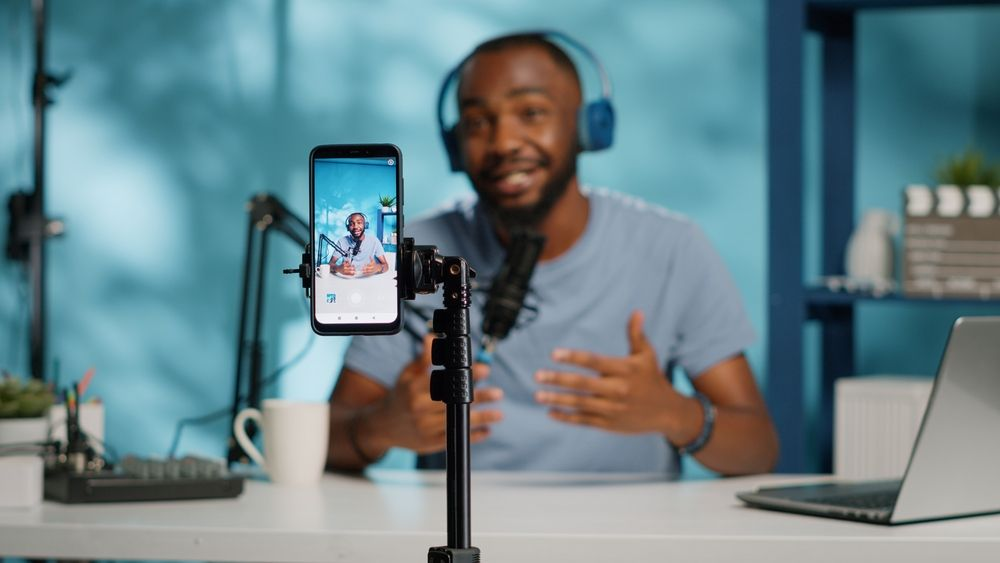
You make Reels go viral by combining tight, emotional hooks with repeatable production and distribution patterns that encourage sharing and rapid consumption. Focus on format, timing, and genuine audience fit, then scale that formula with tools and community work that keep you publishing enough to stay visible.
1. Use Crayo AI, reimagined for speed and scale
Crayo AI turns prompts into finished short-form clips, automating captions, effects, background footage, and music so you can move from idea to export in minutes. Write a quick outline, pick a style template, swap voices and background clips, and export unlimited variations for testing. Try Crayo’s free clip creator tool today. Just click the ‘Try Now’ button on the homepage to get started, no account required.
2. Post consistently, but sustainably
Why does rhythm matter? Because the algorithm rewards steady outputs, and an inconsistent schedule kills momentum. Plan 3 to 5 Reels per week and batch-produce one to two weeks of clips at once so you don’t stall when life gets busy. This pattern appears across solo creators and small teams: consistency breaks down when production is manual, so build a pipeline you can sustain.
3. Respond to mentions every time
How should you treat mentions? Replying to positive, neutral, or negative tags signals to your audience that you care and prompts more interaction. A brief, timely reaction increases comment depth and keeps threads active, which the platform reads as relevance. Treat mentions as low-friction engagement opportunities, not tasks to defer.
4. Match your content to your audience’s immediate needs
Who is this for? Always design a single Reel to educate, entertain, or inspire one clearly defined segment. If you try to speak to everyone, you’ll resonate with no one. Frame each clip around a single promise the viewer can judge in five seconds, and your click-through and shares will climb.
5. Use a targeted mix of hashtags
Which tags actually help? Combine one or two trending tags with three to five niche tags that map to the exact interest cluster you want, and rotate them by theme. Track which tags drive reach and swap underperformers; this small optimization often multiplies discoverability.
6. Time posts when your audience is active
When should you publish? Use Facebook Insights to identify 2–3 daily windows when your followers are online, and then schedule posts for those specific times. Posting at peak moments increases the chance your Reel gets immediate traction, which is the signal Facebook uses to amplify new clips.
7. Collaborate with creators who share adjacent audiences
How do collaborations scale in reach? Partner with creators whose followers share overlapping interests but not identities. Co-create a mini-series or dual-perspective clip that gives both audiences a reason to stay and share. The right collaboration increases initial velocity and often produces evergreen cross-traffic.
8. Engage in relevant Facebook communities
Where do conversations start? Active participation in niche Groups and Pages establishes authority and gives you safe places to seed new Reels. Share your clip only when it genuinely adds value to the discussion, and you’ll earn amplification without being flagged as spam.
9. Design for positive mentions and share triggers
What makes people tag friends? Build relatability, surprise, or practical value into each clip. Simple prompts, such as “Tag a friend who needs this,” work when the content earns the ask. When emotional resonance is high, viewers naturally create word-of-mouth momentum.
10. Repurpose high-performing clips across platforms
How do you squeeze more value from one idea? Reformat a top-performing TikTok or Instagram short for Facebook by adjusting captions, swapping music, and re-editing the first two seconds so it reads native on the platform. Cross-posting widens reach while minimizing extra production work.
11. Use emojis deliberately to draw attention
How do small signals help? Clever emoji use highlights the hook or CTA and breaks caption scannability. Keep them relevant and sparse so they punctuate, not clutter, the message.
12. Build an unignorable hook in the first 3 seconds
What grabs attention instantly? Start with a bold claim, a visual surprise, or an unsolved question. Your goal is retention through curiosity, so lead with a single, crisp sensory or cognitive cue that promises a payoff.
13. Make emotional connection your baseline
Why emotion? Clips that make people laugh, tear up, or nod in recognition are shared far more often. Use a human detail or a tiny personal story to create empathy; small, honest moments beat polished emptiness.
14. Test multiple formats to avoid creative fatigue
What formats should you rotate? Alternate quick tutorials, short challenges, behind-the-scenes clips, and direct-to-camera commentary. Each format serves a different tapping point in the algorithm, keeping your audience guessing.
15. Stick to topics your audience cares about right now
How do you pick topics? Prioritize immediate problems, everyday rituals, or trending pain points that your niche is experiencing. Relevance beats novelty when your aim is shareability and quick adoption.
16. Cross-promote Reels to other channels strategically
Where should you push traffic? Share to Instagram Stories, pin a clip to your profile, embed Reels in newsletters, and use short links in bios. Small nudges across channels amplify initial view velocity and help clips clear early visibility thresholds.
17. Monitor reach and interpret the patterns
What should you watch beyond views? Track reach, watch time, retention by second, and shares. If a topic gets high shares but low retention, tighten the hook; if retention is strong but shares are low, add a clearer share prompt.
18. Keep videos short and focused
Which length wins? Short clips perform better for sharing and completion. Remember, the platform favors content that is watched to the end. Concise edits increase completion rates and share potential, as noted by the Onstipe Blog. Videos under 30 seconds have a 70% higher chance of being shared.
19. Join niche trends, not just broad ones
How do you trend smartly? Look for trends inside your niche where you can add a unique angle, then apply your voice. This approach gives you the benefits of trend momentum while keeping relevance high.
20. Polish visuals and audio like a pro
What technical details matter? Clean framing, bright lighting, and clear sound separate forgettable clips from memorable ones. Invest in a consistent look so viewers can recognize your content immediately.
21. Use sounds that match your emotion and hook
Which audio choices work best? Select trending sounds that align with your message; otherwise, choose music or voice tracks that enhance the emotional arc. Audio often determines shareability because it drives mood and memorability.
22. Ask for engagement with a simple CTA
What CTA converts? Short, contextual CTAs such as “Share this if you agree” or “Tag someone who needs this” work best when placed where attention peaks, usually after the reveal or payoff.
23. Always shoot vertical and native to the platform
Why vertical? Facebook Reels are consumed on mobile. Vertical framing fills the screen, increasing immersion and reducing the friction of turning a device or squinting at letterboxed footage. Native-feeling clips win attention faster.
Status quo friction and a practical bridge
Most creators batch content with ad-hoc tools and manual edits because that approach is familiar and cheap. As volume grows, versions scatter, captions get lost, and approval cycles stretch, which creates missed posting windows and burned-out creators. Platforms like Crayo centralize clip generation, automatic captioning, template-driven effects, and bulk exports, compressing production from hours to minutes while keeping every asset traceable and reviewable.
Distribution scale reminder
Amplify your best-performing Reels, because a single well-timed clip can trigger sustained follow growth when it reaches high daily playback rates, as shown by Facebook Business. Over 1 billion Reels are played every day on Facebook, which means your content can tap into a massive daily audience when the other elements align.
That simple shift in production and distribution often solves the consistency problem without burning creators out.
That apparent finish line hides a more challenging question about revenue and strategy, and the next section exposes the surprising ways that reach converts to real income.
How to Make Money Through Facebook in 7 Ways
You can build revenue on Facebook through several distinct but complementary paths, each with its own rules and activation steps. Below I list seven practical options, reworded and expanded, with clear get-started actions so you can pick the mix that fits your audience and capacity.
1. Paid subscriptions
Why this works
Turn your most loyal followers into a predictable monthly income by offering members-only posts, early access, and exclusive perks. This establishes a sustainable foundation of recurring revenue rather than relying on one-off sales.
How creators qualify and what to prepare
The platform gates subscriptions based on audience and engagement thresholds, so plan your content to deepen repeat visits and loyalty before applying. This gating frustrates many creators because follower counts alone rarely clear the path; engagement and watch-time thresholds matter as much as raw reach.
Example and price framing
Set a price that matches the value you deliver, whether it is behind-the-scenes access, exclusive lessons, or private Q&A sessions; many creators test $5 to $15 monthly to find the sweet spot. Daphnique Springs’ model demonstrates how creators can offer exclusive tiers while maintaining free public content.
Get started
Convert your page to Professional mode, audit your recent 60-day engagement and watch minutes, then map three tangible member benefits and a simple onboarding welcome sequence.
2. Brand partnerships and sponsored content
What to expect
Brands pay for content that places their product inside your authentic storytelling, not just an ad slot. This is paid reach plus social proof, and it converts when your audience trusts your voice.
How to qualify and pitch
Brands look for consistent audiences, reliable analytics, and clean disclosure. Tag sponsored posts using Facebook’s paid partnerships tool to ensure transparent and compliant tracking. When approaching partners, lead with recent performance metrics, a creative brief, and two measurable outcomes you can deliver, such as clicks or store visits.
Get started
Build a one-page media kit with follower breakdowns, average post engagement, and a three-post sample campaign idea you can execute in 14 days.
3) Facebook Stars (direct tipping)
Problem-first
Small, repeat donations convert when fans feel a direct connection to your live presence or content; Stars lets them send micro-payments during streams and videos.
Eligibility and practical tip
You must be 18 and keep at least 500 followers for 30 consecutive days to enable Stars, so plan an activation strategy that turns passive viewers into repeat fans before monetization. Track follower stability for a month and host a mini-series of live events to stabilize that baseline. Meta pays creators at one cent per Star, so design timely, high-engagement moments where viewers want to show appreciation.
Get started
Create a five-week live schedule, promote it across your page and groups, and include clear on-screen prompts that explain how Stars work.
4. Content monetization and ad programs
Pattern recognition
Ad revenue and bonus programs reward scalable, repeatable viewership, but many creators hit a throttle when features are invite-only. That invite-only friction creates fundamental uncertainty about when and how revenue will materialize.
What to aim for
If you receive an invitation, ad placements, Reel ads, and performance bonuses can be combined into a steady income stream, provided your content meets originality and policy guidelines. For businesses, ads can be purchased without invites, allowing you to place video spots within creator content to reach engaged niche audiences.
Get started
Apply through your Professional Dashboard to express your interest in content monetization, and while you wait, optimize your content for watch time, originality, and policy compliance so you’re ready the moment access opens.
Status quo disruption, mid-section (empathize, reveal cost, bridge)
Most creators stitch together workflows with shared folders, chat threads, and manual captioning because it is familiar and low-cost. That works at first, but as output rises, versions multiply, captions are lost, review cycles stretch from days to weeks, and eligibility signals for monetization can fail when clips land with missing metadata. Teams find that platforms like Crayo centralize clip generation, automatic captioning, template-driven effects, and bulk exports, reducing review cycles from days to hours while keeping every asset traceable and eligibility-ready.
5. Facebook Shop and integrated commerce
Confident stance
Selling directly on your page eliminates friction for mobile shoppers and turns curiosity into checkout faster than sending people off-platform.
Why it scales
With Facebook reporting 2.8 billion monthly active users as of 2025, the pool of potential buyers is vast, allowing a well-curated shop to match intent with inventory quickly. Utilize clear product photography, concise descriptions, and pinned posts to showcase your bestsellers effectively.
Get started
Create a business profile, upload a product catalog, and test two promotional hooks: a limited-time bundle and a follower-only discount code.
6) Facebook Marketplace and local sales
Constraint-based advice
Marketplace is ideal when you need quick local conversions and minimal overhead, but it is not suitable for complex services or restricted items. It converts best for in-demand, tangible goods and for sellers who can manage local pickup or straightforward shipping.
Tactical tips
Write sharp, benefit-focused titles, pick the right category, and refresh listings every 3 to 5 days to keep them visible. Cross-post into relevant local groups only when the listing genuinely helps that community.
Get started
List five inventory items this week, use high-contrast photos, and set a response SLA of under 2 hours to win trust.
7. Run Facebook Ads to amplify sales and traffic
Specific experience opener
When we scaled product launches, targeted ads were the lever that turned interest into orders, as they allowed us to control budget, timing, and audience precisely.
How to structure campaigns
Use a mix of prospecting and retargeting, set clear CPA targets, and instrument your site with the Meta pixel so you can retarget visitors who didn’t convert. Test creative variations and measure the lift with short A/B windows rather than endless tweaks.
Get started
Start with a 7-day prospecting test, allocating a daily budget of $5 to $10 per audience, and one retargeting ad that targets individuals who have viewed product pages within the past 14 days.
Practical wrap‑ups and quick compliance reminders
Pattern that matters, briefly: Eligibility rules and invite-only gates are the reason many creators feel stalled; meeting follower thresholds without building repeat engagement leaves features locked. This is why I emphasize preparing guardrails now, such as consistent publishing, clear value in every subscriber tier, and verified payout methods, so you can act the moment access opens. Also, remember to tag sponsored content properly to avoid payment holds and policy strikes.
A single unresolved question remains, and it changes how you convert attention into money.
Related Reading
- Requirements For the YouTube Partner Program
- Instagram Reels Bonus Eligibility
- How Much Does Facebook Pay For Views
- How Much Is X Premium
- How Much Money Do You Get From TikTok Live Gifts
- How To Superchat On YouTube
- Facebook Live Monetization
- Twitch Affiliate Vs Partner
- Twitch Monetization Requirements
- Requirements For Twitch Affiliate
Create Viral Shorts In Seconds With Crayo
When we conducted a three-week production overhaul with creators chasing creator fund eligibility, the recurring bottleneck was production speed, as slow edits and missing captions turned momentum into missed payout windows and burnout. Consider Crayo, which markets the ability to generate viral shorts in seconds — Crayo, The AI Video Editor. Short AI reports that Crayo has powered over 1 million videos, so try the free clip creator to restore publishing velocity and focus on earning rather than editing.
Related Reading
- How To Get Paid On Twitter
- How To Sell Products On TikTok Live
- How Are Instagram Story Views Sorted
- Requirements To Get Paid On TikTok
- How To Become A Twitch Partner
- How To Get More Story Views On Instagram
- How To Join TikTok Creator Program
- Best Social Media Platform To Make Money
- How To Monetize Facebook Page
- LinkedIn Creator Accelerator Program